


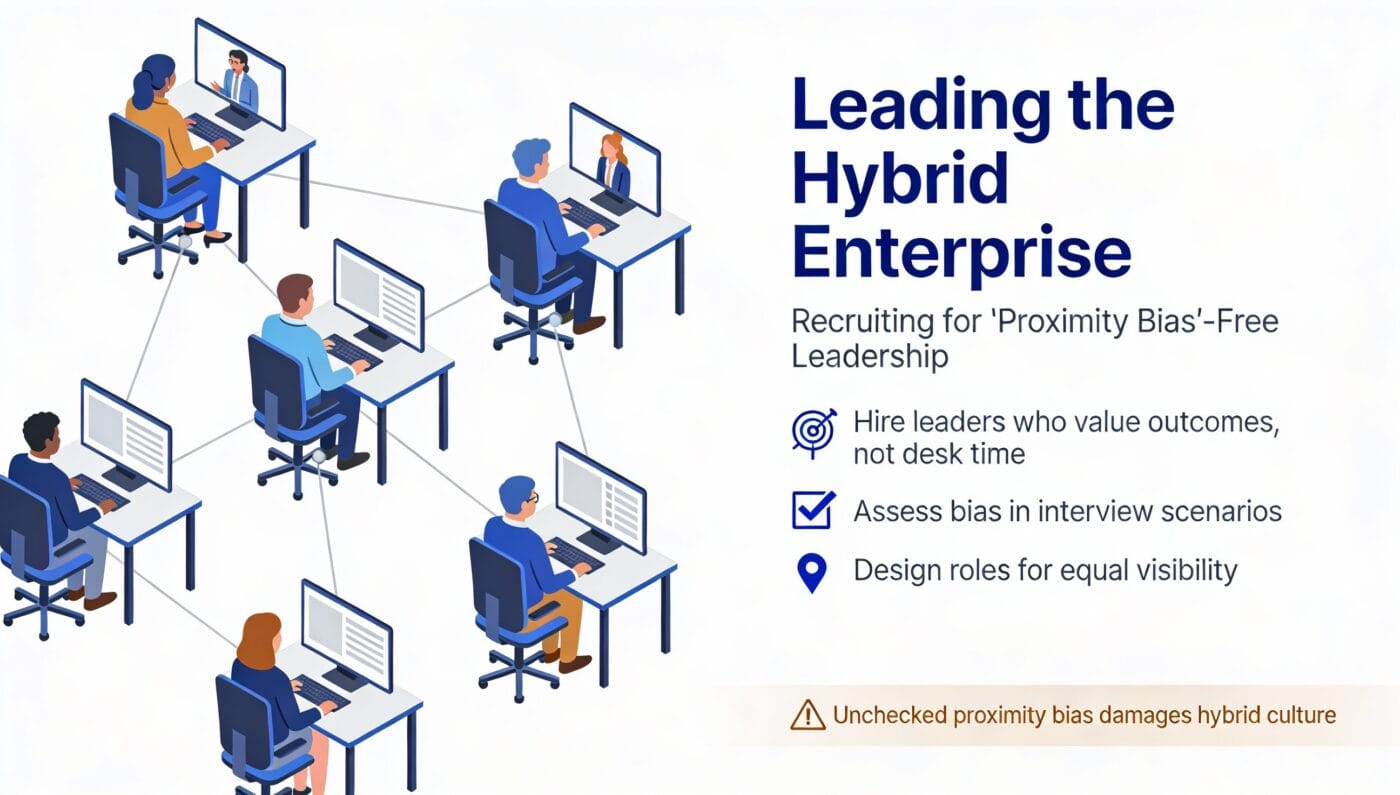
Confidential Briefing on “Leading the Hybrid Enterprise: Recruiting for Proximity Bias-Free Leadership” In an increasingly distributed operational landscape, the ability of an organization to foster innovation and ensure equitable growth hinges directly on its executive leadership. Our research at , a premier US-based executive search firm, indicates a critical emerging challenge: the pervasive, often unconscious, impact of proximity bias.
Author Archives: Jeremy Gleason
24
Dec
Dec
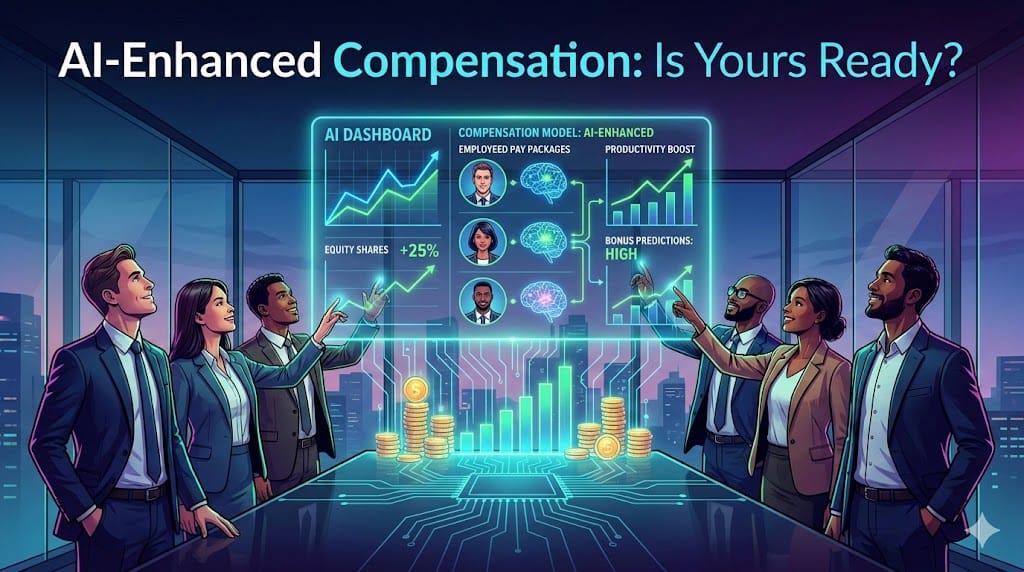
Navigating Executive Compensation Models in the Age of AI As the Global Head of Research & Leadership Advisory at , a premier US-based executive search firm, it is imperative we address a critical paradigm shift impacting talent strategy and governance: Is Your Compensation Model Ready for the Age of AI-Enhanced Performance? The relentless advancement of Artificial Intelligence is not.
The New Tech Stack for the C-Suite: Must-Have Tools for 2026 Key Takeaways C-Suite success in 2026 hinges on embracing a new tech stack focused on AI-driven insights, enhanced collaboration, and predictive decision-making. Traditional tools are no longer sufficient; leaders need platforms that provide real-time visibility and strategic foresight to enhance strategic decision making.
Blog section for Employers and Job Seekers, Executive Search Challenges, Search, Style
The Great Unbundling: How AI Will Change Core C-Suite Responsibilities

23
Dec
Dec
The Great Unbundling: How AI Will Change Core C-Suite Responsibilities Key Takeaways: AI will fundamentally alter the roles and responsibilities of C-suite executives. The “bundling” of tasks within current C-suite roles will be “unbundled” and augmented or automated by AI. Executives will need to focus on strategic oversight, ethical considerations, and creative problem-solving.
Blog section for Employers and Job Seekers, For Employers, Search
How AI is Transforming Decision-Making at the Board Level

23
Dec
Dec
How AI is Transforming Decision-Making at the Board Level Key Takeaways AI is moving beyond operational efficiencies to significantly impact strategic decisions at the board level. AI-powered insights enhance board oversight, risk management, and opportunity identification. Ethical considerations and data governance are paramount when implementing AI in board decision-making.
COO Executive Recruiting, executive recruiting, Executive Search Challenges, For Employers
Hiring for ‘AI-Powered’ Growth: Executive Talent for 5-Year Strategy

23
Dec
Dec
Hiring for ‘AI-Powered’ Growth: Executive Talent for 5-Year Strategy Key Takeaways AI is no longer a future concept, but a present-day necessity for growth. Executive leadership must possess a strong understanding of AI’s strategic implications. Effective AI integration requires specific skill sets beyond traditional management roles. A well-defined 5-year strategy must inform executive hiring decisions related to AI.
Blog section for Employers and Job Seekers, Search, Style
Case Study: Companies That Successfully Integrated AI Leadership (and those that didn’t)

22
Dec
Dec
Case Study: Companies That Successfully Integrated AI Leadership (and those that didn’t) Key Takeaways: Strategic AI integration, starting with well-defined business goals, is crucial. Data infrastructure and talent development are foundational for AI leadership success. Ethical considerations and responsible AI governance must be prioritized. Adaptability and continuous learning are essential given the rapid evolution of AI.
Blog section for Employers and Job Seekers, For Employers, For Jobseekers, Search
Beyond Resumes: Assessing a Candidate’s Readiness for AI-Driven Transformation

22
Dec
Dec
Beyond Resumes: Assessing a Candidate’s Readiness for AI-Driven Transformation Key Takeaways: Traditional hiring metrics are insufficient for identifying talent ready for AI-driven roles. Focus on assessing adaptability, learning agility, and AI literacy rather than just technical skills. Incorporate practical assessments and scenario-based interviews to evaluate real-world problem-solving abilities.
CEO Recruitment, COO Executive Recruiting, executive recruiting, Executive Search Challenges, For Employers
The Autonomous Enterprise: Recruiting Leaders for Highly Automated Businesses

22
Dec
Dec
The Autonomous Enterprise: Recruiting Leaders for Highly Automated Businesses Key Takeaways Autonomous enterprises require leaders with adaptability, strategic vision, and a deep understanding of automation technologies. Successful recruitment strategies must focus on assessing candidates’ potential to manage human-machine collaboration and drive innovation.
Executive Search Challenges, For Employers, Search
Data Fluency for Non-Technical Leaders: What the Modern Executive Must Know

20
Dec
Dec
Data Fluency for Non-Technical Leaders: What the Modern Executive Must Know Key Takeaways: Data fluency is no longer optional; it’s essential for modern leadership. Understand the types of data relevant to your business and how they can be used. Develop the ability to ask the right questions of your data teams and interpret their findings.