


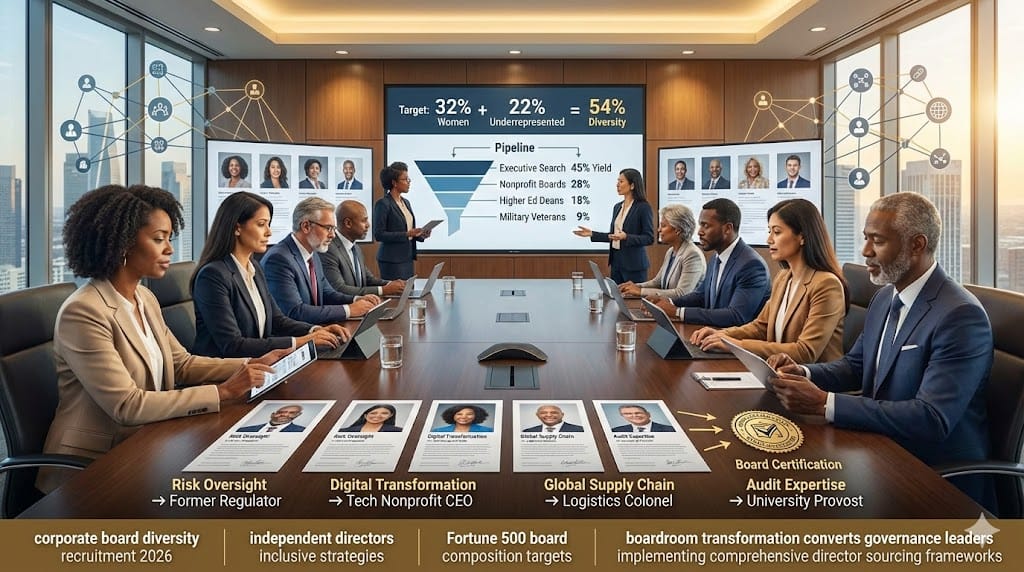
Building an Inclusive Board: Strategies for Recruiting Diverse Independent Directors In an increasingly complex and dynamic US market landscape, the composition of a corporate board is no longer a mere formality but a critical strategic asset. Our latest research indicates a significant paradigm shift where a diverse, independent director cohort is foundational to enduring organizational resilience and superior performance.
Category Archives: Style
Blog section for Employers and Job Seekers, CEO Recruitment, COO Executive Recruiting, For Employers, Search, Style
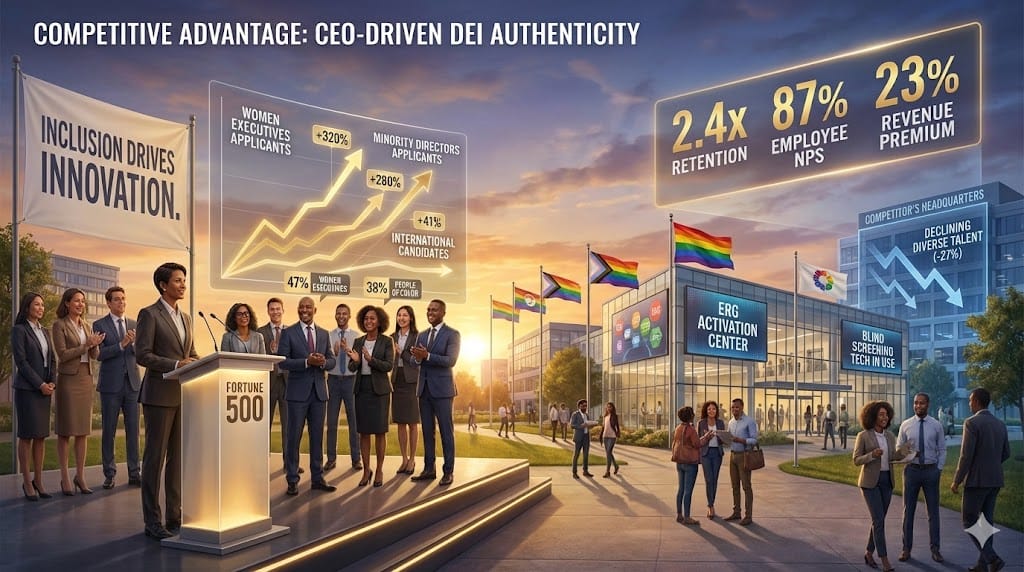
Why the ‘CEO-as-DEI-Champion’ Model is Essential for Top Talent Attraction
22
Jan
Jan
Unlocking Elite Talent: The CEO’s Pivotal Role in Diversity, Equity, and Inclusion In an increasingly competitive and values-driven global talent landscape, a CEO’s visible, authentic commitment to Diversity, Equity, and Inclusion (DEI) has transcended being merely a corporate social responsibility initiative. It has become a non-negotiable strategic differentiator, directly influencing an organization’s capacity to attract and retain premier human capital.
Blog section for Employers and Job Seekers, For Employers, Search, Style
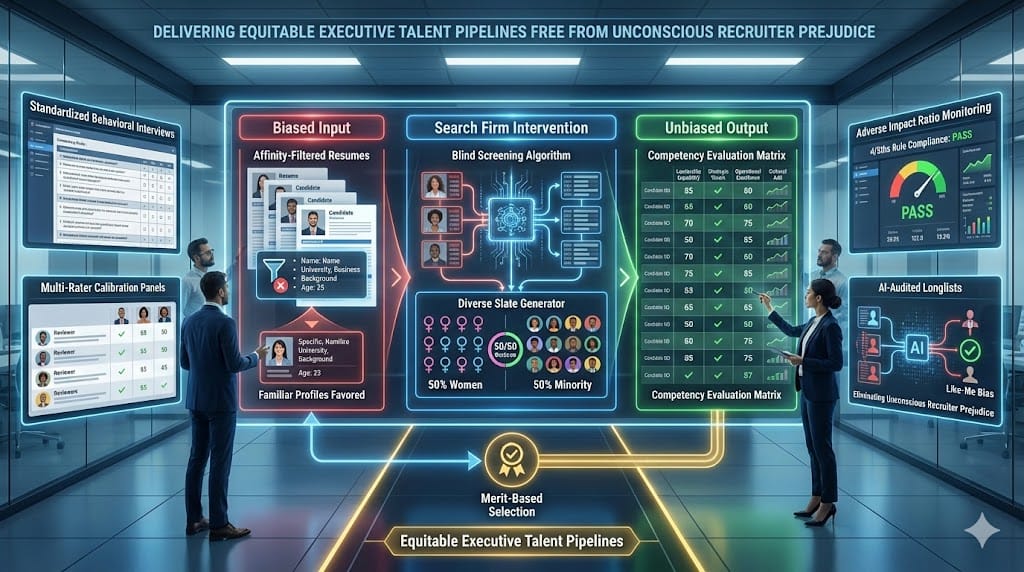
The Role of the Search Firm in Removing Unconscious Bias from the Process
22
Jan
Jan
Executive search firms play a critical role in removing unconscious bias from leadership hiring. By applying structured evaluation frameworks, blind screening, and diverse candidate slates, retained search partners help organizations move beyond affinity bias and credential bias—two of the most prevalent distortions in senior talent acquisition.
Blog section for Employers and Job Seekers, Search, Style
Why Internal Mobility is the Best Defense Against the External Talent War

15
Jan
Jan
Proactive Talent Architecture: Leveraging Internal Mobility for Competitive Advantage in the US Market Dear Esteemed Board Members and C-Suite, The current landscape of executive talent acquisition in the United States demands a paradigm shift in strategic approach. While remains at the forefront of identifying exceptional external leadership, our comprehensive research and advisory services increasingly highlight the strategic imperative.
Blog section for Employers and Job Seekers, For Employers, Search, Style
From Policy to Practice: Building a Truly Flexible Executive Work Model

15
Jan
Jan
Key Insights for U.S. Enterprise Leaders A truly adaptable executive talent model is a strategic imperative , not merely an incidental benefit, fostering competitive advantage, attracting superior talent, and enhancing organizational resilience within the dynamic U.S. Success necessitates a fundamental reorientation from conventional presence-based evaluation criteria to robust, output-based accountability frameworks , supported by explicit performance agreements and goal congruence.
Blog section for Employers and Job Seekers, Executive Search Challenges, For Employers, Search, Style
The Legal and Compliance Checklist for Remote US Executive Hires

15
Jan
Jan
Navigating the Complexities of Remote US Executive Talent Acquisition and Governance As we navigate an evolving talent architecture, the strategic imperative of attracting and retaining top-tier executive talent in a geographically dispersed model presents both unprecedented opportunities and significant governance challenges.
Blog section for Employers and Job Seekers, Style
Preventing Executive Burnout in the Always-On Hybrid Environment

13
Jan
Jan
Key Insights: Proactive Well-being as a Strategic Imperative Our analysis suggests that combating executive exhaustion in distributed work paradigms demands a paradigm shift, moving beyond mere coping mechanisms towards holistic talent architecture. Organizations must engineer environments that intrinsically protect and rejuvenate their leaders. This necessitates proactive leadership modeling, technological discipline, and robust governance frameworks designed to foster long-term resilience.
Blog section for Employers and Job Seekers, Search, Style
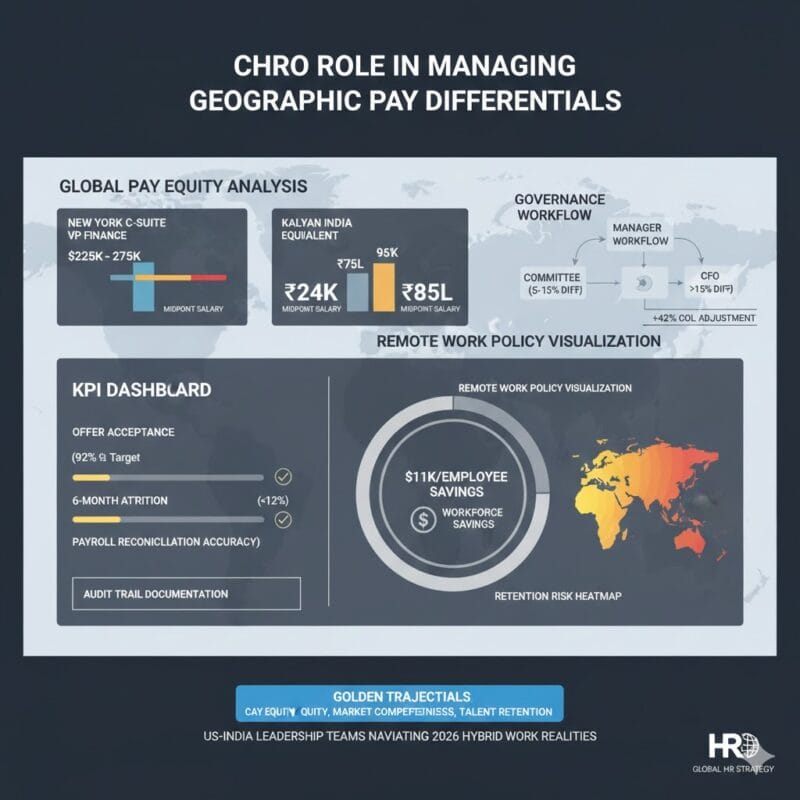
The Role of the CHRO in Managing Geographic Pay Differentials
13
Jan
Jan
The CHRO’s Fiduciary Role in Geographic Pay Differential Governance In an increasingly fluid talent landscape, the strategic imperatives for executive leadership, particularly the Chief Human Resources Officer (CHRO), have never been more pronounced. Effective management necessitates a profound understanding of evolving market dynamics, robust data analytics, and a crystal-clear compensation philosophy that judiciously balances local market demands with overarching internal.
Blog section for Employers and Job Seekers, CEO Recruitment, Search, Style
Creating a ‘Digital-First’ Culture: The New Challenge for CEOs

12
Jan
Jan
Strategic Briefing: Creating a ‘Digital-First’ Culture – The New Mandate for US CEOs and Executive Talent This confidential advisory outlines critical insights for US boards and C-suite executives on cultivating a truly ‘digital-first’ culture. This paradigm shift requires US CEOs to act as the principal architects and champions of a profound cultural transformation, articulating a compelling vision and embodying a.
Blog section for Employers and Job Seekers, For Employers, Style
Compensation and Equity for a Distributed Executive Team in the US

09
Jan
Jan
Compensation and Equity for a Distributed Executive Team in the US: Navigating the New Frontier of Executive Pay As enterprises increasingly embrace distributed operational models, the traditional paradigms governing executive remuneration demand urgent re-evaluation. Our analysis at , drawn from extensive engagements with leading US organizations, reveals a critical juncture where established compensation frameworks intersect with the imperative of.
- 1
- 2