


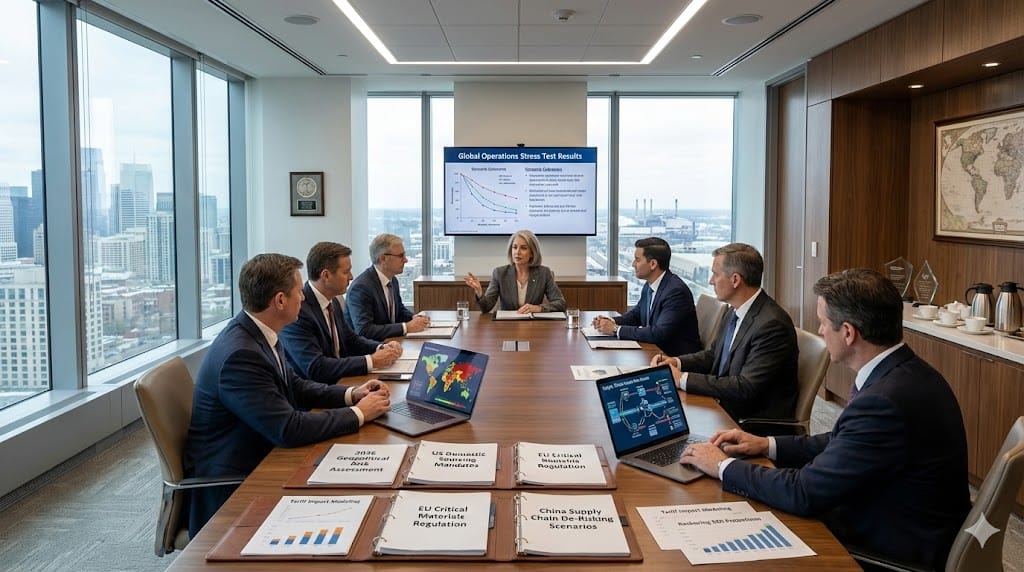
From the desk of the Global Head of Research & Leadership Advisory at JRG Partners, this analysis addresses an emergent, critical imperative for enterprise governance and strategic agility. The accelerating complexity and interconnectedness of global affairs necessitate a dedicated, senior executive role to proactively manage external risks and seize opportunities.
As global supply chains fracture and international relations grow more volatile, businesses face unprecedented challenges, necessitating proactive strategic alignment to navigate an increasingly complex global landscape, raising the crucial question: What defines the Chief Geopolitical Strategist versus traditional risk roles? JRG Partners, a premier US-based executive search firm, is at the forefront of identifying and placing leaders equipped for this future-focused leadership, crucial for enhancing enterprise resilience.
Key Strategic Imperatives
- The escalating intricacy of global geopolitics mandates a dedicated C-suite function to proactively manage strategic risks and capture emergent opportunities, moving beyond reactive analysis.
- The Chief Geopolitical Strategist (CGS) will seamlessly integrate external intelligence into the core strategic decision-making processes, transitioning from conventional risk management to proactive strategic foresight.
- This role is pivotal for fortifying enterprise resilience, safeguarding supply chain stability, navigating intricate regulatory shifts, and astutely informing investment and market entry strategies in an increasingly multi-polar world.
Defining the Chief Geopolitical Strategist Mandate
The conventional approach to international affairs, often relegated to ad-hoc analyses, is no longer sufficient. A fundamental paradigm shift is underway, demanding embedded strategic foresight directly influencing corporate direction.
This evolution requires a systemic integration of geopolitical intelligence into the enterprise’s DNA, moving beyond episodic briefings to continuous, actionable insight.
Core Responsibilities: Proactive Risk & Opportunity Management
- Identify, assess, and mitigate geopolitical risks across the enterprise footprint.
- Uncover strategic opportunities derived from global political and economic shifts.
- Advise on judicious market entry/exit strategies, supply chain diversification, and ensuring robust regulatory compliance in various jurisdictions.
Reporting Structure: Direct Influence on Enterprise Strategy
A CGS typically reports directly to the Chief Executive Officer or the Board, underscoring the strategic weight and ensuring immediate influence on overarching enterprise strategy and US corporate governance norms.
Distinction from Traditional Roles: A Strategic Architect for Global Operations
The CGS transcends the functions of a mere political analyst or a traditional risk manager. This executive is a strategic architect influencing global operations, orchestrating the synthesis of complex global dynamics into tangible business advantages and safeguards. Their purview encompasses the macro-level foreign policy implications that can dramatically alter a company’s competitive landscape.
Evolving Risks: Trade Wars to Supply Chain Fractures
The contemporary landscape is defined by its unprecedented volatility. Geopolitical risks are no longer abstract; they exert direct operational, financial, and reputational impacts on global businesses.
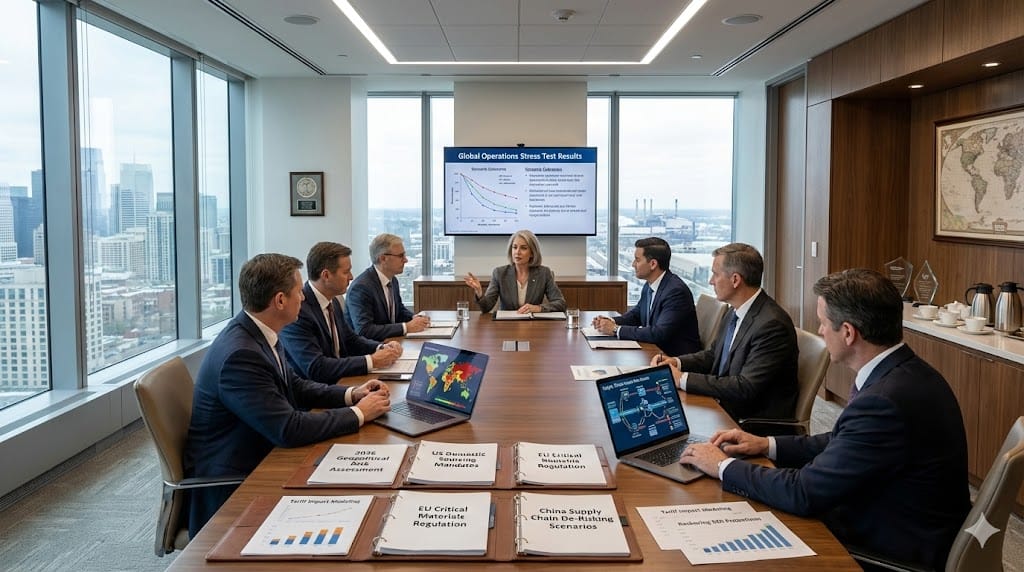
The New Landscape of Volatility: Direct Operational Impact
From tariffs to profound tech decoupling, state actions such as sanctions, export controls, and data sovereignty laws are actively fragmenting global markets. This creates a complex environment for any entity with international exposure.
Supply Chain as a Geopolitical Battleground: Critical Dependencies
The global supply chain has emerged as a primary battleground for geopolitical competition. Critical mineral dependencies, strategic chokepoints, and the weaponization of logistics pose severe threats to operational continuity. Furthermore, environmental shifts from climate change and instability exacerbate geopolitical tensions and impact resource access, compounding existing vulnerabilities.
85% of global companies reported significant supply chain disruptions due to geopolitical factors in the last three years.
Understanding these macro shifts is paramount for US-based corporations maintaining global competitiveness.
Intelligence Integration into C-Suite Decision Cycles
A persistent challenge has been transforming raw geopolitical data into actionable strategic intelligence that directly informs the CEO and Board. Bridging this gap is a core mandate of the CGS role.
Sources and Methods: Leveraging Advanced Analytics
Effective intelligence integration leverages diverse sources: Open-Source Intelligence (OSINT), sophisticated human intelligence networks, specialized consultancies, and advanced AI-driven predictive analytics. This comprehensive approach provides multi-dimensional insights into global affairs.
Decision Frameworks: Incorporating Geopolitical Insights
Developing clear, robust processes for incorporating geopolitical insights into critical decision cycles—such as investment, Mergers & Acquisitions (M&A), market development, and operational planning—is essential. This includes establishing early warning systems for identifying emerging threats and opportunities before they escalate into crises.
Only 30% of C-suite executives feel they have adequate geopolitical intelligence embedded in their strategic planning process.
This statistic underscores a significant gap that the CGS is designed to address, providing the essential input for strategic decision-making at the highest levels. Boards and C-suites are increasingly seeking robust frameworks to anticipate and mitigate future shocks. This leads to an urgent inquiry: What scenario frameworks prepare for supply chain weaponization?
Scenario Planning for Multi-Polar World Orders
In an era characterized by flux, preparing for the unpredictable is not merely prudent; it is a fiduciary duty. Comprehensive ‘what-if’ scenarios are vital for stress-testing business models against various geopolitical futures.
Key Drivers of Multi-Polarity: Shifting Global Alliances
The rise of regional blocs, dynamically shifting alliances, and intensified competition between major global powers (e.g., US, China, EU, India) are defining characteristics of a multi-polar world order. Strategic planning must account for these complex interactions.
Frameworks for Strategic Resilience: Adaptive Strategies
Crafting adaptive strategies for different outcomes, ranging from significant economic decoupling to managed competition, is fundamental. This includes war gaming and simulations to practically exercise responses to potential geopolitical shocks.
Companies that regularly engage in geopolitical scenario planning show 20% higher resilience ratings in times of crisis.
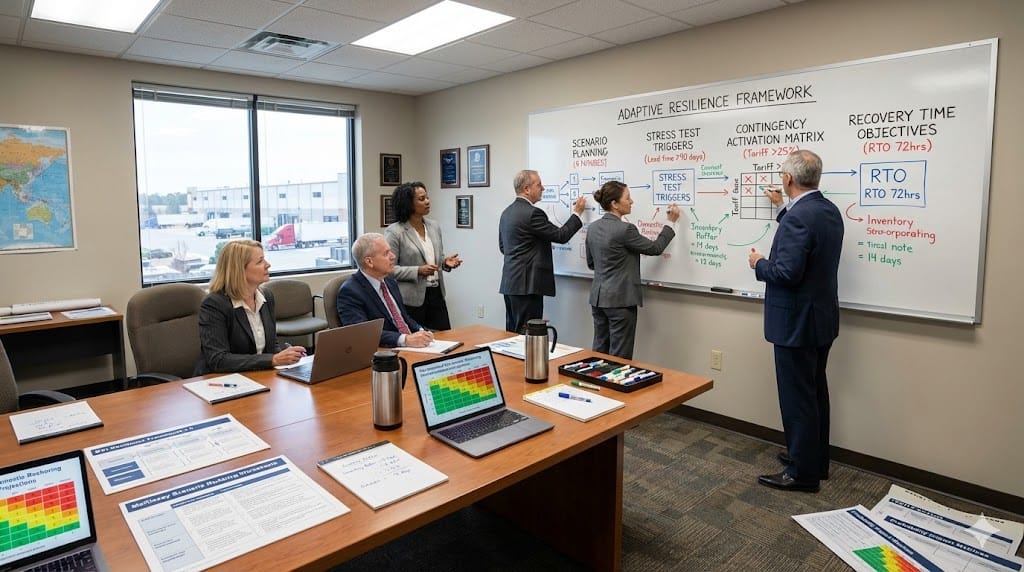
This demonstrates the tangible benefits of a proactive approach to global affairs and strategic planning.
Regulatory Arbitrage Across Jurisdictional Shifts
The CGS plays a critical role in navigating the intricate regulatory maze, understanding the geopolitical drivers behind divergent, and often conflicting, national and international regulations affecting US and global businesses.
Strategic Compliance and Opportunity: Favorable Regulatory Environments
Beyond mere compliance, the role identifies jurisdictions offering favorable regulatory environments for specific operations or investments, while simultaneously mitigating risks in others. This capability for regulatory arbitrage creates significant competitive advantages.
Data Sovereignty and Cybersecurity: Managing Cross-Border Impact
Managing the profound impact of differing national laws on data storage, transfer, and privacy, alongside evolving cybersecurity mandates, is a growing imperative. Similarly, how geopolitical pressures influence ESG (Environmental, Social, and Governance) standards and reporting requirements necessitates expert oversight.
A deep understanding of these legal and compliance complexities within the US regulatory framework is essential. How do regulatory divergences create competitive advantages? This question is central to the CGS’s value proposition.
Partner Vetting and Third-Party Risk Management
The scope of due diligence must extend beyond traditional financial and legal parameters to encompass rigorous geopolitical scrutiny of all third-party relationships—suppliers, distributors, joint venture partners, and customers.
Identifying Hidden Risks: State-Backed Influences
Uncovering political affiliations, potential state-backed influences, and hidden sanctions exposure within the partner ecosystem is vital for safeguarding corporate integrity and reputation. This is paramount for US companies operating globally.
Supply Chain De-risking: Diversification and Redundancy
Strategies for diversifying supplier bases and building redundancy are crucial for reducing dependence on geopolitically sensitive regions or entities. Furthermore, integrating geopolitical risk assessments into pre-acquisition M&A geopolitical review is essential to avoid unforeseen liabilities and ensure fiduciary duty is met.
Which third-party vetting protocols mitigate state-sponsored risks? This critical query guides the CGS’s proactive defense strategies.
Metrics Linking Geopolitics to Enterprise Resilience
Quantifying the impact of geopolitical factors on business outcomes is paramount for demonstrating value and securing continued investment in this strategic function.

Measuring the Unmeasurable: Geopolitical KPIs
Developing robust Key Performance Indicators (KPIs) to effectively measure geopolitical strategy effectiveness is a significant challenge. These KPIs move beyond traditional metrics to capture the intangible yet profound impacts of global affairs.
Quantifying Resilience: Strategic & Financial Metrics
Metrics such as a supply chain flexibility index, market access diversification score, geopolitical risk-adjusted Return on Investment (ROI), and regulatory compliance efficacy are vital. This approach demonstrates the tangible return on investment for geopolitical strategy in terms of reduced disruptions, enhanced market position, and improved shareholder value.
Board Reporting: Communicating Geopolitical Insights
Establishing clear dashboards and concise reports to communicate geopolitical risk and opportunity to the C-suite and Board is critical for transparent governance and proactive decision-making. What KPIs measure geopolitical strategy effectiveness? Answering this will define the CGS’s impact.
Building the Role: Required Expertise and Recruitment
The successful establishment of a CGS role hinges on identifying an executive with a uniquely comprehensive skillset.
Essential Skillset: A Blend of Strategic Disciplines
The ideal candidate possesses a sophisticated blend of international relations, economics, political science, intelligence analysis, law, and strong business acumen. This multi-disciplinary expertise is rare but essential for truly effective strategic foresight.
Recruitment Pools: Sourcing Elite Talent
JRG Partners has a proven track record in identifying and placing such specialized leaders, navigating the intense US talent competition. We draw talent from government intelligence agencies, diplomatic services, global financial institutions, international think tanks, and specialized consultancies. Our deep understanding of US corporate governance norms ensures cultural and strategic alignment.
Organizational Integration: Collaborative Strategic Positioning
Strategically positioning the CGS within the C-suite to foster seamless collaboration with legal, compliance, operations, strategy, and risk management functions is paramount for effective organizational integration.
Leadership Qualities: Driving Proactive Change
Beyond technical expertise, the CGS must possess exceptional leadership qualities: the ability to communicate complex geopolitical nuances clearly to diverse audiences, influence strategic direction, and drive proactive change across the enterprise. JRG Partners specializes in recruiting for this caliber of future-focused executive talent strategy.
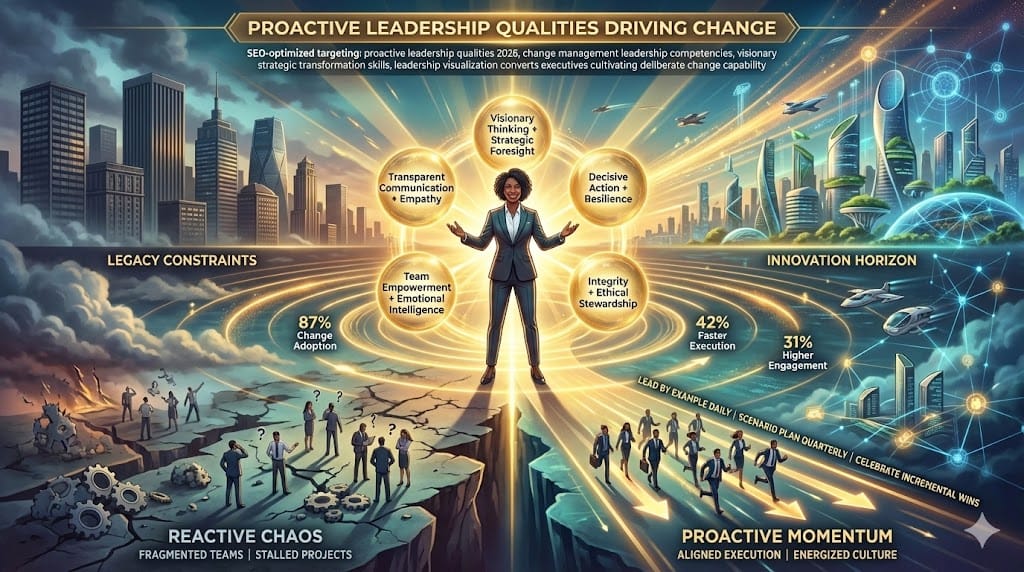
The demand for geopolitical risk expertise in corporate settings is projected to grow by over 25% in the next five years, underscoring the urgency.
Strategic Imperative for Boards
The advent of the Chief Geopolitical Strategist role is not merely an organizational trend; it is a critical response to a fundamentally altered global operating environment. Boards are facing an increasingly complex fiduciary duty to safeguard enterprise value against emergent, non-traditional risks. Proactive engagement with global political and economic dynamics is no longer optional but a strategic imperative. JRG Partners advises that forward-looking governance mandates this foresight. This naturally leads to a pivotal query: Will every global Fortune 500 require this role by 2030?
Engaging with a specialized executive search firm like JRG Partners is crucial for securing the right talent architecture to meet these evolving leadership demands and ensure sustained value realization for shareholders.
FAQs
-
-
Is this role only for large multinational corporations?
While most immediately apparent for large multinational corporations with extensive global operations, the principles and strategic necessity apply to any US-based enterprise with international supply chains, markets, or regulatory exposure. Smaller businesses can integrate geopolitical thinking through strategic consulting, fractional CGS services, or by upskilling existing risk management teams, aligning with their scale and specific global footprint.
-
How does a Chief Geopolitical Strategist differ from a traditional Chief Risk Officer?
The CGS focuses on macro-level, systemic, and often existential geopolitical risks and opportunities that impact the entire enterprise strategy and global operations. A Chief Risk Officer (CRO) typically manages a broader portfolio of financial, operational, compliance, and IT risks, often at a more granular, internal level. The CGS provides the external, forward-looking strategic intelligence that informs and elevates the CRO’s domain, acting as a crucial complement rather than a replacement.
-
What is the typical career path for someone aspiring to be a CGS?
A typical path often includes extensive experience in government intelligence agencies, diplomatic services, international development organizations, think tanks, or specialized roles in global financial institutions. A strong background in international relations, economics, political science, or law, coupled with demonstrable business acumen and strategic leadership capabilities, is essential. Advanced degrees in relevant fields are common.
-
How can smaller businesses integrate geopolitical thinking without a dedicated C-suite role?
Smaller US businesses can leverage external geopolitical risk consultancies, subscribe to specialized intelligence platforms, or appoint an existing senior executive to champion geopolitical awareness within the leadership team. Focused training for key decision-makers on scenario planning and early warning systems can also embed this critical perspective without immediately creating a new C-suite position.
-
What are the biggest challenges in establishing and sustaining the CGS role within an organization?
Key challenges include defining clear mandates that avoid overlap with existing roles, securing adequate budget and resources for intelligence gathering, integrating insights effectively into existing decision cycles, and demonstrating tangible ROI. Furthermore, finding a candidate with the requisite blend of deep geopolitical expertise and commercial understanding is a significant hurdle, particularly within the competitive US talent market.
-
As international trade policies rapidly fracture, supply chains face constant threat from localized conflicts, and protectionist economic policies rewrite corporate playbooks, managing a global footprint has become an exercise in high-stakes risk mitigation. At JRG Partners, we have seen that relying on reactive, localized legal teams or passive advisory consultants leaves multinational firms entirely exposed to sudden macroeconomic shocks. To navigate this highly unstable environment, enterprise boards must understand the value of appointing a new C-suite role: the Chief Geopolitical Strategist for global operations. By embedding an executive who dedicates 100% of their focus to translating international friction into actionable, proactive corporate decisions, global organizations can protect their cross-border investments, maintain supply chain continuity, and secure long-term corporate effectiveness.

Tanya Gallardo
Managing Director, Executive Search & AI Talent Strategy
Tanya Gallardo is the Managing Director of Executive Search & AI Talent Strategy at JRG Partners, leading C-suite and Board engagements across key growth sectors including Technology, Financial Services, and Manufacturing.
With over 18 years of experience specializing in disruptive technology leadership, Tanya is recognized as a leading authority on talent architecture for future-focused executive roles, such as the Chief AI Officer (CAIO) and Chief Digital Officer (CDO). Her expertise lies in accurately assessing the cultural fit and technical depth required to ensure a high return on investment (ROI) for critical leadership appointments.
Prior to her role at JRG Partners, Tanya held senior roles directing global talent acquisition strategies at a major publicly-traded technology firm, advising on organizational design and succession planning for emerging executive functions. She is a recognized speaker and contributor to industry events, sharing data-driven insights on executive compensation, leadership development, and the measurable business impact of C-suite talent.
