



One of the most consequential decisions an organization faces during a leadership transition is whether to promote someone from within or recruit an executive from outside. The choice can influence business performance, employee confidence, organizational culture, and the company’s ability to execute its long-term strategy. Yet many organizations approach the decision with assumptions rather than […]
Category Archives: Industry Insights

16
Nov
Nov
Succession planning is one of the most important responsibilities of executive leadership, yet many organizations still treat it as an administrative exercise rather than a strategic priority. They identify potential replacements for senior executives, document names in a leadership chart, and revisit the plan during annual talent reviews. On paper, the organization appears prepared. In […]

16
Nov
Nov
Executive resumes have always been designed to present professional achievements in the strongest possible light. However, artificial intelligence has made it easier to refine career histories, improve interview responses, quantify accomplishments, and create highly convincing professional profiles. AI-assisted writing is not inherently a problem. Many qualified executives use these tools to communicate their experience more […]
16
Nov
Nov
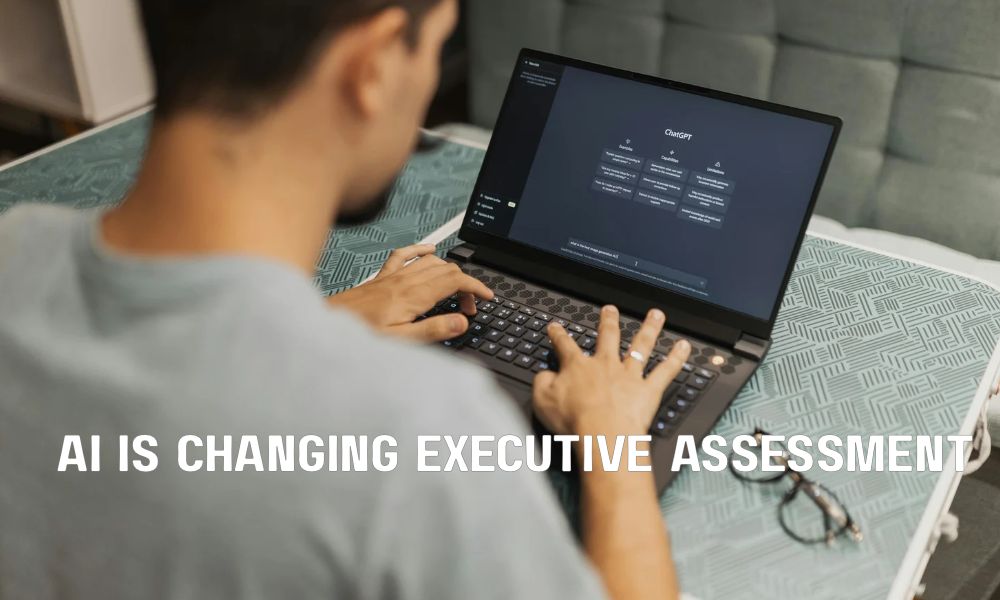
Executive recruitment has traditionally relied on a combination of professional experience, leadership interviews, reference checks, psychometric assessments, and the judgment of experienced search professionals. These methods remain important, but artificial intelligence is changing how organizations evaluate senior leadership candidates. AI-powered tools can analyze professional histories, identify patterns across career achievements, compare leadership competencies, organize assessment […]

16
Nov
Nov
An executive announces an intention to resign. The company suddenly recognizes how difficult that person will be to replace. Within days, senior management becomes involved, compensation is reconsidered, a promotion is discussed, and a new set of promises appears. The executive is offered more money and encouraged to reconsider. This is the counteroffer trap: an […]

16
Nov
Nov
Why Money Alone Is No Longer Enough to Attract Top Executives Compensation remains an essential consideration in executive recruitment. Senior leaders expect their responsibilities, experience, and performance expectations to be reflected in their financial packages. However, compensation is only one part of the decision to accept a new position. JRG Partners’ 2026 executive candidate sentiment […]

16
Nov
Nov
Hiring a senior executive is one of the most consequential decisions an organization makes. A successful appointment can strengthen strategy, improve operational performance, develop future leaders, and create long-term business value. A wrong appointment, however, can have the opposite effect. It can disrupt teams, delay important decisions, weaken stakeholder confidence, and create financial losses that […]

16
Nov
Nov
Why High-Performing Executives Are Less Likely to Be Looking There are several reasons why accomplished executives may remain outside the active candidate market in 2027. Their decisions are increasingly shaped by professional momentum, financial considerations, personal priorities, and the quality of the opportunities presented to them. 1. Successful Leaders Have Strong Reasons to Stay Executives […]
16
Nov
Nov
Artificial intelligence is changing how organizations recruit employees, evaluate performance, allocate opportunities, determine compensation, and plan their workforces. AI systems can screen applications, analyze employee data, summarize performance reviews, identify skills gaps, and support decisions about promotions and retention. These capabilities offer potential efficiency improvements, but they introduce a serious leadership challenge: how much authority […]

16
Nov
Nov
Artificial intelligence is changing how organizations operate, compete, and make decisions. Businesses are deploying AI across departments, integrating intelligent systems into existing software, and experimenting with autonomous agents capable of completing increasingly complex workflows. As adoption expands, a difficult organizational question is emerging: who should actually own AI? Some organizations place responsibility with the chief […]