



Financial services firms operate in an environment where a single overlooked risk, regulatory breach, or governance failure can damage profitability, disrupt operations, and undermine stakeholder confidence. As organizations grow, expand into new markets, introduce financial products, or adopt emerging technologies, the need for experienced risk and compliance leadership becomes increasingly important.
Two executive roles frequently enter this conversation: the Chief Risk Officer (CRO) and the Chief Compliance Officer (CCO). Although their responsibilities overlap, they address different leadership priorities. A CRO focuses on identifying, evaluating, and managing the broader risks that could threaten the firm’s financial stability and strategic objectives. A CCO focuses on ensuring that the organization operates in accordance with applicable laws, regulations, industry requirements, and internal policies.
For a financial firm with limited executive hiring capacity, determining which position to prioritize is a strategic decision. The answer depends on the firm’s risk exposure, regulatory obligations, operational maturity, recent performance, and plans for growth.
This guide explains the differences between a CRO and a CCO, the circumstances that make each hire more urgent, and how financial services leaders can build an executive team that balances risk management, regulatory accountability, and commercial performance.
Understanding the Difference Between a CRO and a CCO
The most important distinction is the scope of accountability. Risk management considers the threats and uncertainties that could prevent a firm from achieving its objectives. Compliance focuses on the organization’s adherence to applicable requirements and the systems needed to demonstrate that adherence.
What Does a Chief Risk Officer Do?
A Chief Risk Officer oversees the organization’s risk management framework. The CRO helps leadership understand how financial, operational, technological, strategic, and other material risks interact and affect the business.
Depending on the organization, the role may include oversight of:
- Credit risk: The possibility that borrowers, counterparties, or other obligated parties will fail to meet their commitments.
- Market risk: Potential losses resulting from changes in interest rates, currency values, asset prices, or other market conditions.
- Liquidity and funding risk: The possibility that the firm cannot meet financial obligations when they become due or secure funding on acceptable terms.
- Operational risk: Losses or disruptions arising from inadequate processes, human error, systems failures, or external events.
- Technology and cybersecurity risk: Exposure associated with digital infrastructure, cyber incidents, technology dependencies, and information security weaknesses.
- Third-party risk: Exposure created by vendors, outsourcing arrangements, cloud providers, service partners, and dependencies deeper within supply chains.
- Strategic and concentration risk: The possibility that business decisions, excessive exposure to one segment, or changes in market conditions will undermine performance.
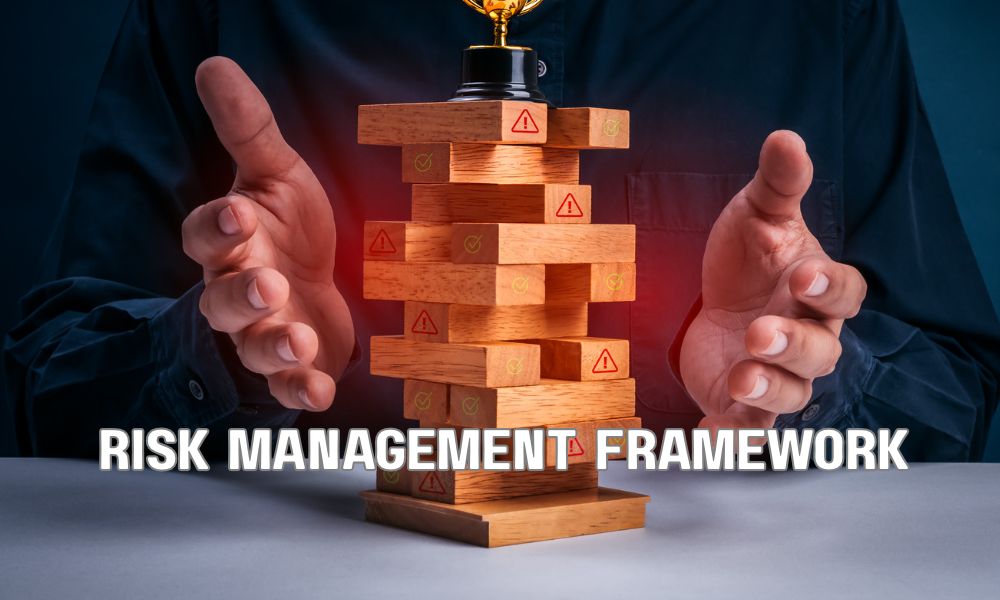
The CRO translates these exposures into actionable information for executive leadership and the board. This may involve establishing risk appetite, developing monitoring frameworks, evaluating stress scenarios, strengthening controls, and challenging decisions that expose the organization to unacceptable losses.
A strong CRO does not simply identify problems. The executive helps the firm understand which risks it can accept, which it should reduce, and which may prevent it from pursuing a business opportunity responsibly.
What Does a Chief Compliance Officer Do?
A Chief Compliance Officer leads the organization’s compliance program and oversees how effectively the firm identifies, interprets, implements, and monitors its regulatory and policy obligations.
The precise scope depends on the institution’s activities, jurisdictions, and regulatory status. Common responsibilities include:
- Regulatory interpretation: Evaluating applicable laws, regulations, supervisory expectations, and industry requirements.
- Compliance program development: Establishing policies, procedures, standards, and controls that translate obligations into operational practices.
- Compliance monitoring and testing: Evaluating whether business activities comply with relevant requirements and internal standards.
- Regulatory examinations: Coordinating responses to regulator inquiries, inspections, and examinations where appropriate.
- Financial crime compliance: Overseeing relevant anti-money laundering, sanctions, fraud-prevention, or related compliance responsibilities where assigned.
- Conduct and ethics: Addressing conflicts of interest, employee conduct, customer treatment, disclosures, and other applicable obligations.
- Training and awareness: Helping employees understand their responsibilities and recognize potential violations.
- Issue remediation: Tracking compliance findings, coordinating corrective actions, and verifying that deficiencies are addressed.
The CCO must ensure that compliance is more than a collection of written policies. The organization needs practical controls, appropriate documentation, employee awareness, reliable monitoring, and clear escalation procedures.
In regulated financial businesses, the CCO may also have specific responsibilities established by the applicable regulator. Those duties can make the position a mandatory governance requirement rather than a discretionary executive hire.
CRO vs. CCO: Key Differences at a Glance
| Area of Accountability | Chief Risk Officer | Chief Compliance Officer |
|---|---|---|
| Primary objective | Identify, assess, monitor, and manage material risks to the organization. | Maintain an effective program for meeting applicable legal, regulatory, and internal requirements. |
| Core question | What could threaten the firm’s financial stability, resilience, or strategic objectives? | Is the firm complying with applicable requirements, and can it demonstrate that effectively? |
| Typical scope | Credit, market, liquidity, operational, strategic, technology, and other material risks. | Regulatory compliance, conduct, policy adherence, monitoring, training, and remediation. |
| Business planning | Evaluates risk appetite, exposure limits, stress scenarios, and risk-adjusted decisions. | Assesses regulatory obligations, approval requirements, disclosures, and compliance controls. |
| Common performance indicators | Risk-limit breaches, loss exposure, stress-test outcomes, concentration levels, and remediation progress. | Compliance findings, overdue remediation, monitoring effectiveness, training completion, and examination outcomes. |
| Key stakeholders | Board risk committee, finance, lending, treasury, operations, technology, and business leaders. | Board or designated oversight committee, legal, business units, operations, compliance teams, and regulators. |
| Typical hiring trigger | Growing or poorly understood risk exposure, complex portfolios, or insufficient enterprise risk oversight. | Increasing regulatory obligations, compliance weaknesses, examination findings, or the absence of required independent oversight. |
These responsibilities are not mutually exclusive. Compliance exposures can become significant enterprise risks, and risk assessments should incorporate regulatory exposure. The objective is to establish clear accountability while ensuring that both functions share relevant information and coordinate their work.
When Should a Financial Firm Hire a CRO First?
A CRO may be the more urgent appointment when the organization faces material exposure that leadership cannot adequately measure, aggregate, or manage. This is especially relevant when the business is expanding rapidly, taking on new financial exposures, or operating across increasingly complex products and markets.
1. The Firm Is Taking on More Financial Risk
Consider a lender expanding into new borrower segments, a financial institution increasing its exposure to particular industries, or an investment firm introducing more complex strategies. These decisions can create opportunities, but they also increase the importance of portfolio oversight, risk modelling, stress testing, and exposure management.
If executives cannot confidently explain the firm’s concentration levels, loss sensitivities, risk appetite, or potential downside under adverse scenarios, the organization may need stronger risk leadership.
A capable CRO establishes a consistent framework for assessing exposure and helps leadership evaluate growth opportunities against the firm’s financial capacity and risk tolerance.
2. Risk Information Is Fragmented Across Departments
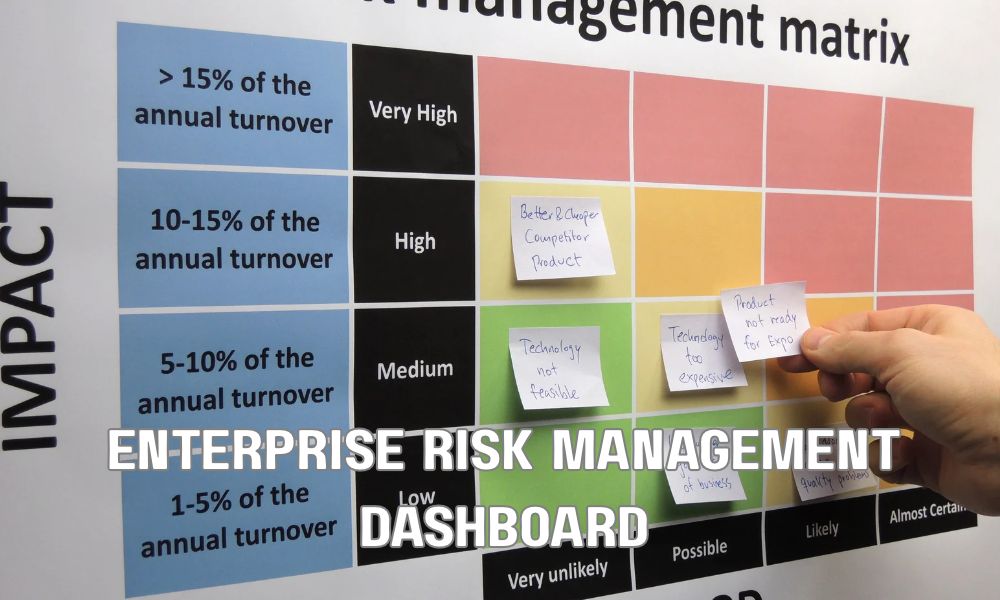
Risk management often becomes more difficult as organizations expand. Credit, treasury, technology, operations, and business teams may each maintain their own risk reports and monitoring processes.
Without effective coordination, senior leaders can struggle to identify how exposures interact. A technology outage, for example, may create operational disruption, financial losses, customer harm, and regulatory consequences simultaneously.
A CRO can help integrate risk reporting, establish common definitions, define escalation thresholds, and provide leadership with a more comprehensive view of the firm’s exposure.
3. The Business Is Expanding Through Acquisitions or New Markets
Mergers, acquisitions, geographic expansion, and new product launches can introduce risks that existing management systems were not designed to handle.
Different organizations may have incompatible risk methodologies, reporting structures, technology platforms, and control environments. A CRO can evaluate these differences, establish a consistent framework, and prioritize integration risks.
This is particularly important when expansion increases exposure to new counterparties, funding arrangements, market conditions, or operational dependencies.
4. Technology and Third-Party Dependencies Are Growing
Financial firms increasingly depend on cloud platforms, software providers, data infrastructure, payment networks, and outsourced services. These dependencies can introduce operational and resilience risks that extend beyond the organization’s direct control.
A CRO with experience in technology and operational risk can help evaluate critical dependencies, assess disruption scenarios, establish resilience expectations, and coordinate risk oversight across business and technology functions.
The role becomes particularly valuable when the firm cannot clearly identify which services are critical, how disruptions would affect customers, or how quickly essential operations could recover.
5. The Board Needs Better Risk-Based Decision Support
Boards need more than retrospective reports showing what has already happened. They need credible information about emerging exposures, potential losses, and the trade-offs associated with strategic decisions.
If board discussions rely on fragmented data, informal assessments, or inconsistent risk definitions, an experienced CRO can strengthen governance by introducing clearer reporting and forward-looking analysis.
The CRO should be capable of challenging executive assumptions constructively while helping directors understand the implications of significant decisions.
When Should a Financial Firm Hire a CCO First?
A CCO may be the more urgent hire when the organization lacks a sufficiently independent compliance function, faces increasing regulatory obligations, or needs to correct material deficiencies in its compliance program.

1. Regulatory Obligations Are Becoming More Complex
Financial firms may face different requirements depending on their products, customer segments, legal entities, jurisdictions, and regulatory permissions.
A payments company entering additional markets, for example, may need to reassess licensing obligations, customer disclosures, transaction monitoring, complaints handling, and financial crime controls. An investment firm may need stronger oversight of conflicts of interest, client communications, disclosures, and supervisory procedures.
A CCO helps translate these obligations into practical policies, control activities, monitoring plans, and accountable processes.
2. The Firm Has Significant Compliance Findings
Repeated examination findings, unresolved control weaknesses, overdue remediation, or recurring policy violations can indicate that the existing compliance framework is ineffective.
In this situation, hiring a CCO with relevant remediation experience may be a priority. The executive should be able to distinguish isolated mistakes from systemic weaknesses, establish a realistic remediation plan, and provide leadership with transparent progress reporting.
When a regulator has identified specific deficiencies or imposed a remediation deadline, the firm’s hiring decision should reflect the urgency and expertise required to address those obligations.
3. The Organization Is Entering a New Regulatory Environment
New products and markets can create compliance responsibilities that the existing team does not fully understand.
Before launching a product or expanding into a new jurisdiction, the firm may need to evaluate licensing, reporting, consumer protection, marketing, privacy, financial crime, or conduct requirements.
A CCO can coordinate this assessment and establish the compliance framework needed to support the launch. This reduces the likelihood that the organization discovers significant obligations only after commercial activity has begun.
4. Compliance Responsibilities Lack Clear Ownership
Some growing financial firms distribute compliance activities among legal, finance, operations, and business leaders without establishing clear executive accountability.
Although those departments may perform valuable control activities, fragmented ownership can create inconsistent policies, duplicated work, missed obligations, and unclear escalation procedures.
A dedicated CCO can establish the compliance operating model, define responsibilities, coordinate monitoring, and provide a consistent point of accountability for senior management and the board.
5. Customer Conduct and Financial Crime Controls Need Improvement
Customer complaints, sales-practice concerns, conflicts of interest, suspicious activity, or weaknesses in transaction monitoring may indicate that the compliance program needs stronger leadership.
The appropriate response depends on the firm’s activities and regulatory obligations. A CCO should understand the relevant rules, know how to assess control effectiveness, and be capable of coordinating investigations and remediation with legal, risk, operations, and other relevant teams.
Where financial crime responsibilities are especially extensive, firms should confirm whether they belong within the CCO’s remit or require a separate specialist executive.
Frequently Asked Questions
1. Is a CRO more senior than a CCO?
Neither title is inherently more senior than the other. Both may be executive-level positions with direct access to the board or relevant committees. Their authority and reporting relationships depend on the organization’s governance structure, applicable regulations, and the scope of each role.
2. Can a Chief Risk Officer also serve as Chief Compliance Officer?
In some organizations, responsibilities may be combined if permitted by applicable requirements and if the arrangement provides sufficient expertise, capacity, and independence. However, firms must assess conflicts of interest, workload, governance expectations, and any rules requiring separate functions before adopting a combined structure.
3. Which role should a fintech startup hire first?
There is no universal answer. A fintech with significant credit, funding, or operational exposure may need stronger risk leadership, while a company facing complex licensing obligations or substantial compliance-program gaps may need a CCO first. The startup should also confirm whether its regulatory status requires a designated compliance or risk executive.
4. Does a CCO manage all risks within a financial firm?
No. The CCO typically focuses on compliance risk and the effectiveness of the compliance program. The CRO generally oversees a broader range of material risks, although the exact division of responsibilities varies by institution. Both functions should coordinate when regulatory issues overlap with wider enterprise risks.
5. When should a financial firm hire both a CRO and a CCO?
A firm should evaluate both appointments when its size, complexity, regulatory obligations, risk exposures, or governance structure require distinct leadership capabilities. In some regulated institutions, both roles may be required. In other organizations, the timing depends on the business model, existing team capabilities, and the consequences of delaying either appointment.
6. What qualifications should a CRO have?
The ideal qualifications depend on the institution’s risk profile. Relevant experience may include enterprise risk management, credit or market risk, liquidity, operational resilience, quantitative analysis, governance, and board reporting. Candidates should demonstrate the ability to connect technical risk assessments with practical business decisions.
7. What qualifications should a CCO have?
A CCO should have relevant expertise in the firm’s regulatory environment, compliance-program management, monitoring and testing, regulatory engagement, and issue remediation. Additional requirements may apply based on the firm’s activities and jurisdiction. Candidates should demonstrate sound judgment, independence, and the ability to implement effective controls.
8. How can a financial firm evaluate whether its current leadership structure is sufficient?
Review regulatory obligations, risk assessments, audit findings, compliance testing, incidents, remediation records, reporting quality, and the independence of existing control functions. Compare the results with the firm’s size, products, and growth plans. If material responsibilities lack clear ownership or existing leaders lack the necessary authority and expertise, a targeted executive search may be appropriate.
Conclusion: Hire for the Most Material Leadership Gap
The decision between hiring a Chief Risk Officer and a Chief Compliance Officer should begin with a clear assessment of the financial firm’s obligations, exposures, and governance weaknesses.
A CRO is generally the priority when the organization needs stronger oversight of financial, operational, strategic, or technology-related risks. A CCO is generally the priority when regulatory obligations, compliance-program weaknesses, examination findings, or unclear compliance accountability demand immediate attention.
However, these roles are complementary rather than interchangeable. Financial firms should confirm mandatory requirements, establish clear executive mandates, and build a hiring sequence that addresses the most urgent gaps without compromising independent oversight.
As the business grows, the objective is to establish a leadership structure in which risk and compliance professionals can challenge decisions, share information, and help the organization pursue sustainable growth with greater confidence.
Organizations evaluating their next senior financial services appointment can explore Financial Services & Fintech Executive Search Firm to learn more about executive search support for leadership needs across the financial services sector.

Tanya Gallardo
Managing Director, Executive Search & AI Talent Strategy
Tanya Gallardo is the Managing Director of Executive Search & AI Talent Strategy at JRG Partners, leading C-suite and Board engagements across key growth sectors including Technology, Financial Services, and Manufacturing.
With over 18 years of experience specializing in disruptive technology leadership, Tanya is recognized as a leading authority on talent architecture for future-focused executive roles, such as the Chief AI Officer (CAIO) and Chief Digital Officer (CDO). Her expertise lies in accurately assessing the cultural fit and technical depth required to ensure a high return on investment (ROI) for critical leadership appointments.
Prior to her role at JRG Partners, Tanya held senior roles directing global talent acquisition strategies at a major publicly-traded technology firm, advising on organizational design and succession planning for emerging executive functions. She is a recognized speaker and contributor to industry events, sharing data-driven insights on executive compensation, leadership development, and the measurable business impact of C-suite talent.
