


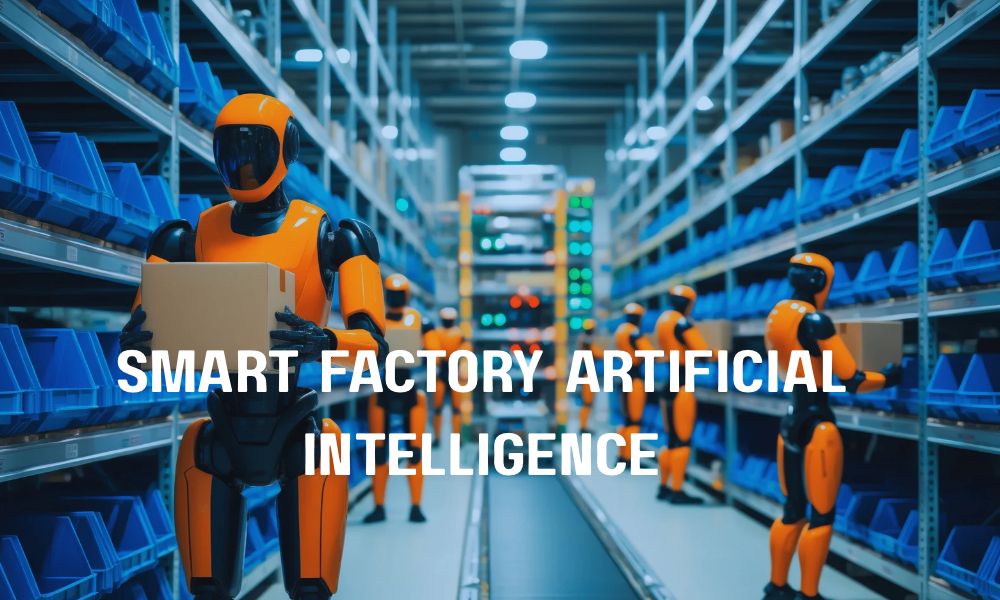
Artificial intelligence is moving beyond corporate offices and analytics dashboards into the heart of industrial operations. Manufacturers are using AI to improve production scheduling, predict equipment failures, monitor product quality, optimize energy consumption, and identify inefficiencies across plant-floor operations. However, implementing these capabilities requires more than purchasing software or installing connected equipment. It requires leadership that can connect manufacturing expertise, operational technology, data infrastructure, and business strategy.
This creates an important organizational question: who should own plant-floor AI? Should manufacturers appoint a Chief Manufacturing Technology Officer (CMTO) to oversee the broader relationship between technology and industrial operations, or should a VP of Digital Manufacturing lead the transformation?
Although these positions can share responsibilities, they are not necessarily interchangeable. Their authority, strategic focus, technical responsibilities, and reporting structures can differ significantly. Choosing the right leadership model depends on the company’s manufacturing footprint, digital maturity, automation investments, and long-term operational objectives.
Why Plant-Floor AI Needs Dedicated Executive Ownership
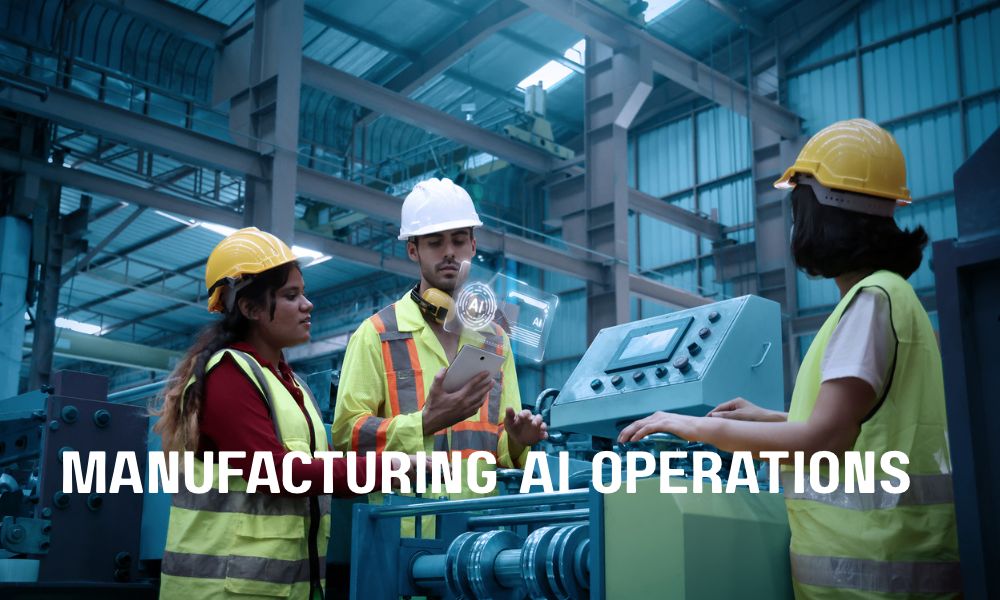
Manufacturing AI initiatives frequently involve several departments. Operations teams understand production requirements, engineering teams manage equipment and processes, IT oversees enterprise systems, and operational technology (OT) specialists maintain industrial control environments. Data and analytics teams may develop models, while quality and maintenance departments provide essential operational knowledge.
Without clear ownership, these groups can pursue separate technology initiatives that fail to create a connected manufacturing strategy. A predictive maintenance project may operate independently from production planning. Quality analytics may not integrate with manufacturing execution systems. Meanwhile, plant managers may struggle to determine who is accountable for adoption, performance, and return on investment.
Dedicated executive leadership helps connect these activities. The responsible leader must establish priorities, coordinate resources, manage technology investments, and ensure that AI initiatives solve measurable operational problems.
Moving From Technology Pilots to Operational Results
Manufacturers can demonstrate the potential of AI through individual pilot projects, but scaling successful applications across multiple facilities is more difficult. A model that performs well in one plant may require adjustments before deployment at another facility because of differences in equipment, production processes, data quality, and workforce practices.
Executive ownership is necessary to establish common standards while allowing individual facilities to address their operational requirements. Leaders must also ensure that technology investments are supported by training, cybersecurity, system integration, and ongoing performance monitoring.
What Does a Chief Manufacturing Technology Officer Do?
A Chief Manufacturing Technology Officer is a senior executive responsible for aligning manufacturing technology with the organization’s broader industrial and business strategy. The position typically combines manufacturing knowledge, enterprise technology leadership, automation strategy, and digital transformation oversight.
The CMTO’s mandate extends beyond deploying individual AI tools. This executive helps determine how technology should reshape manufacturing capabilities, how different facilities should connect, and how the organization can use data to improve performance across its production network.
Core Responsibilities of a CMTO
- Enterprise manufacturing technology strategy: Establish a long-term roadmap for industrial automation, AI, connected equipment, and digital manufacturing systems.
- Technology architecture: Coordinate manufacturing execution systems (MES), enterprise resource planning (ERP), industrial IoT platforms, data infrastructure, and other connected technologies.
- AI investment governance: Prioritize use cases based on operational value, technical feasibility, risk, and scalability.
- IT and OT alignment: Improve collaboration between enterprise technology teams and plant-floor engineering functions.
- Cybersecurity coordination: Ensure that connected manufacturing environments are developed with appropriate security, access controls, and operational resilience.
- Enterprise transformation: Lead technology programs that affect multiple facilities, business units, and manufacturing processes.
- Performance accountability: Connect technology investments to measurable improvements in productivity, quality, reliability, and cost.
A CMTO is particularly valuable when manufacturing technology decisions have become enterprise-wide priorities. The executive can establish consistent direction across facilities and ensure that individual technology investments support a unified operating model.
When a CMTO Makes Sense
A dedicated CMTO may be appropriate for manufacturers operating multiple plants, managing complex automation environments, or investing heavily in industrial AI. Companies undergoing significant digital transformation may also benefit from an executive who can coordinate technology decisions across operations, engineering, IT, and OT.
For example, a manufacturer planning to connect production data across several facilities may need centralized leadership to establish common architecture, integration standards, cybersecurity requirements, and AI deployment priorities.
The position is less likely to be necessary when the company has a relatively simple manufacturing footprint and its technology requirements can be managed effectively through an existing operations or technology leadership structure.
What Does a VP of Digital Manufacturing Do?
A VP of Digital Manufacturing generally focuses on translating digital strategy into practical manufacturing improvements. This executive leads the development and implementation of digital capabilities across production environments, helping facilities adopt connected systems, automation, analytics, and AI-enabled processes.
While a CMTO may oversee the broader manufacturing technology direction, a VP of Digital Manufacturing is often closer to implementation, plant-level adoption, and operational transformation.
Core Responsibilities of a VP of Digital Manufacturing
- Digital manufacturing execution: Lead programs involving connected factories, digital workflows, and integrated production systems.
- Plant-floor AI adoption: Coordinate the implementation of predictive maintenance, computer vision, process optimization, and production analytics.
- Manufacturing systems integration: Improve connections between MES, industrial IoT platforms, production equipment, and enterprise applications.
- Operational performance: Work with plant leaders to identify production bottlenecks, reduce downtime, and improve throughput.
- Workforce adoption: Support training, change management, and the development of digital capabilities among manufacturing employees.
- Continuous improvement: Use operational data to identify opportunities for quality improvement, waste reduction, and process consistency.
- Project delivery: Manage implementation timelines, budgets, technology partners, and deployment performance.
The VP of Digital Manufacturing must understand how technology interacts with actual production processes. A successful implementation requires cooperation with plant managers, manufacturing engineers, maintenance specialists, quality teams, and IT professionals.
When a VP of Digital Manufacturing Makes Sense
This position is often suitable for manufacturers that have established enterprise technology leadership but need a dedicated executive to accelerate digital adoption within production environments.
For example, a company may already have a CIO responsible for enterprise systems and cybersecurity. However, it may lack an executive who can lead the rollout of industrial IoT, digital production monitoring, AI-based quality inspection, and connected manufacturing workflows. A VP of Digital Manufacturing can fill that leadership gap.
CMTO vs. VP of Digital Manufacturing: Key Differences
Both executives can influence plant-floor AI, but their responsibilities often differ in scope and organizational authority. The CMTO typically focuses on enterprise manufacturing technology strategy, while the VP of Digital Manufacturing concentrates on implementing digital capabilities and improving production performance.
| Leadership Area | Chief Manufacturing Technology Officer | VP of Digital Manufacturing |
|---|---|---|
| Primary Focus | Enterprise manufacturing technology strategy. | Digital manufacturing execution and adoption. |
| Strategic Scope | Multiple facilities, business units, and technology platforms. | Plant-level and network-wide digital transformation programs. |
| AI Responsibility | Sets investment priorities, governance, and enterprise direction. | Leads implementation and operational integration of AI applications. |
| Technology Architecture | Oversees broader manufacturing technology architecture. | Coordinates systems and solutions used in digital production environments. |
| Operational Engagement | Aligns technology with enterprise manufacturing strategy. | Works closely with plant leaders and engineering teams. |
| Typical Priorities | Technology strategy, integration, governance, scalability, and investment. | Automation adoption, production analytics, process improvement, and deployment. |
| Organizational Position | May report to the CEO, COO, or another senior enterprise executive. | Often reports to the COO, CMTO, or senior manufacturing leader. |
These distinctions are not universal job-title rules. Organizations define executive responsibilities differently, and some manufacturers combine elements of both positions under one leader. The important consideration is whether the company has clearly assigned accountability for strategy, implementation, and operational results.
Who Should Own Plant-Floor AI?
The answer depends on the organization’s size, technology maturity, and manufacturing strategy. Neither title automatically guarantees effective AI leadership. The right executive is the person who can connect technology investment with operational requirements and deliver measurable business value.
Choose a CMTO for Enterprise-Wide Transformation
A CMTO is generally the stronger option when the company needs centralized manufacturing technology leadership. This may include standardizing systems across multiple plants, coordinating IT and OT architecture, establishing AI governance, and managing a large portfolio of industrial technology investments.
The role is especially relevant when manufacturing technology decisions affect enterprise competitiveness, capital allocation, cybersecurity, and long-term production strategy.
Choose a VP of Digital Manufacturing for Implementation and Adoption
A VP of Digital Manufacturing may be the better choice when the company has already established its broader technology direction but needs an executive to translate that strategy into plant-level results.
This leader can coordinate implementation teams, work with plant managers, improve digital workflows, and ensure that AI solutions are adopted by employees who rely on them during daily operations.
Consider Both Roles in Large Manufacturing Organizations
Large manufacturers with complex operations may require both positions. The CMTO can establish enterprise priorities and technology governance, while the VP of Digital Manufacturing leads deployment across facilities.
For this structure to work, decision rights must be clearly defined. The CMTO should not become disconnected from implementation realities, and the VP should not independently introduce systems that conflict with enterprise architecture or security requirements.
The Skills Required to Lead Industrial AI Successfully
Regardless of title, the executive responsible for plant-floor AI needs a combination of manufacturing knowledge, technology expertise, strategic judgment, and change leadership. A purely technical background may not be enough to manage the organizational complexity of industrial transformation.
Manufacturing and Engineering Knowledge
Executives should understand production environments, industrial automation, manufacturing processes, equipment reliability, and quality management. Familiarity with industrial control systems and operational technology is particularly valuable because AI applications must operate safely and reliably within real production environments.
AI, Data, and Systems Integration
Leaders should understand the capabilities and limitations of machine learning, computer vision, predictive analytics, and industrial data platforms. They should also know how manufacturing data is collected, validated, integrated, and used in operational decisions.
Experience with MES, ERP, industrial IoT, and manufacturing analytics can help candidates assess whether proposed AI applications are technically feasible and scalable.
Building the Right Leadership Structure for Scalable Smart Factories
As manufacturers expand their AI capabilities, leadership structures should evolve alongside technology maturity. A company beginning its digital journey may need one senior executive to coordinate manufacturing technology and implementation. A larger organization may eventually require separate strategic and execution leaders.
The structure should establish clear accountability for several critical areas:
- Enterprise manufacturing technology strategy and investment priorities.
- Industrial AI architecture, data standards, and integration.
- Plant-level implementation and technology adoption.
- Cybersecurity, operational risk, and technology governance.
- Workforce training and digital capability development.
- Measurement of operational and financial results.
Manufacturers should also define how these responsibilities interact with the CIO, COO, plant managers, engineering leaders, and other executives. Clear reporting relationships reduce duplication and help ensure that AI initiatives remain connected to production priorities.
For a deeper look at the executive capabilities needed to move industrial AI beyond experimentation, manufacturers can also explore the leadership profile required to scale smart factory initiatives.
Conclusion: Assign Plant-Floor AI to the Leader Who Can Deliver Results
Plant-floor AI requires leadership that understands both industrial technology and manufacturing performance. A Chief Manufacturing Technology Officer is generally best suited to enterprise-wide manufacturing technology strategy, governance, and long-term transformation. A VP of Digital Manufacturing is often better positioned to lead implementation, plant-level adoption, and operational improvement.
For large and technologically advanced manufacturers, both roles may be necessary. The CMTO can establish the strategic direction while the VP of Digital Manufacturing turns that direction into practical results across production facilities.
Ultimately, the right appointment depends on the company’s manufacturing complexity, digital maturity, and transformation objectives. Manufacturers should define the responsibilities clearly, assess candidates against measurable outcomes, and recruit executives who can connect AI investment with real operational value.
Organizations looking to strengthen their manufacturing technology leadership can explore JRG Partners’ Smart Factory & Industrial AI Executive Search Firm for specialized executive recruitment support across industrial AI, digital manufacturing, automation, and smart factory leadership.

Tanya Gallardo
Managing Director, Executive Search & AI Talent Strategy
Tanya Gallardo is the Managing Director of Executive Search & AI Talent Strategy at JRG Partners, leading C-suite and Board engagements across key growth sectors including Technology, Financial Services, and Manufacturing.
With over 18 years of experience specializing in disruptive technology leadership, Tanya is recognized as a leading authority on talent architecture for future-focused executive roles, such as the Chief AI Officer (CAIO) and Chief Digital Officer (CDO). Her expertise lies in accurately assessing the cultural fit and technical depth required to ensure a high return on investment (ROI) for critical leadership appointments.
Prior to her role at JRG Partners, Tanya held senior roles directing global talent acquisition strategies at a major publicly-traded technology firm, advising on organizational design and succession planning for emerging executive functions. She is a recognized speaker and contributor to industry events, sharing data-driven insights on executive compensation, leadership development, and the measurable business impact of C-suite talent.
