


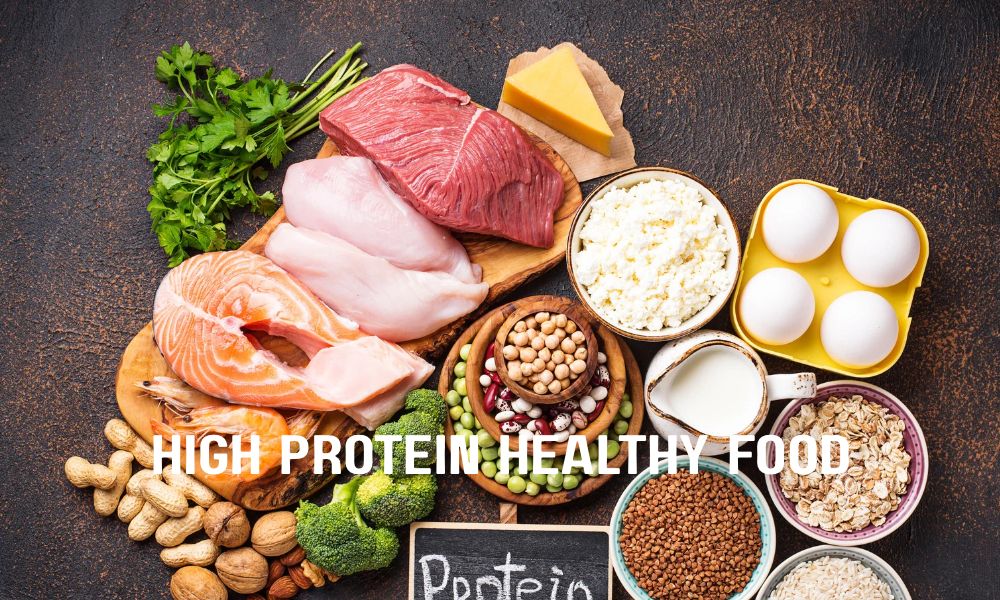
The consumer packaged goods (CPG) industry is navigating a structural disruption that threatens the foundations of traditional volume-based growth. The rapid proliferation of GLP-1 weight-loss medications (such as Ozempic and Wegovy) has fundamentally altered consumer metabolic behaviour. As millions of consumers experience chemically induced satiety and delayed gastric emptying, the era of mindless, high-volume snacking is coming to an abrupt end. Consumers are eating less, but they are eating with acute intention—demanding dense nutritional profiles, primarily high protein and functional fibres, packaged in significantly smaller portions.
This “End of More” presents a massive commercial threat to legacy food and beverage brands that rely on large pack sizes and empty calories to drive revenue. If overall consumption volumes drop by 15% to 20% among a core demographic, CPG companies cannot simply accept a corresponding drop in gross margin. The solution lies in a radical overhaul of Price-Pack Architecture (PPA) and premium product innovation. Brands must learn to sell less volume at a higher margin by delivering superior nutritional density.
However, executing this pivot requires a level of cross-functional executive leadership that most traditional CPG organisations currently lack. Bridging the gap between hardcore food science (higher protein formulation) and advanced commercial strategy (smaller, margin-accretive pack sizing) requires elite, visionary talent. This comprehensive guide outlines how corporate boards and private equity sponsors can identify, evaluate, and recruit the Product Innovation and Revenue Growth Management (RGM) leaders necessary to dominate the GLP-1 era.
1. The GLP-1 Commercial Pivot: Premiumising the Smaller Portion
Historically, CPG brands drove margin expansion by “upsizing”—convincing consumers to buy the “family size” for a perceived value, which efficiently absorbed manufacturing and packaging costs. The GLP-1 consumer actively rejects the family size. They want single-serve, portion-controlled formats that prevent food waste and align with their reduced appetite. Furthermore, because a significant portion of weight lost on GLP-1s is lean muscle mass, these consumers are frantically seeking high-quality protein to protect their bodies.
To survive, brands must pivot to premiumisation. If a consumer is only going to eat a 100-gram snack instead of a 250-gram snack, that 100-gram snack must be packed with premium functional ingredients (protein, prebiotics, low-glycemic sweeteners) that justify a higher price per ounce. This requires an intricate dance between R&D (formulating the dense nutrition) and RGM (pricing the new pack size so that it protects overall enterprise EBITDA).
2. Key Executive Archetypes for the GLP-1 Era
Successfully redesigning a portfolio’s Price-Pack Architecture to meet the GLP-1 consumer demands specialised leadership that breaks down traditional corporate silos.
A. Chief Revenue Growth Officer (The PPA Architect)
This executive dictates the commercial mathematics of the portfolio. They determine exactly what size the new package should be and what the consumer is willing to pay for the functional upgrade.
- Core Strengths: Consumer elasticity modelling, Price-Pack Architecture (PPA), threshold pricing strategy, and retail Joint Business Planning (JBP).
- Ideal Background: A highly analytical commercial leader who understands how to drive net revenue realisation (NRR) without relying on traditional volume-driving trade promotions.
B. VP of Product Innovation & R&D (The Functional Formulator)
While the CRGO determines the package size and price, this executive must physically create the product. They must solve the profound chemical challenges of packing high protein into smaller, highly palatable formats.
- Core Strengths: Protein masking, clean-label formulation, sensory science, and functional ingredient sourcing.
- Ideal Background: A credentialed food scientist with deep commercial acumen, capable of pushing past the “formulation ceiling” where too much protein ruins product texture and mouthfeel.
C. VP of Commercialisation & Packaging Engineering (The Scaling Engine)
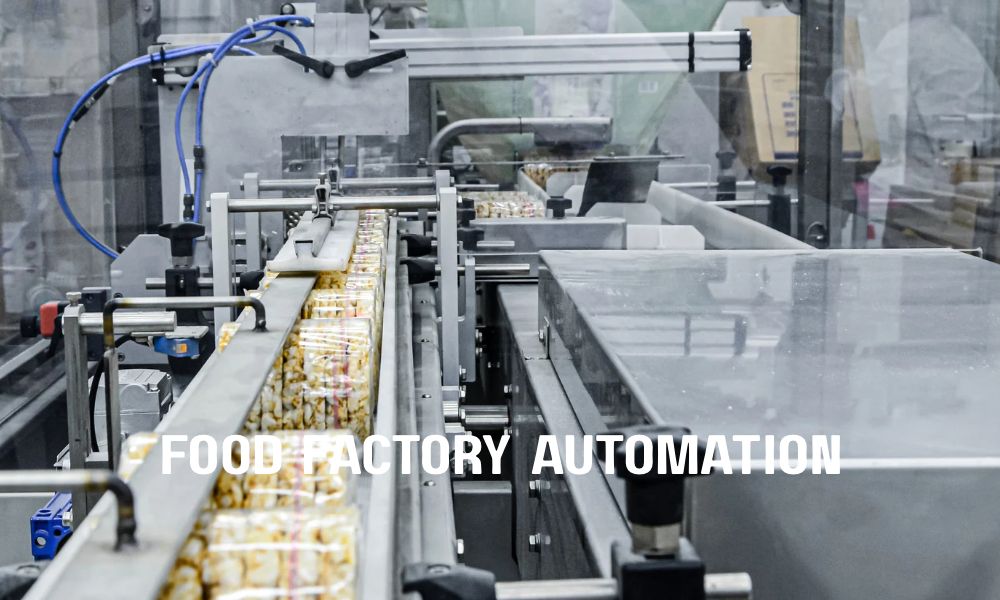
Changing a pack size sounds simple in a boardroom, but it often wreaks havoc on a manufacturing floor. This executive ensures the new, smaller packs can be produced efficiently at high speeds.
- Core Strengths: Packaging engineering, contract manufacturer (Co-Man) qualification, CapEx equipment procurement, and COGS optimisation.
- Ideal Background: A technical operations expert who understands the tooling and capital expenditure required to transition legacy bagging or bottling lines to new, portion-controlled formats.
3. Critical Competencies to Demand in Product and PPA Leadership
When evaluating candidates to lead a GLP-1 portfolio pivot, search committees must rigorously test their ability to harmonise food science with advanced commercial strategy:
1. Designing Margin-Accretive “Magic Price Points”
As pack sizes shrink and functional ingredient costs (like premium whey or pea protein) rise, margins can easily compress. The RGM leader must be adept at establishing “magic price points” (e.g., keeping a single-serve protein snack just under the psychological $2.99 or $3.49 threshold in convenience channels) that consumers will accept for a functional, “Better-for-You” upgrade, thereby expanding gross margins despite the volume drop.
2. Overcoming the “Protein Penalty” in Formulation
Adding high levels of protein to a snack frequently results in dry textures and bitter, chalky off-notes. The R&D leader must possess the advanced sensory expertise to integrate novel protein sources (or blend plant and dairy proteins) seamlessly, ensuring the smaller portion remains an indulgent experience rather than a medicinal chore.
3. Cross-Functional Agility and Retailer Diplomacy
A new Price-Pack Architecture must be sold to the retailer. The executive team must operate in lockstep during Joint Business Planning (JBP) sessions, convincing major buyers at retailers like Walmart or Target that replacing a high-volume legacy SKU with a smaller, premium functional SKU will ultimately grow the entire category’s profit pool.

4. The GLP-1 PPA & Product Leadership Scorecard: 5 Vetting Domains
To ensure objective assessment across the executive interview process, search committees should score every finalist across five distinct operational domains utilising a structured rubric:
| Evaluation Domain | Critical Core Competencies | Sample Board Interview Question |
|---|---|---|
| 1. Price-Pack Architecture (PPA) | Consumer elasticity, threshold pricing, margin-accretive downsizing, channel-specific sizing. | “Walk us through a time you successfully reduced a product’s pack size to protect margins. How did you manage the consumer communication and retail buyer pushback to avoid being accused of ‘shrinkflation’?” |
| 2. Functional Formulation | Protein masking, clean-label formulation, texture optimisation, alternative sweeteners. | “How have you historically pushed past the formulation ceiling when attempting to pack 15+ grams of protein into a single-serve, low-sugar format without ruining the mouthfeel?” |
| 3. Packaging Engineering & CapEx | Packaging line retooling, Co-Man qualification, sustainable packaging integration, speed-to-market. | “Transitioning from a bulk bag to a premium single-serve format requires new packaging lines. Describe your strategy for managing the CapEx and Co-Man negotiations required to execute this shift quickly.” |
| 4. Retailer JBP & Category Strategy | Buyer negotiation, category profit pool modelling, trade spend reallocation. | “How do you leverage RGM and consumer data during Joint Business Planning (JBP) to convince a buyer that allocating shelf space to our smaller, premium pack will drive higher category EBITDA than a legacy volume brand?” |
| 5. Cross-Functional Change Management | Aligning R&D with Finance, overcoming organisational friction, speed-to-market acceleration. | “R&D and Finance frequently clash over the cost of premium functional ingredients. How do you anchor the team in commercial reality to ensure the final product is both highly functional and margin-accretive?” |
5. Compensation Strategies to Attract Elite PPA & Product Talent
The executives capable of successfully orchestrating a GLP-1 portfolio pivot are exceptionally rare. They are highly commercial, quantitatively rigorous, and deeply entrenched in their current roles. Traditional, standard-increment compensation packages will fail to extract them.
To secure top-tier leadership, organisations must structure aggressive, performance-aligned offers:
- Base Compensation: Base salaries for VP and C-level RGM, R&D, or Innovation executives typically range from $250,000 to $450,000+, scaling heavily alongside the organisation’s revenue complexity and the urgency of the portfolio pivot.
- Performance-Linked Annual Incentives (STI): Annual cash bonuses (typically 40% to 75% of base) must be tied strictly to hard commercial metrics: Net Revenue Realisation (NRR), successful on-time launches of new PPA formats, and gross margin expansion.
- Long-Term Equity (LTI): To attract true visionary talent, these executives must participate in the equity stack. Restricted Stock Units (RSUs) or Profits Interest Units (PIUs) in PE-backed environments align their wealth creation directly with the enterprise value they are helping to rebuild.
- Make-Whole Provisions: Top commercial and R&D leaders are heavily locked in by unvested equity tied to multi-year innovation pipelines. Hiring companies must aggressively utilise sign-on bonuses to “make whole” the candidate for the deferred compensation they forfeit by moving.

Conclusion
The adoption of GLP-1 medications has accelerated the “End of More.” As consumers demand smaller portions and higher protein, CPG companies can no longer rely on volume-driven legacy portfolios. Surviving this metabolic shift requires a surgical overhaul of Price-Pack Architecture and a masterclass in functional food formulation. The executives who can harmonise these two disciplines—pricing the smaller pack for premium margins while delivering uncompromising nutritional density—are the most valuable assets in the modern CPG landscape.
Identifying, rigorously vetting, and successfully extracting these rare commercial and scientific leaders requires deep operational fluency and a highly targeted recruitment methodology. Generalist recruiters lack the technical vocabulary to evaluate complex PPA strategy or advanced protein formulation. By partnering with a dedicated GLP-1 & Food Innovation Executive Search Firm, corporate boards, CEOs, and private equity sponsors gain the proprietary market intelligence, technical vetting rigour, and discreet execution required to secure the visionaries who will architect their brand’s profitable future in a lower-volume world.
Frequently Asked Questions (FAQs)
1. How does Price-Pack Architecture (PPA) differ from simple “shrinkflation”?
Shrinkflation is a deceptive practice where a company reduces the volume of a product while keeping the price and formulation exactly the same, often alienating consumers. Strategic PPA involves redesigning the pack size to meet a specific consumer need (e.g., portion control for GLP-1 users) while simultaneously upgrading the product’s value proposition—such as adding high-quality protein or functional fibres—to explicitly justify a premium price per ounce.
2. Why is protein so difficult to formulate into smaller snack formats?
Proteins, particularly plant-based proteins like pea or soy, have distinct functional properties that can severely alter a product’s structure. High protein loads can cause a snack to become excessively dry, chalky, or bitter. Pushing a high volume of protein into a smaller portion requires advanced masking technologies, moisture-migration controls, and complex extrusion processes to maintain a pleasant sensory experience.
3. How long does an executive search for a CRGO or VP of Product Innovation take?
A rigorous, retained executive search for a C-suite RGM or Innovation leader generally requires 12 to 16 weeks. This timeline accounts for deep market mapping, confidentially extracting passive candidates from competitors, rigorous multi-stage technical vetting across complex pricing and formulation models, and complex compensation negotiations.
4. What role does packaging engineering play in a GLP-1 portfolio pivot?
Changing a pack size from a 250-gram sharing bag to a 50-gram single-serve functional pouch requires entirely different packaging machinery, barrier films, and filling speeds. A VP of Commercialisation must manage the capital expenditure (CapEx) to retool internal manufacturing lines or source external Contract Manufacturers (Co-Mans) capable of handling the new formats efficiently.
5. What is a major red flag when interviewing an RGM executive for a PPA role?
A critical warning sign is an executive who approaches PPA purely as a mathematical exercise on a spreadsheet, without considering consumer perception or retail reality. If they suggest aggressive downsizing without a plan for functional premiumisation, or if they lack a clear strategy for navigating the difficult Joint Business Planning (JBP) conversations with retailers, they will fail to execute the strategy in the real world.

Tanya Gallardo
Managing Director, Executive Search & AI Talent Strategy
Tanya Gallardo is the Managing Director of Executive Search & AI Talent Strategy at JRG Partners, leading C-suite and Board engagements across key growth sectors including Technology, Financial Services, and Manufacturing.
With over 18 years of experience specializing in disruptive technology leadership, Tanya is recognized as a leading authority on talent architecture for future-focused executive roles, such as the Chief AI Officer (CAIO) and Chief Digital Officer (CDO). Her expertise lies in accurately assessing the cultural fit and technical depth required to ensure a high return on investment (ROI) for critical leadership appointments.
Prior to her role at JRG Partners, Tanya held senior roles directing global talent acquisition strategies at a major publicly-traded technology firm, advising on organizational design and succession planning for emerging executive functions. She is a recognized speaker and contributor to industry events, sharing data-driven insights on executive compensation, leadership development, and the measurable business impact of C-suite talent.
