


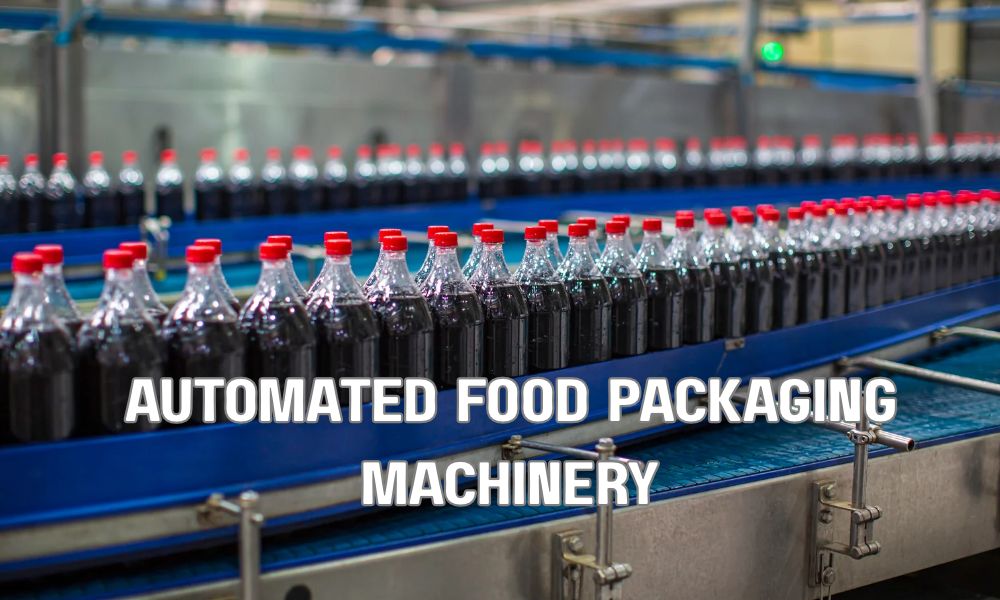
Food and beverage manufacturers are under increasing pressure to improve production efficiency, maintain rigorous sanitation standards, and manage persistent workforce challenges. Automation offers opportunities to address these priorities through robotics, intelligent packaging systems, automated inspection, and connected manufacturing technologies. However, selecting and implementing the right solutions requires more than technical expertise. It requires executive leadership that understands the operational realities of food production.
A Vice President of Automation can play a central role in connecting manufacturing strategy with technology investment. This executive is responsible for identifying automation opportunities, evaluating equipment and integration requirements, coordinating engineering teams, and ensuring that technology delivers measurable operational improvements.
Hiring the right VP of Automation is particularly important in food manufacturing because equipment must operate within demanding production environments. Sanitary design, frequent cleaning, product variability, temperature conditions, production changeovers, and employee safety can all influence automation decisions.
Manufacturers must therefore look beyond candidates with general robotics or industrial automation experience. They need leaders who can balance engineering performance, food safety requirements, labor strategy, capital investment, and long-term return on investment.
Why Food Manufacturers Need Dedicated Automation Leadership
Automation projects often begin with individual operational challenges. A plant may want to automate palletizing, reduce manual packaging activities, improve product inspection, or introduce robotic handling. While these projects can deliver value, implementing them independently can result in disconnected systems and inconsistent technology standards.
A VP of Automation provides a coordinated approach. This executive develops an automation roadmap that connects individual projects to broader manufacturing objectives, including production capacity, labor utilization, quality, reliability, and cost control.
Managing Increasing Production Complexity
Food plants frequently handle different product formats, packaging configurations, production volumes, and processing requirements. Equipment must accommodate these variations without creating excessive downtime or complicated changeover procedures.
Automation leaders must understand how robotic systems, conveyors, packaging equipment, sensors, and production controls interact. They should also evaluate whether a proposed solution can support future product introductions and changes in manufacturing demand.
Addressing Workforce Availability and Retention
Manufacturers may face recruitment and retention challenges in repetitive, physically demanding, or difficult production roles. Packaging, palletizing, material movement, and selected processing activities can require sustained manual effort.
Automation can reduce the need for employees to perform certain repetitive tasks, but it does not eliminate the need for skilled workers. Plants still require technicians, controls engineers, maintenance specialists, operators, and supervisors who can manage automated environments.
The VP of Automation must therefore connect equipment investment with workforce planning. This includes identifying which tasks should be automated, determining the technical skills required afterward, and developing training programs that prepare employees for changing responsibilities.
Why Sanitary Design Is Essential When Hiring an Automation Executive
Food manufacturing environments introduce requirements that distinguish them from many other industrial settings. Equipment must be appropriate for the product, production process, cleaning method, and surrounding environment.
Sanitary design should be considered during equipment selection and engineering rather than treated as a final inspection requirement. Automation leaders must work closely with food safety, quality, sanitation, engineering, and operations teams to ensure that new systems support the plant’s hygiene and operational requirements.
Equipment Materials and Surface Design
Materials used in food production equipment must be appropriate for the application and compatible with relevant cleaning and sanitation procedures. Equipment surfaces, joints, fasteners, and structural components should be evaluated for potential contamination risks and ease of cleaning.
Automation executives should understand how equipment design affects sanitation access, residue accumulation, corrosion resistance, and long-term maintenance. They must also ensure that suppliers provide equipment suitable for the intended food production environment.
Washdown and Cleaning Requirements
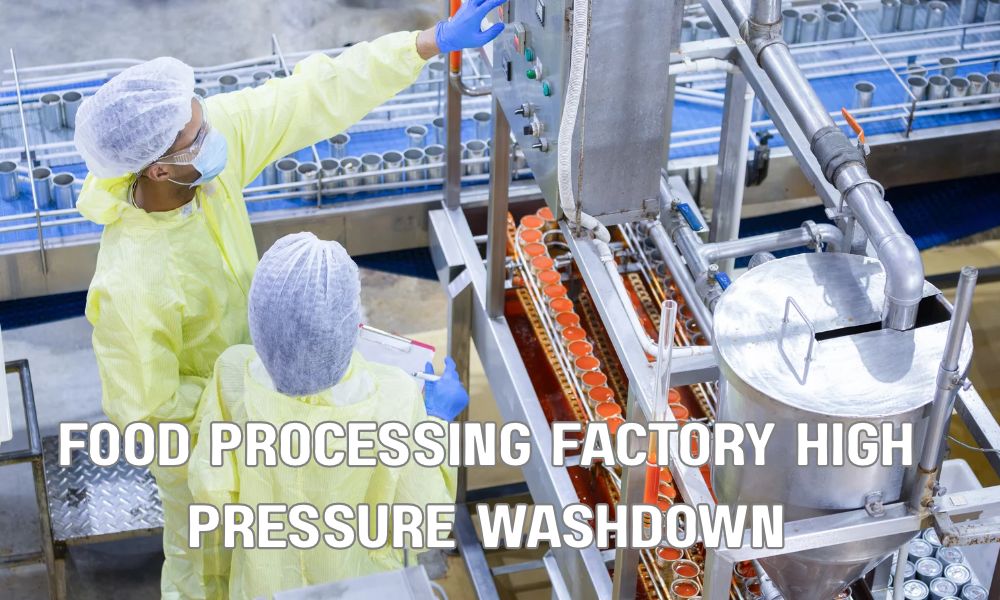
Some food manufacturing operations require frequent washdowns or other intensive cleaning procedures. Robotics, sensors, electrical components, enclosures, and control systems must be selected according to the environmental conditions in which they will operate.
Engineering leaders should evaluate equipment protection, cable routing, drainage, accessibility, and maintenance requirements. A robotic system that performs well during production but is difficult to clean or maintain can create operational problems.
Cleaning procedures should be validated by the appropriate food safety and sanitation specialists. The automation executive’s responsibility is to ensure that equipment design and integration support those established requirements.
Hygienic Equipment Integration
Sanitary design extends beyond the robot itself. Conveyors, product guides, fixtures, grippers, sensors, guarding, and supporting structures can all affect cleaning and contamination control.
For example, a robotic pick-and-place system may require specialized end-of-arm tooling to handle delicate or irregular food products. The tooling must be appropriate for the product and the operating environment while supporting the required cleaning procedures.
Candidates should demonstrate that they understand the full production cell rather than focusing exclusively on robotic performance specifications.
How Labor Gaps Are Changing Automation Leadership Requirements
Labor challenges are influencing how food manufacturers prioritize automation investments. Companies are looking for ways to improve productivity, reduce physically demanding work, and maintain consistent production despite difficulties recruiting for certain positions.
However, the relationship between automation and labor is more complicated than simply replacing manual tasks. Successful implementation requires workforce planning, technical training, and changes to production responsibilities.
Identifying the Right Tasks to Automate
Not every manual task should be automated. Some activities may involve frequent product variation, unpredictable handling requirements, or low production volumes that make automation difficult to justify.
A strong VP of Automation evaluates potential applications based on several factors:
- Repetitiveness and physical demands of the task.
- Production volume and required operating speed.
- Product consistency and handling characteristics.
- Available space and facility layout.
- Integration requirements with existing equipment.
- Safety, sanitation, and quality considerations.
- Total investment and expected operational benefits.
This assessment helps manufacturers avoid investing in technology that does not address a meaningful operational constraint.
Developing a More Technically Skilled Workforce
Automated production environments require employees who can monitor equipment, interpret system alerts, perform basic troubleshooting, and coordinate maintenance activities. More advanced systems may require specialized controls and robotics technicians.
The VP of Automation should work with human resources, engineering, and plant operations to identify future workforce requirements. Training programs may cover robotics operation, PLC troubleshooting, equipment diagnostics, preventive maintenance, and digital production systems.
Leaders should also involve employees during implementation. Operators and maintenance technicians often understand production problems that may not be visible during an engineering assessment. Their feedback can help identify practical design improvements before equipment is fully deployed.
What a VP of Automation Should Be Responsible For
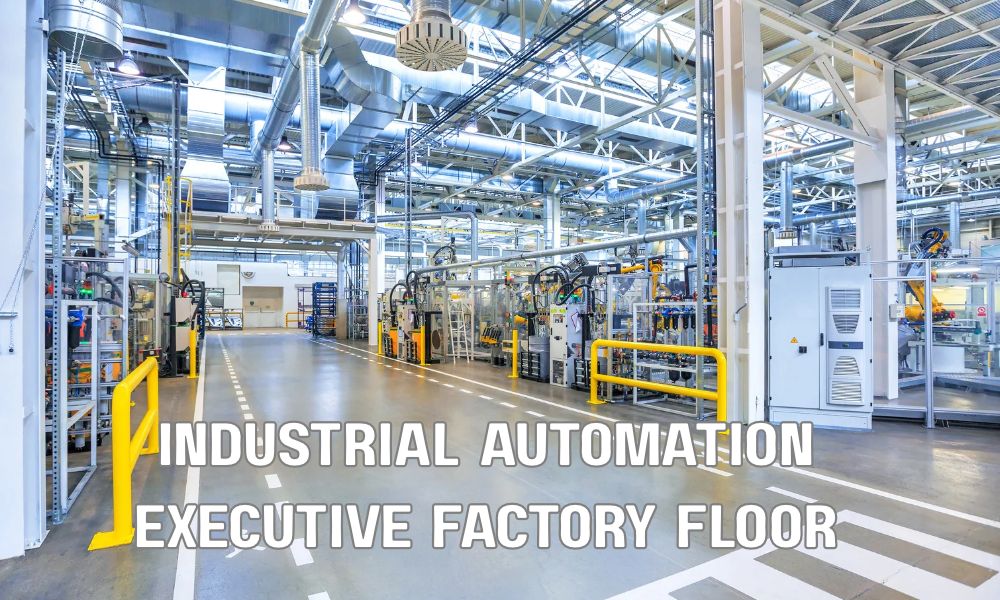
The responsibilities of a VP of Automation vary according to the company’s size and manufacturing structure. In a single-plant organization, the executive may lead a focused automation program. In a multi-facility business, the role may include enterprise-wide standards, capital planning, and coordination across several engineering teams.
Core responsibilities typically include:
- Automation strategy: Develop a roadmap covering robotics, packaging automation, material handling, inspection, and production systems.
- Capital project leadership: Evaluate investment opportunities and manage equipment selection, installation, commissioning, and implementation.
- Engineering integration: Coordinate robotics, PLCs, sensors, machine vision, conveyors, and manufacturing systems.
- Sanitary design coordination: Ensure automation projects account for cleaning, hygiene, product handling, and applicable food safety requirements.
- Labor and workforce planning: Identify changing skill requirements and support employee training.
- Equipment reliability: Establish maintenance strategies, technical support arrangements, and performance monitoring.
- Financial accountability: Measure investment performance against operational and financial objectives.
- Team development: Build engineering, controls, automation, and maintenance capabilities.
The executive should also establish clear working relationships with the COO, plant managers, quality leadership, procurement, finance, and IT. Automation decisions affect multiple functions, and successful implementation depends on shared ownership.
How to Evaluate the ROI of Food Plant Automation
Return on investment is one of the most important considerations when evaluating automation projects. However, manufacturers should avoid measuring success only through the number of employees assigned to a process before and after installation.
A complete business case should consider productivity, quality, reliability, safety, operating expenses, and the cost of maintaining the technology throughout its useful life.
Calculate the Total Cost of Ownership
The initial equipment price represents only part of the investment. A realistic automation budget should account for:
- Robots, tooling, conveyors, sensors, and supporting equipment.
- Electrical, mechanical, and facility modifications.
- Controls engineering and systems integration.
- Safety systems, guarding, and risk assessments.
- Installation, commissioning, and production testing.
- Employee training and change management.
- Maintenance, spare parts, software, and technical support.
- Potential production disruption during implementation.
The VP of Automation should work with finance and operations to ensure that all relevant costs are included in the business case.
Measure Operational Improvements
Automation projects should have clear performance baselines before implementation. These measures help determine whether the new system is delivering the expected benefits.
Useful indicators include:
- Throughput: Units or cases produced during a defined period.
- Labor productivity: Production output relative to labor hours.
- Unplanned downtime: Time lost because of equipment failures or process interruptions.
- Quality performance: Defect rates, rejected products, scrap, and rework.
- Changeover performance: Time required to switch between products or packaging formats.
- Equipment effectiveness: Availability, performance, and quality measures used in overall equipment effectiveness calculations.
- Maintenance costs: Parts, service, labor, and corrective maintenance expenses.
These measures should be interpreted together. Increasing production speed may not represent a successful outcome if defect rates, downtime, or maintenance expenses also increase.
Conclusion: Hire an Automation Leader Who Understands the Entire Food Plant
Automation can help food manufacturers address labor challenges, improve production consistency, strengthen material handling, and increase operational efficiency. However, successful implementation depends on selecting technologies that work within the realities of food production.
A strong VP of Automation must understand robotics and controls while also appreciating sanitary design, cleaning requirements, workforce development, equipment reliability, and financial performance. The executive must be able to build an automation roadmap, manage complex capital projects, and demonstrate that technology investments deliver measurable business value.
Manufacturers should therefore evaluate candidates on more than technical credentials. They should look for proven experience leading automation projects in demanding production environments, coordinating cross-functional teams, and delivering improvements that remain sustainable after commissioning.
Organizations seeking experienced engineering and automation executives can explore JRG Partners’ Food & Beverage Automation & Robotics Executive Search Firm for specialized executive recruitment support across food manufacturing, robotics, engineering, and industrial automation.
Frequently Asked Questions
1. What does a VP of Automation do in a food manufacturing plant?
A VP of Automation develops and leads the plant’s automation strategy. Responsibilities can include robotics, packaging systems, controls integration, capital projects, equipment reliability, workforce planning, and measuring the operational and financial performance of automation investments.
2. Why is sanitary design important when selecting robotic equipment for food plants?
Sanitary design helps ensure that equipment is appropriate for the food production environment and supports established cleaning and sanitation procedures. Equipment materials, surfaces, joints, accessibility, drainage, and protection from moisture must be evaluated according to the application and applicable food safety requirements.
3. What experience should a VP of Automation have?
Strong candidates should have experience with industrial robotics, PLCs, controls systems, equipment integration, capital project management, and manufacturing operations. Experience in food and beverage production is particularly valuable because of its specific sanitation, product handling, and changeover requirements.
4. How can a food manufacturer measure the ROI of automation?
Manufacturers should compare the total investment with measurable improvements in throughput, labor productivity, downtime, quality, maintenance expenses, and other relevant operating costs. The assessment should include equipment, integration, training, commissioning, and ongoing maintenance expenses rather than considering the purchase price alone.
5. How can a VP of Automation help address labor shortages?
The executive can identify repetitive or physically demanding tasks suitable for automation, introduce appropriate robotic systems, and develop training programs for employees moving into technical and equipment-support roles. Effective automation leadership focuses on improving workforce productivity and developing new capabilities rather than treating equipment as a complete replacement for skilled employees.

Tanya Gallardo
Managing Director, Executive Search & AI Talent Strategy
Tanya Gallardo is the Managing Director of Executive Search & AI Talent Strategy at JRG Partners, leading C-suite and Board engagements across key growth sectors including Technology, Financial Services, and Manufacturing.
With over 18 years of experience specializing in disruptive technology leadership, Tanya is recognized as a leading authority on talent architecture for future-focused executive roles, such as the Chief AI Officer (CAIO) and Chief Digital Officer (CDO). Her expertise lies in accurately assessing the cultural fit and technical depth required to ensure a high return on investment (ROI) for critical leadership appointments.
Prior to her role at JRG Partners, Tanya held senior roles directing global talent acquisition strategies at a major publicly-traded technology firm, advising on organizational design and succession planning for emerging executive functions. She is a recognized speaker and contributor to industry events, sharing data-driven insights on executive compensation, leadership development, and the measurable business impact of C-suite talent.
