


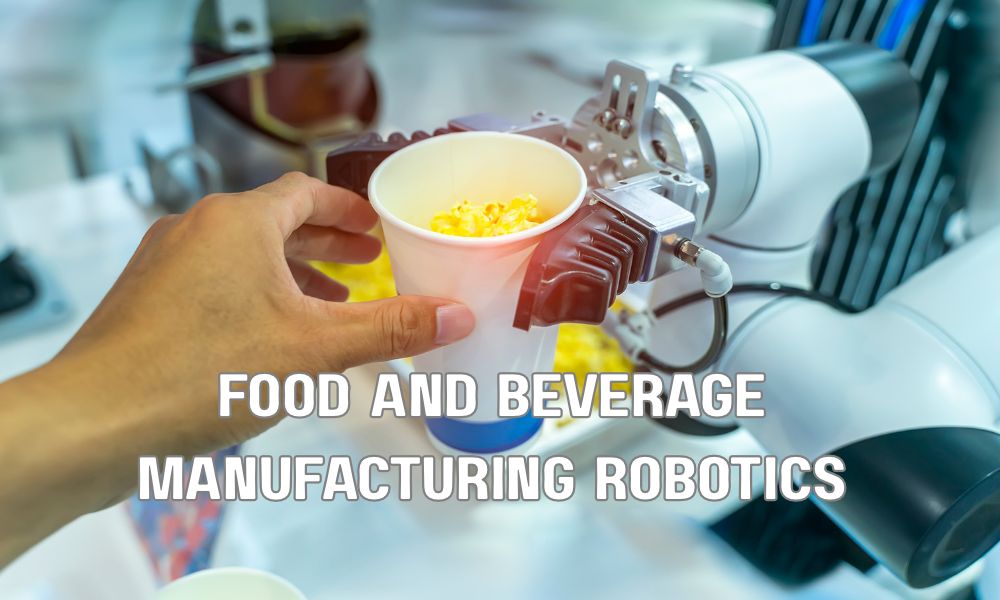
Robotics is becoming an increasingly important part of food and beverage manufacturing. From automated packaging and palletizing to robotic inspection, product handling, and material movement, manufacturers are investing in technologies that improve production efficiency, consistency, and operational flexibility. This shift is also changing the leadership capabilities required to manage modern food production facilities.
The scale of the transition is significant. According to the 2026 Robotics in US Packaging & Processing Report from PMMI, 72% of surveyed manufacturers currently use robotics, and adoption is projected to reach 95% by 2031. The report also identifies growth in the packaging and processing robotics market, reflecting manufacturers’ continued investment in automation.
For food and beverage companies, this is more than an equipment purchasing trend. Expanding robotics adoption creates new requirements across engineering, maintenance, controls, sanitation, production operations, and systems integration. Companies need engineering leaders who can evaluate automation opportunities, manage complex implementations, and connect technology investments to measurable manufacturing results.
The challenge is no longer simply finding engineers who understand industrial robots. Manufacturers need executives who can lead automation strategy, develop technical teams, manage capital investments, and ensure that robotic systems operate reliably within demanding food production environments.
Why Robotics Adoption Is Accelerating in Food and Beverage Manufacturing
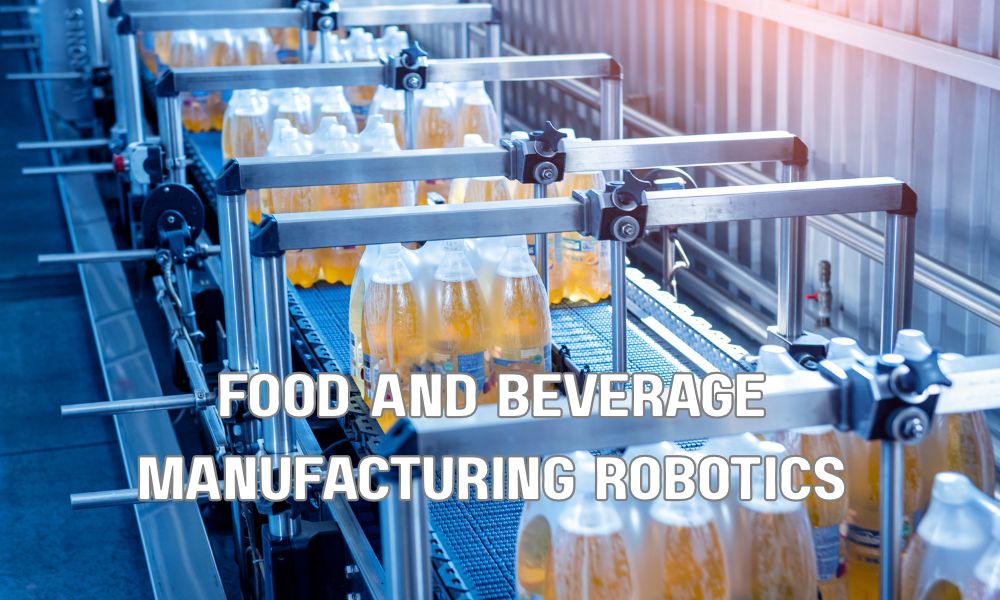
Food and beverage manufacturers face a combination of operational pressures that make automation increasingly attractive. Labor availability, production consistency, product quality, sanitation requirements, and the need to manage multiple product formats all influence investment decisions.
Robotics can help address these challenges by performing repetitive, physically demanding, or precision-intensive tasks. However, successful implementation depends on selecting applications that match the company’s production requirements and operating conditions.
Labor Availability and Workforce Challenges
Manufacturers often struggle to recruit and retain employees for repetitive, physically demanding, or difficult production tasks. Packaging, case handling, palletizing, and material movement can involve repetitive movements and sustained physical effort.
Robotic systems can automate selected activities while allowing employees to focus on machine supervision, quality checks, troubleshooting, maintenance, and other higher-value responsibilities.
Engineering leaders must understand how automation will change workforce requirements. They need to coordinate technical implementation with employee training, job redesign, and production planning rather than treating robotics as an isolated equipment upgrade.
Production Consistency and Throughput
Manual processes can introduce variations in product handling, packaging, positioning, and inspection. Robotic systems can perform programmed movements with repeatability, helping manufacturers improve consistency in suitable applications.
For example, robotic case packing and palletizing can support more consistent end-of-line operations. Automated pick-and-place systems can improve handling speed, while robotic inspection systems can help identify defects or packaging irregularities.
Engineering leaders must evaluate whether the proposed application can improve throughput without creating bottlenecks elsewhere in the production line. A faster robotic cell does not automatically increase total plant output if upstream processing or downstream packaging capacity remains constrained.
Product Quality and Food Safety
Robotics can reduce unnecessary manual handling in selected production processes and support more controlled product movement. When combined with suitable sensors and machine vision, automated systems can also assist with inspection, sorting, and process monitoring.
However, food production environments introduce specific design requirements. Equipment must be appropriate for the application, compatible with cleaning procedures, and designed to minimize contamination risks. Engineering teams must consider hygienic design, material compatibility, accessibility, drainage, and sanitation requirements before selecting equipment.
Where Robotics Is Creating Opportunities Across Food and Beverage Plants
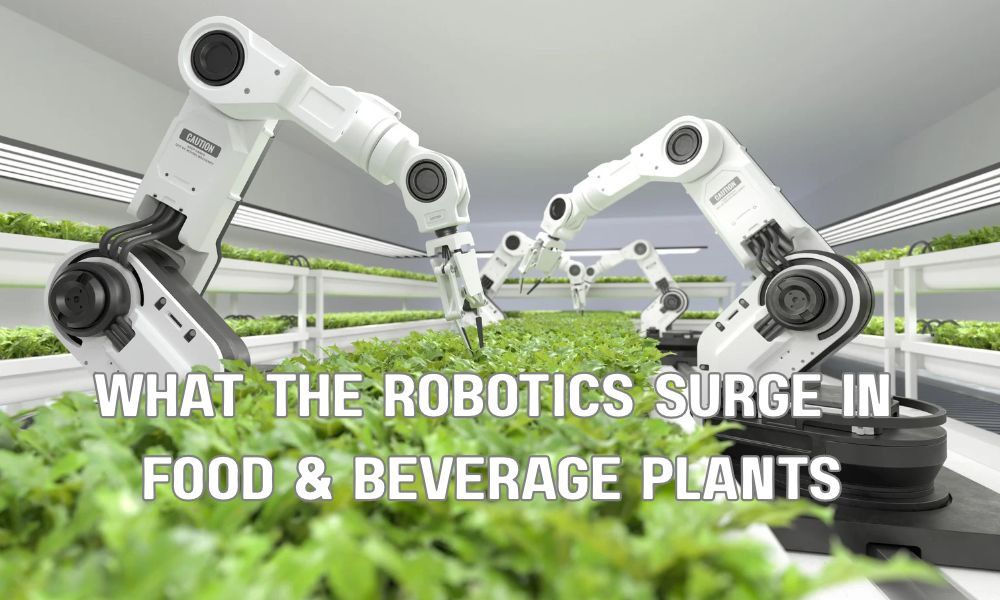
Robotics adoption is not limited to one stage of manufacturing. Opportunities exist across processing, packaging, inspection, warehousing, and material handling. The right applications depend on product characteristics, production volumes, facility layouts, and the level of automation already in place.
Automated Packaging and Case Packing
Packaging is a common starting point for robotic automation because many operations involve repetitive and structured movements. Robots can support product loading, tray handling, carton formation, case packing, and palletizing.
For manufacturers handling multiple product sizes or frequent packaging changes, engineering leaders must evaluate flexibility alongside speed. A robotic system should accommodate relevant product variations and changeover requirements without creating excessive downtime.
Robotic Palletizing and Material Handling
Palletizing and material movement can involve repetitive lifting and handling. Robotic palletizers and autonomous material movement systems can support more consistent end-of-line operations and reduce selected manual handling requirements.
Implementation requires careful coordination of conveyor layouts, pallet specifications, safety systems, warehouse processes, and production schedules. Engineering executives must ensure that automated material movement connects effectively with the wider facility.
Robotic Processing and Product Handling
Robotics can also support selected food processing activities, including portioning, sorting, cutting, picking, and product transfer. These applications can be technically challenging because food products may vary in shape, size, texture, temperature, and structural strength.
Engineering teams must select appropriate robotic configurations, sensors, and end-of-arm tooling. A gripper suitable for rigid packaging may not be appropriate for delicate bakery products or irregular fresh produce.
Machine Vision and Automated Inspection
Machine vision systems can help identify product defects, packaging errors, labeling issues, and other quality concerns. When integrated with robotic equipment, vision technology can also guide product positioning, sorting, and handling.
Engineering leaders must work with quality teams to define acceptable inspection criteria and validate system performance under real production conditions. False rejects, missed defects, lighting variations, and product changes must be considered before deployment.
How the Robotics Surge Is Changing Engineering Leadership
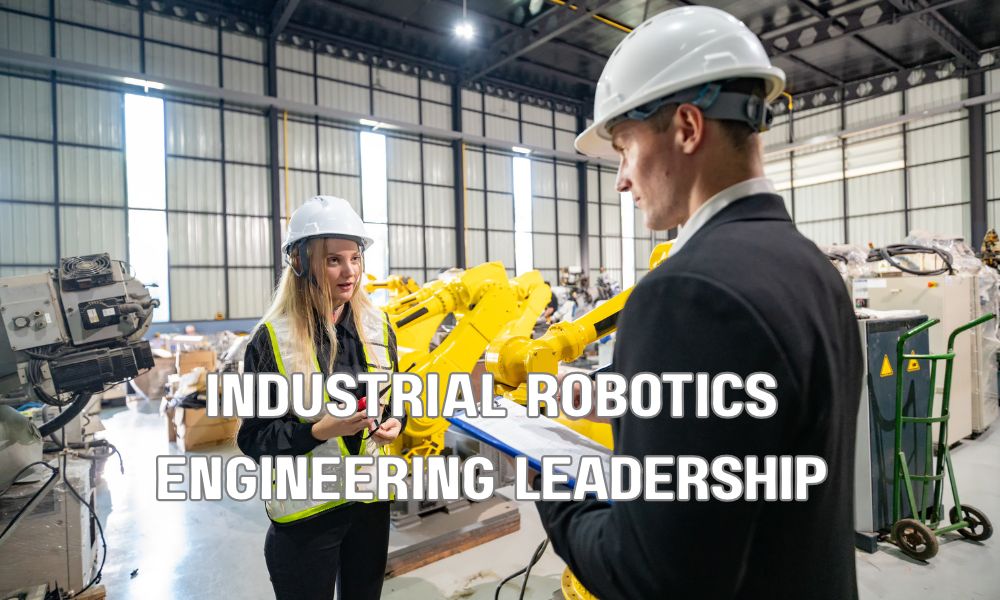
As robotics becomes more widespread, the role of engineering leadership is expanding. Traditional engineering management often focused on equipment reliability, maintenance, capital projects, and production support. Modern automation programs require these capabilities alongside expertise in robotics, controls, data integration, and digital manufacturing.
From Equipment Management to Automation Strategy
Engineering executives must develop a long-term automation roadmap rather than approve individual equipment purchases without considering the wider production environment.
This roadmap should identify high-value applications, establish technical standards, prioritize capital investment, and define how robotic systems will integrate with existing manufacturing processes.
Leaders should also evaluate whether automation investments can be replicated across facilities. Standardized solutions can simplify maintenance, spare-parts management, employee training, and future expansion.
Greater Demand for Controls and Systems Integration Expertise
Robotic systems must communicate with conveyors, sensors, programmable logic controllers, manufacturing execution systems, safety equipment, and other production technologies.
Engineering leaders need teams capable of integrating these systems and resolving issues that arise when equipment from different suppliers operates together. Experience with industrial controls, robotics programming, electrical engineering, and manufacturing systems integration becomes increasingly valuable.
The executive must also establish clear technical ownership so that automation projects do not become fragmented across equipment vendors, plant engineering teams, and external integrators.
Capital Investment and Return-on-Investment Accountability
Robotics projects can require substantial investment in equipment, facility modifications, controls, integration, safety systems, and employee training. Engineering leaders must work closely with finance and operations to evaluate the full cost of implementation.
A credible business case should consider:
- Equipment purchase and installation expenses.
- Integration with existing production lines and systems.
- Facility modifications and safety requirements.
- Maintenance, spare parts, and technical support.
- Employee training and change management.
- Expected improvements in throughput, labor utilization, quality, and downtime.
Executives should establish baseline performance measures before implementation and review results after the system enters production. This helps determine whether the investment is delivering sustainable value rather than simply meeting installation milestones.
The Engineering Leadership Roles Food Manufacturers Need
As automation programs become more complex, manufacturers must determine which engineering leadership positions are required. The appropriate structure depends on plant size, automation maturity, production complexity, and the company’s expansion strategy.
VP of Engineering
The VP of Engineering typically oversees engineering strategy, capital projects, equipment standards, technical teams, and major manufacturing improvements. In a robotics-intensive food manufacturing environment, this executive must understand automation architecture, equipment selection, systems integration, and production requirements.
The role may also include coordinating engineering resources across multiple plants and ensuring that new technology investments support the company’s broader manufacturing strategy.
VP of Automation
A VP of Automation focuses more directly on the company’s automation roadmap and implementation priorities. This executive may oversee robotics, industrial controls, machine vision, automated material handling, and manufacturing systems integration.
Manufacturers introducing robotics across several production lines may need a senior automation leader who can standardize technology decisions, manage integrators, and coordinate implementation across facilities.
The position requires a combination of technical depth and commercial judgment. Candidates must understand both the engineering requirements of automation and the financial implications of large-scale deployment.
Director of Engineering or Plant Engineering Leader
Plant-level engineering leaders are responsible for maintaining and improving equipment performance within individual facilities. They coordinate maintenance, engineering projects, production support, and equipment reliability.
As robotics adoption increases, these leaders need stronger capabilities in troubleshooting robotic systems, managing automation technicians, supporting changeovers, and coordinating vendor maintenance.
Controls and Automation Engineering Leaders
Controls and automation engineering leaders manage the technical implementation of robotic systems, control architecture, programming, and equipment integration. Their work is essential to ensuring that robotic applications operate safely and consistently.
Manufacturers should evaluate whether their current engineering teams have enough expertise to support increasingly complex systems or whether they need to recruit additional technical leadership.
What Makes a Strong VP of Automation for a Food Plant?
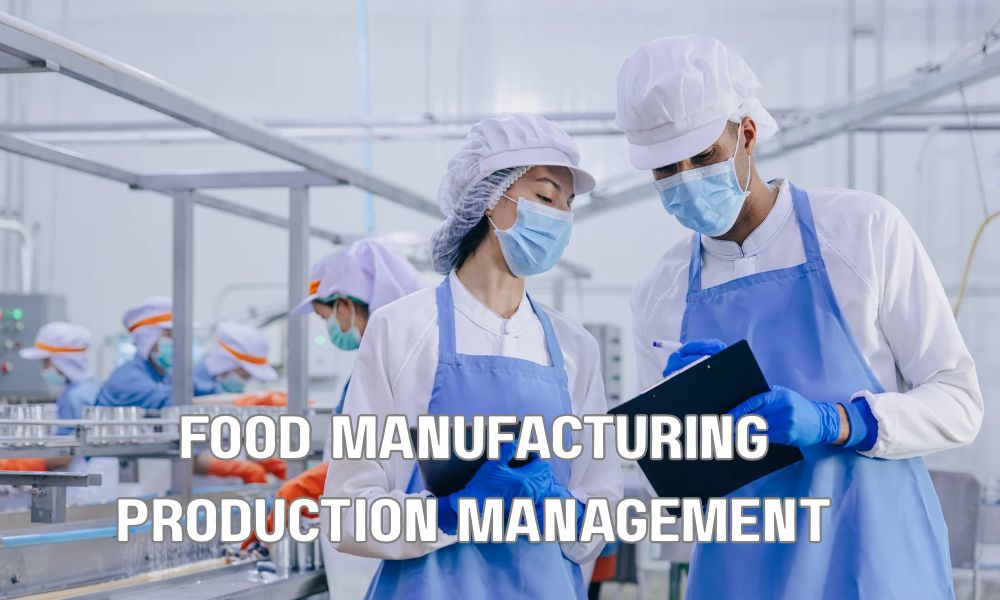
Hiring a VP of Automation requires a different assessment approach from recruiting a general engineering executive. Candidates must demonstrate that they can lead automation programs within food production environments, where sanitation, product handling, equipment reliability, and production continuity are critical.
Important capabilities include:
- Robotics experience: Understanding of industrial robots, collaborative robots, robotic packaging, palletizing, and material handling.
- Food manufacturing knowledge: Familiarity with processing environments, sanitation procedures, product handling, and production requirements.
- Controls expertise: Understanding of PLCs, sensors, machine interfaces, safety systems, and industrial communication.
- Systems integration: Experience connecting robotic equipment with existing production lines and manufacturing systems.
- Capital project leadership: Ability to manage budgets, equipment suppliers, integrators, installation schedules, and commissioning.
- Financial judgment: Ability to evaluate automation opportunities based on total cost, operational benefits, and return on investment.
- Team development: Experience building and managing engineering, controls, maintenance, and automation teams.
Employers should also examine whether candidates have delivered automation projects from concept through commissioning and sustained production. Experience selecting equipment or managing vendors is useful, but it does not necessarily prove that a candidate can lead a company-wide automation strategy.
Why Food Manufacturing Experience Matters in Robotics Recruitment
Robotics experience from automotive, electronics, or general industrial manufacturing can provide valuable technical knowledge. However, food and beverage plants have specific requirements that candidates must understand.
Product characteristics can create challenges for robotic handling. Delicate products may require specialized grippers, while irregular shapes can make positioning and inspection more complicated. Equipment may also need to withstand frequent washdowns or operate in environments with moisture, temperature variation, and strict sanitation procedures.
Production schedules can add another layer of complexity. Manufacturers may need frequent changeovers, short production runs, multiple packaging formats, and coordination between processing and packaging operations.
Hiring teams should therefore assess candidates on their ability to adapt automation technologies to food production rather than relying only on their experience with robots in other industries.
Conclusion: Robotics Growth Requires Stronger Engineering Leadership
The projected rise in robotics adoption across packaging and processing manufacturing represents a major opportunity for food and beverage companies. Automation can support higher throughput, more consistent production, improved material handling, and better use of engineering resources.
However, technology alone cannot deliver these outcomes. Manufacturers need engineering executives who understand food production, robotics integration, capital investment, sanitation requirements, and workforce development.
As automation programs expand, the demand for capable VPs of Engineering, VPs of Automation, and senior manufacturing technology leaders will become increasingly important. Companies that define these leadership requirements early will be better prepared to manage complex implementations and scale successful automation programs.
Organizations seeking experienced engineering and automation executives can explore JRG Partners’ Food & Beverage Automation & Robotics Executive Search Firm for specialized leadership recruitment across food manufacturing, robotics, engineering, and industrial automation.
Frequently Asked Questions
1. Why is robotics adoption increasing in food and beverage manufacturing?
Manufacturers are investing in robotics to improve production consistency, increase throughput, address labor challenges, support repetitive handling tasks, and strengthen selected quality and packaging processes. Robotics can also help companies improve operational flexibility when systems are designed for their product and production requirements.
2. What does the increase from 72% to 95% robotics adoption mean?
The figures come from the 2026 Robotics in US Packaging & Processing Report from PMMI. The report states that 72% of surveyed manufacturers currently use robotics and projects adoption to reach 95% by 2031. This indicates a growing role for robotics across packaging and processing operations, although adoption will vary by company and application.
3. What leadership roles are most important for food plant automation?
Important roles include VP of Engineering, VP of Automation, Director of Engineering, and senior controls or automation engineering leaders. The right structure depends on the company’s size, number of facilities, automation strategy, and technical complexity.
4. What skills should a VP of Automation in food manufacturing have?
A VP of Automation should understand industrial robotics, PLCs, controls systems, machine vision, equipment integration, food production requirements, sanitation considerations, and capital project management. Strong financial judgment and cross-functional leadership are also essential.
5. Why should food manufacturers prioritize engineering leadership when investing in robotics?
Engineering leaders ensure that robotic systems are selected, integrated, commissioned, and maintained appropriately. They connect automation investments with production goals, coordinate technical teams, manage implementation risks, and help ensure that new systems deliver sustainable operational value.

Tanya Gallardo
Managing Director, Executive Search & AI Talent Strategy
Tanya Gallardo is the Managing Director of Executive Search & AI Talent Strategy at JRG Partners, leading C-suite and Board engagements across key growth sectors including Technology, Financial Services, and Manufacturing.
With over 18 years of experience specializing in disruptive technology leadership, Tanya is recognized as a leading authority on talent architecture for future-focused executive roles, such as the Chief AI Officer (CAIO) and Chief Digital Officer (CDO). Her expertise lies in accurately assessing the cultural fit and technical depth required to ensure a high return on investment (ROI) for critical leadership appointments.
Prior to her role at JRG Partners, Tanya held senior roles directing global talent acquisition strategies at a major publicly-traded technology firm, advising on organizational design and succession planning for emerging executive functions. She is a recognized speaker and contributor to industry events, sharing data-driven insights on executive compensation, leadership development, and the measurable business impact of C-suite talent.
