


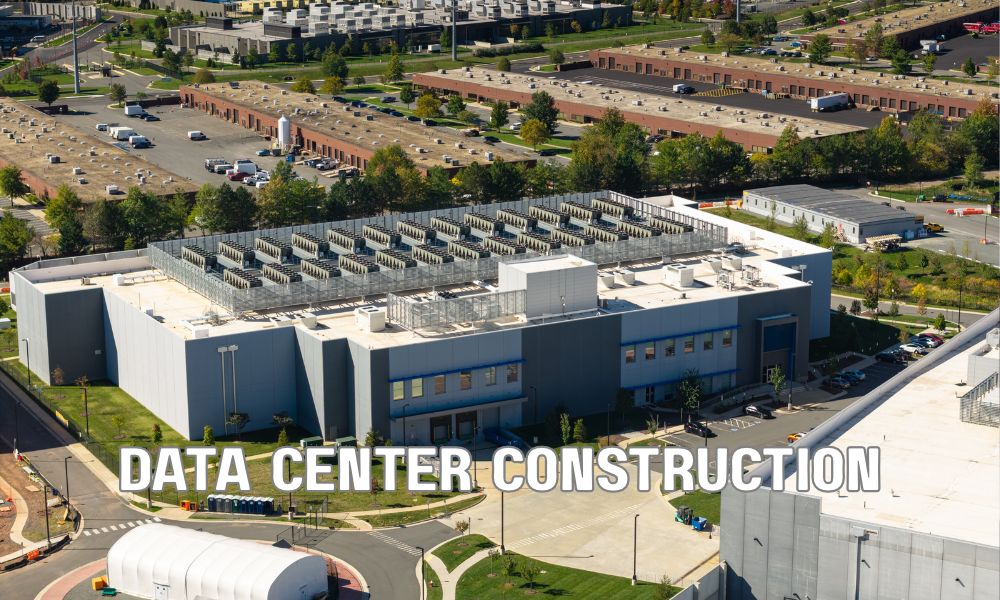
The global digital infrastructure sector is in the middle of an unprecedented capital supercycle. Fueled by the exponential compute demands of enterprise generative AI, sovereign cloud deployments, and hyperscale model training, tens of billions of dollars are flowing into North American and global data center developments. Across North America alone, more than 66 gigawatts of capacity are under active construction—with nearly 95% pre-committed to anchor tenants before concrete is even poured. Power-rich corridors from Northern Virginia and Dallas-Fort Worth to Phoenix, Columbus, and emerging rural utility hubs are experiencing a historic land, power, and construction rush.
Yet, as developers, infrastructure funds, real estate investment trusts (REITs), and private equity sponsors finalize their 2027 deployment schedules, a sobering reality has collided with financial ambition. Institutional capital is abundant, tenant demand is insatiable, and land assemblages are underway—but the physical buildout is hitting a severe human bottleneck. While headlines routinely spotlight multi-year transformer backlogs, high-voltage utility interconnection queues, and local electrician shortages, the most acute constraint threatening 2027 delivery milestones sits at the top of the organizational chart: a profound shortage of battle-tested data center executive leadership.
Building and energizing a 300-megawatt, liquid-cooled AI campus requires a radically different leadership profile than developing legacy 20-megawatt enterprise colocation facilities. Today’s mission-critical platforms require executives who can negotiate behind-the-meter power agreements with utilities, orchestrate gigawatt-scale supply chains, govern liquid-to-chip thermal architectures, and keep multi-billion-dollar construction schedules on track amid regional trade shortages. Without upgrading C-suite and Vice President-level leadership, developers risk catastrophic schedule delays, liquidated damages, and eroded investor yields. This comprehensive executive analysis explores the root causes of the 2027 data center leadership deficit, defines the six mission-critical executive archetypes required to scale, and outlines how boards and sponsors can extract scarce leadership talent in an hyper-competitive market.
1. Why 2027 Marks a Breaking Point for Data Center Leadership
For nearly two decades, data center development followed a predictable, repeatable playbook. Developers acquired suburban parcels near fiber backbones, secured standard 15-to-40-megawatt utility feeds, deployed air-cooled raised-floor designs, and leased capacity incrementally. That era ended permanently with the arrival of high-density AI compute. Entering 2027, four structural collisions have rendered the legacy data center management pool insufficient for the scale and complexity of modern campuses:
The Leap from Megawatts to Gigawatt-Scale Campuses
Modern AI training clusters require massive, contiguous power footprints—often scaling from 250 megawatts to over one gigawatt on a single master-planned campus. Managing the capital allocation, permitting, community relations, and phased energization of a gigawatt campus is closer to building a nuclear power station or semiconductor fabrication plant than constructing a traditional commercial warehouse. Very few sitting executives in the colocation sector have ever personally overseen capital programs of this magnitude.
Grid Interconnection as the Primary Development Bottleneck
In 2027, site selection is no longer driven by real estate brokers; it is dictated by transmission physics and utility queue positions. With primary substation upgrades stretching four to seven years in Tier-1 markets, winning developers must engineer creative energy solutions—including behind-the-meter natural gas generation, on-site battery energy storage systems (BESS), microgrids, and long-term renewable power purchase agreements (PPAs). Traditional real estate development VPs lack the regulatory fluency to negotiate directly with utility CEOs, Independent System Operators (ISOs), and state public utility commissions.
High-Density Thermal & Liquid Cooling Complexity
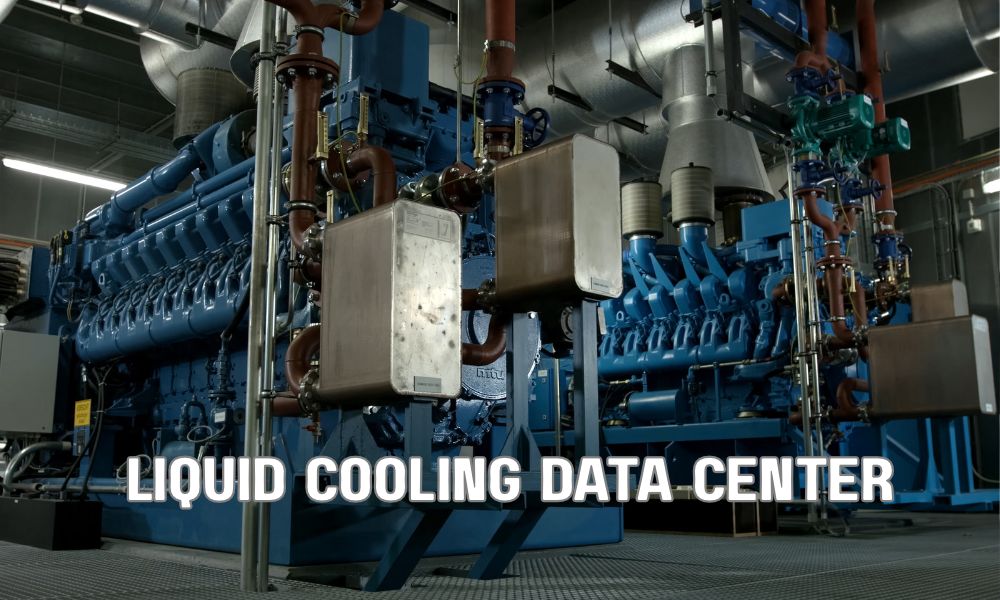
As rack power densities surge past 50 kW to 130+ kW per cabinet to support next-generation GPU clusters, traditional computer room air conditioning (CRAC) architectures reach physical failure limits. Delivering direct-to-chip liquid cooling, rear-door heat exchangers, and closed-loop water-conservation systems introduces intricate mechanical, chemical, and commissioning risks. A single commissioning flaw in a high-density liquid loop can delay hyperscale tenant acceptance by months, triggering severe contractual penalties.
Demographic Retirements & Simultaneous Megaproject Competition
Compound this technical complexity with a severe demographic squeeze. Nearly two-thirds of global data center operators already report acute difficulty recruiting and retaining qualified technical and management personnel, driven largely by the retirement of veteran critical-facilities engineers and project directors. Simultaneously, data center developers are competing directly against utility grid-hardening programs, semiconductor fab builds, and industrial reshoring megaprojects for the exact same pool of high-voltage electrical leaders and commissioning executives.
2. Six Mission-Critical Executive Hires Every Data Center Platform Needs in 2027
Whether scaling a private equity-backed data center platform, expanding a hyperscale development arm, or modernizing a critical-infrastructure engineering firm, boards cannot rely on generalist real estate executives. Executing a 2027 buildout requires installing six specialized executive archetypes across the leadership team:
1. Chief Development Officer / Head of Power & Land Acquisition (The Site & Grid Originator)
In 2027, land without guaranteed megawatts is stranded capital. The Chief Development Officer has evolved from a real estate dealmaker into a power-first infrastructure strategist. Their core mandate is identifying power-advantaged sites, structuring joint ventures with energy developers, navigating environmental and municipal zoning opposition, and locking in firm utility interconnect agreements years ahead of vertical construction.
2. VP of Power & Energy Infrastructure (The Utility & Microgrid Architect)
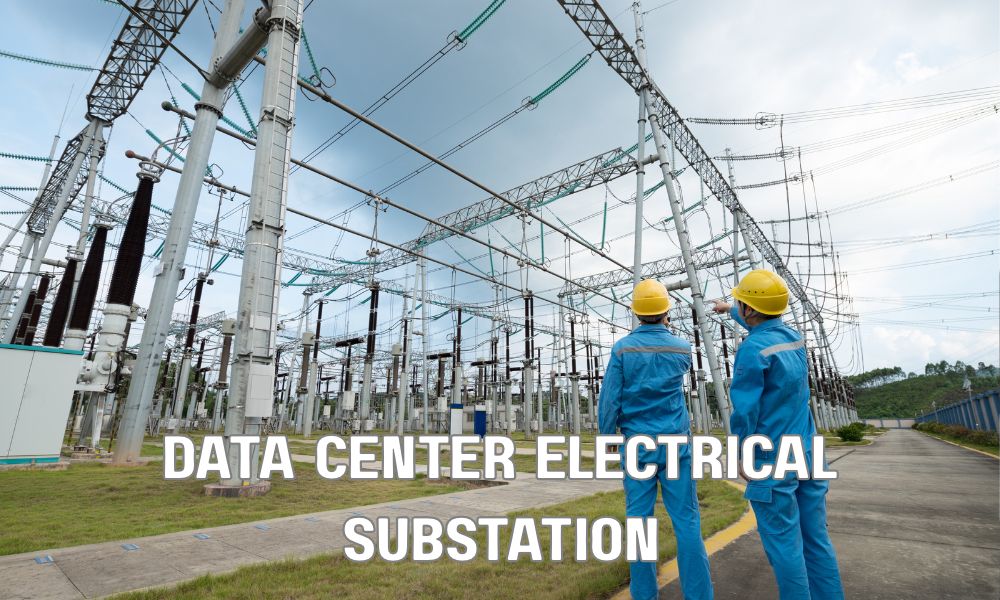
Because grid constraints represent the single greatest threat to project timelines, leading platforms are separating energy procurement from general construction by appointing a dedicated VP of Power & Energy Infrastructure. Recruited from regulated electric utilities, independent power producers (IPPs), or industrial cogeneration firms, this executive oversees high-voltage substation engineering, switchgear procurement, behind-the-meter generation, and wholesale power market hedging.
3. Chief Construction Officer / SVP of Capital Delivery (The Megaproject Orchestrator)
Delivering multiple multi-hundred-million-dollar campuses concurrently across emerging Tier-2 and Tier-3 geographies—where local skilled electrical and mechanical crews are stretched thin—requires industrial-grade program governance. The Chief Construction Officer enforces repeatable campus design templates, manages tier-one general contractors and MEP trade partners, oversees off-site modular skid prefabrication, and prevents schedule slippage before critical-path delays compound.
4. VP of Mission-Critical Supply Chain & Equipment Procurement (The Bottleneck Breaker)
Lead times for high-voltage step-down transformers, medium-voltage switchgear, backup generators, chillers, and liquid-cooling distribution units remain a persistent threat to 2027 energization dates. Rather than leaving equipment purchasing fragmented across regional general contractors, top platforms centralize procurement under a dedicated VP of Supply Chain who secures programmatic frame agreements, factory slot reservations, and vendor-managed inventory across multi-year build pipelines.
5. VP of Commissioning & Integrated Systems Testing (The Quality & Acceptance Gatekeeper)
In mission-critical facilities, construction completion means nothing until Level 1 through Level 5 Integrated Systems Testing (IST) proves that power redundancy and thermal loops perform flawlessly under simulated full-load failure scenarios. A dedicated VP of Commissioning brings uncompromising engineering rigor to the final, highest-risk phase of delivery—ensuring zero-defect tenant handovers that protect lease commencement revenues.
6. Chief Operating Officer / SVP of Critical Facilities Operations (The Uptime & Talent Scaler)
Once campuses energize, enterprise valuation depends on flawless 99.999% uptime, Power Usage Effectiveness (PUE) optimization, and Water Usage Effectiveness (WUE) compliance. Equally critical, the modern COO must be a master builder of human talent pipelines—establishing internal technical academies, military-to-data-center transition programs, and predictive maintenance cultures to staff dozens of new facilities in markets lacking existing technician pools.
3. Legacy Colocation vs. 2027 AI-Scale Leadership: Shifting the Talent Benchmark
One of the most costly mistakes boards make during executive interviews is assuming that twenty years of legacy enterprise data center experience automatically translates to modern AI-scale infrastructure. Search committees must evaluate candidates against the shifted operational realities of 2027:
| Leadership Dimension | Legacy Colocation Executive | 2027 Hyperscale & AI Infrastructure Leader |
|---|---|---|
| Site Selection & Power | Selects sites near urban fiber hubs and submits standard utility service requests. | Originates gigawatt-scale power corridors, negotiates behind-the-meter generation, and manages ISO/RTO interconnection queues. |
| Thermal & Rack Density | Manages traditional 5–15 kW air-cooled raised-floor environments. | Governs 50–130+ kW liquid-to-chip cooling loops, complex heat-rejection systems, and strict WUE sustainability targets. |
| Construction & Supply Chain | Relies on local general contractors to procure equipment on a per-project basis. | Deploys standardized campus blueprints, programmatic OEM equipment frame agreements, and off-site modular prefabrication. |
| Workforce & Talent Strategy | Poaches experienced technicians from neighboring facilities in established hubs. | Builds proprietary training academies and recruits transferable engineering talent from utilities, nuclear, semiconductor, and military pools. |
| Capital & Contract Governance | Negotiates multi-tenant retail leases with flexible build-out timelines. | Manages multi-billion-dollar hyperscale build-to-suit contracts with strict liquidated-damage milestones and complex project finance structures. |
4. Expanding the Talent Aperture: Adjacent Sectors That Produce Elite Data Center Leaders
Because the internal pool of executives who have already built and operated gigawatt-scale AI campuses is extraordinarily small, boards that restrict their executive searches solely to direct competitors will face perpetual talent gridlock and runaway compensation inflation. High-performing infrastructure sponsors and data center CEOs are solving the leadership bottleneck by systematically recruiting transferable executive talent from five adjacent mission-critical industries:
- Regulated Electric Utilities & Independent Power Producers (IPPs): Utility Vice Presidents of Transmission & Distribution and IPP development leaders bring deep mastery of high-voltage substations, grid interconnection regulations, EPC contractor governance, and multi-hundred-million-dollar capital project execution.
- Semiconductor Fabrication & Cleanroom Construction: Semiconductor fab executives operate in environments defined by extreme capital intensity, ultra-pure water and chemical distribution loops, zero-tolerance uptime standards, and compressed commissioning schedules—making them natural fits for high-density liquid-cooled data centers.
- Nuclear Power & Naval Nuclear Propulsion Programs: Nuclear plant directors and former naval nuclear officers possess unmatched discipline around procedural rigor, redundant electrical/cooling safety systems, root-cause failure analysis, and high-reliability operator training.
- Petrochemical, LNG & Industrial Process Engineering: Large-scale energy and process manufacturing leaders excel at modular skid fabrication, complex thermodynamics, global supply chain logistics, and managing thousands of specialized craft tradespeople on remote mega-sites.
- Telecommunications & Subsea Fiber Infrastructure: Network engineering and fiber-build executives understand hyperscale customer SLAs, dark-fiber route diversity, and rapid multi-market infrastructure deployment.
5. Five Non-Negotiable Questions to Vet Data Center Executives in 2027
In an overheated hiring market, many candidates inflate their proximity to hyperscale projects on their resumes—claiming credit for gigawatt campuses where they played only a peripheral advisory role. Search committees must use rigorous, technical behavioral questioning to separate true execution leaders from resume opportunists:
- “Walk us through the most severe utility interconnection or critical equipment bottleneck you personally resolved on a mission-critical build. What commercial or engineering trade-offs did you make to protect the energization date?” Look for concrete mastery of substation phasing, temporary bridging power, OEM factory expediting, or design re-sequencing rather than vague delegation.
- “How have you transitioned a construction or engineering organization from bespoke, one-off facility designs to repeatable campus standards and off-site prefabrication?” Repeatable basis-of-design (BoD) execution is the primary lever for compressing schedules and controlling tender price escalation in 2027.
- “Detail your direct experience governing high-density thermal architectures and liquid cooling commissioning. What failure modes did you catch during Integrated Systems Testing?” Probe beyond buzzwords to confirm hands-on familiarity with coolant distribution units (CDUs), manifold pressure testing, leak detection, and thermal load-bank validation.
- “When entering a Tier-2 or rural market with zero local pool of experienced data center technicians or electrical superintendents, how did you build the workforce from scratch?” Elite leaders demonstrate repeatable playbooks for partnering with regional trade unions, deploying traveling superintendent cadres, and launching internal hands-on training academies.
- “How do you balance aggressive hyperscale delivery milestones against uncompromising jobsite safety and operational reliability?” Pushing schedules recklessly triggers catastrophic safety incidents or human-error outages. Top executives prove they maintain zero-harm safety cultures and strict commissioning sign-off gates even under intense tenant pressure.
6. Structuring Compensation & Retention in a Hyper-Competitive Market
Compensation for proven data center development, construction, and operations executives has escalated sharply as private equity infrastructure funds, sovereign wealth vehicles, and hyperscalers compete for the same passive leaders. To attract and retain top-decile talent without destabilizing internal pay equity, boards must structure multi-layered packages aligned with multi-year asset creation:
- Competitive Cash & Delivery-Milestone Bonuses: Base salaries for enterprise Data Center COOs, Chief Development Officers, and Chief Construction Officers routinely range from $350,000 to $550,000+, paired with 50% to 100% annual target bonuses. Tie short-term incentives explicitly to verified energization dates, capital budget adherence, PUE/safety benchmarks, and zero-defect commissioning milestones.
- Long-Term Equity & Development Promote Participation: Because data center platforms generate massive value upon stabilizing leased megawatts, senior executives expect meaningful participation in Management Incentive Plans (MIPs), Profits Interest Units (PIUs), or project-level development promotes that vest upon achieving target yield-on-cost and exit multiples.
- Structured Commuter Cadences & Golden Handcuffs: Requiring permanent family relocation for construction and development VPs overseeing multi-state pipelines is increasingly counterproductive. Offering structured fly-in commuter stipends alongside multi-year vesting schedules and documented “make-whole” buyouts for forfeited unvested equity dramatically improves close rates with passive industry leaders.
Conclusion
As the global data center buildout accelerates into 2027, the narrative surrounding digital infrastructure is undergoing a decisive shift. Capital is no longer the limiting factor, and tenant demand shows no sign of abating. Instead, the winners of the AI infrastructure era will be determined by execution velocity—the ability to secure gigawatt-scale power, navigate multi-year equipment supply chains, commission complex liquid-cooled environments, and build sustainable technical workforces in power-rich markets.
Every single one of those capabilities comes down to human leadership. Boards and infrastructure investors that continue fishing in the same narrow pool of traditional colocation managers will face stalled timelines, cost overruns, and missed market windows. By elevating power origination, programmatic supply chain management, and talent pipeline architecture to the C-suite—and proactively recruiting proven leaders from adjacent mission-critical industries—data center platforms can break the leadership bottleneck and turn multi-billion-dollar pipelines into enduring enterprise value.
Frequently Asked Questions (FAQs)
1. Why is executive leadership considered the biggest bottleneck in the 2027 data center buildout?
While power grid interconnection delays, transformer lead times, and skilled trade shortages receive the most media attention, solving those operational constraints requires experienced executive leadership. Very few executives possess the combined mastery of utility power origination, gigawatt-scale capital project management, high-density liquid cooling, and workforce pipeline development required to deliver modern AI campuses on schedule.
2. Which data center executive roles are hardest to fill going into 2027?
The scarcest executive roles include VPs of Power & Energy Infrastructure (who understand utility queues and behind-the-meter generation), Chief Construction Officers experienced in multi-hundred-million-dollar modular builds, VPs of Mission-Critical Supply Chain, and COOs capable of scaling technician academies across emerging Tier-2 markets.
3. What adjacent industries provide the best transferable leadership talent for data centers?
Regulated electric utilities, independent power producers (IPPs), semiconductor fabrication plants, nuclear power and naval nuclear programs, petrochemical/LNG process engineering, and telecommunications infrastructure companies all produce executives with directly transferable expertise in high-voltage power, thermal physics, strict safety compliance, and complex capital delivery.
4. How does building an AI data center differ from managing a traditional colocation facility?
Traditional colocation facilities typically operated at 5 to 15 kW per rack using air cooling and standard municipal grid connections. Modern AI data centers operate at 50 to 130+ kW per rack, requiring complex direct-to-chip liquid cooling loops, massive 250 MW to 1+ GW power footprints, behind-the-meter energy engineering, and strict hyperscale liquidated-damage delivery schedules.
5. How can data center developers attract passive executives without triggering unsustainable salary inflation?
Top developers win passive candidates by offering long-term equity participation or project-level development promotes tied to stabilized megawatt yields, providing structured fly-in commuter flexibility rather than forcing family relocation, offering documented make-whole buyouts for forfeited unvested stock, and demonstrating clear institutional capital backing.
6. How do successful data center COOs solve local shortages of critical-facilities technicians?
Rather than relying solely on poaching staff from competitors—which drives up wages without expanding the talent pool—leading COOs establish internal hands-on training academies, partner with military transition programs and technical colleges, and recruit transferable technicians from industrial manufacturing, HVAC, and utility sectors.

Tanya Gallardo
Managing Director, Executive Search & AI Talent Strategy
Tanya Gallardo is the Managing Director of Executive Search & AI Talent Strategy at JRG Partners, leading C-suite and Board engagements across key growth sectors including Technology, Financial Services, and Manufacturing.
With over 18 years of experience specializing in disruptive technology leadership, Tanya is recognized as a leading authority on talent architecture for future-focused executive roles, such as the Chief AI Officer (CAIO) and Chief Digital Officer (CDO). Her expertise lies in accurately assessing the cultural fit and technical depth required to ensure a high return on investment (ROI) for critical leadership appointments.
Prior to her role at JRG Partners, Tanya held senior roles directing global talent acquisition strategies at a major publicly-traded technology firm, advising on organizational design and succession planning for emerging executive functions. She is a recognized speaker and contributor to industry events, sharing data-driven insights on executive compensation, leadership development, and the measurable business impact of C-suite talent.
