


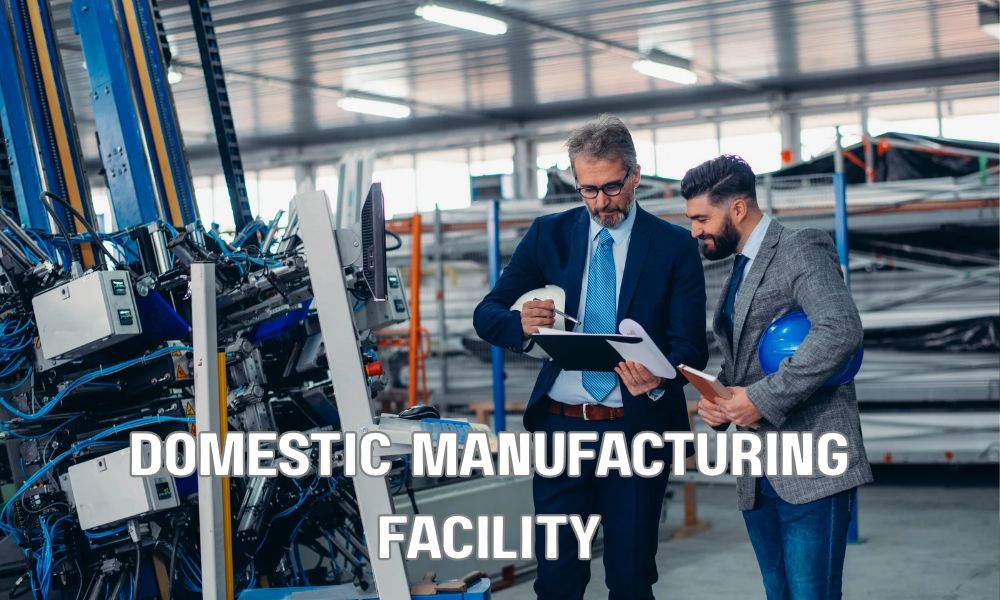
Reshoring has become an increasingly important consideration for manufacturers seeking greater control over their supply chains, production capacity, and long-term operating strategies. After years of global sourcing and geographically distributed manufacturing, companies are reconsidering where products should be made and how much dependence they should place on distant suppliers. Geopolitical uncertainty, transportation disruption, trade policy changes, labor availability, and customer expectations are influencing these decisions.
However, bringing production closer to home is not automatically a guarantee of lower costs, stronger margins, or greater resilience. Domestic manufacturing can involve higher labor expenses, substantial capital investment, infrastructure constraints, and shortages of specialized skills. Companies must also consider whether local suppliers can provide the required materials, components, and production capacity.
As manufacturers approach 2027, the central question is shifting from whether reshoring is desirable to whether it is commercially and operationally achievable. Executives must evaluate the complete economics of relocating production, including transition costs, workforce requirements, technology investment, supplier readiness, and long-term customer demand.
1. Understanding Why Manufacturers Are Reconsidering Global Production
Global manufacturing networks have historically allowed companies to access specialized suppliers, lower production costs, and large international labor markets. These arrangements supported cost efficiency and enabled businesses to serve customers across different regions. However, they also created dependencies that became more visible during periods of disruption.
Shipping interruptions, geopolitical tensions, trade restrictions, supplier concentration, and unexpected changes in transportation costs have encouraged manufacturers to reassess their sourcing strategies. Companies increasingly recognize that the lowest-cost supplier may not always represent the lowest-risk option.
Reshoring offers an opportunity to bring selected production activities closer to domestic customers and business operations. It may improve communication, reduce certain transportation dependencies, and provide greater visibility into manufacturing processes. Yet these benefits depend on the specific product, industry, location, and availability of qualified suppliers.
2. The Real Economics of Bringing Production Home
One of the most important lessons manufacturers will face in 2027 is that reshoring economics are more complicated than comparing overseas labor costs with domestic wages. The full cost of manufacturing includes facilities, equipment, utilities, materials, labor, transportation, inventory, quality management, maintenance, compliance, and supplier relationships.
Domestic production may reduce some transportation expenses or shorten delivery times, but these savings must be compared with potentially higher operating costs. Companies may also need to invest in new production facilities, modernize existing plants, qualify suppliers, and recruit experienced employees.
Relocation itself can be expensive. Transferring equipment, validating production processes, training employees, rebuilding supplier relationships, and managing temporary interruptions can create significant transition costs.
3. Trade Policy and Geopolitical Risk Will Influence Location Decisions
Trade policy will remain an important consideration for manufacturers evaluating domestic production. Tariffs, import restrictions, trade agreements, incentives, and regulatory requirements can influence the economics of international sourcing and local manufacturing.
However, policy conditions can change. Companies that relocate production based entirely on temporary incentives or assumptions about future trade restrictions may expose themselves to additional risk. Manufacturing facilities often require long-term investment, while policy environments can evolve much faster.
Geopolitical uncertainty also extends beyond tariffs. Export controls, restrictions on critical technologies, regional instability, and changes in international relationships can affect access to components and materials.
Building Flexibility Into Manufacturing Strategy
Executives should evaluate manufacturing locations through several scenarios rather than relying on one forecast. They should understand how changes in tariffs, supplier availability, transportation costs, and regulatory requirements could affect different production arrangements.
Companies may benefit from maintaining alternative sourcing options and regional production capabilities for strategically important products. This approach can reduce dependence on a single country or supplier without requiring every manufacturing activity to move domestically.
CEOs and boards must recognize that location decisions are long-term strategic commitments. They should consider how a proposed manufacturing footprint will perform under different economic and geopolitical conditions.
4. Domestic Labor Availability Could Become the Biggest Constraint
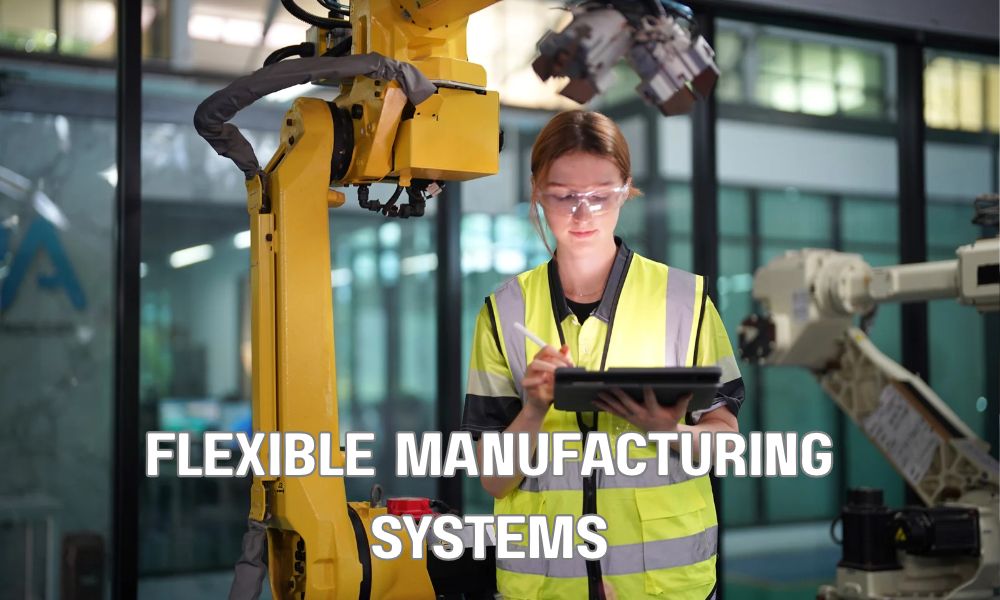
Reshoring discussions frequently focus on facilities, machinery, and investment incentives, but workforce availability may prove equally important. Manufacturing companies need skilled operators, maintenance technicians, industrial engineers, quality specialists, production supervisors, and automation professionals.
Relocating production does not automatically create access to these capabilities. Some regions may have limited pools of experienced manufacturing employees, while competition from other industries can make recruitment difficult. Specialized roles may require months of training before employees can perform independently.
Companies must also consider the difference between hiring enough employees to begin operations and building a workforce capable of maintaining consistent production performance over time.
5. Automation Will Influence the Economics of Domestic Manufacturing
Automation can make domestic manufacturing more competitive by improving productivity, consistency, and production flexibility. Robotics, machine vision, automated material handling, connected equipment, and advanced process controls can reduce dependence on certain repetitive tasks and improve manufacturing performance.
However, automation does not eliminate labor requirements. Facilities still need employees who can program, maintain, supervise, troubleshoot, and improve automated systems. Manufacturers may also require additional engineering and cybersecurity capabilities as their production environments become more connected.
Technology investments must be evaluated against the actual requirements of the production process. A highly automated facility may be appropriate for products with consistent volumes and standardized processes, while more flexible production environments may be better suited to complex or frequently changing product lines.
Matching Technology Investment With Production Needs
Chief operating officers should assess automation opportunities based on expected productivity improvements, equipment utilization, quality performance, maintenance requirements, and total ownership costs.
Companies should also examine whether existing facilities can be upgraded rather than assuming that reshoring requires entirely new manufacturing infrastructure. Modernizing selected production lines may provide a more practical route to improved domestic capacity.
The strongest leaders will understand that technology should support the manufacturing strategy. Purchasing advanced equipment without considering workforce readiness, production demand, or maintenance capabilities can create expensive operational problems.
6. Supplier Networks Must Be Rebuilt, Not Simply Relocated
Manufacturing relocation involves more than moving final assembly operations. Companies depend on networks of component manufacturers, raw material suppliers, packaging providers, logistics companies, equipment specialists, and maintenance partners. If these supporting capabilities are unavailable locally, reshoring may create new dependencies rather than eliminate existing ones.
Some industries rely on highly specialized materials and components produced by a limited number of global suppliers. Recreating these supply networks domestically may require significant investment and long qualification processes.
Manufacturers must understand where their most important supply chain vulnerabilities exist. A domestic facility that depends on imported critical components may remain exposed to international disruption even when final production takes place locally.
7. Infrastructure and Location Decisions Will Determine Feasibility
Manufacturing facilities require dependable infrastructure. Electricity, water, transportation, industrial land, telecommunications, waste management, and access to suppliers all influence operating performance.
Some regions may offer attractive investment incentives but lack the infrastructure needed for complex manufacturing operations. Others may provide established industrial ecosystems but face higher facility costs or limited workforce availability.
Companies must also consider the specific requirements of their production processes. Energy-intensive facilities may require reliable power capacity, while manufacturers handling specialized materials may need particular environmental controls, transportation access, or regulatory approvals.
Evaluating Locations Beyond Incentives
Executives should assess potential manufacturing locations through a comprehensive evaluation. This should include labor availability, infrastructure reliability, supplier access, logistics costs, operating expenses, regulatory requirements, and the ability to expand production in the future.

Tax incentives and development grants may improve project economics, but they should not determine the decision independently. A facility that depends on incentives to remain financially viable may become vulnerable if the terms change or operating assumptions are not achieved.
Location decisions should reflect long-term business requirements. Manufacturers need facilities that can support changing production technologies, workforce needs, customer demand, and future capacity expansion.
8. Quality and Regulatory Requirements Cannot Be Compromised
Moving production between countries, suppliers, or facilities can introduce quality and compliance challenges. Manufacturing processes may need to be validated again, equipment may require qualification, and suppliers may need to demonstrate that materials meet established specifications.
Industries such as pharmaceuticals, medical devices, aerospace, automotive, and food production operate under additional regulatory or customer-specific requirements. A manufacturing relocation must account for the documentation, testing, traceability, and approvals necessary to maintain compliance.
Companies should not assume that a process proven at an existing facility can be transferred without significant preparation. Differences in equipment, workforce experience, materials, and environmental conditions can affect product consistency.
Integrating Quality Into Relocation Planning
Quality leaders must participate early in manufacturing location decisions. They should identify validation requirements, qualification timelines, inspection needs, documentation responsibilities, and potential product risks.
Organizations should establish clear procedures for transferring production knowledge and maintaining process control. Employees at new facilities need appropriate training, and suppliers must understand the company’s quality expectations.
Successful reshoring protects customer confidence. Reducing supply chain exposure is valuable only if the resulting manufacturing network continues to deliver products that meet required standards.
9. Smart Manufacturing Will Make Reshoring More Competitive
Digital manufacturing technologies can strengthen the business case for domestic production. Connected equipment, advanced analytics, predictive maintenance, digital production records, and AI-supported planning can improve visibility and help companies manage complex operations more effectively.
These technologies may support faster production decisions, better inventory management, reduced downtime, and more consistent quality. They can also help manufacturers coordinate activities across multiple facilities and suppliers.
However, digital transformation requires reliable infrastructure and capable leadership. Older equipment may be difficult to integrate, while fragmented software environments can create inconsistent information. Companies must also protect industrial systems from cybersecurity threats.
Connecting Digital Investment With Reshoring Objectives
Chief information officers, technology executives, and operations leaders should establish a shared digital manufacturing strategy. They must identify which technologies will improve production performance and how information will be used across the organization.
For example, predictive maintenance may help reduce equipment interruptions, while improved demand forecasting can support more efficient capacity planning. Digital quality systems can strengthen traceability and provide faster access to production information.
Executives should evaluate these investments through measurable operating outcomes. The objective is not to create the most technologically advanced facility but to build a competitive manufacturing operation that can deliver reliably and profitably.
10. Reshoring Requires Stronger Financial and Strategic Planning
Manufacturing relocation can involve substantial capital commitments. Companies may need to acquire land, construct facilities, purchase equipment, recruit employees, qualify suppliers, and establish new logistics arrangements. These costs can accumulate before a facility reaches its planned production capacity.
Financial planning must also consider the possibility of delayed launches, lower-than-expected demand, construction problems, and higher operating expenses. If relocation projects are based on unrealistic assumptions, they can place pressure on cash flow and overall business performance.
The CFO’s Role in Evaluating Reshoring Decisions
Chief financial officers should work with operations and supply chain executives to develop realistic financial models. These models should compare existing production arrangements with proposed domestic alternatives, including transition expenses and long-term operating requirements.
Scenario planning is important. Leaders should evaluate what happens if production volumes are lower than expected, labor costs increase, supplier qualification takes longer, or incentives are reduced.
Companies should also identify the financial indicators that will determine whether a project is meeting expectations. These may include production cost per unit, facility utilization, delivery performance, inventory requirements, and return on invested capital.
11. Managing Customer Expectations and Commercial Relationships
Customers may value domestic manufacturing because of shorter delivery times, supply chain transparency, perceived reliability, or regional sourcing preferences. However, these benefits do not automatically justify higher prices. Manufacturers must understand what customers are willing to pay and which operational improvements matter most to purchasing decisions.

Some customers may prioritize cost above geographic origin, while others may require specific sourcing arrangements because of regulatory, contractual, or strategic considerations. Companies should avoid assuming that all customers will support higher prices simply because products are manufactured domestically.
Commercial teams must communicate the value of the new manufacturing model through evidence. This could include improved delivery performance, greater supply visibility, shorter lead times, or stronger production responsiveness.
Aligning Manufacturing Strategy With Customer Needs
Sales and commercial executives should work with operations teams before making commitments about production capacity, delivery schedules, or sourcing arrangements.
Customer relationships can also provide useful information for location decisions. Long-term purchasing commitments may improve the financial case for domestic capacity, while uncertain demand may justify a more flexible production strategy.
Manufacturers should consider whether customers need localized production, regional distribution, or simply stronger supply continuity. These requirements are related but not identical, and the most cost-effective solution may differ.
Conclusion: Reshoring Must Be Built on Business Reality
Manufacturing in 2027 will involve difficult decisions about where products should be made, which suppliers should be prioritized, and how companies can balance cost with resilience. Reshoring may offer meaningful advantages, but those benefits depend on realistic financial planning, infrastructure readiness, workforce availability, supplier capabilities, and customer demand.
Manufacturers that treat relocation as a simple geographic decision may discover that they have exchanged one set of dependencies for another. Those that approach it as a complete operating model transformation will be better positioned to identify opportunities and manage risks.
For CEOs and boards, the priority should be evaluating the entire manufacturing network rather than focusing exclusively on domestic production. For CFOs, it means testing investment assumptions and understanding long-term costs. For operations and supply chain leaders, it means building facilities and supplier relationships capable of delivering consistent performance.
Ultimately, reshoring will not be successful simply because production moves closer to customers. It will succeed when the new manufacturing model creates measurable improvements in reliability, responsiveness, competitiveness, and long-term business value. In 2027, the strongest manufacturers will be those that make reshoring decisions based on operational evidence rather than assumptions.
Frequently Asked Questions
1. What does reshoring mean in manufacturing?
Reshoring means bringing manufacturing activities or production processes back to a company’s domestic market after previously operating or sourcing them internationally. It may involve relocating entire facilities, selected production stages, or critical supply chain activities.
2. Why are manufacturers considering reshoring in 2027?
Manufacturers are reconsidering production locations because of supply chain disruption, geopolitical uncertainty, transportation exposure, trade policy changes, supplier concentration, and the desire for greater control over production and delivery.
3. Is reshoring always cheaper than overseas manufacturing?
No. Domestic production may involve higher labor, facility, and operating costs. Companies must evaluate total cost of ownership, including transportation, inventory, transition expenses, supplier availability, quality, and potential disruption risks.
4. What are the biggest obstacles to reshoring?
Major obstacles include skilled labor shortages, high capital requirements, limited domestic supplier capacity, infrastructure constraints, transition costs, regulatory requirements, and the difficulty of recreating specialized international supply networks.
5. How can automation support reshoring?
Automation can improve productivity, consistency, and manufacturing flexibility. Robotics, connected equipment, machine vision, and advanced process controls can help domestic facilities compete, provided companies have the workforce and technical capabilities to operate them.
6. What role does the CFO play in reshoring decisions?
The CFO evaluates capital requirements, operating costs, transition expenses, financial risks, and expected returns. Financial scenario planning helps determine whether domestic production can remain commercially sustainable under different business conditions.
7. What leadership skills are important for successful reshoring?
Manufacturers need executives with supply chain expertise, financial judgment, operational experience, technology awareness, workforce development capabilities, regulatory knowledge, and strong change management skills.
8. Why is executive recruitment important for manufacturers pursuing reshoring?
Reshoring requires leaders who can coordinate financial, operational, workforce, supplier, and technology decisions. Executive recruitment helps organizations identify candidates with experience managing complex manufacturing transformations and delivering measurable business results.

Tanya Gallardo
Managing Director, Executive Search & AI Talent Strategy
Tanya Gallardo is the Managing Director of Executive Search & AI Talent Strategy at JRG Partners, leading C-suite and Board engagements across key growth sectors including Technology, Financial Services, and Manufacturing.
With over 18 years of experience specializing in disruptive technology leadership, Tanya is recognized as a leading authority on talent architecture for future-focused executive roles, such as the Chief AI Officer (CAIO) and Chief Digital Officer (CDO). Her expertise lies in accurately assessing the cultural fit and technical depth required to ensure a high return on investment (ROI) for critical leadership appointments.
Prior to her role at JRG Partners, Tanya held senior roles directing global talent acquisition strategies at a major publicly-traded technology firm, advising on organizational design and succession planning for emerging executive functions. She is a recognized speaker and contributor to industry events, sharing data-driven insights on executive compensation, leadership development, and the measurable business impact of C-suite talent.
