


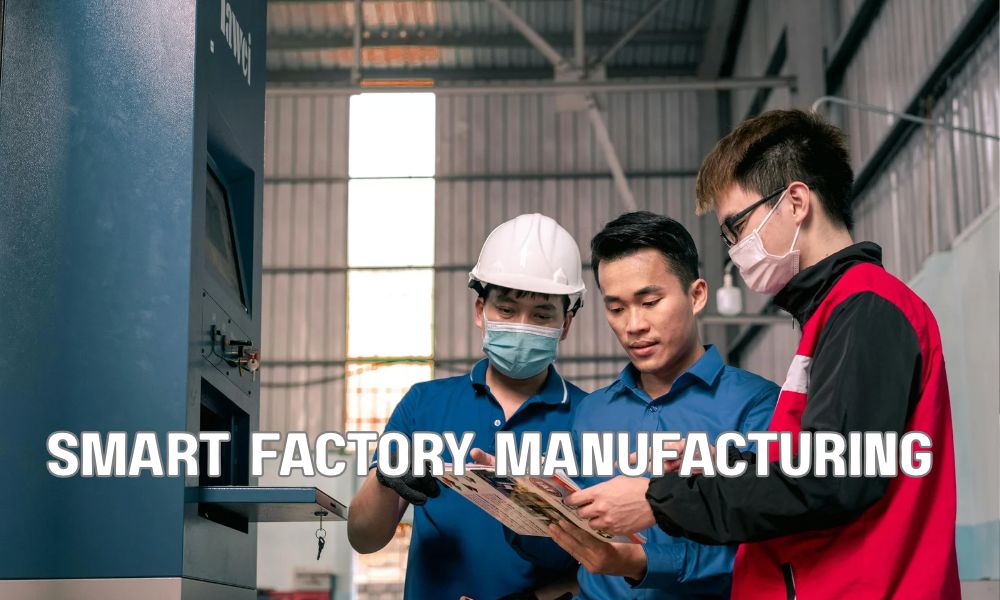
Manufacturing is entering a new phase of transformation. Automation, artificial intelligence, robotics, connected equipment, advanced analytics, and digital production systems are changing how factories operate. What once depended primarily on mechanical expertise and traditional production management increasingly requires an understanding of software, data, cybersecurity, workforce transformation, and interconnected supply chains.
Yet technology alone does not create a smart factory. Manufacturers can invest in advanced machinery and digital platforms without achieving meaningful improvements if employees do not adopt them, systems cannot communicate, or management teams lack the capabilities to translate information into better decisions. The real challenge is organizational as much as technological.
As manufacturers prepare for 2027, the expectations placed on senior leaders are changing. Plant managers must understand digital operations alongside production performance. Chief operating officers must connect automation investments with financial and commercial objectives. Technology executives must understand manufacturing realities rather than treating factories like conventional IT environments.
1. The Smart Factory Is Changing the Definition of Manufacturing Excellence
Traditional manufacturing performance was often measured through production volume, labor productivity, equipment utilization, quality, and delivery reliability. These indicators remain important, but connected manufacturing environments create additional opportunities to understand operations in greater detail.
Smart factories use connected equipment, industrial sensors, manufacturing execution systems, enterprise platforms, and analytical tools to improve visibility across production processes. Data can help identify equipment problems, monitor process variations, evaluate energy consumption, and reveal bottlenecks before they create significant disruption.
Instead of relying exclusively on periodic reports or manual observations, managers can increasingly use real-time information to understand factory performance. This can improve responsiveness and help organizations identify problems earlier.
2. Automation and Robotics Require a New Leadership Mindset
Automation is becoming increasingly important as manufacturers seek to improve productivity, address workforce constraints, increase consistency, and manage complex production requirements. Robotics, automated material handling, machine vision, and advanced process controls can support a wide range of manufacturing activities.
However, automation investments involve more than purchasing equipment. Companies must assess production requirements, integration costs, safety considerations, maintenance capabilities, and the skills needed to operate new systems. A solution that works effectively in one facility may not deliver the same results in another environment.
Executives must also consider how automation changes the broader operating model. Introducing robotics may reduce certain repetitive tasks while increasing demand for technicians, engineers, programmers, and employees capable of monitoring automated systems.
3. Artificial Intelligence Is Reshaping Production Decisions
Artificial intelligence is creating new possibilities across manufacturing operations. Predictive maintenance systems can analyze equipment information to identify patterns associated with potential failures. Machine vision can support selected inspection activities. Advanced analytics can help improve demand forecasting, production scheduling, inventory planning, and process optimization.
These applications can reduce uncertainty and improve decision-making, but their effectiveness depends on reliable data and appropriate implementation. Manufacturing environments often contain equipment from different generations, disconnected software platforms, inconsistent data structures, and processes that have developed independently over many years.
AI systems cannot automatically solve these underlying problems. Poor-quality information can produce unreliable recommendations, while technology that is disconnected from production workflows may remain underused.
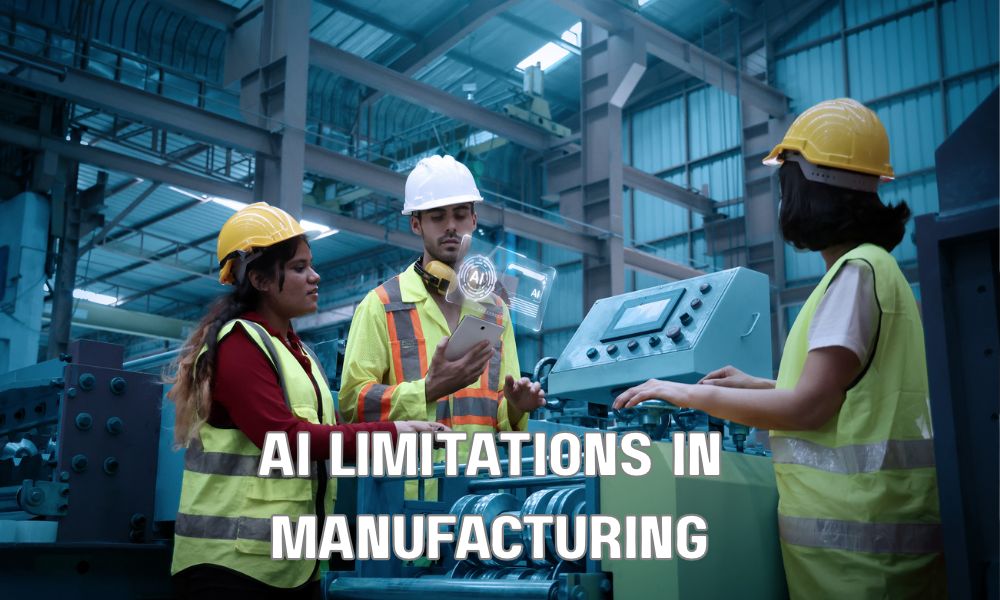
Leaders Must Understand the Limits of AI
Manufacturing executives do not need to become data scientists, but they must understand what AI systems can and cannot accomplish. They should be able to evaluate the business problem, examine the reliability of available data, and determine how recommendations will influence operational decisions.
Human oversight remains essential, especially where equipment safety, product quality, regulatory requirements, or significant production risks are involved. Organizations need clear accountability for decisions made with automated recommendations.
The most effective leaders will treat AI as an additional operational capability. They will encourage experimentation while requiring measurable evidence that technology is improving productivity, quality, reliability, or financial performance.
4. Connecting IT and OT Across Manufacturing Operations
One of the most important challenges in smart factory development is the relationship between information technology and operational technology. IT systems generally manage business information, applications, and enterprise data, while OT systems monitor and control industrial equipment and production processes.
Historically, these environments often operated separately. Smart manufacturing requires greater coordination because production information must increasingly connect with planning systems, inventory platforms, enterprise applications, and analytical tools.
Integration can improve visibility across the organization, but it also introduces technical and security challenges. Legacy equipment may use older communication standards, while different systems may not share information consistently. Connecting industrial environments to broader networks can also expand cybersecurity exposure.
5. Cybersecurity Is Becoming a Core Manufacturing Responsibility
As factories become more connected, cybersecurity becomes an increasingly important part of operational risk management. Industrial networks, production systems, connected sensors, remote maintenance tools, and enterprise applications can create additional opportunities for cyber threats to affect manufacturing operations.
A cyber incident may interrupt production, compromise sensitive information, disrupt supplier coordination, or affect the availability of critical systems. In certain environments, security failures may also create physical safety concerns.
Manufacturers must therefore move beyond treating cybersecurity as a responsibility limited to corporate IT departments. Security decisions need to reflect the specific requirements of industrial environments, where system availability and process reliability are especially important.
6. Workforce Transformation and the Skills Gap
Smart factory transformation is changing the skills manufacturers need. Traditional production knowledge remains essential, but employees increasingly work alongside automated equipment, connected systems, analytical platforms, and advanced inspection technologies.
Companies need technicians who can maintain complex machinery, engineers who understand industrial software, supervisors who can interpret operational data, and managers who can coordinate digital improvement projects. Competition for these capabilities may become a significant constraint as manufacturers modernize their facilities.
At the same time, existing employees may feel uncertain about how automation will affect their responsibilities. Poorly managed transformation can create resistance, reduce engagement, and weaken the adoption of new systems.
7. The Plant Manager Is Becoming a More Strategic Leader
The traditional plant manager has been responsible for production targets, staffing, quality, safety, maintenance, and delivery performance. These responsibilities remain central, but smart manufacturing adds new expectations involving data, automation, technology adoption, and cross-functional coordination.
Plant managers increasingly need to understand how digital systems influence production decisions. They must evaluate information from connected equipment, identify process inefficiencies, and communicate technology requirements to senior leadership.
This does not mean every plant manager must become a software specialist. It means they must be capable of working effectively with technology teams and understanding how digital improvements affect the factory’s operating model.
8. Supply Chain Integration and Manufacturing Resilience
Manufacturing performance depends heavily on the reliability of supply chains. Shortages of critical components, raw materials, energy, or specialized services can interrupt production even when factory operations are otherwise efficient.
Manufacturers must also manage changing customer requirements, transportation constraints, supplier concentration, geopolitical uncertainty, and fluctuating demand. These factors make it difficult to rely entirely on traditional cost-focused procurement strategies.
Digital manufacturing systems can improve visibility into inventory, supplier performance, production schedules, and material requirements. However, technology must be supported by effective planning and clear responsibilities across procurement, operations, and commercial teams.
Moving From Cost Optimization to Resilience
Chief supply chain officers should evaluate suppliers based on more than purchase price. Reliability, financial stability, quality, geographic exposure, lead times, and alternative sourcing options all influence supply chain risk.
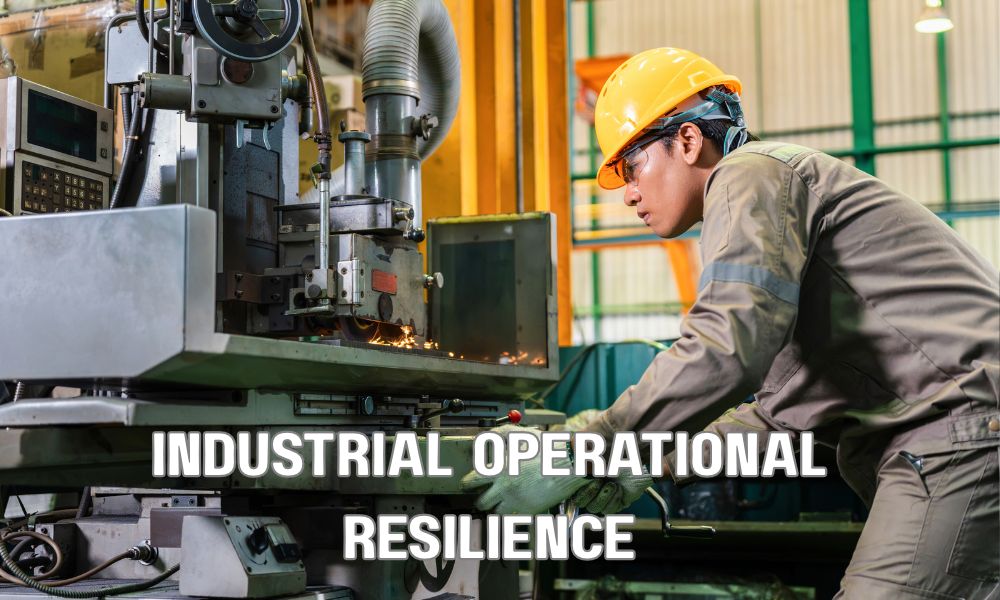
Manufacturing leaders should also understand which materials and components are essential to production continuity. Critical dependencies need appropriate contingency plans, including alternative suppliers, inventory strategies, and escalation procedures.
The goal is not to eliminate every disruption. It is to build an operating network capable of identifying risks early, responding effectively, and recovering without unnecessary damage to customers or financial performance.
9. Improving Quality Through Connected Manufacturing
Quality remains a fundamental requirement in manufacturing, regardless of how advanced a factory becomes. Product defects, inconsistent processes, equipment problems, and incomplete documentation can create financial losses and damage customer confidence.
Connected manufacturing technologies can support quality improvements by providing more detailed process information. Sensors, automated inspection systems, and digital records can help identify variations and improve traceability across production activities.
However, digital tools do not replace the need for strong quality management. Systems must be validated appropriately, information must be reliable, and employees must understand the processes they are expected to follow.
Creating a Culture of Continuous Improvement
Quality leaders should collaborate with engineering, production, maintenance, and technology teams. Their responsibility includes identifying recurring defects, improving corrective actions, and ensuring that process changes are managed appropriately.
Manufacturing executives should encourage employees to report problems early rather than focusing exclusively on production targets. When workers are pressured to meet output expectations without adequate attention to quality, organizations may create larger problems downstream.
Strong quality leadership combines accurate information, disciplined processes, and employee accountability. Technology can strengthen this approach, but organizational culture determines whether improvements become sustainable.
10. Financial Discipline and the Return on Smart Factory Investment
Smart factory transformation can require substantial capital. Automation equipment, industrial software, sensors, infrastructure, integration services, cybersecurity, and workforce training all contribute to investment requirements.
Manufacturers must therefore establish a clear financial rationale for modernization. Technology projects should address defined operational problems and include realistic expectations about implementation costs, productivity improvements, maintenance requirements, and long-term benefits.
Companies should avoid treating digital transformation as a single large project. A staged approach can help organizations test solutions, evaluate performance, and expand successful applications across facilities.
The CFO’s Role in Digital Manufacturing
Chief financial officers must understand how smart factory investments affect operating costs, production capacity, working capital, and financial risk. They should work with operations and technology executives to establish meaningful performance indicators.
Potential measures include equipment availability, production throughput, defect rates, energy consumption, maintenance costs, and inventory performance. The appropriate indicators depend on the business problem being addressed.
Financial discipline should support innovation rather than prevent it. Executives must distinguish between investments with a credible operating case and projects driven primarily by technological enthusiasm.
Conclusion: Technology Needs the Right Manufacturing Leadership
Manufacturing in 2027 will be shaped by automation, AI, connected systems, cybersecurity, workforce transformation, and increasing expectations for operational efficiency. Smart factories will create opportunities to improve production performance, but technology alone will not determine which organizations succeed.
The difference will come from leadership. Companies need executives who understand how digital systems interact with physical operations, how investment decisions affect long-term performance, and how employees can be prepared for changing responsibilities.
For CEOs and boards, the priority should be building leadership teams capable of connecting technology with business strategy. For COOs and plant managers, success will depend on combining operational discipline with digital awareness. For human resources leaders, workforce development must become part of the manufacturing transformation agenda.
The smart factory needs more than advanced equipment. It needs leaders who can make technology useful, people capable of operating it, and organizational systems that support continuous improvement. In 2027, manufacturers that develop this combination will be better prepared to compete, adapt, and grow.
Frequently Asked Questions
1. What is a smart factory in manufacturing?
A smart factory uses connected equipment, automation, industrial software, sensors, and data analytics to improve production visibility, efficiency, quality, and decision-making. It connects physical manufacturing processes with digital systems to support more responsive operations.
2. Why does smart manufacturing require a different kind of leader?
Smart manufacturing requires leaders who understand traditional production management alongside automation, data, cybersecurity, technology investment, and workforce transformation. Executives must connect digital capabilities with practical operating results.
3. How will AI affect manufacturing operations in 2027?
AI may support predictive maintenance, quality inspection, production scheduling, demand forecasting, and process optimization. Its effectiveness will depend on reliable data, suitable integration, human oversight, and clearly defined business objectives.
4. What skills will future manufacturing leaders need?
Future leaders will need operational expertise, digital fluency, financial judgment, cybersecurity awareness, supply chain understanding, workforce development capabilities, and strong change management skills.
5. Why is IT and OT integration important in smart factories?
IT and OT integration allows business systems and industrial production environments to exchange information more effectively. It can improve operational visibility and coordination, although manufacturers must manage legacy systems, compatibility, and cybersecurity risks.
6. How can manufacturers address the smart factory skills gap?
Companies can invest in technical training, apprenticeships, reskilling, cross-functional development, and partnerships with educational institutions. They should also strengthen succession planning for specialized engineering, maintenance, and digital leadership roles.
7. How should manufacturers evaluate smart factory investments?
Investments should address defined operational problems and be assessed through measurable outcomes such as productivity, equipment availability, quality, maintenance costs, energy efficiency, and inventory performance. Total implementation and long-term ownership costs should also be considered.
8. Why is executive recruitment important for smart manufacturing transformation?
Executive recruitment helps manufacturers identify leaders with the operational, technological, financial, and organizational capabilities needed to modernize factories. The right executives can turn digital investments into sustainable improvements in manufacturing performance.

Tanya Gallardo
Managing Director, Executive Search & AI Talent Strategy
Tanya Gallardo is the Managing Director of Executive Search & AI Talent Strategy at JRG Partners, leading C-suite and Board engagements across key growth sectors including Technology, Financial Services, and Manufacturing.
With over 18 years of experience specializing in disruptive technology leadership, Tanya is recognized as a leading authority on talent architecture for future-focused executive roles, such as the Chief AI Officer (CAIO) and Chief Digital Officer (CDO). Her expertise lies in accurately assessing the cultural fit and technical depth required to ensure a high return on investment (ROI) for critical leadership appointments.
Prior to her role at JRG Partners, Tanya held senior roles directing global talent acquisition strategies at a major publicly-traded technology firm, advising on organizational design and succession planning for emerging executive functions. She is a recognized speaker and contributor to industry events, sharing data-driven insights on executive compensation, leadership development, and the measurable business impact of C-suite talent.
