



Drawing on our executive search practice, we put this together to give employers a grounded, practical view they can act on. The Chief Scientific Officer sets the scientific direction that determines what a company will have to sell in five or ten years, which makes it among the most consequential and hardest-to-assess hires a life sciences board makes. The difficulty is that scientific judgment reveals itself over long horizons, so you are assessing a capability whose track record is inherently slow to establish.
Key Takeaways
- The CSO sets direction whose results emerge over many years.
- Scientific judgment matters more than publication record or reputation.
- Assess programme decisions, especially the ones to stop.
- The CSO must attract and retain scientific talent.
- Match the profile to discovery, translational, or platform emphasis.
Judgment Over Reputation
Scientific reputation and executive scientific judgment are related but distinct. A distinguished researcher may be excellent at their own science and poor at allocating a portfolio, killing weak programmes, or judging which of several attractive directions a company should pursue with finite capital. The assessment should therefore centre on decisions rather than accomplishments: which programmes did they back and why, which did they stop and on what evidence, how did they weigh scientific attractiveness against feasibility and commercial relevance. These questions surface judgment in a way that discussing published work does not.
The Discipline of Stopping Programmes
The clearest signal of a strong CSO is a demonstrated willingness to stop programmes that are not working, on evidence rather than on exhaustion of budget. Terminating a programme is scientifically and organisationally difficult, since teams are invested and stopping looks like failure, yet portfolio quality depends on it more than on selection. Ask candidates for specific programmes they stopped, what evidence drove the decision, how they handled the organisational consequences, and whether in hindsight they stopped too early or too late. Candidates who have never stopped anything significant are telling you something.
Attracting and Keeping Scientists
A CSO’s practical output is largely delivered through the scientists they attract, retain, and develop, which makes recruiting credibility and people leadership central rather than incidental. Strong scientists choose to work for CSOs whose scientific judgment they respect and who will give them meaningful problems and appropriate autonomy. Assess whether the candidate has built research organisations that attracted good people and kept them, and speak to scientists who worked for them, since their view of the candidate’s scientific and personal leadership is unusually informative.
Match the Emphasis to the Company
The CSO role varies substantially by company. A discovery-focused organisation needs deep expertise in target identification and early biology; a translational company needs someone who excels at moving science toward the clinic; a platform company needs a leader who can extend and defend a technology across applications. These are different strengths, and a distinguished discovery scientist may be poorly suited to a company whose challenge is clinical translation. Define which emphasis your company actually requires before assessing candidates against a general notion of scientific leadership.
What This Looks Like in Practice
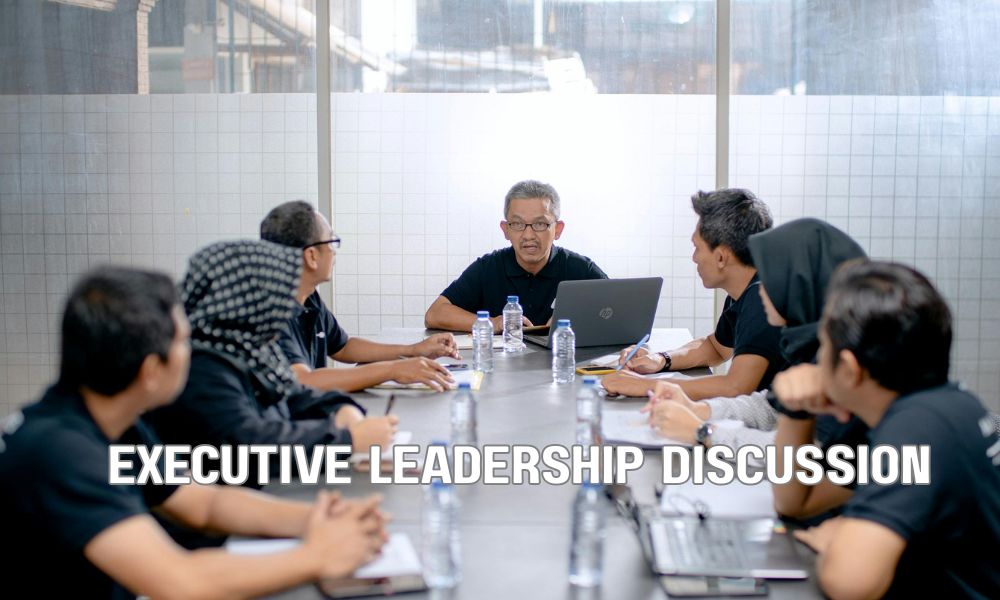
A board recruiting a CSO assesses portfolio decisions rather than publication record, probes specifically for programmes the candidate stopped and the evidence behind those calls, examines their record attracting and retaining strong scientists including through references from those scientists, and matches the profile to whether the company’s challenge is discovery, translation, or platform extension.
The Mistake Employers Keep Making
The most common mistake is recruiting on scientific eminence, appointing a distinguished researcher whose reputation is genuine but whose portfolio judgment is untested. The company gains scientific credibility and loses years to programmes that should have been stopped earlier, because the skill that produces excellent individual research is not the skill that allocates a portfolio under capital constraint.
What to Assess in a CSO
| Signal | What It Reveals |
|---|---|
| Programmes stopped and why | Portfolio judgment and discipline |
| Programme selection reasoning | How they weigh science against feasibility |
| Scientist retention record | Whether talent will follow them |
| Emphasis fit | Discovery, translational, or platform match |
| Publication record | Scientific standing, but not portfolio judgment |
The Bottom Line
A CSO’s value lies in portfolio judgment exercised over long horizons, so assess the programme decisions they made and especially stopped, their record attracting and keeping strong scientists, and whether their emphasis matches your company’s actual challenge, rather than recruiting on scientific eminence alone. The employers who hire well here are the ones who respect what makes the role specific, and search accordingly.
Related Reading
For more, see How to Recruit a Chief Medical Officer for a Pharma Company, Building an Executive Team for a Pre-Commercial Biotech, Building Diverse Leadership Teams in Pharma R&D.
Frequently Asked Questions
- Q: What distinguishes a strong CSO?
- A: Portfolio judgment, which programmes to back, which to stop, and how to weigh scientific attractiveness against feasibility and commercial relevance, rather than personal scientific eminence.
- Q: Why focus on programmes they stopped?
- A: Because portfolio quality depends more on stopping weak programmes than on selecting attractive ones, and stopping is organisationally difficult, so a record of doing it signals genuine discipline.
- Q: Does publication record matter?
- A: It indicates scientific standing but not portfolio judgment, so it should inform rather than drive the assessment of an executive scientific leadership role.
- Q: Why do scientist references matter?
- A: Because a CSO delivers through the scientists they attract and retain, and those scientists’ view of their judgment and leadership is unusually informative.
- Q: How do CSO profiles differ by company?
- A: Discovery organisations need target and early biology depth, translational companies need clinical translation strength, and platform companies need technology extension capability.

Tanya Gallardo
Managing Director, Executive Search & AI Talent Strategy
Tanya Gallardo is the Managing Director of Executive Search & AI Talent Strategy at JRG Partners, leading C-suite and Board engagements across key growth sectors including Technology, Financial Services, and Manufacturing.
With over 18 years of experience specializing in disruptive technology leadership, Tanya is recognized as a leading authority on talent architecture for future-focused executive roles, such as the Chief AI Officer (CAIO) and Chief Digital Officer (CDO). Her expertise lies in accurately assessing the cultural fit and technical depth required to ensure a high return on investment (ROI) for critical leadership appointments.
Prior to her role at JRG Partners, Tanya held senior roles directing global talent acquisition strategies at a major publicly-traded technology firm, advising on organizational design and succession planning for emerging executive functions. She is a recognized speaker and contributor to industry events, sharing data-driven insights on executive compensation, leadership development, and the measurable business impact of C-suite talent.
