


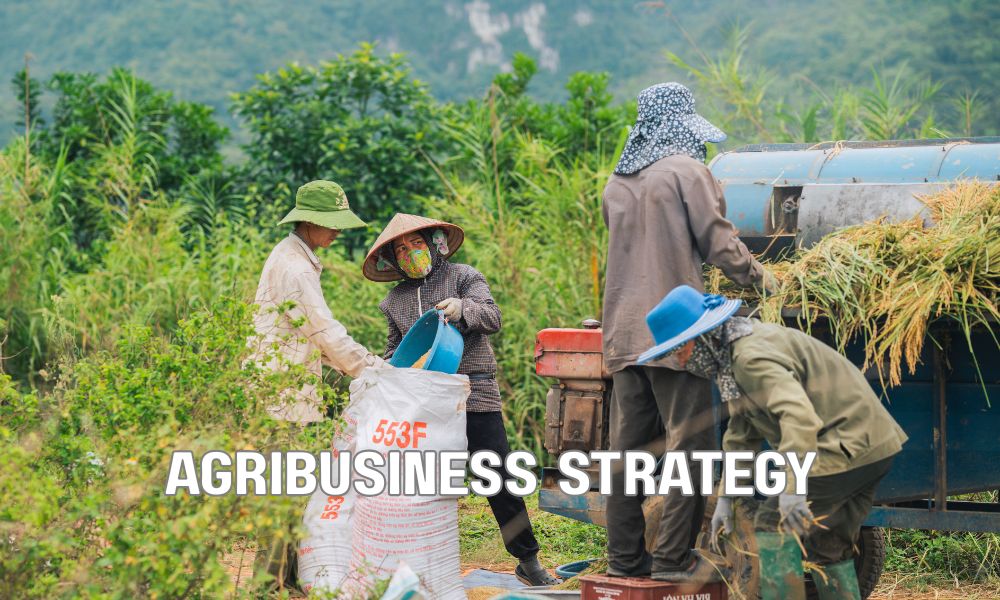
The global agriculture and agribusiness sector is in the midst of a profound industrial and technological revolution. Driven by the urgent need to feed a growing global population, navigate extreme climate volatility, and optimize heavily disrupted global supply chains, the industry is rapidly transitioning from traditional farming and processing into a highly sophisticated, data-driven enterprise. Private equity sponsors and institutional investors are deploying billions of dollars into agribusiness roll-ups, precision AgTech, and vertically integrated food production systems.
However, capital and advanced agricultural technology alone cannot guarantee commercial success. The true operational bottleneck in the modern agribusiness sector is a severe scarcity of elite executive leadership. Organizations are discovering that legacy agricultural managers—who may understand crop cycles or basic processing but lack the commercial sophistication to manage volatile commodity pricing, integrate robotics, or scale multi-state operations—are ill-equipped to govern modern, hyper-growth agribusinesses.
Securing a transformative Chief Operating Officer (COO), President, or VP of Operations is the single most critical lever for driving EBITDA expansion and protecting market share in this complex ecosystem. This comprehensive guide outlines how corporate boards, private equity sponsors, and CEOs can successfully identify, evaluate, and recruit the modern agribusiness executive capable of modernizing supply chains, mitigating commodity risk, and executing aggressive commercial growth mandates.

1. The Evolution of the Agribusiness Executive: From the Field to the Boardroom
Historically, an operations executive in agriculture focused primarily on localized yield metrics, seasonal labor management, and basic equipment maintenance. The modern agribusiness operations leader must operate as a highly sophisticated supply chain architect and commercial strategist.
Today’s agribusiness executives are tasked with navigating multi-variable, global challenges. They must implement precision agriculture technologies (such as IoT soil sensors, drone surveying, and autonomous tractors) to drive yield density. They must optimize processing and packaging facilities to mitigate severe labor shortages, restructure supply chains to support direct-to-consumer (D2C) or complex B2B wholesale distribution, and manage the intense financial exposure of global commodity market fluctuations. Hiring a leader stuck in an outdated, localized mindset will immediately cripple a producer’s or processor’s growth trajectory.
2. Key Leadership Archetypes: Defining the Core Mandates
Before launching an executive search, the board or private equity sponsor must precisely define the operational gap. In the agribusiness sector, titles can overlap, but the commercial and operational mandates are distinctly different depending on where the company sits in the value chain.
A. The President / General Manager (The Commercial & P&L Architect)
The President or GM possesses ultimate accountability for the overarching Profit and Loss (P&L) of the enterprise or a massive regional division. They are responsible for harmonizing agricultural production with aggressive commercial sales and strict operational cost control.
- Core Strengths: Strategic market expansion, vendor/supplier negotiations, commodity risk management, pricing strategy, and cross-functional leadership aligning sales, processing, and farming operations.
- Ideal Background: A hybrid executive who has risen through both commercial and operational tracks, possessing a deep understanding of gross margin return on investment and global agricultural markets.
B. The Chief Operating Officer (The Supply Chain & Processing Engine)
The COO is the master of internal efficiency, processing throughput, and supply chain logistics. While the President focuses on market share and top-line growth, the COO ensures that the organization can harvest, process, and distribute those products profitably.
- Core Strengths: Processing plant optimization, cold-chain logistics, fleet routing, continuous improvement (Lean/Six Sigma), and labor productivity automation.
- Ideal Background: Deep, analytical supply chain and manufacturing expertise, with a proven history of stripping out operational waste and managing highly perishable inventory across a multi-state footprint.
C. VP of AgTech & Field Operations (The Precision Agriculture Leader)
For vertically integrated producers or large-scale farming operations, this executive is critical. They manage the actual physical production, ensuring that every acre or facility adheres to strict yield, sustainability, and technological standards.
- Core Strengths: Agronomy integration, autonomous equipment deployment, IoT data analytics, seasonal labor management (e.g., H-2A visa programs), and water/resource conservation.
- Ideal Background: Extensive large-scale farming or greenhouse management experience, possessing the technical fluency to integrate modern software and robotics into traditional dirt-farming environments.
3. Critical Competencies to Demand in Agribusiness Leadership
Evaluating an executive candidate for an agribusiness leadership role requires moving past generic management platitudes and interrogating their specific mechanical grasp of agricultural economics. Search committees must rigorously assess four critical competencies:
1. Commodity Risk & Margin Management
Agribusiness operates at the mercy of global commodity prices, weather events, and geopolitical trade tariffs. An elite COO or President understands how to optimize operational margins despite this volatility. They must be fluent in forward contracting, hedging strategies, and input cost optimization (fertilizer, fuel, feed) to protect EBITDA from sudden market shocks.
2. Supply Chain & Perishable Logistics Mastery
Unlike traditional manufacturing, agribusiness deals heavily in highly perishable inventory. A transformative operations executive must possess a masterful understanding of cold-chain logistics, rapid processing throughput, and shelf-life maximization. They utilize predictive analytics to align harvest schedules perfectly with processing capacity and downstream transportation logistics to eliminate spoilage and dead stock.
3. AgTech Integration & Automation
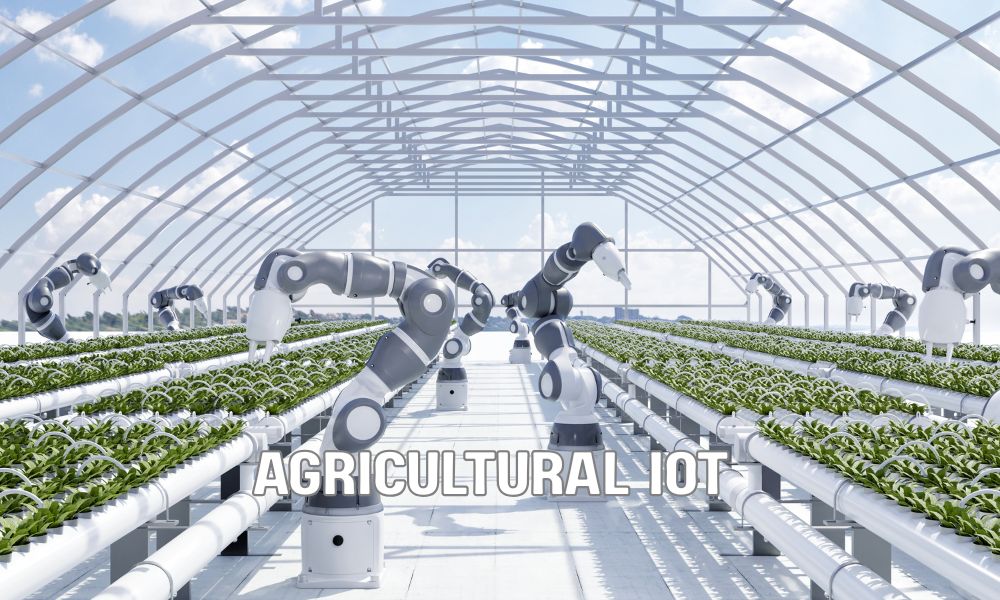
The modern operations leader must bridge the gap between physical agriculture and digital technology. They must oversee the modernization of legacy equipment and build the architecture required to support autonomous harvesting, machine-vision quality control in processing plants, and farm management software (FMS) that tracks yield down to the square meter.
4. Regulatory Compliance & Sustainability (ESG)
Modern agribusiness faces intense scrutiny regarding land use, water rights, chemical runoff, and animal welfare. A top-tier executive views Environmental, Social, and Governance (ESG) standards not as a burden, but as a commercial advantage. They understand how to navigate USDA/FDA regulations, implement regenerative agriculture practices, and secure premium pricing through certified sustainable supply chains.
4. The Agribusiness Executive Scorecard: 5 Vetting Domains
To ensure objective assessment across the executive interview process, search committees should score every finalist across five distinct operational domains utilizing a structured rubric:
| Evaluation Domain | Critical Core Competencies | Sample Board Interview Question |
|---|---|---|
| 1. P&L & Margin Expansion | Gross margin optimization, input cost control, commodity hedging strategy, OPEX reduction. | “Walk us through a time you faced a sudden, massive spike in input costs (e.g., fertilizer or fuel). What specific operational and pricing levers did you pull to protect EBITDA margins?” |
| 2. Processing & Supply Chain | Throughput optimization, cold-chain logistics, waste/spoilage reduction, facility consolidation. | “How do you balance the unpredictable nature of agricultural harvests with the strict, just-in-time delivery requirements of major retail or wholesale grocery partners?” |
| 3. AgTech & Technological Modernization | FMS/ERP implementation, automation/robotics deployment, precision agriculture, IoT sensors. | “Describe your role in implementing a major automation project (e.g., in the field or the processing plant). How did you manage the capital expenditure and ensure adoption by a traditional workforce?” |
| 4. M&A / Post-Merger Integration | Asset consolidation, SOP standardization, synergy realization, corporate culture integration. | “When acquiring a multi-generational, founder-owned farming or processing operation, what is your 100-day playbook for integrating them into a corporate PE-backed structure?” |
| 5. Labor, Safety & ESG | H-2A labor management, OSHA/USDA compliance, water/resource conservation, sustainable practices. | “Given the severe national shortage of agricultural and processing labor, how have you structurally altered your operations or incentive programs to maintain output velocity?” |
5. Executive Compensation & Structuring the Offer
The agribusiness sector has become a primary target for private equity sponsors aiming to consolidate fragmented markets and introduce technological efficiencies. Consequently, compensation packages for elite COOs and Presidents must align directly with aggressive value-creation plans and exit multiples.
To attract top-tier agribusiness talent away from established competitors, organizations must structure highly competitive, performance-driven offers:
- Base Compensation: Base salaries for mid-market to enterprise Presidents and COOs typically range from $275,000 to $450,000+, scaling alongside the organization’s revenue size, processing complexity, and geographic footprint.
- EBITDA-Linked Annual Incentives: Short-Term Incentives (STI) typically range from 40% to 100% of base salary. In private equity environments, these bonuses are tied strictly to hard financial metrics: hitting EBITDA targets, successfully integrating add-on acquisitions, and achieving specific processing yield improvements.
- Long-Term Equity & Profits Interests (PIUs): The true driver for elite executives is the equity stack. In PE-backed platforms, Presidents and COOs command significant equity grants or Profits Interest Units (typically 1.0% to 3.0% of the management pool), aligning their financial outcome directly with the sponsor’s exit valuation.
- Relocation and Rural Dynamics: Agribusiness headquarters and major processing facilities are frequently located in rural or secondary markets, not major metropolitan hubs. Finding the perfect operator often requires geographic relocation. Boards must be prepared to offer robust relocation packages and structure appealing “make-whole” bonuses to extract candidates from their current regions.
Conclusion
The global agribusiness sector is undergoing a historic period of technological modernization and commercial consolidation. Operators can no longer afford leadership that views farming and food processing through an outdated, purely localized lens. The modern Agribusiness President or COO must operate as a commercial strategist, a digital architect, and an uncompromising executor of operational efficiency. They are the linchpin that connects agricultural output with bottom-line EBITDA realization.
Identifying and extracting these rare, battle-tested executives requires moving beyond active job boards and generic staffing methodologies. Top agribusiness leaders are heavily compensated, deeply entrenched, and laser-focused on running their current operations. To successfully map the market, confidently vet complex operational capabilities, and negotiate high-stakes equity structures, forward-thinking boards and private equity sponsors partner with specialized recruitment experts. By engaging a dedicated Agribusiness Executive Search Firm, your organization gains the proprietary networks and deep industry intelligence required to secure the transformative leadership that will dominate the modern food and agricultural supply chain.
Frequently Asked Questions (FAQs)
1. What is the difference between a traditional farm manager and a modern Agribusiness COO?
A traditional farm manager focuses strictly on agronomy, localized yield, and daily field labor. A modern Agribusiness COO is a corporate executive responsible for the entire supply chain, including multi-site processing plant optimization, cold-chain logistics, CapEx technology deployment (like robotics and FMS), and aligning operational output with complex commercial sales contracts.
2. Why is M&A integration experience critical for a modern Agribusiness President?
The agribusiness sector is highly fragmented and currently experiencing a massive wave of private equity roll-ups. A company might acquire multiple regional farms or processing facilities in a single year. If the President cannot rapidly integrate these acquisitions—standardizing their ERPs, consolidating redundant logistics, and harmonizing corporate cultures—the anticipated financial synergies will fail.
3. How long does a retained executive search for an Agribusiness COO take?
A rigorous, retained executive search for a C-suite agribusiness leader typically requires 12 to 16 weeks from the execution of the contract to a signed offer letter. This timeline accounts for deep market mapping, covert outreach to passive candidates, rigorous multi-stage technical vetting, and complex equity negotiations.
4. What role does the COO play in managing agricultural labor shortages?
Labor scarcity is a massive threat to agribusiness. An elite COO tackles this via two primary avenues: navigating and optimizing complex visa programs (like the H-2A temporary agricultural worker program) and aggressively deploying capital into automation—such as automated harvesting equipment, robotic sorting in processing plants, and drone technology—to structurally reduce headcount reliance.
5. How should a board evaluate a candidate’s technological capability in agriculture?
Force the candidate to discuss specific AgTech integrations. Ask them how they handled the change management required to get a veteran workforce to adopt new Farm Management Software (FMS), or how they utilized predictive analytics and IoT soil sensors to optimize water usage and increase processing yield percentages.
6. What are the biggest operational red flags when interviewing an agribusiness executive?
Key warning signs include: prioritizing raw production volume without a clear understanding of net profit margins and processing bottlenecks; lacking a structured methodology for mitigating commodity and input cost volatility; a dismissive attitude toward environmental compliance and ESG standards; and a lack of experience in managing automated processing tech.
7. How does geographic location impact agribusiness executive recruitment?
Because major agricultural operations and processing plants are often located in rural or secondary markets (e.g., the Midwest, Central Valley of California, or the Southeast), recruiting top C-suite talent often requires national relocation. Companies must be prepared to offer compelling relocation packages and highlight the community and lifestyle advantages to attract executives accustomed to larger metropolitan areas.
8. Why use a specialized executive search firm instead of a generalist recruiter?
Generalist recruiters lack the granular industry vocabulary to accurately vet a candidate’s expertise in specialized areas like cold-chain logistics, commodity hedging, agronomy integrations, or USDA regulatory compliance. A specialized firm brings deep, pre-existing networks of proven agribusiness operators and the technical credibility required to extract them from competitors.

Tanya Gallardo
Managing Director, Executive Search & AI Talent Strategy
Tanya Gallardo is the Managing Director of Executive Search & AI Talent Strategy at JRG Partners, leading C-suite and Board engagements across key growth sectors including Technology, Financial Services, and Manufacturing.
With over 18 years of experience specializing in disruptive technology leadership, Tanya is recognized as a leading authority on talent architecture for future-focused executive roles, such as the Chief AI Officer (CAIO) and Chief Digital Officer (CDO). Her expertise lies in accurately assessing the cultural fit and technical depth required to ensure a high return on investment (ROI) for critical leadership appointments.
Prior to her role at JRG Partners, Tanya held senior roles directing global talent acquisition strategies at a major publicly-traded technology firm, advising on organizational design and succession planning for emerging executive functions. She is a recognized speaker and contributor to industry events, sharing data-driven insights on executive compensation, leadership development, and the measurable business impact of C-suite talent.
