



Aerospace and defense organizations depend on experienced leaders who can translate complex engineering requirements into reliable production, manage demanding programs, and coordinate teams across highly specialized operating environments. As companies pursue new contracts, expand manufacturing capacity, modernize existing systems, and invest in advanced technologies, securing the right executive talent becomes an important part of business strategy.
The challenge is not simply finding candidates with aerospace or defense experience. Employers must identify executives who have managed comparable technical complexity, led multidisciplinary teams, made sound decisions under operational pressure, and delivered results within demanding commercial, contractual, and regulatory environments. These requirements narrow the available talent pool, particularly when several organizations seek similar leadership capabilities at the same time.
For employers, addressing the executive talent shortage requires a more deliberate approach to workforce planning, succession, candidate assessment, and executive recruitment. Organizations that define their leadership requirements early and evaluate candidates against measurable business priorities can make more informed hiring decisions while reducing the risk of prolonged vacancies.
Why Is Executive Talent Difficult to Find in Aerospace and Defense?
The aerospace and defense executive talent shortage is influenced by several overlapping factors. Industry-specific knowledge takes time to develop, senior positions require a combination of technical and commercial judgment, and experienced executives may already hold demanding leadership responsibilities. Replacing these individuals is not always straightforward because the experience required for one business may not transfer completely to another.
1. Specialized industry experience takes time to develop
Many aerospace and defense leadership positions require familiarity with engineering processes, production systems, quality management, complex supplier networks, program governance, and customer requirements. Executives must understand how decisions in one function can affect performance across the wider organization.
A leader with extensive manufacturing experience may be well suited to a production-focused role but still need additional experience to manage the requirements of a defense program or a highly regulated aerospace operation. Employers must distinguish between transferable leadership skills and experience that is genuinely essential to the position.
2. Technical expertise and executive leadership must work together
Senior engineering and operations roles require more than subject-matter knowledge. Executives must allocate resources, develop managers, resolve competing priorities, communicate with customers, and connect technical decisions with business objectives.
This combination can be difficult to find. A technically accomplished candidate may lack experience managing a large organization, while a commercially successful executive may not have the depth of technical understanding needed to lead specialized engineering or manufacturing teams.
3. Leadership vacancies can create operational pressure
When an experienced executive leaves, the organization may face more than a gap in its reporting structure. Institutional knowledge, supplier relationships, customer confidence, decision-making authority, and program continuity can also be affected.
Existing leaders may temporarily absorb additional responsibilities, but prolonged vacancies can make it harder to maintain focus on strategic initiatives. Employers should therefore consider executive succession and recruitment before a leadership gap becomes an urgent operational problem.
4. Competing employers seek overlapping capabilities
Aerospace manufacturers, defense contractors, engineering businesses, and advanced manufacturing organizations may compete for leaders with similar backgrounds. Executives who have managed complex programs, improved manufacturing performance, or led specialized technical teams can be attractive to multiple employers.
Organizations that rely exclusively on active applicants or begin searching only after a vacancy occurs may miss qualified candidates who are not actively seeking a new role. A focused executive search can help identify relevant talent beyond the immediately visible applicant pool.
Three Leadership Areas Facing Distinct Hiring Challenges
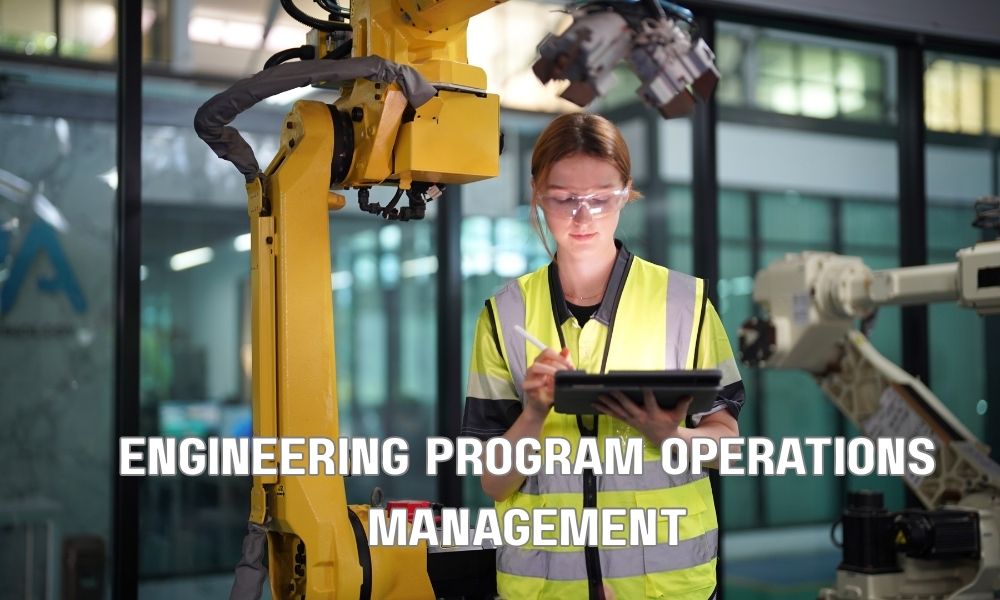
The executive talent challenge is not identical across engineering, program management, and operations. Each function requires a different mix of expertise, leadership judgment, and performance accountability. Employers should tailor their search strategy to the responsibilities and outcomes of the specific position.
Engineering leadership: Connecting technical capability with business priorities
Engineering executives oversee technical teams, development priorities, design decisions, systems integration, testing, and technical risk. Depending on the organization, they may lead product development, engineering services, manufacturing engineering, research and development, or complex systems programs.
Finding the right candidate can be difficult when the role requires both deep technical credibility and the ability to lead an expanding organization. Employers may need someone who understands design maturity and engineering change management while also making decisions about budgets, staffing, project priorities, and long-term technical investment.
When assessing engineering executives, employers should evaluate:
- Experience leading multidisciplinary engineering or technical organizations.
- Ability to manage technical risk, design changes, testing, and systems integration.
- Experience coordinating engineering with manufacturing, quality, procurement, and program management.
- Ability to develop technical leaders and build sustainable engineering capabilities.
- Evidence of balancing innovation, cost, schedule, reliability, and customer requirements.
The goal is to identify an executive who can maintain technical rigor while ensuring that engineering decisions support the organization’s commercial and operational objectives.
Program management: Leading complex commitments across functions
Program management executives are responsible for coordinating work across teams, managing resources, identifying delivery risks, and maintaining alignment with customer expectations. In aerospace and defense, programs can involve extended development cycles, specialized suppliers, complex technical dependencies, and multiple contractual milestones.
A strong program leader must understand how engineering decisions, procurement delays, production readiness, and resource constraints affect overall execution. The individual also needs the judgment to escalate issues early, communicate difficult decisions, and maintain accountability without encouraging teams to compromise required quality or compliance standards.
When evaluating program management candidates, consider:
- Experience overseeing programs with comparable technical complexity and delivery obligations.
- Ability to identify dependencies, manage risks, and establish meaningful reporting mechanisms.
- Experience coordinating engineering, manufacturing, finance, supply chain, and customer-facing teams.
- Ability to recover troubled programs and explain the decisions behind previous outcomes.
- Judgment in managing changes to scope, schedule, resources, and customer requirements.
Employers should look beyond the number or value of programs a candidate has managed. The more important question is whether the executive can explain how decisions were made, which risks were addressed, and what results were achieved.
Operations leadership: Turning capacity and resources into dependable delivery
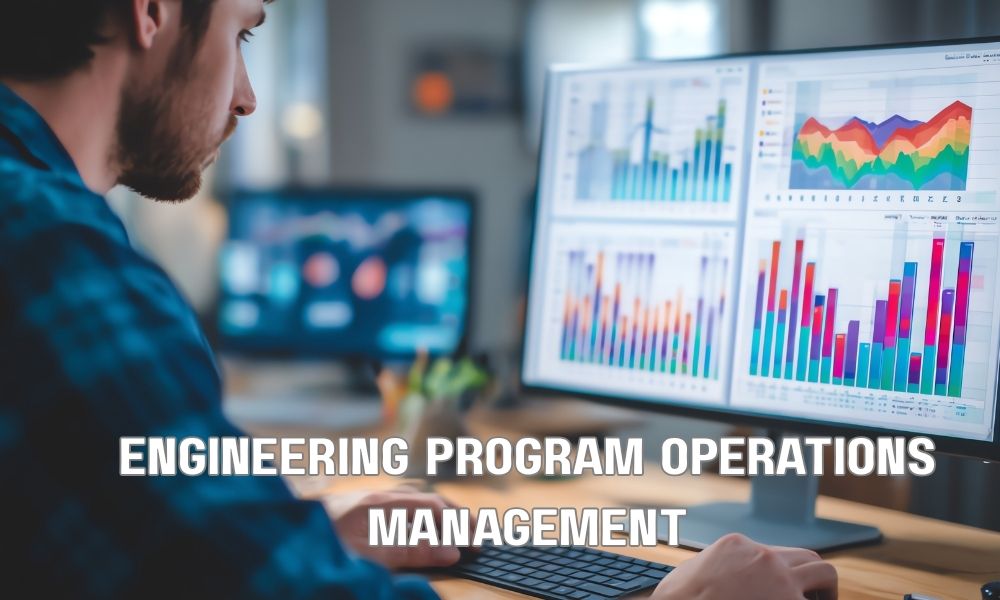
Operations executives connect strategy with daily execution. Their responsibilities may include manufacturing performance, production planning, facility capacity, workforce development, operational excellence, quality coordination, and delivery reliability.
The hiring challenge becomes more demanding when organizations are increasing output, integrating new facilities, addressing production bottlenecks, or managing inconsistent supplier performance. In these situations, the executive must diagnose underlying problems rather than rely on short-term fixes.
Relevant capabilities include:
- Manufacturing strategy, capacity planning, and production execution.
- Continuous improvement and operational performance management.
- Workforce planning, succession development, and frontline leadership capability.
- Coordination between manufacturing, engineering, quality, and supply chain.
- Experience managing operational risk while protecting safety, quality, and contractual commitments.
Organizations seeking an operations leader with relevant industry experience can explore the VP of Operations executive search practice for aerospace and defense as part of their leadership planning.
Strategies for Overcoming the Aerospace and Defense Executive Talent Shortage
1. Define the leadership mandate before starting recruitment
Employers should begin by documenting the business problem the new executive must solve. Is the organization preparing for increased production, improving program execution, strengthening engineering leadership, managing an acquisition, or building a more resilient supply chain?
A clear mandate should specify the role’s scope, reporting relationships, decision-making authority, essential experience, and expected outcomes. It should also distinguish between mandatory qualifications and capabilities that can be developed after appointment.
This prevents organizations from creating unnecessarily restrictive candidate profiles that exclude experienced leaders who could perform the role effectively.
2. Expand the talent map without weakening essential requirements
Direct aerospace and defense experience can be important, but employers should assess where comparable experience may be transferable. Candidates from adjacent technically complex industries may bring valuable expertise in manufacturing systems, engineering governance, quality management, supply chain resilience, or large-scale program execution.
Transferability should be evaluated against the specific assignment. A candidate from another industry may be appropriate for a manufacturing transformation role but less suitable for a position requiring immediate experience with specialized defense program obligations.
Organizations should also consider the scale of the candidate’s previous responsibilities, the complexity of the products or services involved, and the extent to which the individual personally influenced outcomes.
3. Build a succession pipeline for critical positions
Succession planning helps organizations identify internal and external candidates before a senior leadership position becomes vacant. It should include an assessment of current capabilities, likely future requirements, development needs, and potential transition timelines.
Internal candidates may provide continuity and organizational knowledge, while external candidates can bring new perspectives or experience that is not available within the current leadership team. A balanced succession strategy evaluates both options objectively.
4. Use targeted executive search for specialized mandates

When a position requires a narrow combination of technical knowledge, executive experience, and industry familiarity, targeted executive recruitment can help employers reach a broader set of relevant candidates.
A well-defined search process should identify appropriate talent markets, establish consistent evaluation criteria, protect confidential information, and provide realistic expectations about the role and recruitment timeline.
Employers should also communicate the organization’s strategy, decision-making environment, leadership expectations, and reasons for hiring. Experienced executives are more likely to assess an opportunity seriously when the mandate is clearly explained and the hiring process is well organized.
5. Strengthen the value proposition for executive candidates
Compensation matters, but senior candidates often consider a broader set of factors when evaluating a new position. These can include the scope of responsibility, quality of the leadership team, access to resources, organizational stability, strategic influence, location, travel expectations, and opportunities to build lasting capabilities.
Employers should present an accurate picture of both the opportunity and its challenges. Overstating organizational readiness or minimizing known problems can damage trust during recruitment and create misalignment after appointment.
6. Evaluate candidates with evidence-based assessments
Structured interviews help distinguish executives who have genuinely led comparable work from those who are familiar with the terminology but lack the relevant experience.
Ask candidates to describe specific decisions, constraints, trade-offs, team structures, and outcomes. Use consistent questions across candidates and record the evidence supporting each assessment.
For sensitive defense-related positions, confirm any role-specific security eligibility or access requirements through the organization’s authorized security and compliance processes. Do not assume that every position has identical requirements or that previous eligibility automatically grants access to a new assignment.
The Role of Supply Chain Leadership in Closing Capability Gaps
Although engineering, program management, and operations are distinct disciplines, their effectiveness depends heavily on supplier performance and material availability. A technically sound design cannot move into production as planned if critical components are unavailable, supplier capacity is insufficient, or procurement decisions are disconnected from program priorities.
Supply chain executives help organizations connect sourcing strategy, supplier relationships, inventory, procurement, and production planning. They also contribute to risk visibility by identifying dependencies and developing appropriate responses to potential disruptions.
Companies reviewing their leadership structure may find it useful to examine the VP of Supply Chain executive search practice for aerospace and defense when determining whether their supply chain leadership capabilities match their current and anticipated program requirements.
Rather than treating supply chain leadership as a separate hiring concern, employers should assess how the function interacts with engineering, program management, and operations. This cross-functional perspective can reveal capability gaps that a role-by-role review might overlook.
Frequently Asked Questions
Why is it difficult to recruit aerospace and defense executives?
Executive recruitment can be challenging because senior positions may require a combination of industry knowledge, technical judgment, leadership experience, and familiarity with complex programs. The number of candidates who meet all essential requirements may be limited, particularly when several employers are seeking similar capabilities.
Which leadership roles are most important in aerospace and defense?
The most important roles depend on the organization’s objectives. Engineering executives guide technical development, program leaders coordinate delivery and risk, and operations executives oversee production and operational performance. CEOs, supply chain leaders, quality executives, and other specialists may also be critical to the business.
Can executives from other industries succeed in aerospace and defense?
Yes, where their experience matches the requirements of the position. Leaders from adjacent industries may bring relevant expertise in manufacturing, engineering, supply chain, or program execution. Employers should assess transferable capabilities while verifying any aerospace- or defense-specific experience that is essential to the assignment.
How can companies reduce the impact of executive vacancies?
Organizations can reduce succession risk by identifying critical positions, developing internal talent, maintaining external candidate pipelines, documenting key responsibilities, and defining recruitment requirements before a vacancy occurs. Clear interim decision-making arrangements can also help maintain continuity during a transition.
When should an organization use an executive search firm?
A targeted executive search may be useful when the role requires specialized industry experience, a combination of scarce capabilities, confidential outreach, or access to qualified candidates who are not actively applying for positions. The search mandate should clearly define the required experience, business objectives, and selection criteria.
Conclusion: Treat Executive Talent as a Strategic Capability
The executive talent shortage in aerospace and defense is not simply a recruitment challenge. It is a leadership planning issue that affects how organizations develop technical capabilities, execute complex programs, maintain operational performance, and prepare for future growth.
Engineering, program management, and operations leaders bring different expertise, but their responsibilities are interconnected. Organizations that understand these relationships can define more realistic candidate profiles, evaluate transferable experience carefully, and avoid making hiring decisions based on titles alone.
A proactive approach combines succession planning, targeted talent mapping, evidence-based assessment, and a clear executive value proposition. By aligning recruitment with actual business requirements, aerospace and defense employers can improve their ability to identify leaders who are prepared to manage complexity and support long-term performance.
Planning your next aerospace or defense executive appointment? Begin with the business outcomes the role must deliver, identify the capabilities essential to those outcomes, and build a structured search around the evidence that matters. JRG Partners can discuss your leadership requirements, candidate profile, confidentiality needs, and expected recruitment timeline to help determine an appropriate executive search approach.

Tanya Gallardo
Managing Director, Executive Search & AI Talent Strategy
Tanya Gallardo is the Managing Director of Executive Search & AI Talent Strategy at JRG Partners, leading C-suite and Board engagements across key growth sectors including Technology, Financial Services, and Manufacturing.
With over 18 years of experience specializing in disruptive technology leadership, Tanya is recognized as a leading authority on talent architecture for future-focused executive roles, such as the Chief AI Officer (CAIO) and Chief Digital Officer (CDO). Her expertise lies in accurately assessing the cultural fit and technical depth required to ensure a high return on investment (ROI) for critical leadership appointments.
Prior to her role at JRG Partners, Tanya held senior roles directing global talent acquisition strategies at a major publicly-traded technology firm, advising on organizational design and succession planning for emerging executive functions. She is a recognized speaker and contributor to industry events, sharing data-driven insights on executive compensation, leadership development, and the measurable business impact of C-suite talent.
