


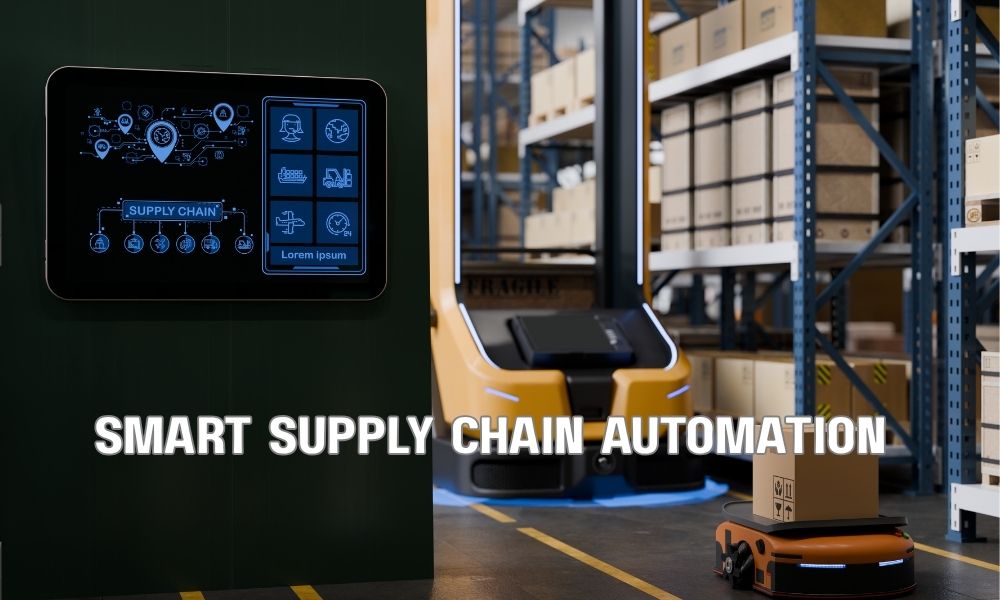
Supply chain leadership in 2026 requires a balance of strategic thinking, operational discipline, digital capability, and risk management. Organizations must manage changing customer expectations, supplier uncertainty, rising operational complexity, and pressure to improve efficiency while maintaining reliable service. These challenges require executives who can connect day-to-day supply chain decisions with broader business objectives.
The role of supply chain leadership is evolving beyond purchasing, logistics, and inventory management. Senior executives are increasingly expected to evaluate technology investments, improve planning visibility, strengthen supplier relationships, manage disruption risks, and identify sustainable cost improvements. The challenge is finding leaders who can deliver these priorities together rather than optimizing one area at the expense of another.
Companies reviewing their leadership requirements can explore JRG Partners’ supply chain executive search practice when identifying the capabilities needed to support operational resilience, automation, and cost control. A clearly defined executive mandate helps organizations assess whether candidates have the experience and judgment required for their specific supply chain environment.
Why Supply Chain Leadership Is Changing in 2026
Supply chains connect suppliers, manufacturers, distributors, logistics providers, and customers across multiple markets. Disruption in one part of the network can affect production schedules, inventory availability, delivery commitments, and profitability elsewhere in the business.
At the same time, companies are exploring automation, advanced analytics, artificial intelligence, and integrated planning tools to improve visibility and decision-making. These investments create opportunities, but their value depends on the quality of underlying data, the suitability of the technology, and the organization’s ability to implement change.
Three priorities are especially important when defining supply chain leadership requirements:
- Resilience: Preparing for disruptions, understanding supplier dependencies, and maintaining continuity when conditions change.
- Automation: Using technology to improve repetitive processes, planning, visibility, and operational decision-making.
- Cost control: Managing total supply chain costs without compromising product quality, customer service, or essential risk protections.
Effective executives understand that these priorities are connected. Automation may reduce manual work, but poorly implemented systems can create additional costs. Reducing supplier prices may improve purchasing metrics while increasing lead times or quality risks. Resilience investments may increase some costs in the short term while protecting the business from more significant disruption.

1. Resilience: Building Supply Chains That Can Adapt
Supply chain resilience is the ability to anticipate disruption, respond effectively, and restore operations while limiting business impact. It does not require eliminating every risk. Instead, leaders must identify the vulnerabilities that matter most and develop proportionate responses.
Supplier risk and diversification
Supply chain executives should understand where critical materials, components, and services originate, which suppliers are difficult to replace, and how disruption could affect customers or production. Depending on the business, appropriate responses may include qualifying alternative suppliers, diversifying sourcing locations, improving supplier visibility, or developing contingency agreements.
Diversification should be based on risk and economics rather than applied automatically. Additional suppliers can introduce qualification costs, quality variation, and management complexity. Strong leaders evaluate these trade-offs and prioritize the dependencies with the greatest potential business impact.
Scenario planning and contingency management
Resilient supply chains require more than a documented risk register. Leaders should establish practical response plans for scenarios such as supplier failure, transportation delays, unexpected demand changes, material shortages, and production interruptions.
Useful planning questions include:
- Which products or materials would create the greatest operational disruption if unavailable?
- How quickly could alternative suppliers or transportation arrangements become available?
- Which inventory buffers are justified by the consequences of a shortage?
- Who has the authority to make allocation and escalation decisions during a disruption?
- How will customers and internal stakeholders be informed when commitments change?
Executives should also review contingency plans periodically. A plan that depends on an unqualified supplier or outdated lead-time assumptions may provide little protection when it is needed.
Visibility across the supply chain
Risk management depends on timely, reliable information. Supply chain leaders should understand where visibility is limited, which suppliers provide dependable data, and how teams identify early warning signals.
Better visibility can help organizations identify delayed shipments, capacity constraints, inventory imbalances, and emerging supplier problems sooner. Technology can support this work, but executives must also establish clear ownership, escalation rules, and decision-making processes.
2. Automation: Turning Technology Into Operational Value
Automation can improve supply chain performance by reducing repetitive work, supporting faster decisions, and helping teams manage complex operations. However, the presence of new technology does not automatically produce better results. Executives must identify the right use cases, establish realistic objectives, and ensure that systems fit the organization’s operating model.
Automating repetitive processes
Many supply chain activities involve recurring tasks, including order processing, invoice matching, shipment updates, inventory reporting, and routine procurement workflows. Automation may reduce manual effort and improve consistency when processes are sufficiently standardized.
Before implementing a solution, leaders should understand the existing workflow, the causes of errors, and the conditions that require human intervention. Automating an inefficient process without addressing its underlying problems can simply reproduce those problems at greater speed.
Using analytics and AI for planning
Advanced analytics and AI-enabled tools can support demand forecasting, inventory recommendations, supplier risk analysis, and exception detection. Their usefulness depends on data quality, model suitability, integration with existing systems, and the ability of employees to interpret the results.
Supply chain executives do not necessarily need to build these technologies themselves. They should, however, understand the business problem being addressed, the assumptions behind the solution, and the controls needed when automated recommendations affect important operational decisions.
Warehouse and logistics automation
Depending on operating scale and product characteristics, organizations may benefit from warehouse management systems, automated sorting, robotics, route optimization, or improved transportation planning. The appropriate investment depends on throughput, facility design, labor availability, order profiles, and expected demand.
Leaders should evaluate total implementation costs, integration requirements, maintenance, workforce training, operational flexibility, and realistic adoption timelines. A technology investment should be assessed against measurable business outcomes rather than novelty alone.
Change management and workforce capability
Automation changes how people perform work and make decisions. Employees may need new analytical, technical, or supervisory skills, while managers must learn how to oversee automated workflows and respond to exceptions.
Strong supply chain leaders communicate the purpose of the change, involve relevant teams, establish training plans, and monitor adoption. They also clarify accountability when decisions are shared between people and automated systems.
3. Cost Control: Improving Total Supply Chain Economics

Cost control remains a central supply chain responsibility, but effective leadership requires a broader view than reducing purchase prices. Transportation, warehousing, inventory carrying costs, quality problems, expediting, supplier performance, and service failures can all influence the total cost of serving customers.
Manage total cost rather than individual metrics
A supplier offering a lower unit price may have longer lead times or require larger minimum orders. These conditions can increase inventory investment or create additional risk. Similarly, choosing the cheapest transportation option may be inappropriate when delivery reliability is essential.
Executives should evaluate trade-offs using total cost, service requirements, working capital, quality, and risk. This makes it easier to distinguish genuine savings from costs that have simply moved elsewhere in the organization.
Improve inventory productivity
Excess inventory ties up working capital and may create storage, obsolescence, and markdown costs. Insufficient inventory can lead to missed sales, production interruptions, or expensive emergency shipments.
Supply chain leaders should work with sales, finance, procurement, and operations to improve forecasting assumptions, replenishment policies, inventory segmentation, and planning discipline. Inventory decisions should reflect demand variability, lead times, product criticality, and the consequences of a shortage.
Strengthen procurement and supplier performance
Strategic procurement can contribute to cost control through supplier negotiations, category strategies, contract management, demand consolidation, and improved supplier performance. However, savings should be evaluated alongside quality, continuity, and the long-term viability of supplier relationships.
Leaders should also examine recurring sources of avoidable cost, such as emergency freight, poor order accuracy, rework, preventable returns, and inconsistent planning. Addressing the underlying causes can produce more durable improvements than repeatedly negotiating lower prices.
Use performance indicators that support decisions
Executives need a focused set of indicators that reveal whether the supply chain is meeting its objectives. Useful measures may include:
- Total supply chain cost relative to sales or another appropriate operating measure.
- Inventory turns, days of inventory, and exposure to obsolete stock.
- On-time, in-full delivery performance.
- Forecast accuracy and planning stability.
- Supplier delivery and quality performance.
- Expedited freight and other avoidable operating costs.
- Automation adoption, process cycle time, and error rates.
No single metric provides a complete view of performance. For example, reducing inventory should not be treated as a success if product availability and customer service deteriorate. Leaders should assess related measures together and use them to guide decisions.
4. The Executive Skills Companies Should Prioritize in 2026
Organizations recruiting supply chain executives should evaluate both functional expertise and the ability to lead across the business. The following framework connects the three major priorities with the capabilities required to deliver them.
| Capability | Why it matters | Evidence to look for |
|---|---|---|
| Strategic planning | Aligns supply chain design and investment with business objectives. | Examples of strategy development, implementation, and measurable outcomes. |
| Risk management | Helps the organization anticipate disruption and protect critical operations. | Examples of risk assessment, contingency planning, and supplier diversification. |
| Digital and automation leadership | Connects technology investment to operational improvements. | Evidence of successful technology adoption, process redesign, and change management. |
| Financial judgment | Balances cost, working capital, service, and resilience. | Examples of total-cost analysis, inventory decisions, and investment trade-offs. |
| Supplier and procurement expertise | Strengthens sourcing decisions, supplier relationships, and performance. | Evidence of sourcing strategy, negotiations, supplier development, and risk reduction. |
| Analytical decision-making | Helps leaders interpret data, challenge assumptions, and identify exceptions. | Examples of using analytics to improve planning, service, or cost performance. |
| Cross-functional leadership | Aligns supply chain, finance, sales, manufacturing, and other teams. | Examples of resolving conflicts, setting shared goals, and leading organizational change. |
5. How to Evaluate Supply Chain Executive Candidates

Define the mandate before starting the search
Begin by determining which business outcomes the new executive must deliver. A company facing recurring disruptions may prioritize resilience and supplier risk management. An organization with rising operating costs may need stronger procurement, inventory, and network optimization expertise. A business pursuing automation may require experience in technology implementation and organizational change.
These priorities should be reflected in the job description, candidate profile, interview questions, and assessment scorecard.
Assess comparable operating complexity
Consider the candidate’s previous responsibilities, including geographic scope, supply chain complexity, supplier concentration, product characteristics, operating scale, and organizational structure.
Direct industry experience may be essential for some roles, while other businesses can consider executives from adjacent industries with transferable capabilities. The hiring team should identify which requirements are mandatory and which can be developed after appointment.
Use structured, evidence-based interviews
Ask candidates to explain specific decisions rather than relying on general descriptions of their leadership style. Explore the context, available information, alternatives considered, stakeholders involved, and results achieved.
Questions should cover resilience, automation, cost control, and people leadership. Where appropriate, present a realistic business scenario and ask the candidate to explain how they would prioritize competing objectives.
Apply a weighted executive scorecard
A scorecard helps the hiring team compare candidates consistently. The example below can be adapted to the organization’s requirements.
| Evaluation criterion | Suggested weight |
|---|---|
| Supply chain strategy and business alignment | 20% |
| Resilience and risk management | 20% |
| Cost control and financial judgment | 20% |
| Automation and digital transformation | 15% |
| Procurement, planning, and operational expertise | 15% |
| People leadership and cross-functional collaboration | 10% |
| Total | 100% |
Rate each area on a consistent scale and record the evidence supporting each rating. The weights should change when the hiring mandate demands a stronger focus on a particular capability. The scorecard should inform the decision, not replace reference checks, professional judgment, or consideration of essential role requirements.
6. Interview Questions for Supply Chain Leaders in 2026
- Resilience: Describe a significant supply chain disruption you managed. How did you protect critical operations and reduce the likelihood of recurrence?
- Automation: Tell us about a technology or automation initiative you led. What problem did it address, and how did you measure its value?
- Cost control: Explain a cost improvement that required balancing savings against service, quality, or supply risk.
- Supplier strategy: How do you decide when to diversify suppliers and when to deepen relationships with a smaller supplier base?
- Inventory management: How have you improved inventory productivity without creating unacceptable availability risks?
- Data and analytics: Give an example of using data to change a supply chain decision. How did you validate the information?
- Change management: How have you helped employees adopt new systems, processes, or operating models?
- Executive communication: How do you explain supply chain risks and investment trade-offs to a CEO, CFO, or board?
Frequently Asked Questions
What skills are most important for supply chain leaders in 2026?
Important capabilities include strategic planning, supplier risk management, procurement, inventory optimization, financial judgment, digital transformation, automation, analytics, and cross-functional leadership. The right combination depends on the company’s operating model and business priorities.
How can supply chain executives improve resilience?
Executives can improve resilience by identifying critical dependencies, assessing supplier concentration, developing appropriate alternatives, strengthening visibility, and establishing practical contingency plans. The objective is to reduce exposure to important risks without creating unnecessary cost or complexity.
How can automation reduce supply chain costs?
Automation can reduce manual effort, improve process consistency, accelerate information flow, and help teams identify exceptions. Results depend on selecting suitable processes, improving underlying workflows, maintaining reliable data, and measuring total implementation and operating costs.
Should companies prioritize cost reduction or resilience?
Neither should automatically take priority in every situation. Leaders should assess the financial consequences of disruption, customer service requirements, supplier alternatives, and the cost of mitigation. The objective is to find an appropriate balance between efficiency and continuity.
How should companies hire supply chain executives for digital transformation?
Look for leaders who can connect technology with business objectives, evaluate implementation trade-offs, improve data and process quality, and lead organizational change. Candidates should provide evidence of measurable results rather than relying solely on familiarity with technology terminology.

Tanya Gallardo
Managing Director, Executive Search & AI Talent Strategy
Tanya Gallardo is the Managing Director of Executive Search & AI Talent Strategy at JRG Partners, leading C-suite and Board engagements across key growth sectors including Technology, Financial Services, and Manufacturing.
With over 18 years of experience specializing in disruptive technology leadership, Tanya is recognized as a leading authority on talent architecture for future-focused executive roles, such as the Chief AI Officer (CAIO) and Chief Digital Officer (CDO). Her expertise lies in accurately assessing the cultural fit and technical depth required to ensure a high return on investment (ROI) for critical leadership appointments.
Prior to her role at JRG Partners, Tanya held senior roles directing global talent acquisition strategies at a major publicly-traded technology firm, advising on organizational design and succession planning for emerging executive functions. She is a recognized speaker and contributor to industry events, sharing data-driven insights on executive compensation, leadership development, and the measurable business impact of C-suite talent.
