


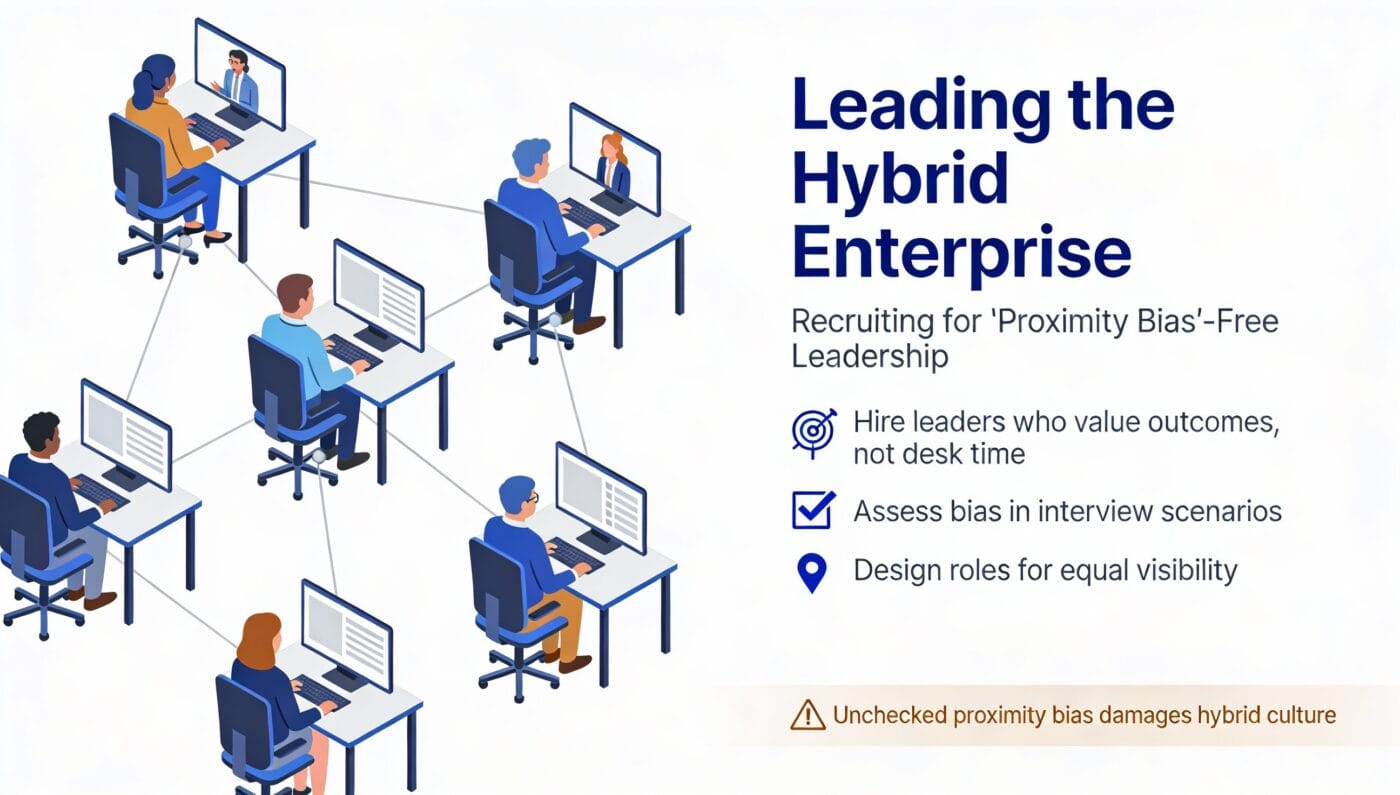
Confidential Briefing on “Leading the Hybrid Enterprise: Recruiting for Proximity Bias-Free Leadership” In an increasingly distributed operational landscape, the ability of an organization to foster innovation and ensure equitable growth hinges directly on its executive leadership. Our research at , a premier US-based executive search firm, indicates a critical emerging challenge: the pervasive, often unconscious, impact of proximity bias.
Category Archives: Executive Search Challenges
Blog section for Employers and Job Seekers, Executive Search Challenges, Search, Style
The Great Unbundling: How AI Will Change Core C-Suite Responsibilities

23
Dec
Dec
The Great Unbundling: How AI Will Change Core C-Suite Responsibilities Key Takeaways: AI will fundamentally alter the roles and responsibilities of C-suite executives. The “bundling” of tasks within current C-suite roles will be “unbundled” and augmented or automated by AI. Executives will need to focus on strategic oversight, ethical considerations, and creative problem-solving.
COO Executive Recruiting, executive recruiting, Executive Search Challenges, For Employers
Hiring for ‘AI-Powered’ Growth: Executive Talent for 5-Year Strategy

23
Dec
Dec
Hiring for ‘AI-Powered’ Growth: Executive Talent for 5-Year Strategy Key Takeaways AI is no longer a future concept, but a present-day necessity for growth. Executive leadership must possess a strong understanding of AI’s strategic implications. Effective AI integration requires specific skill sets beyond traditional management roles. A well-defined 5-year strategy must inform executive hiring decisions related to AI.
CEO Recruitment, COO Executive Recruiting, executive recruiting, Executive Search Challenges, For Employers
The Autonomous Enterprise: Recruiting Leaders for Highly Automated Businesses

22
Dec
Dec
The Autonomous Enterprise: Recruiting Leaders for Highly Automated Businesses Key Takeaways Autonomous enterprises require leaders with adaptability, strategic vision, and a deep understanding of automation technologies. Successful recruitment strategies must focus on assessing candidates’ potential to manage human-machine collaboration and drive innovation.
Executive Search Challenges, For Employers, Search
Data Fluency for Non-Technical Leaders: What the Modern Executive Must Know

20
Dec
Dec
Data Fluency for Non-Technical Leaders: What the Modern Executive Must Know Key Takeaways: Data fluency is no longer optional; it’s essential for modern leadership. Understand the types of data relevant to your business and how they can be used. Develop the ability to ask the right questions of your data teams and interpret their findings.
COO Executive Recruiting, executive recruiting, Executive Search Challenges, For Employers, Search
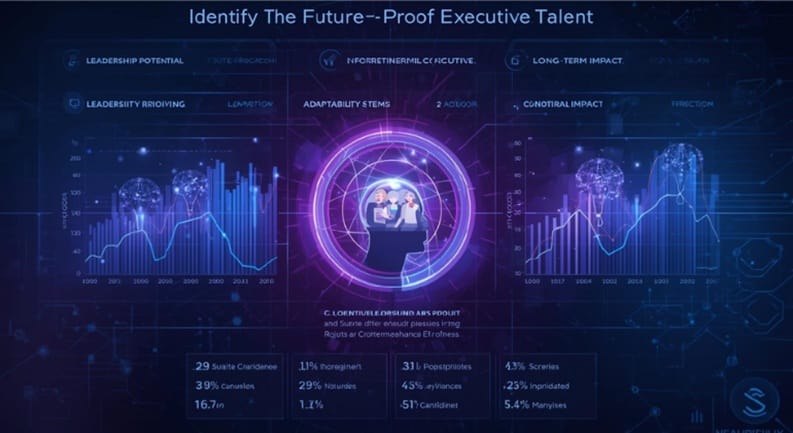
Leveraging Predictive Analytics to Identify Future-Proof Executive Talent
18
Dec
Dec
Leveraging Predictive Analytics to Identify Future-Proof Executive Talent Key Takeaways: Predictive analytics offers a data-driven approach to identifying executive talent with the potential to thrive in future, uncertain business environments. By analyzing historical data and identifying key performance indicators (KPIs), organizations can better forecast which candidates possess the skills and attributes needed for long-term success.
COO Executive Recruiting, executive recruiting, Executive Search Challenges
Mitigating Bias: Ensuring Ethical AI Usage in Executive Talent Sourcing

16
Dec
Dec
Mitigating Bias: Ensuring Ethical AI Usage in Executive Talent Sourcing Key Takeaways AI in executive talent sourcing offers increased efficiency and wider candidate pools, but introduces potential for bias. Understanding bias sources (data, algorithms, human) is crucial for mitigation. Implementing ethical frameworks, transparency, and continuous monitoring are essential for responsible AI adoption.
Executive Search Challenges, For Employers
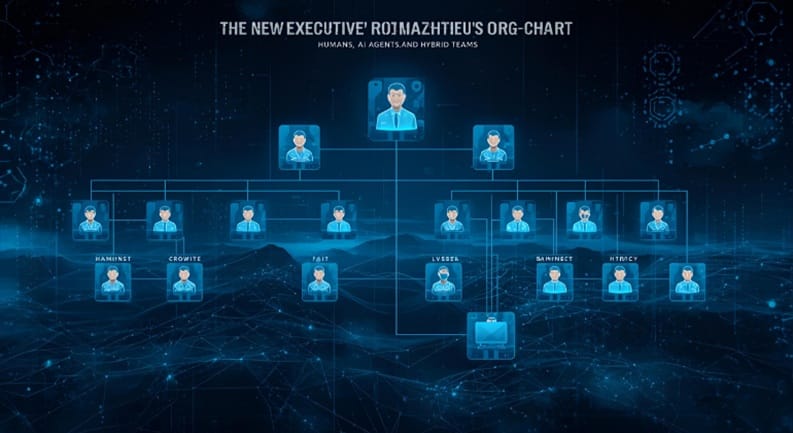
The New Executive Org Chart: Humans, AI Agents, and Hybrid Teams
15
Dec
Dec
The New Executive Org Chart: Humans, AI Agents, and Hybrid Teams Key Takeaways Executive leadership is evolving to incorporate AI agents as strategic partners, not just tools. Hybrid teams, blending human expertise with AI capabilities , are becoming the norm for optimal performance. Successful implementation requires a clear understanding of AI agent capabilities, ethical considerations, and workforce adaptation strategies.
Executive Search Challenges, PE Recruitment Challenges
Negotiating Carry, Co-Invest, and Other Equity Incentives for PortCo Executives

29
Jul
Jul
Introduction: Equity Is the New Executive Currency In the world of private equity, top-tier executive talent isn’t lured by base salary alone. Today’s transformational leaders want a true stake in the upside—and negotiating carry, co-investment, and other equity incentives for PortCo executives has become a cornerstone of executive hiring strategy.
Executive Search Challenges, CEO Recruitment, PE Recruitment Challenges
Why Our Top CEO Candidate Accepted a Counteroffer (And How to Prevent It)

29
Jul
Jul
Introduction: The Counteroffer That Got Away You sourced the perfect CEO candidate. The interviews were outstanding. The PE sponsors were aligned. Everyone was ready to sign—and then the phone rings. “I’ve decided to stay. My current board made me a counteroffer I can’t refuse.” It’s the kind of moment that haunts even the most seasoned recruiters and PE operating partners.