



Navigating the Complexities of Remote US Executive Talent Acquisition and Governance As we navigate an evolving talent architecture, the strategic imperative of attracting and retaining top-tier executive talent in a geographically dispersed model presents both unprecedented opportunities and significant governance challenges.
Category Archives: Executive Search Challenges
Blog section for Employers and Job Seekers, executive recruiting, Executive Search Challenges, For Employers, Search
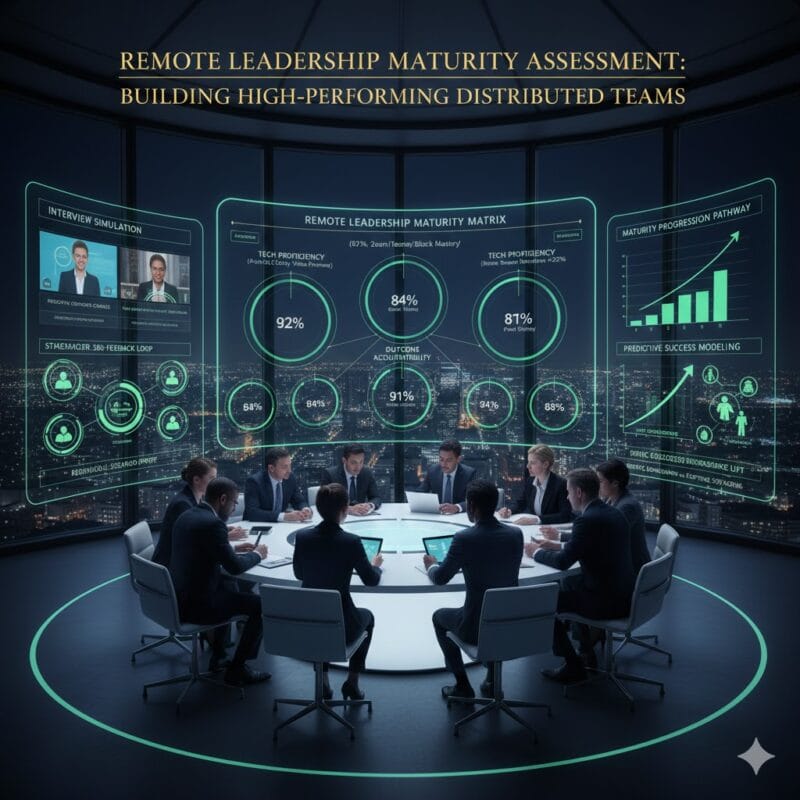
How to Assess an Executive Candidate’s Remote Leadership Maturity
14
Jan
Jan
Navigating the Virtual Frontier: Assessing Executive Remote Leadership Maturity Key Imperatives for Modern Leadership Selection Effective leadership in today’s distributed enterprises demands a distinct, highly evolved skillset. This encompasses the profound ability to cultivate trust without consistent physical presence, master asynchronous communication for clarity and impact, and demonstrate advanced digital fluency to leverage collaboration platforms optimally.
Blog section for Employers and Job Seekers, CEO Recruitment, COO Executive Recruiting, executive recruiting, Executive Search Challenges, For Employers
Optimizing Meeting Cadence for a Hybrid Leadership Team

14
Jan
Jan
Optimizing Meeting Cadence for a Hybrid Leadership Team: A Geo-Strategic Imperative In the evolving landscape of global enterprise, the efficacy of executive interaction is paramount. As your Global Head of Research & Leadership Advisory at , I present a critical analysis on refining the operational tempo of hybrid leadership teams.
Blog section for Employers and Job Seekers, executive recruiting, Executive Search Challenges, Search
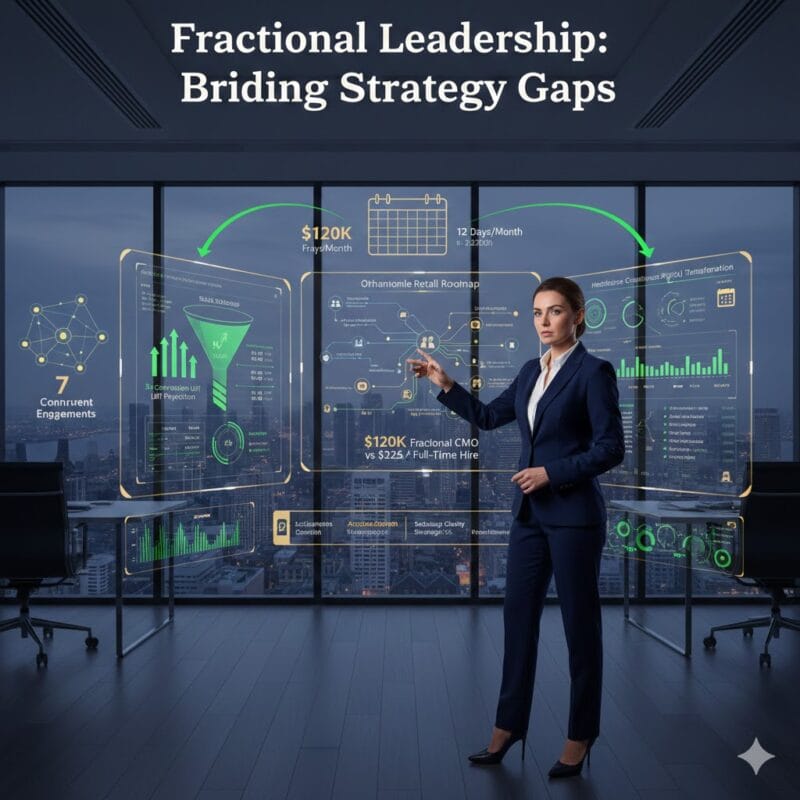
The Rise of the Fractional Executive: When and How to Utilize Contract C-Suite Talent
14
Jan
Jan
The Rise of the Fractional Executive: Navigating Contract C-Suite Talent in the US Market The contemporary US business landscape demands unprecedented agility and specialized expertise at the highest echelons of leadership. As organizations confront dynamic market shifts, evolving competitive pressures, and the constant imperative for innovation, the traditional model of permanent, full-time C-suite roles is increasingly being augmented by a.
Blog section for Employers and Job Seekers, COO Executive Recruiting, executive recruiting, Executive Search Challenges
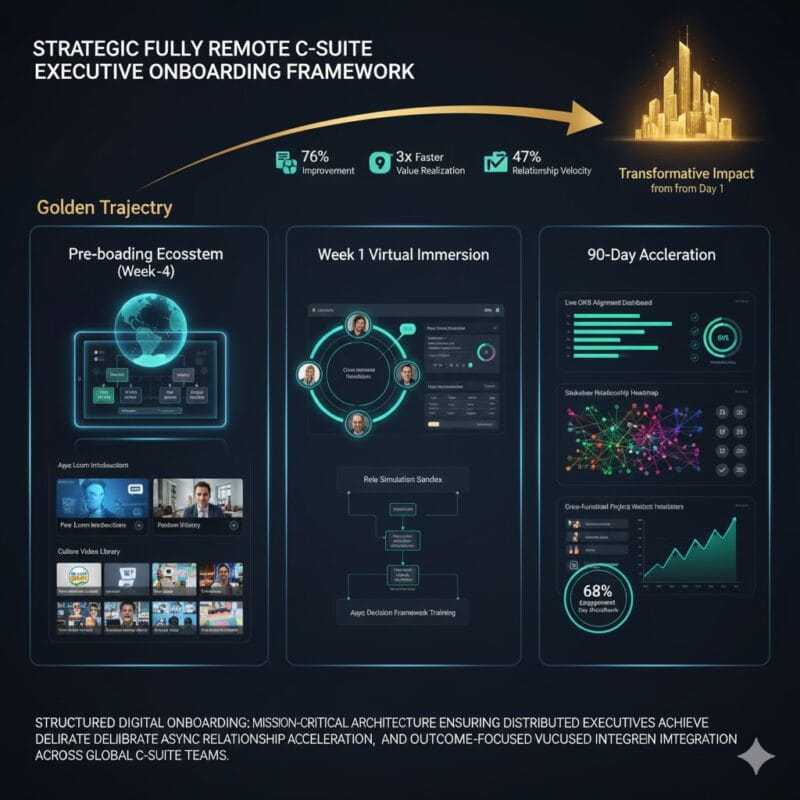
Case Study: How to Successfully Onboard a Fully Remote C-Suite Executive
12
Jan
Jan
Strategic Imperatives for Successfully Onboarding Fully Remote C-Suite Executives In an era defined by a dynamic talent landscape and evolving operational models, the successful integration of fully remote C-suite executives has become a critical determinant of organizational resilience and growth. The paradigm shift towards distributed leadership mandates a sophisticated approach to executive assimilation, especially within the highly competitive US market.
COO Executive Recruiting, executive recruiting, Executive Search Challenges, Search
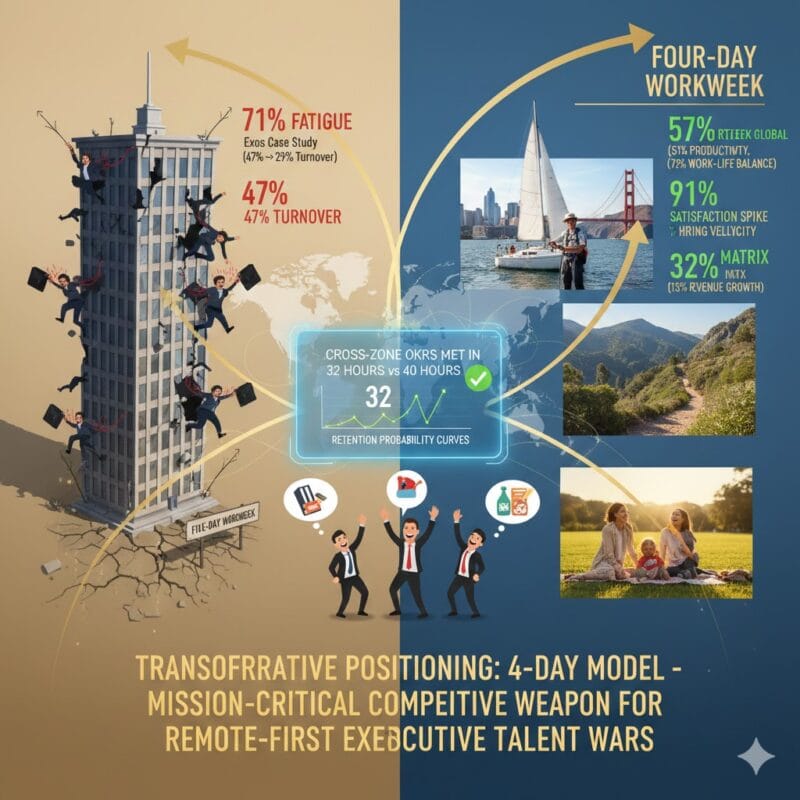
The Strategic Advantage of Four-Day Work Week for Executive Retention
09
Jan
Jan
A four-day work week (4DWW) offers a measurable strategic advantage for executive retention. Organizations implementing compressed schedules for senior leaders report improved work-life integration, reduced attrition, and a stronger competitive edge in attracting top-tier talent—particularly among C-suite executives evaluating roles through the lens of flexibility and autonomy.
executive recruiting, Executive Search Challenges
The Four Pillars of an Effective Remote-First Executive Team

08
Jan
Jan
Navigating the Distributed Enterprise: The Four Pillars of an Effective Remote-First Executive Team As the landscape of corporate governance continues its dramatic evolution, remains at the forefront of identifying and securing transformative executive talent. Our intelligence indicates an urgent need for Boards and C-suites across the US market to deeply understand and strategically embed remote-first operating models.
COO Executive Recruiting, executive recruiting, Executive Search Challenges, Search
The New Global Talent Pool: Sourcing Executive Talent Beyond US Borders

08
Jan
Jan
Strategic Briefing on the Borderless Executive Talent Landscape: Sourcing Leadership Beyond US Borders This confidential brief outlines a critical strategic imperative for US-based enterprises: the profound reorientation of the global executive talent market. No longer can our organizations rely solely on a domestic talent architecture; globalization necessitates a truly borderless approach to securing senior leadership.
Blog section for Employers and Job Seekers, CEO Recruitment, executive recruiting, Executive Search Challenges, Search
Leading the Hybrid Enterprise: Recruiting for ‘Proximity Bias’-Free Leadership

07
Jan
Jan
Leading the Hybrid Enterprise: Recruiting for ‘Proximity Bias’-Free Leadership In the rapidly evolving US talent landscape, the strategic imperative to cultivate an equitable and high-performing hybrid enterprise success demands a fundamental re-evaluation of our leadership recruitment frameworks. The insidious influence of proximity bias—an unconscious preference for those physically present—represents a significant impediment to value realization and sustained organizational cohesion.
Blog section for Employers and Job Seekers, CEO Recruitment, COO Executive Recruiting, executive recruiting, Executive Search Challenges, Search
Recruiting for Resilience: Leaders Who Thrive Amidst Organizational Flux

07
Jan
Jan
Recruiting for Resilience: Leaders Who Thrive Amidst Organizational Flux Dear Esteemed Board Members and C-Suite Executives, In an era defined by perpetual volatility and unprecedented organizational flux, the paradigm of executive leadership has undergone a profound transformation. Resilience, once a commendable attribute, has rapidly escalated to become an absolute leadership imperative for sustained enterprise viability.