



The global biopharmaceutical industry is currently colliding with a severe operational bottleneck at the absolute end of the manufacturing value chain: sterile fill-finish. As the pipeline of complex biologics, mRNA therapeutics, and advanced gene therapies expands exponentially, the demand for aseptic drug product manufacturing has vastly outpaced global capacity. In response, Contract Development and Manufacturing Organisations (CDMOs) and private equity sponsors are pouring billions of dollars into building state-of-the-art fill-finish facilities and high-speed isolator lines.
However, capital expenditure cannot buy compliance, and stainless steel cannot govern a cleanroom. The defining constraint of the sterile fill-finish sector is a profound, systemic scarcity of elite executive leadership. Aseptic processing is an unforgiving discipline. A single microbial excursion, a minor gowning protocol breach, or a fractional deviation in lyophilisation parameters can result in the catastrophic loss of multi-million-dollar commercial batches and trigger immediate FDA Warning Letters. The leaders required to manage this intense, zero-defect environment are a rare breed.
Securing a visionary CDMO Site Head or General Manager for an aseptic facility is arguably the most difficult executive search mandate in the pharmaceutical services sector. This comprehensive guide dissects the unique pressures of the fill-finish environment, defines the precise executive archetypes required to lead these facilities, and outlines how corporate boards and sponsors can successfully extract this highly insulated talent.
1. The Aseptic Crucible: Why Fill-Finish is Fundamentally Different
Operating a sterile fill-finish plant requires a vastly different psychological and operational profile than managing active pharmaceutical ingredient (API) synthesis or solid oral dose manufacturing. In primary API manufacturing, processes can often be re-worked or purified if deviations occur. In aseptic fill-finish, the product is in its final, exposed state. There is absolutely no margin for error; if sterility is compromised, the batch is destroyed.
Consequently, the Site Head of a fill-finish CDMO lives in a state of perpetual regulatory and operational vigilance. They must enforce a draconian “Culture of Quality” among hundreds of cleanroom operators, where human behaviour is the single greatest contamination risk. Furthermore, they must balance this uncompromising quality standard with the intense commercial pressure of CDMO clients who are desperate for their clinical or commercial batches to be released on time. A leader who leans too heavily on commercial speed will inevitably trigger a devastating quality failure, while a leader paralysed by quality risk will destroy the facility’s EBITDA through crippling batch release delays.
2. Key Executive Archetypes in Sterile Manufacturing
To scale a sterile fill-finish CDMO safely and profitably, organisations must recruit a highly specialised triad of executive leadership.
A. The Aseptic Site Head / General Manager (The Ultimate Guardian)
This executive holds ultimate P&L and regulatory accountability for the facility. They dictate the culture, govern the tech transfer timelines, and act as the primary face of the site during critical client audits and FDA/EMA inspections.
- Core Strengths: Enterprise risk management, cross-functional diplomacy (Quality vs. Operations), P&L optimisation, and profound regulatory fluency (including the updated EU Annex 1 guidelines).
- Ideal Background: A battle-tested operations leader who has spent decades on the aseptic floor, often rising through technical operations or quality assurance, with a proven history of navigating complex regulatory inspections without receiving Form 483 observations.
B. VP of Quality & Sterility Assurance (The Compliance Architect)
The Site Head’s most critical partner is the Quality leader. In a fill-finish CDMO, this executive must possess specific expertise in sterility assurance, environmental monitoring, and microbiological control.
- Core Strengths: Batch release velocity, deviation/CAPA management, sterile boundary governance, and defending the facility during unannounced regulatory inspections.
- Ideal Background: A highly credentialed microbiologist or quality executive who understands how to build robust, digital Quality Management Systems (QMS) that facilitate rapid batch release while maintaining absolute regulatory integrity.
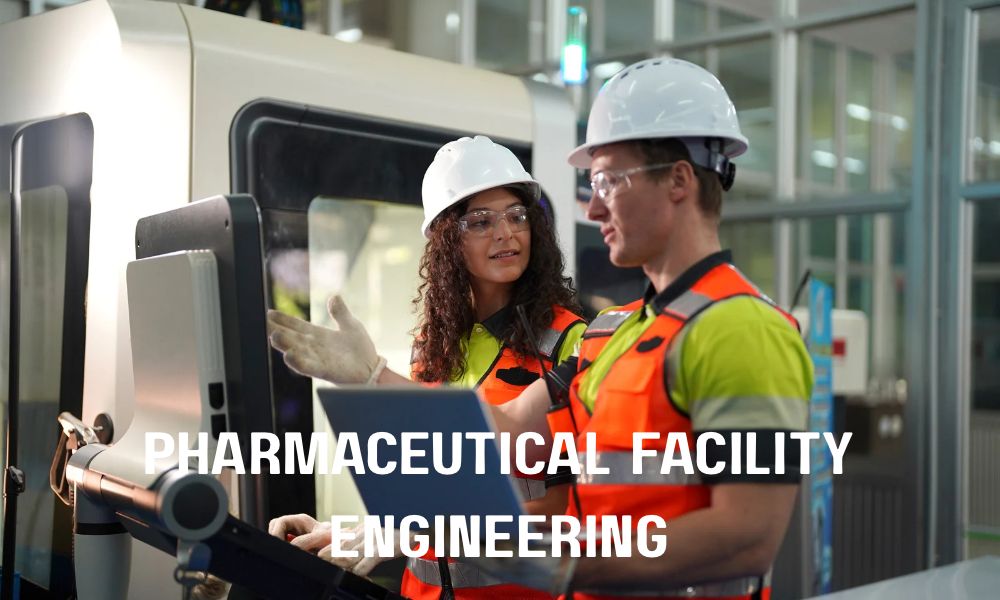
C. VP of Engineering & CapEx (The Isolator Strategist)
As the industry shifts away from traditional cleanrooms toward Restricted Access Barrier Systems (RABS) and fully enclosed isolator technologies, this executive manages the massive capital expansion required to keep the CDMO competitive.
- Core Strengths: Cleanroom design, isolator integration, lyophiliser (freeze-dryer) procurement, and managing long-lead-time capital equipment installations without disrupting active commercial production.
- Ideal Background: A technical engineering leader with deep experience in aseptic facility design, commissioning, and qualification (CQV) processes.
3. Critical Competencies to Demand in Fill-Finish Leadership
When vetting executive candidates for a sterile CDMO, search committees must rigorously interrogate their specific, mechanical grasp of aseptic operations. General manufacturing experience does not translate. Boards must demand the following competencies:
1. Navigating EU Annex 1 and Evolving Regulations
The regulatory landscape for sterile manufacturing has fundamentally shifted with the implementation of the revised EU Annex 1 guidelines, which mandate advanced Contamination Control Strategies (CCS). An elite Site Head must be deeply fluent in these updated frameworks, ensuring the facility’s engineering, procedural, and training protocols exceed the expectations of global regulators.
2. Tech Transfer and Commercial Scale-Up Velocity
CDMO clients bring highly sensitive, often unstable molecules (such as viral vectors or lipid nanoparticles) to the facility. The Site Head must govern a flawless tech transfer process. They must understand the complexities of material compatibility, filtration scaling, and lyophilisation cycle development, ensuring that client molecules survive the transition from the bench to commercial high-speed filling lines.
3. Cultivating a Zero-Defect Operator Culture
In aseptic manufacturing, the operators themselves are the highest risk factor. The Site Head must build a culture where operators feel psychologically safe immediately reporting a torn glove or a compromised sterile boundary. If leadership operates through fear and intimidation, operators will hide deviations, leading to catastrophic batch failures and severe regulatory exposure.
4. The Fill-Finish Executive Scorecard: 5 Vetting Domains
To prevent costly mis-hires and ensure an objective assessment, search committees should score every finalist across five distinct operational domains utilising a structured rubric:
| Evaluation Domain | Critical Core Competencies | Sample Board Interview Question |
|---|---|---|
| 1. Sterility Assurance & Compliance | Annex 1 compliance, environmental monitoring, media fills, CAPA management. | “Walk us through a time your facility experienced a critical media fill failure. How did you execute the root-cause investigation, and how did you communicate the delay to your commercial clients?” |
| 2. Tech Transfer Execution | Scale-up engineering, lyophilisation cycle transfer, analytical bridging, process validation. | “Describe your governance framework for onboarding a highly complex, temperature-sensitive biologic. How do you prevent tech transfer timelines from expanding uncontrollably?” |
| 3. Commercial & Client Diplomacy | Managing client “person-in-plant” audits, contract enforcement, expectation management. | “CDMO clients frequently demand aggressive release schedules that conflict with stringent QA reviews. How do you anchor the client in operational reality without damaging the commercial relationship?” |
| 4. CapEx & Isolator Integration | RABS/Isolator validation, cleanroom commissioning, managing equipment OEMs. | “How do you manage the operational downtime and contamination risk required to install and validate a new high-speed isolator line within an active commercial facility?” |
| 5. Culture & Operator Retention | Gowning qualification, mitigating operator burnout, continuous training, psychological safety. | “Working in grade A/B cleanrooms is physically and mentally exhausting, leading to high operator turnover. What specific retention and cultural programmes have you implemented to protect your aseptic talent pool?” |
5. Compensation Strategies to Extract Aseptic Talent
Because sterile fill-finish represents the highest regulatory risk in the pharmaceutical supply chain, the talent pool of proven Site Heads is exceptionally shallow. These executives are intensely valued by their current employers and are frequently locked in by substantial retention grants. Traditional compensation bumps are insufficient to extract them.
To successfully recruit elite aseptic leadership, CDMOs and private equity sponsors must deploy aggressive, performance-aligned compensation structures:
- Premium Base Compensation: Base salaries for aseptic Site Heads carry a significant premium over traditional solid-dose or API facility leaders, directly reflecting the heightened regulatory and operational risk profile of the facility.
- Compliance and EBITDA-Linked Incentives (STI): Annual cash bonuses must be heavily weighted towards quality metrics. Elite CDMOs tie variable compensation to maintaining a pristine regulatory record, achieving right-first-time (RFT) batch release targets, and hitting specific EBITDA margin expansions.
- Long-Term Equity (LTI): True C-suite talent requires participation in the equity stack. Granting Restricted Stock Units (RSUs) or Profits Interest Units (PIUs) is mandatory to align the Site Head’s long-term wealth creation with the facility’s valuation and eventual exit multiple.
- Make-Whole & Relocation Provisions: Top-tier aseptic talent rarely lives in the immediate vicinity of a newly acquired or greenfield site. Search committees must be prepared to offer comprehensive relocation packages and lucrative sign-on bonuses to replace the deferred compensation candidates forfeit by resigning.
Conclusion
Building a sterile fill-finish facility is a massive capital undertaking, but operating it is an intense, daily regulatory crucible. The CDMOs that will dominate the coming capacity crunch are not necessarily those with the most cleanroom space; they are the ones capable of securing the elite leadership required to run those cleanrooms flawlessly. A sterile Site Head must be a master of compliance, a commercial diplomat, and an uncompromising defender of quality culture.
Identifying, rigorously vetting, and successfully extracting these rare aseptic leaders requires deep biopharmaceutical fluency and a highly targeted recruitment methodology. Generalist recruiters lack the technical vocabulary to differentiate a standard plant manager from an elite sterility assurance architect. By partnering with a dedicated Sterile Fill-Finish Executive Search Firm, corporate boards, CDMOs, and private equity sponsors gain the proprietary market intelligence, technical vetting rigour, and discreet execution required to secure the visionaries who will protect their commercial batches and scale their capacity.
Frequently Asked Questions (FAQs)
1. Why is a sterile fill-finish Site Head harder to recruit than an API Site Head?
The regulatory tolerance in sterile fill-finish is essentially zero. While API manufacturing involves complex chemistry, the product can often be re-processed if deviations occur. In fill-finish, the product is in its final state. The intense pressure of managing aseptic cleanrooms, isolator technology, and the immediate threat of FDA Warning Letters for microscopic deviations shrinks the pool of executives willing and able to take on the risk.
2. How has EU Annex 1 changed the requirements for aseptic leadership?
The revised EU Annex 1 represents a structural shift towards comprehensive Contamination Control Strategies (CCS) and Quality Risk Management (QRM). An elite Site Head must now possess a much deeper, holistic understanding of how facility design, equipment (like RABS/Isolators), utilities, and personnel interact to prevent contamination, rather than just relying on end-product testing.
3. How long does a retained executive search for a Fill-Finish Site Head take?
A rigorous, retained executive search for a sterile Site Head generally requires 12 to 16 weeks. This timeline accounts for deep global market mapping, confidentially extracting passive candidates from competing CDMOs or pharma innovators, rigorous multi-stage technical vetting across complex aseptic parameters, and navigating complicated relocation negotiations.
4. What role does the Site Head play in lyophilisation (freeze-drying)?
Lyophilisation is a highly complex, time-consuming, and expensive process critical for the stability of many modern biologics. The Site Head must oversee the tech transfer of lyophilisation cycles, ensuring that scaling from bench-top freeze-dryers to massive commercial units is executed without destroying the molecule’s structural integrity or causing unacceptable yield losses.
5. What is the biggest red flag when interviewing a Site Head candidate for a CDMO?
A critical warning sign is an executive who prioritises commercial speed over quality assurance. If a candidate speaks extensively about pushing batches out the door to hit quarterly revenue targets but lacks a structured, deeply ingrained philosophy on sterility assurance and operator psychological safety, they are a massive regulatory liability to the facility.

Tanya Gallardo
Managing Director, Executive Search & AI Talent Strategy
Tanya Gallardo is the Managing Director of Executive Search & AI Talent Strategy at JRG Partners, leading C-suite and Board engagements across key growth sectors including Technology, Financial Services, and Manufacturing.
With over 18 years of experience specializing in disruptive technology leadership, Tanya is recognized as a leading authority on talent architecture for future-focused executive roles, such as the Chief AI Officer (CAIO) and Chief Digital Officer (CDO). Her expertise lies in accurately assessing the cultural fit and technical depth required to ensure a high return on investment (ROI) for critical leadership appointments.
Prior to her role at JRG Partners, Tanya held senior roles directing global talent acquisition strategies at a major publicly-traded technology firm, advising on organizational design and succession planning for emerging executive functions. She is a recognized speaker and contributor to industry events, sharing data-driven insights on executive compensation, leadership development, and the measurable business impact of C-suite talent.
