


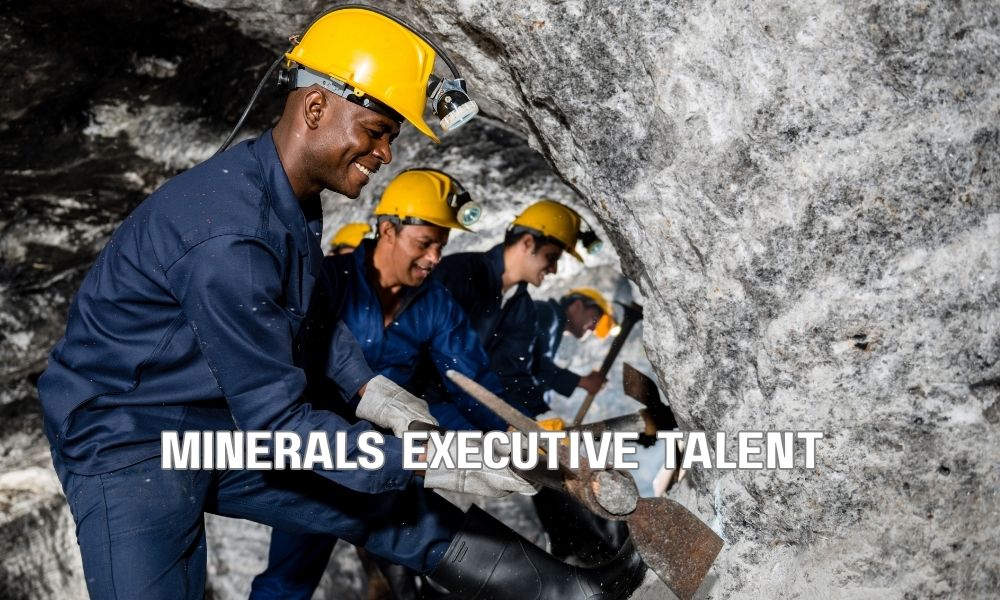
Critical minerals have moved from a specialized mining topic to a strategic priority for governments, manufacturers, technology companies, energy developers, and investors. Lithium, copper, nickel, cobalt, graphite, and rare earth elements are increasingly important to electric vehicles, renewable energy infrastructure, batteries, advanced electronics, defense technologies, power grids, and industrial manufacturing.
That growing importance is creating a significant executive recruitment challenge for mining companies. Organizations developing critical mineral projects need leaders who understand geology, mine development, processing, permitting, capital markets, sustainability, supply chains, community relations, and increasingly complex geopolitical considerations.
The leadership requirements are especially demanding because many critical minerals projects are being developed in new regions, at different stages of maturity, and under increasing pressure to move from exploration to production more efficiently.
Mining companies therefore need executives who can do more than manage established operations. They need leaders who can build projects, secure capital, develop teams, navigate regulatory environments, establish responsible supply chains, and create long-term value.
Why Critical Minerals Executive Talent Is Difficult to Recruit
The critical minerals sector has created a unique executive talent market.
Traditional mining leadership remains important, but critical minerals companies often require additional expertise related to technology, energy transition, processing, strategic partnerships, government policy, and downstream customers.
A senior mining executive may need to understand the economics of a lithium project while also navigating battery supply chains. A copper executive may need to manage a large-scale mine while dealing with increasing demand from electrification and grid infrastructure. A rare earths leader may need experience across mining, separation, processing, and specialty materials.
This creates a relatively narrow pool of executives who have direct experience with both mining operations and the strategic requirements of critical mineral markets.
For companies competing for this talent, executive recruitment must focus on the specific business challenge rather than simply searching for candidates with mining experience.
1. Lithium Leadership: Finding Executives Who Understand the Battery Supply Chain
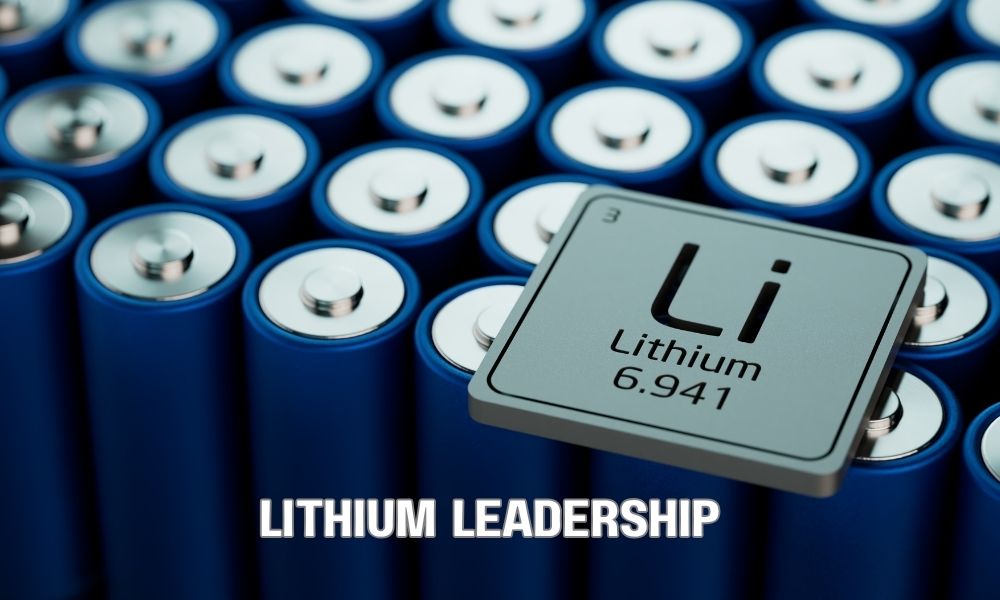
Lithium has become one of the most strategically important minerals in the energy transition.
Demand is connected to electric vehicle batteries, energy storage systems, portable electronics, and other battery applications.
As lithium projects expand globally, mining companies need executives who understand the entire development lifecycle from exploration and resource definition through processing, production, commercialization, and customer relationships.
What Companies Look for in Lithium Executives
Strong lithium leadership candidates may have experience in:
- Lithium exploration and resource development
- Hard-rock lithium mining
- Brine operations
- Lithium processing
- Project development
- Feasibility studies
- Mine construction
- Production ramp-up
- Battery-material supply chains
- Strategic partnerships
- Offtake agreements
- Capital raising
Technical knowledge is only one part of the equation.
Lithium executives increasingly need to understand customer requirements, processing economics, commodity pricing, logistics, environmental considerations, and the rapidly evolving battery ecosystem.
The ability to move a project from development into reliable commercial production can be particularly valuable.
2. Copper Executives Are Becoming More Strategically Important
Copper plays a central role in electrification.
Power transmission, renewable energy systems, electric vehicles, charging infrastructure, data centers, industrial equipment, and modern electrical systems all require significant amounts of copper.
That makes copper mining leadership increasingly important to the broader energy and infrastructure economy.
However, copper projects can take many years to develop, requiring significant capital, technical expertise, permitting, infrastructure, and stakeholder engagement.
What Makes a Strong Copper Mining Executive?
Companies may look for leaders with experience in:
- Large-scale open-pit mining
- Underground mining
- Mineral processing
- Mine expansion
- Capital project management
- Operational improvement
- Resource development
- Permitting
- Government relations
- Community engagement
- Commodity marketing
- Cost optimization
The strongest candidates may also have experience operating in multiple jurisdictions.
Copper companies increasingly need executives who can manage complex projects while balancing technical, financial, environmental, and social considerations.
3. Nickel Leadership Requires Both Mining and Processing Expertise
Nickel is another important component of the global industrial and energy ecosystem.
Nickel is used in stainless steel and numerous industrial applications, while certain nickel chemistries have also played an important role in battery manufacturing.
The executive challenge is particularly complex because nickel production can involve different ore types, processing technologies, geographic markets, and environmental considerations.
The Ideal Nickel Executive
A strong nickel executive may bring experience with:
- Nickel exploration
- Laterite and sulfide deposits
- Mineral processing
- Hydrometallurgy
- Pyrometallurgy
- Mine development
- Processing facilities
- Cost management
- Environmental performance
- Supply-chain strategy
- Customer relationships
Companies increasingly value leaders who understand the connection between mining operations and downstream processing.
A mining executive who understands only extraction may not have the knowledge required to manage a vertically integrated nickel project.
4. Rare Earth Executive Talent Is Particularly Specialized
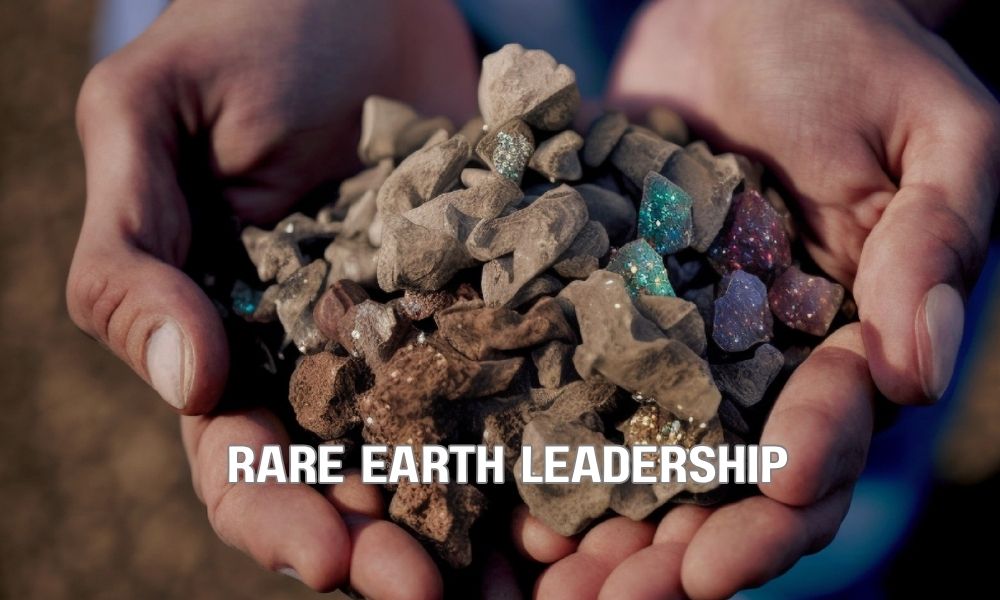
Rare earth elements present one of the most specialized leadership challenges in the critical minerals industry.
Rare earths are used in permanent magnets, electronics, electric motors, defense systems, renewable energy technologies, and other advanced applications.
Unlike many conventional mining commodities, rare earth projects often require highly specialized separation and processing capabilities.
This means companies may need executives who understand not only mining but also chemical processing, separation technologies, downstream materials, and customer qualification.
Rare Earth Leadership Requirements
Senior candidates may need experience with:
- Rare earth exploration
- Mineral processing
- Separation technologies
- Hydrometallurgy
- Refining
- Specialty materials
- Magnet supply chains
- Strategic partnerships
- Government programs
- Defense-related supply chains
This combination of mining, chemical processing, manufacturing, and geopolitical knowledge makes experienced rare earth executives particularly difficult to recruit.
5. Project Development Executives Are in High Demand
One of the most important executive categories across the critical minerals sector is project development leadership.
Many critical minerals companies are moving projects from exploration or feasibility toward construction and production.
That transition requires leaders who can coordinate technical teams, engineering contractors, financing partners, government agencies, local communities, and commercial customers.
What Project Development Leaders Must Deliver
A project development executive may be responsible for:
- Feasibility studies
- Project economics
- Capital planning
- Permitting
- Engineering
- Construction
- Procurement
- Contractor management
- Commissioning
- Production ramp-up
- Stakeholder engagement
The executive must be comfortable operating in environments where assumptions can change quickly.
Commodity prices can fluctuate. Regulatory requirements can evolve. Construction costs can increase. Technical challenges can emerge during development.
Strong project leaders know how to manage uncertainty while maintaining progress toward production.
6. Where Mining Companies Find Critical Minerals Executives
Critical minerals companies increasingly need to search across the broader mining, metals, materials, energy, and industrial ecosystem.
Mining Companies
Established mining organizations remain one of the most important sources of senior talent.
Executives from major mining companies may have experience managing large operations, international workforces, complex capital programs, and regulatory environments.
Specialized Mineral Producers
Companies focused specifically on lithium, copper, nickel, rare earths, graphite, or other strategic minerals can provide highly specialized candidates.
These executives may understand the technical and commercial characteristics of specific commodities more deeply than generalist mining leaders.
Mining Equipment and Technology Companies
Mining technology companies and equipment manufacturers can also provide valuable leadership talent.
Executives from these organizations may understand automation, digital mining, equipment optimization, processing technology, artificial intelligence, and operational efficiency.
Energy and Industrial Companies
Some critical minerals leadership capabilities can also be found in adjacent industries.
Energy companies, industrial materials producers, chemical companies, battery manufacturers, and advanced manufacturing organizations may have executives with relevant processing, supply-chain, commercial, or project-development experience.
The key is determining whether their capabilities can transfer successfully to the mining environment.
7. Supply Chain Leadership Is Becoming More Important

Critical minerals companies cannot focus exclusively on extracting resources.
They also need to understand where minerals go after they leave the mine.
Processing, refining, transportation, customer qualification, inventory, offtake agreements, and downstream manufacturing can all influence project economics.
This makes supply-chain and commercial leadership increasingly important.
Critical Minerals Supply Chain Executives
Strong candidates may have experience with:
- Strategic sourcing
- Commodity trading
- Offtake agreements
- Logistics
- Refining
- Processing partnerships
- Customer development
- International trade
- Supply-chain risk
- Downstream manufacturing
Executives who understand both mining and downstream markets can help companies make better decisions about production strategy and commercial partnerships.
8. Sustainability and Stakeholder Leadership Are Essential
Critical minerals projects are increasingly evaluated not only on their economic potential but also on their environmental and social performance.
Mining executives must increasingly understand water management, emissions, land use, biodiversity, worker safety, community relationships, Indigenous engagement, and regulatory expectations.
This has increased demand for leaders who can integrate sustainability into operating and investment decisions.
The Modern Sustainability Executive
Senior sustainability and ESG leaders may be responsible for:
- Environmental strategy
- Community relations
- Indigenous engagement
- Regulatory compliance
- Climate strategy
- Water management
- Biodiversity programs
- Social performance
- Stakeholder communication
- Sustainability reporting
The most effective executives do not treat sustainability as a separate corporate function. They integrate it into project development, operations, risk management, and long-term strategy.
9. What Makes Critical Minerals Executive Recruitment Successful?
Companies should begin executive searches by defining the specific challenge the leader must solve.
For example, a lithium company developing its first commercial operation may need a different executive profile from an established copper producer expanding an existing mine.
Potential leadership objectives may include:
- Move a mineral project from feasibility to construction
- Deliver a successful production ramp-up
- Improve mine economics
- Develop processing capabilities
- Secure strategic offtake agreements
- Build a resilient supply chain
- Expand international operations
- Improve environmental performance
- Strengthen government and community relationships
- Raise capital for major development projects
Once the objective is clear, recruiters can identify the experiences and achievements most likely to predict success.
Look Beyond Commodity Titles
Companies should not automatically restrict searches to executives who have held identical titles within the same commodity.
A copper executive may possess capabilities that transfer successfully to another large-scale mining environment.
A processing executive from another mineral category may have highly relevant expertise for a rare earth or nickel project.
The objective is to identify transferable capabilities while maintaining sufficient technical and industry relevance.
10. Leadership Experience Matters at Every Stage of a Mining Project
The ideal executive profile changes as a critical minerals project develops.
During exploration, companies may prioritize geological expertise, resource development, and capital markets experience.
During feasibility, engineering, permitting, financing, and project management become increasingly important.
During construction, companies need leaders who can coordinate contractors, procurement, engineering, workforce development, and stakeholder relationships.
During production, operational efficiency, safety, cost control, reliability, and commercial performance become central.
Understanding the project’s stage is therefore essential when defining the executive search.
11. The Global Nature of Critical Minerals Executive Talent

Critical minerals projects are distributed across multiple continents and jurisdictions.
Major deposits and projects exist across North America, South America, Australia, Africa, Europe, and Asia.
This means the best executive candidate may not live near the company’s headquarters.
Global executive recruitment can provide access to leaders with experience operating across different regulatory systems, cultures, commodity markets, and project environments.
International experience can be particularly valuable for companies entering new jurisdictions or developing cross-border supply chains.
12. What Critical Minerals Executives Want From Their Next Role
Highly experienced mining executives are selective about career moves.
They may evaluate:
- Project quality
- Resource potential
- Capital availability
- Board support
- Management autonomy
- Compensation and equity
- Project development stage
- Commodity outlook
- Geographic location
- Community relationships
- Environmental strategy
- Long-term growth potential
Companies should therefore be prepared to communicate the opportunity clearly.
A compelling executive proposition should explain what the leader will build, why the project matters, what resources are available, and how success will be measured.
13. The Future of Critical Minerals Executive Search
The demand for critical minerals leadership is likely to remain strong as governments and industries focus on resilient supply chains, electrification, energy infrastructure, advanced manufacturing, and technology development.
Mining companies will increasingly need leaders who can operate across traditional industry boundaries.
The future critical minerals executive may need to understand mining, processing, technology, energy, manufacturing, supply chains, government policy, and sustainability simultaneously.
This will make specialized executive recruitment increasingly important.
Companies that identify leadership requirements early and build relationships with potential candidates before a critical hire becomes urgent will have a significant advantage.
Conclusion
Critical minerals companies face an increasingly competitive executive talent market.
Lithium producers need leaders who understand the battery supply chain. Copper companies need executives capable of managing complex projects and large-scale operations. Nickel companies require expertise spanning mining and processing. Rare earth organizations need leaders who understand highly specialized extraction, separation, refining, and downstream markets.
Across all of these commodities, the most valuable executives combine technical knowledge with commercial judgment, operational leadership, stakeholder management, and strategic thinking.
Companies that define their leadership requirements around measurable outcomes, search globally, evaluate candidates based on proven achievements, and communicate a compelling strategic opportunity will be better positioned to attract scarce executive talent.
Frequently Asked Questions About Critical Minerals Executive Recruitment
1. What critical minerals executives are most difficult to recruit?
The most difficult critical minerals executives to recruit include experienced mine development leaders, lithium executives, copper operations leaders, nickel processing specialists, rare earth executives, supply chain leaders, and sustainability-focused mining executives. Candidates with experience spanning technical operations and commercial strategy are particularly competitive.
2. What skills should mining companies look for in critical minerals executives?
Mining companies should look for a combination of technical mining knowledge, project development experience, operational leadership, financial understanding, stakeholder management, supply-chain expertise, and strategic decision-making. Depending on the project, specialized experience in processing, refining, permitting, sustainability, or commodity marketing may also be essential.
3. Where do companies find critical minerals executive talent?
Critical minerals companies can find executive talent through major mining organizations, specialized mineral producers, mining equipment and technology companies, metals and materials businesses, energy companies, chemical companies, and related industrial organizations. Global executive searches can also identify experienced leaders from jurisdictions with established mining ecosystems.
4. Why is rare earth executive recruitment particularly challenging?
Rare earth executive recruitment is challenging because the industry requires expertise that can span mining, mineral processing, separation, refining, specialty materials, and downstream manufacturing. Leaders may also need experience navigating government programs, strategic supply chains, and geopolitical considerations.
5. How can mining companies improve critical minerals executive hiring?
Mining companies can improve executive hiring by defining the project’s specific development stage and business objectives before beginning the search. Companies should evaluate candidates based on relevant achievements, technical expertise, leadership capability, stakeholder experience, and the ability to operate across mining and downstream supply chains. A specialized executive search approach can also help identify highly qualified passive candidates.
Explore Mining & Minerals Executive Search
Organizations seeking experienced leadership for mining operations, critical minerals, project development, mineral processing, supply chain, and related functions can learn more through JRG Partners:
Mining & Minerals Executive Search Firm

Tanya Gallardo
Managing Director, Executive Search & AI Talent Strategy
Tanya Gallardo is the Managing Director of Executive Search & AI Talent Strategy at JRG Partners, leading C-suite and Board engagements across key growth sectors including Technology, Financial Services, and Manufacturing.
With over 18 years of experience specializing in disruptive technology leadership, Tanya is recognized as a leading authority on talent architecture for future-focused executive roles, such as the Chief AI Officer (CAIO) and Chief Digital Officer (CDO). Her expertise lies in accurately assessing the cultural fit and technical depth required to ensure a high return on investment (ROI) for critical leadership appointments.
Prior to her role at JRG Partners, Tanya held senior roles directing global talent acquisition strategies at a major publicly-traded technology firm, advising on organizational design and succession planning for emerging executive functions. She is a recognized speaker and contributor to industry events, sharing data-driven insights on executive compensation, leadership development, and the measurable business impact of C-suite talent.
