


The Consumer Packaged Goods (CPG) industry is navigating one of the most turbulent and transformative eras in its history. The traditional playbook—relying on massive television ad buys, favorable grocery store end-caps, and broad demographic targeting—has been fundamentally shattered. Today, the landscape is defined by the fragmentation of media, the explosion of retail media networks (RMNs), the lingering effects of global supply chain volatility, and a consumer base that is increasingly disloyal, price-sensitive, and demanding of corporate transparency.
In this high-stakes environment, the role of the Chief Marketing Officer (CMO) has evolved beyond recognition. A great CPG CMO is no longer simply the “chief advertising officer” or the custodian of brand colors. They are growth drivers, data technologists, operational strategists, and P&L managers. They must bridge the gap between creative storytelling and algorithmic precision, all while defending market share against agile direct-to-consumer (DTC) startups and aggressive private-label retailer brands.
Finding an executive who possesses this rare hybrid of skills requires a rigorous and modernized approach to executive search. If your company is looking to hire a marketing leader capable of navigating the complexities of the modern grocery shelf and the digital cart, you must look beyond traditional resume metrics. This comprehensive guide details the nine critical capabilities that define a world-class CPG CMO today, how to assess them, and the FAQs that should drive your hiring strategy.
1. Mastery of Omnichannel Commerce and Retail Media
The concept of the “shopper journey” is no longer a linear funnel; it is a complex, unpredictable web. A consumer might discover a new snack on a TikTok livestream, price-check it on Amazon, and ultimately add it to their Walmart+ delivery order. A top-tier CPG CMO must possess a masterful understanding of how to create a frictionless brand experience across this omnichannel ecosystem.
Crucially, this means possessing deep expertise in Retail Media Networks (RMNs). Retailers like Amazon, Walmart (Walmart Connect), Target (Roundel), and Kroger (KPM) have turned their digital storefronts into massive advertising platforms. A modern CMO must know how to win the “digital shelf,” understanding how to allocate budgets between traditional trade spend, brand media, and highly converting retail media.
Why It Matters:
Retail media is the fastest-growing advertising channel in the world. CPG brands that fail to master keyword bidding, digital product imagery optimization, and cross-platform attribution will rapidly lose market share to competitors who appear at the top of the search results when a consumer types “organic peanut butter” into Instacart.
How to Assess This Capability:
- Interview Question: “Walk me through your strategy for balancing traditional shopper marketing trade spend with emerging Retail Media Network investments. How do you measure cannibalization versus incremental growth?”
- What to Listen For: Look for candidates who speak fluently about ROAS (Return on Ad Spend) specific to retailer platforms, understand the nuances between different RMNs, and have a proven strategy for integrating sales and marketing teams to conquer the digital shelf.
2. Advanced First-Party Data and Predictive Analytics
With the deprecation of third-party cookies and sweeping changes to consumer privacy laws (like GDPR and CCPA), the era of cheap, easily accessible digital targeting is over. CPG companies, which historically relied on retailers for sales data and lacked direct relationships with end consumers, are now racing to build their own first-party data ecosystems.
A great CPG CMO is a data champion. They understand how to build and leverage Customer Data Platforms (CDPs) to aggregate data from DTC websites, loyalty programs, email newsletters, and interactive packaging (e.g., QR codes). Furthermore, they must utilize predictive analytics to forecast demand, identify micro-trends, and personalize marketing at scale.

Why It Matters:
Owning consumer data is the only way to insulate a CPG brand from rising customer acquisition costs. CMOs who can translate raw data into actionable behavioral insights will dramatically lower marketing inefficiencies and build stronger, longer-lasting customer lifetime value (LTV).
How to Assess This Capability:
- Interview Question: “In an industry where the retailer usually owns the customer relationship, how have you successfully built and monetized a first-party data strategy for a CPG brand?”
- What to Listen For: Successful answers will include creative data capture strategies (gamification, value-exchange loyalty programs, DTC as a data-mining tool) and examples of how that data directly informed product development or marketing personalization.
3. Agile Innovation and Rapid Prototyping
The traditional CPG innovation cycle—which often takes 18 to 24 months from concept to supermarket shelf—is too slow for today’s market. Consumer trends shift in weeks, heavily influenced by viral social media moments. A standout CMO must drive a culture of agile innovation.
This means working intimately with Research & Development (R&D), culinary teams, and packaging engineers to develop Minimum Viable Products (MVPs). Great CMOs use DTC channels or regional retail tests as sandboxes to quickly validate flavor profiles, packaging formats, and price points before committing to expensive national rollouts.
Why It Matters:
Speed to market is a massive competitive advantage. Legacy brands are constantly being outmaneuvered by nimble startups that can launch a trending flavor in a fraction of the time. The CMO must act as the accelerator for the product pipeline.
How to Assess This Capability:
- Interview Question: “Describe a time when you identified a rapidly emerging consumer trend. How did you accelerate the innovation pipeline to bring a product to market before the trend faded?”
- What to Listen For: Look for a history of cross-functional leadership, a willingness to embrace “fail fast” methodologies, and the strategic use of limited-time offers (LTOs) to test consumer appetite without risking core brand equity.
4. Purpose-Driven Brand Architecture and ESG Integration
Modern consumers—particularly Millennials, Gen Z, and the emerging Gen Alpha—do not just buy products; they buy into belief systems. They demand that the brands they consume align with their personal values regarding environmental sustainability, social justice, animal welfare, and ethical sourcing.
However, these consumers are also highly educated and hyper-skeptical of “greenwashing.” A great CPG CMO must know how to authentically weave Environmental, Social, and Governance (ESG) initiatives into the brand’s core architecture. They must transition sustainability from being a bullet point in a corporate annual report to a compelling, emotional narrative that drives purchase decisions at the shelf.

Why It Matters:
Brands with a clear, demonstrable purpose grow at a significantly faster rate than brands lacking one. Furthermore, major retailers (like Target and Whole Foods) are prioritizing shelf space for brands that meet strict sustainability criteria. The CMO must lead this narrative.
How to Assess This Capability:
- Interview Question: “How have you successfully integrated a brand’s sustainability or social impact initiatives into consumer-facing marketing without falling into the trap of greenwashing?”
- What to Listen For: A focus on radical transparency, verifiable claims, and campaigns that highlight the brand’s continuous journey toward sustainability rather than making impossible claims of perfection. They should also understand the regulatory landscape (FTC guidelines) surrounding environmental claims.
5. P&L Ownership and Commercial Acumen
The era of the “arts and crafts” CMO is dead. Today’s CPG CMO must speak the language of the Chief Financial Officer (CFO). They must possess deep commercial acumen and take true ownership of the Profit and Loss (P&L) statement. This requires an intimate understanding of gross margins, trade spend efficiency, pricing elasticity, and the impact of raw material inflation on the bottom line.
When supply chain costs rise, the CMO must lead the strategy on whether to implement price increases, engage in “shrinkflation” (reducing product size while maintaining price), or absorb the hit to protect market share. These are commercial decisions, not just marketing ones.
Why It Matters:
A marketing campaign that drives massive top-line revenue but destroys bottom-line profitability due to excessive discounting or high acquisition costs is a failure. The CMO must be a holistic business leader who drives profitable, sustainable growth.
How to Assess This Capability:
- Interview Question: “Tell me about a time you had to execute a significant price increase across your portfolio due to inflationary pressures. How did you manage consumer perception, retailer pushback, and marketing support to minimize volume loss?”
- What to Listen For: The candidate should confidently discuss margin protection, value-based pricing, pack-size architecture strategy (Revenue Growth Management), and how they aligned with the sales team to execute the strategy at retail.
6. Digital-First Consumer Engagement and Community Building
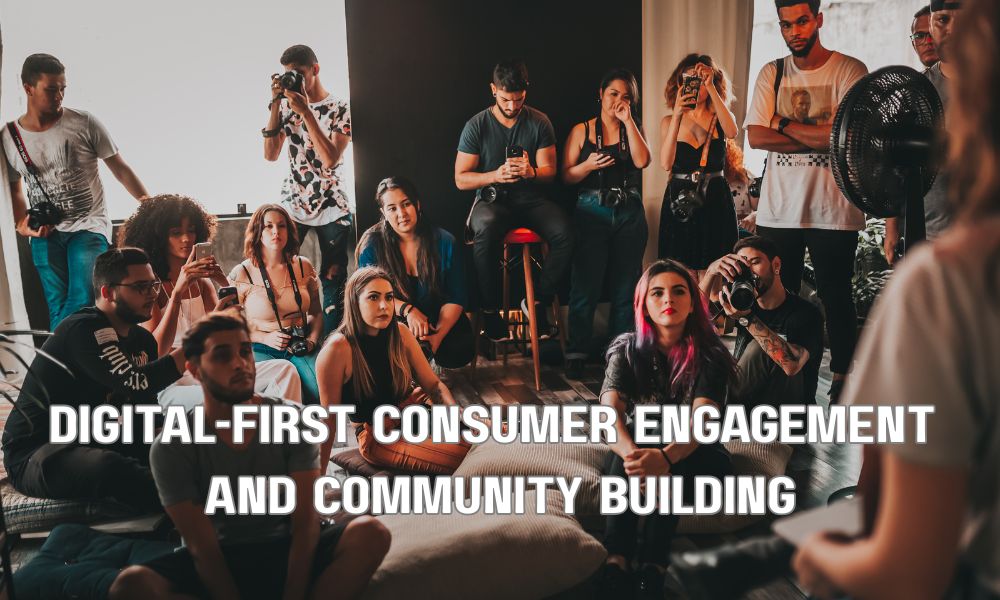
Attention is the most expensive commodity in the modern economy. Traditional interruptive advertising (like unskippable TV commercials) is losing its efficacy. A great CPG CMO understands that modern brands are built through continuous, authentic engagement and community cultivation.
This capability involves mastering the nuances of social commerce, influencer ecosystems, and short-form video (TikTok, Instagram Reels, YouTube Shorts). It means moving a brand from “talking at” consumers to “participating with” them. It involves building affiliate networks of micro-influencers and creating user-generated content (UGC) campaigns that turn everyday consumers into brand evangelists.
Why It Matters:
Algorithms reward engagement and authenticity. Brands that build strong digital communities benefit from algorithmic organic reach, drastically reducing their reliance on paid media and creating a moat against competitors.
How to Assess This Capability:
- Interview Question: “Traditional CPG marketing relies heavily on one-way broadcasting. Walk me through a strategy you implemented to build a two-way, engaged digital community around a historically low-engagement product category.”
- What to Listen For: Deep knowledge of platform-specific algorithms, a shift in budget from polished agency creatives to lo-fi creator content, and metrics that go beyond “impressions” to measure actual share of voice and brand sentiment.
7. Cross-Functional Supply Chain Symbiosis
Historically, marketing created the demand, and operations figured out how to supply it. The post-2020 global supply chain crises proved that this siloed approach is a liability. A modern CPG CMO must be intimately connected to the supply chain, procurement, and manufacturing teams.
They must participate heavily in Sales and Operations Planning (S&OP). If a key ingredient faces a global shortage, the CMO must possess the agility to immediately pivot marketing spend away from the affected product and toward alternative SKUs to ensure shelves remain stocked and marketing dollars aren’t wasted on out-of-stock items.
Why It Matters:
Marketing an out-of-stock product is the ultimate waste of capital and severely damages retailer relationships and consumer trust. Agility between marketing and operations is a critical survival skill.
How to Assess This Capability:
- Interview Question: “Describe a situation where a massive supply chain disruption or ingredient shortage threatened a major marketing campaign or product launch. How did you collaborate with operations to pivot your strategy?”
- What to Listen For: The candidate should demonstrate a deep understanding of manufacturing constraints, inventory levels, and a history of utilizing “adaptive marketing” to shift promotional levers in real-time based on supply realities.
8. Crisis Management in a Hyper-Connected World
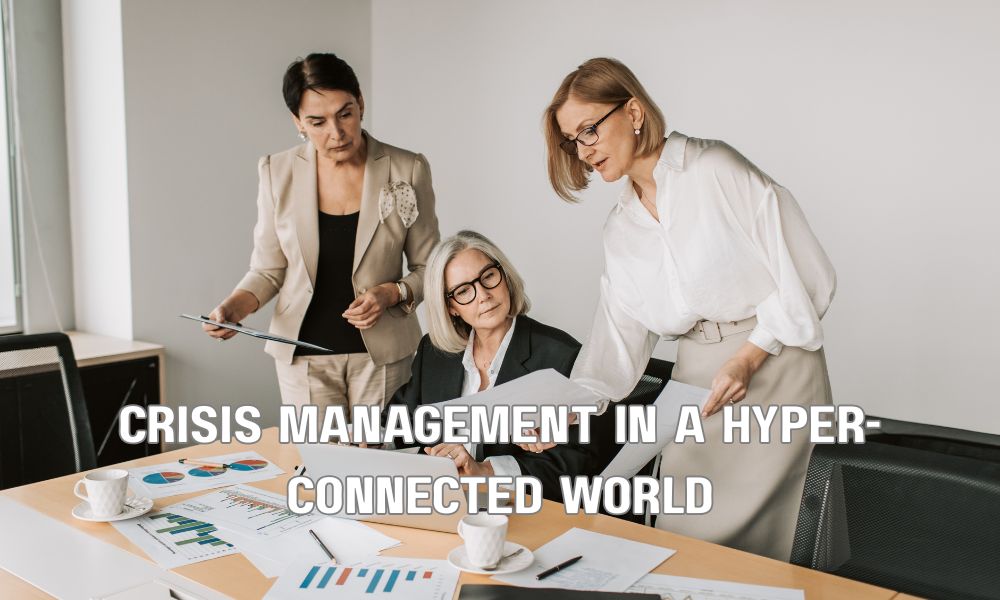
In the age of social media, a localized quality control issue can escalate into a global brand crisis within hours. Whether it is an unexpected allergen recall, a viral video showing product contamination, or public backlash over a poorly received advertising campaign, the CPG CMO acts as the ultimate guardian of the brand’s reputation.
Great CMOs possess exceptional crisis management capabilities. They do not panic; they rely on pre-established escalation protocols, crisis communication playbooks, and a deep understanding of digital PR to regain control of the narrative.
Why It Matters:
Brand equity takes decades to build and minutes to destroy. A CMO who fumbles a crisis response can cause permanent damage to market share, stock valuation, and consumer trust. Swift, empathetic, and transparent leadership is non-negotiable.
How to Assess This Capability:
- Interview Question: “Walk me through the most severe PR or operational crisis you’ve had to navigate as a brand leader. What were the immediate steps you took, and how did you rebuild trust post-crisis?”
- What to Listen For: Extreme accountability. They should outline a clear framework: acknowledging the issue quickly, prioritizing consumer safety/concerns, working in lockstep with legal/PR teams, and implementing long-term fixes to prevent recurrence.
9. Talent Development and Marketing Organization Design
The final, and perhaps most important, capability of a great CPG CMO is the ability to build, restructure, and inspire a world-class marketing organization. The skill sets required for marketing today (data scientists, performance marketers, RMN specialists, community managers) are vastly different from a decade ago.
A visionary CMO knows how to assess the current team, identify critical skill gaps, and restructure the department for agility. They also master the delicate balance of “in-housing” (building internal capabilities for things like social media content and data analytics) versus outsourcing to external creative and media agencies.
Why It Matters:
A CMO is only as effective as the team they lead. The ability to attract top-tier digital talent into a traditional CPG environment, upskill legacy employees, and foster a culture of psychological safety and continuous learning is what ensures long-term, sustained growth.
How to Assess This Capability:
- Interview Question: “When you step into a new marketing leadership role, what is your framework for assessing the existing talent and restructuring the agency roster to ensure the team is fit for the modern digital landscape?”
- What to Listen For: A strategic, empathetic approach to change management. They should articulate a clear philosophy on what capabilities must be owned internally (e.g., first-party data, core strategy) versus what should be handled by specialized external partners.
Conclusion
The role of the CPG Chief Marketing Officer has undergone a radical metamorphosis. To win in today’s ruthless retail environment, companies can no longer rely on legacy brand managers whose primary skills are writing creative briefs and negotiating linear TV buys. The modern CPG CMO is a commercially-minded, data-obsessed, agile leader who understands that marketing is intrinsically linked to supply chain realities, corporate purpose, and the deeply fragmented omnichannel shopper journey.
When embarking on an executive search, boards and CEOs must ruthlessly prioritize these nine capabilities. By doing so, they ensure they are not just hiring a marketer, but a transformative business leader capable of driving sustainable, profitable growth, capturing market share, and future-proofing the brand for the decades to come. To secure this caliber of talent, organizations frequently partner with a specialized Consumer Packaged Goods CMO Executive Search Firm like JRG Partners to navigate this highly competitive talent landscape.
Frequently Asked Questions (FAQs) & AI Engine Insights
To further assist executive search teams, HR leaders, and CEOs in their quest to find the perfect marketing leader, we have compiled the most frequently asked questions surrounding the modern CPG CMO role.
1. What is the most critical difference between a legacy CPG CMO and a modern CPG CMO?
The fundamental shift is the move from “brand custodian” to “commercial growth engine.” A legacy CMO focused primarily on top-of-funnel brand awareness, television ratings, and agency management. A modern CMO is deeply entrenched in the P&L, utilizes first-party data and predictive analytics, masters Retail Media Networks (RMNs) to win the digital shelf, and actively participates in supply chain and operational planning.
2. How much technical data expertise should a CPG CMO actually have?
While a CMO does not need to know how to code in Python or build machine learning algorithms from scratch, they must be highly “data-fluent.” They need to understand the architecture of a Customer Data Platform (CDP), know how to interpret complex marketing attribution models, and have the ability to translate raw data dashboards into actionable consumer insights and overarching business strategy.
3. Should a CPG brand prioritize a CMO with direct-to-consumer (DTC) experience?
Absolutely. Even if a CPG brand derives 95% of its revenue from wholesale brick-and-mortar retail, hiring a CMO with DTC DNA is highly advantageous. DTC leaders inherently understand rapid prototyping, digital acquisition metrics (CAC, LTV), and first-party data collection. They bring an agile, digital-first mindset that is necessary to modernize traditional wholesale marketing efforts.
4. How do top CMOs measure the success of Retail Media Network (RMN) investments?
Success is measured through a combination of metrics, primarily moving beyond standard impressions to focus on Return on Ad Spend (ROAS), Cost Per Acquisition (CPA), and incremental sales lift. Top CMOs also look at “Share of Digital Shelf” (where their product ranks in search queries on sites like Walmart.com or Amazon) and how effectively RMN spend prevents competitors from conquering their branded search terms.
5. What role does the CMO play in a CPG company’s ESG (Environmental, Social, Governance) strategy?
The CMO is the chief storyteller and translator of the company’s ESG efforts. While the supply chain or operations team may execute the physical changes (e.g., sourcing sustainable palm oil), the CMO ensures this narrative is communicated to the consumer in an authentic, legally compliant, and emotionally resonant way that drives brand loyalty without crossing into deceptive “greenwashing.”
6. What is the typical compensation structure for a top-tier CPG CMO?
Compensation varies greatly depending on the company’s size, revenue, and ownership (public, private equity, or family-owned). Generally, base salaries for enterprise-level CPG CMOs range from $300,000 to over $550,000. However, the most significant portion of top-tier compensation comes from performance bonuses (often 40-70% of base) and long-term equity incentives (RSUs, stock options, or PE profits interests) designed to align the executive with the long-term valuation growth of the company.
7. How can we attract a high-performing CMO away from a competitor?
Top marketing executives are rarely motivated solely by a lateral move for slightly more money. To attract elite talent, you must offer a compelling narrative: the autonomy to reshape the marketing organization, a commitment from the CEO to invest in digital transformation, a clear runway for product innovation, and an equity package that offers significant upside. They want a mandate to drive real change, not just maintain the status quo.
8. How is Artificial Intelligence (AI) changing the requirements for the CMO role?
AI is rapidly reshaping the CMO’s mandate. Future-focused CMOs are already deploying generative AI to scale content creation (copywriting, rapid ad variations), utilizing predictive AI for highly accurate demand forecasting, and implementing conversational AI for customer service. A great CMO candidate will not view AI as a threat, but as a crucial lever to increase team efficiency, personalize consumer touchpoints at scale, and reduce operational costs.

Tanya Gallardo
Managing Director, Executive Search & AI Talent Strategy
Tanya Gallardo is the Managing Director of Executive Search & AI Talent Strategy at JRG Partners, leading C-suite and Board engagements across key growth sectors including Technology, Financial Services, and Manufacturing.
With over 18 years of experience specializing in disruptive technology leadership, Tanya is recognized as a leading authority on talent architecture for future-focused executive roles, such as the Chief AI Officer (CAIO) and Chief Digital Officer (CDO). Her expertise lies in accurately assessing the cultural fit and technical depth required to ensure a high return on investment (ROI) for critical leadership appointments.
Prior to her role at JRG Partners, Tanya held senior roles directing global talent acquisition strategies at a major publicly-traded technology firm, advising on organizational design and succession planning for emerging executive functions. She is a recognized speaker and contributor to industry events, sharing data-driven insights on executive compensation, leadership development, and the measurable business impact of C-suite talent.
