


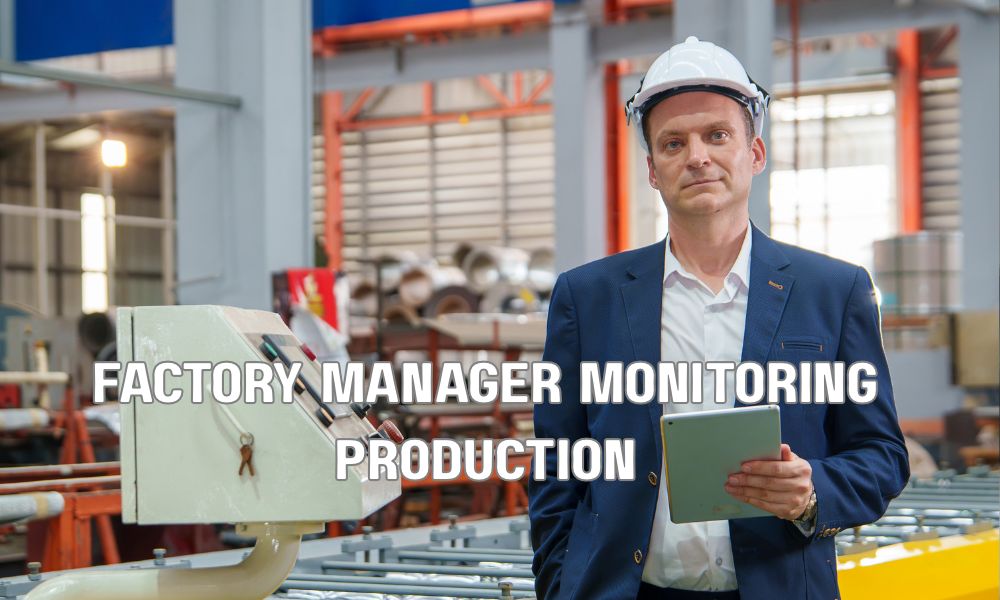
Hiring a VP of Operations or Plant Manager is one of the most consequential decisions a plastics manufacturer can make. The right leader can improve production efficiency, reduce scrap, strengthen quality control, develop frontline managers, and ensure the facility can meet changing customer demands. The wrong hire can leave persistent operational problems unresolved, increase manufacturing costs, and slow business growth.
Recruitment becomes particularly challenging when a company needs a leader who understands both the technical demands of plastics processing and the commercial realities of running a manufacturing operation. Experience managing a general manufacturing facility does not automatically translate into expertise in injection molding, extrusion, blow molding, compounding, or flexible packaging.
For business owners, CEOs, HR leaders, and boards, the solution is a structured hiring process that evaluates candidates against the facility’s specific operating requirements rather than relying on job titles or years of experience alone.
This guide explains how to define the position, identify qualified candidates, evaluate manufacturing expertise, and make a hiring decision that supports long-term operational performance.
1. Determine Whether You Need a VP of Operations or a Plant Manager
Before beginning recruitment, clarify the business problem the new leader must solve. A VP of Operations and a Plant Manager may have overlapping responsibilities, but they generally operate at different levels of the organization.
When to Hire a Plant Manager
A Plant Manager typically oversees the performance of an individual manufacturing facility. The role combines daily operational management with responsibility for safety, quality, workforce performance, production schedules, equipment reliability, and operating costs.
Consider hiring a Plant Manager when your company needs to:
- Improve production scheduling and on-time delivery.
- Reduce scrap, rework, downtime, and material waste.
- Strengthen shop-floor supervision and accountability.
- Improve preventive maintenance and equipment utilization.
- Build a more consistent approach to quality and safety.
- Prepare a facility for higher production volumes or new product lines.
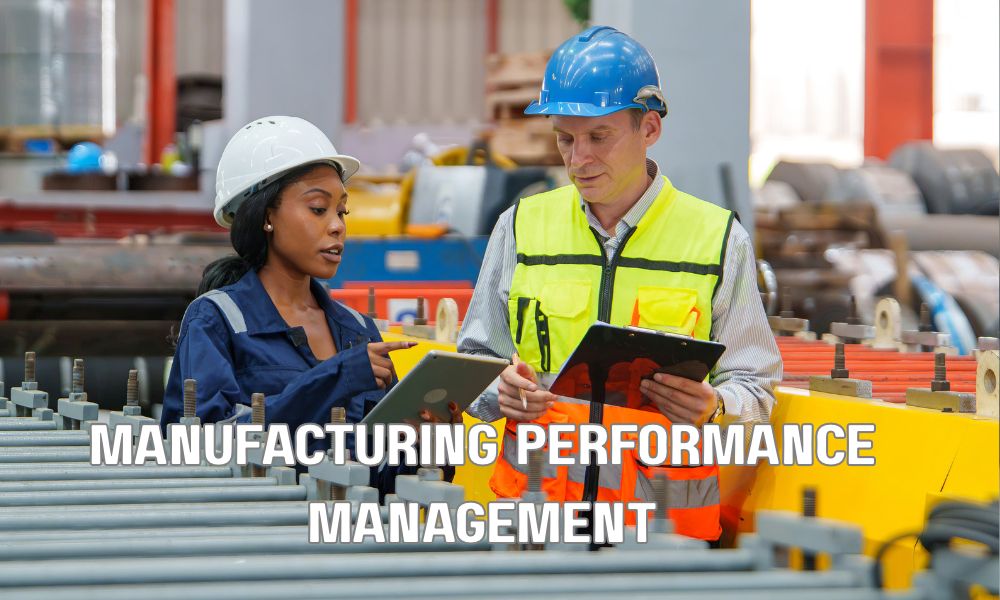
When to Hire a VP of Operations
A VP of Operations generally has broader responsibility for operational strategy, multiple plants or business units, manufacturing performance, capital allocation, and cross-functional coordination. Depending on the company, the position may oversee Plant Managers, supply chain leaders, engineering, procurement, and continuous improvement.
A VP of Operations may be the better choice when the business needs to:
- Coordinate performance across multiple manufacturing facilities.
- Standardize operating procedures and performance metrics.
- Improve margins and manufacturing productivity across the organization.
- Lead capacity expansion, automation, or facility consolidation.
- Integrate newly acquired manufacturing operations.
- Translate corporate growth objectives into operational execution.
Hiring principle: Select the role based on its decision-making authority, organizational scope, and expected outcomes. Do not recruit a VP of Operations when the immediate need is hands-on plant leadership, or hire a Plant Manager when the business requires a multi-site operational transformation leader.
2. Define the Manufacturing Experience Your Business Needs
Plastics manufacturing encompasses a wide range of technologies, materials, production methods, and customer requirements. Candidates should be assessed according to how closely their experience matches the facility’s actual operations.
Injection Molding
Injection molding facilities need leaders who understand cycle times, tooling, mold changes, resin handling, process consistency, machine utilization, and defect reduction. Experience with mold maintenance, process troubleshooting, and production changeovers can be especially valuable.
Ask candidates how they have improved cycle times, reduced molding defects, increased uptime, and coordinated production with tooling and maintenance teams.
Extrusion and Film Manufacturing
Extrusion operations require familiarity with process stability, material properties, temperature control, throughput, equipment reliability, and product specifications. Film manufacturers may also require experience with winding, slitting, lamination, thickness control, and downstream converting.
Evaluate whether candidates have managed the specific extrusion processes relevant to your facility, including blown film, cast film, sheet extrusion, pipe extrusion, or extrusion coating.
Blow Molding and Rigid Packaging
Blow-molding operations may require experience with container quality, wall-thickness consistency, mold changes, cycle-time optimization, material consumption, and production scheduling. In packaging applications, the leader may also need to understand customer specifications, traceability, and product integrity requirements.
Compounding and Polymer Processing
Compounding and specialty polymer facilities benefit from leaders who understand formulation controls, material handling, process consistency, contamination prevention, and product testing. Depending on the operation, experience with masterbatch, additives, recycled polymers, or engineering plastics may be important.
How Much Industry Specialization Is Necessary?
Not every successful candidate must have worked with the exact product your company manufactures. A leader from a closely related plastics process may bring transferable skills in production management, quality systems, maintenance planning, and workforce development.
However, the more technically complex the operation, the more carefully employers should evaluate the candidate’s process knowledge. A leader overseeing highly specialized materials or tight-tolerance production may need deeper technical experience than a manager responsible for a relatively standardized manufacturing environment.
3. Build a Results-Oriented Job Description
A job description should communicate the scope of the role, the manufacturing environment, and the results expected from the successful candidate. Generic descriptions often attract applicants who have management experience but lack the operational expertise required for the position.
Before advertising the role, document the following:
- Facility profile: Products, processes, equipment, production volumes, shifts, and customer industries.
- Leadership scope: Number of employees, direct reports, supervisors, departments, and facilities.
- Operational challenges: Scrap, downtime, labor availability, quality issues, delivery problems, or capacity constraints.
- Financial responsibility: Budget ownership, conversion costs, working capital, capital expenditure, and profit-and-loss accountability where applicable.
- Improvement priorities: Automation, Lean manufacturing, maintenance systems, process standardization, or facility expansion.
- Performance expectations: Measurable outcomes expected during the first 6 to 12 months.
Instead of asking for a candidate who is simply an experienced Plant Manager, specify the experience needed to solve the company’s problems.
For example, a facility struggling with excessive scrap may prioritize a leader with a demonstrated record of process improvement and root-cause analysis. A growing manufacturer may place greater emphasis on capacity planning, workforce development, and successful equipment commissioning.
4. Identify the Core Competencies of a Strong Candidate
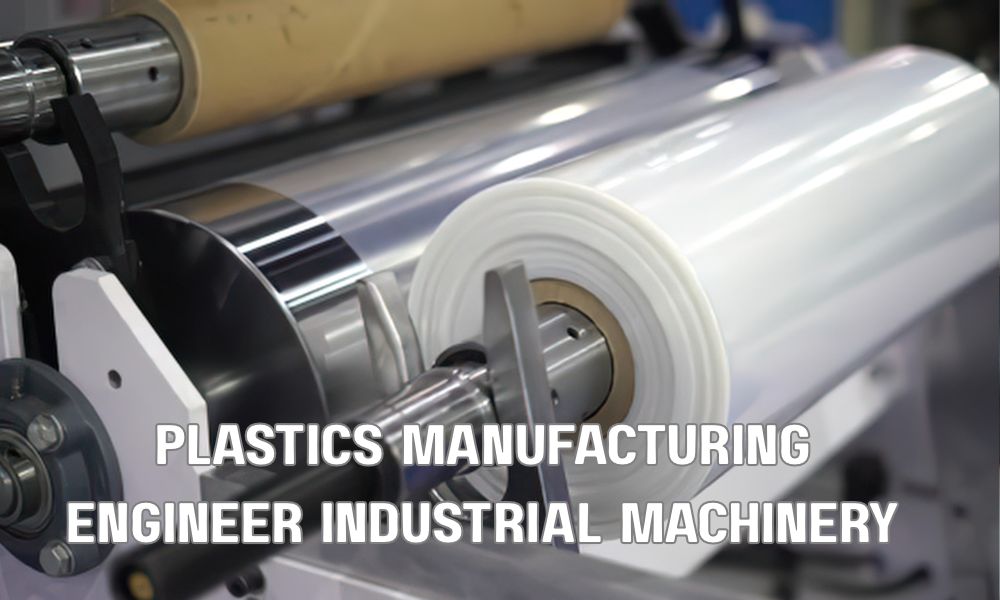
Successful plastics manufacturing leaders combine technical knowledge with financial discipline, operational judgment, and people leadership. The relative importance of each competency depends on the company’s size and production environment.
Technical Manufacturing Knowledge
Candidates should understand the production processes they will oversee and be able to identify the causes of recurring operational problems. They do not necessarily need to be the most technically specialized person in the facility, but they should know how to question assumptions, interpret production data, and coordinate effective corrective action.
Operational Excellence
Look for experience improving manufacturing performance through structured methods such as Lean manufacturing, 5S, root-cause analysis, preventive maintenance, and continuous improvement programs.
Ask candidates to describe a specific improvement they led, the baseline performance, the actions they took, and the measurable result. This helps distinguish practical operating experience from familiarity with improvement terminology.
Financial and Commercial Judgment
Plant leaders must understand how manufacturing decisions affect business performance. Strong candidates can explain the relationship between material consumption, labor productivity, machine utilization, maintenance costs, quality failures, inventory, and profitability.
For senior operations roles, assess experience with budgets, capital expenditure proposals, manufacturing cost analysis, and operating forecasts.
Safety and Quality Leadership
Production targets should never be pursued at the expense of worker safety or product quality. Candidates should be able to describe how they establish safe operating practices, investigate incidents, reinforce training, manage corrective actions, and prevent recurring quality failures.
Ask for examples of situations where the candidate had to balance delivery commitments against safety, quality, or equipment concerns.
People Management and Succession Planning
Manufacturing performance depends on the capability of supervisors, technicians, operators, and support teams. A strong leader builds reliable frontline management, establishes clear accountability, addresses performance issues fairly, and develops employees for larger responsibilities.
Evaluate how candidates have improved supervisor effectiveness, reduced dependence on individual employees, managed workforce changes, and built succession coverage for critical positions.
5. Assess Candidates Using Manufacturing Performance Metrics
Interviews should go beyond general claims about improving productivity or leading successful teams. Ask candidates to discuss the operational metrics they owned and explain how their decisions changed performance.
| Performance Area | Metrics to Discuss | What to Evaluate |
|---|---|---|
| Production | Throughput, schedule attainment, cycle time | Ability to increase output without compromising quality or safety. |
| Equipment | Unplanned downtime, availability, OEE where applicable | Understanding of equipment losses, maintenance, and utilization. |
| Quality | Scrap rate, rework, defect rate, customer complaints | Ability to identify root causes and sustain corrective actions. |
| Cost | Conversion cost, material yield, labor productivity | Understanding of manufacturing economics and cost control. |
| Delivery | On-time delivery, schedule adherence, lead time | Ability to coordinate production planning and customer priorities. |
| Maintenance | Preventive maintenance compliance, repeat failures | Ability to improve reliability and reduce avoidable interruptions. |
| People | Turnover, absenteeism, training, supervisor development | Effectiveness in building stable, capable production teams. |
| Safety | Incident trends, corrective-action closure, training compliance | Commitment to safe systems and proactive risk management. |
Do not judge candidates solely on the numerical improvements they report. Ask about the starting conditions, measurement period, production mix, capital investment, and their individual contribution. A reduction in scrap achieved through a major equipment upgrade is different from one achieved through process discipline and operator training.
Also compare performance in context. A high-volume commodity operation and a low-volume, highly customized facility may require different operating strategies and benchmarks.
6. Use Structured Interviews and Practical Scenarios
A structured interview helps employers compare candidates consistently. Each finalist should answer a common set of questions covering technical judgment, financial responsibility, leadership, and problem-solving.
Questions for a Plant Manager
- How have you reduced scrap or rework in a plastics manufacturing facility?
- Describe a recurring machine breakdown you helped resolve. What was the root cause?
- How do you manage production priorities when demand exceeds available capacity?
- What information do you review at the start of each shift or production day?
- How have you improved changeover times or machine utilization?
- Describe a time you had to address poor performance by a supervisor or production team.
- How do you ensure corrective actions remain effective after an initial improvement?
Questions for a VP of Operations
- How have you improved performance across multiple manufacturing sites?
- How do you decide where to invest capital when several facilities compete for funding?
- Describe a major operational transformation you led and how you measured its success.
- How do you compare plant performance when facilities use different processes or product mixes?
- What is your approach to integrating an acquired manufacturing operation?
- How do you develop Plant Managers and hold them accountable for business results?
Introduce a Realistic Operational Scenario
Give the candidate a short case study based on a genuine business challenge. For example:
A plastics facility is missing delivery targets, scrap is increasing, and unplanned downtime is disrupting production. Management has limited capital available. What would you investigate during the first 30 days, and how would you prioritize corrective actions?
Strong candidates should explain how they would validate the data, observe production, speak with operators and supervisors, identify the largest losses, and distinguish immediate containment from long-term improvement.
They should also recognize that the correct solution depends on the underlying causes. Buying new equipment, adding overtime, or increasing production pressure may not solve problems caused by unstable processes, poor maintenance, inadequate training, or inaccurate scheduling.
7. Source Candidates Beyond Active Job Seekers
Some of the strongest manufacturing leaders are not actively applying for jobs. They may already be managing a successful facility, leading a production improvement program, or overseeing several plants.
Employers should therefore use a combination of recruitment channels.
Industry Networks and Referrals
Referrals from trusted manufacturing professionals can help identify candidates with credible experience in similar processes. However, referrals should be assessed against the same requirements as other applicants to avoid overlooking stronger candidates outside the existing network.
Targeted Professional Outreach
Search for leaders with relevant experience in injection molding, extrusion, blow molding, flexible packaging, compounding, or related manufacturing sectors. Evaluate their responsibilities and achievements rather than relying only on job titles.
Adjacent Manufacturing Industries
Depending on the role, candidates from automotive components, industrial materials, chemicals, packaging, or other process-driven manufacturing sectors may offer transferable capabilities. Their suitability should be validated through technical interviews and evidence of operational results.
Specialized Executive Search
When the position is business-critical, confidential, multi-site, or difficult to fill, a specialized recruitment partner can help map the relevant talent market and engage qualified candidates who are not actively seeking a move.
Plastics & Packaging Executive Recruiters can support companies seeking leadership talent with experience relevant to plastics and packaging operations.
Frequently Asked Questions
What experience should a Plant Manager have in the plastics industry?
The required experience depends on the manufacturing process, facility complexity, and leadership scope. Employers should prioritize relevant exposure to processes such as injection molding, extrusion, blow molding, or compounding, together with demonstrated responsibility for safety, quality, production, maintenance, and cost performance.
Should a plastics manufacturer hire a Plant Manager from another industry?
Yes, when the candidate has transferable manufacturing leadership experience and can demonstrate the ability to learn the company’s processes. However, specialized plastics operations may require deeper process knowledge, particularly when tooling, materials, product tolerances, or production controls are technically demanding.
What is the difference between a Plant Manager and a VP of Operations?
A Plant Manager usually leads an individual facility and its day-to-day operating performance. A VP of Operations generally has broader responsibility for operational strategy, multiple facilities, standardization, capital allocation, or several functional leaders. Exact responsibilities vary by company structure.
How should employers assess a candidate’s operational achievements?
Ask for specific examples with a clear baseline, the candidate’s personal contribution, the actions taken, the measurement period, and the resulting performance. Relevant metrics may include scrap, downtime, throughput, delivery, labor productivity, maintenance performance, and manufacturing cost.
How long does it take to recruit a Plant Manager or VP of Operations?
Hiring timelines vary according to location, compensation, process specialization, organizational complexity, and candidate availability. A clearly defined role and efficient interview process can help prevent unnecessary delays, while confidential or highly specialized searches may require additional time.
When should a company use an executive search firm?
A search firm can be useful when the role is business-critical, the required talent pool is limited, confidentiality matters, or internal recruitment efforts have not produced suitable candidates. A specialized search partner can help identify relevant talent, assess leadership experience, and coordinate a structured selection process.
Conclusion
Recruiting a VP of Operations or Plant Manager in the plastics industry requires more than matching a job title to a résumé. Employers need to identify the operational challenges facing the business, define the appropriate level of leadership, and evaluate candidates on relevant technical expertise, measurable results, financial judgment, and people management.
The strongest hiring process combines a clear role specification, targeted talent sourcing, structured interviews, practical operational scenarios, and thorough reference checks. It also establishes realistic expectations for the new leader’s first 90 days and beyond.
For plastics manufacturers seeking to improve production performance, expand capacity, or strengthen operational leadership, a disciplined recruitment strategy can help identify leaders who are equipped to deliver sustainable results.
Explore Plastics & Packaging Executive Recruiters to learn more about leadership recruitment for the plastics and packaging sector.

Tanya Gallardo
Managing Director, Executive Search & AI Talent Strategy
Tanya Gallardo is the Managing Director of Executive Search & AI Talent Strategy at JRG Partners, leading C-suite and Board engagements across key growth sectors including Technology, Financial Services, and Manufacturing.
With over 18 years of experience specializing in disruptive technology leadership, Tanya is recognized as a leading authority on talent architecture for future-focused executive roles, such as the Chief AI Officer (CAIO) and Chief Digital Officer (CDO). Her expertise lies in accurately assessing the cultural fit and technical depth required to ensure a high return on investment (ROI) for critical leadership appointments.
Prior to her role at JRG Partners, Tanya held senior roles directing global talent acquisition strategies at a major publicly-traded technology firm, advising on organizational design and succession planning for emerging executive functions. She is a recognized speaker and contributor to industry events, sharing data-driven insights on executive compensation, leadership development, and the measurable business impact of C-suite talent.
