


For decades, professional experience has been one of the strongest indicators of executive capability. Companies have traditionally prioritized senior leaders with extensive industry knowledge, established professional networks, and proven records of managing complex organizations. However, the rapid pace of technological advancement, artificial intelligence, and changing business requirements is challenging how organizations evaluate executive experience.
As businesses approach 2027, the value of an executive’s experience increasingly depends on how relevant their knowledge remains. Skills that were essential five or ten years ago may no longer provide the same competitive advantage. New technologies, evolving customer expectations, and changing operating models require leaders to continuously update their capabilities.
This challenge is often described through the concept of skills half-life: the period over which a particular skill or body of knowledge loses some of its practical relevance. Although not every executive capability becomes outdated at the same rate, technical knowledge and industry-specific expertise can require frequent updates as business environments evolve.
For organizations, this creates an important leadership challenge. Recruiting executives based exclusively on years of experience may overlook candidates who demonstrate stronger adaptability, learning agility, and readiness for future business demands. In 2027, companies will need leaders who can combine accumulated experience with continuous learning.
1. Understanding the Skills Half-Life Problem in Executive Leadership
The skills half-life concept describes how the relevance of knowledge and professional capabilities can decline over time as industries, technologies, and business practices change. It does not mean that an executive’s entire experience becomes worthless after a particular number of years. Instead, it highlights the importance of distinguishing between enduring leadership capabilities and knowledge that requires regular updating.
For example, financial judgment, communication, strategic thinking, and relationship management can remain valuable throughout an executive’s career. However, knowledge of specific software platforms, regulatory requirements, manufacturing technologies, or digital business models may need more frequent development.
Why Executive Experience Can Lose Relevance
Executives often build their careers around particular business models, technologies, and management practices. When those environments change, previously successful approaches may become less effective.
Consider a manufacturing executive whose experience is primarily based on traditional production systems. As manufacturers introduce connected equipment, robotics, predictive maintenance, and advanced analytics, the executive may need additional knowledge to manage modern industrial operations effectively.
Similarly, a commercial executive experienced in traditional sales models may need to understand digital customer acquisition, AI-supported personalization, and changing purchasing behavior.
The challenge is not the length of an executive’s career. It is whether their capabilities have evolved alongside the business environment.
2. How AI and Digital Transformation Are Accelerating Skill Changes
Artificial intelligence and digital transformation are changing the skills required across executive functions. These developments are influencing how companies manage information, allocate resources, interact with customers, and make operational decisions.
AI Is Changing Executive Responsibilities
AI applications can support financial forecasting, customer analysis, recruitment, supply chain management, manufacturing, and strategic planning. Executives must understand how these technologies influence their responsibilities even when they are not directly involved in technical development.
For example, a CFO may need to understand AI-supported forecasting and automated financial reporting. A COO may need experience evaluating intelligent automation and operational analytics. A CHRO may need to understand AI-assisted recruitment and workforce planning.
These changes do not require every executive to become a technical specialist. They require leaders to understand technological opportunities, limitations, implementation requirements, and associated business risks.
Digital Transformation Requires Continuous Learning
Digital transformation is not a single implementation project. It involves ongoing changes to business processes, organizational structures, technology infrastructure, and employee capabilities.
Executives who rely exclusively on previous technology experience may struggle when organizations introduce new systems or operating models. Continuous professional development helps leaders remain informed and make better decisions about technology investments.
Important areas of executive learning include:
- Artificial intelligence and business automation.
- Data analytics and performance measurement.
- Cybersecurity and enterprise risk management.
- Digital business models and customer experience.
- Technology governance and responsible AI adoption.
- Workforce transformation and digital skills development.
3. Which Executive Skills Are Most Vulnerable to Becoming Outdated?
Not all professional capabilities change at the same speed. Some skills remain valuable throughout an executive’s career, while others require regular development because they depend on technology, industry conditions, or specialized knowledge.
Technical and Technology-Related Knowledge
Technology-related skills can become outdated when software, platforms, infrastructure, and industry standards change. Executives working in technology, manufacturing, healthcare, and financial services must remain informed about developments affecting their industries.
Leaders do not need expertise in every emerging technology, but they should understand how relevant developments influence business operations and competitive positioning.
Industry-Specific Knowledge
Industry expertise can also lose relevance when market structures, customer expectations, and regulatory environments change. An executive who has spent many years in an industry may still need to update their understanding of emerging competitors, new business models, and changing operating requirements.
For example, healthcare executives must understand evolving digital health capabilities and regulatory considerations, while manufacturing leaders may need additional knowledge of automation, smart factories, and supply chain technology.
Traditional Management Approaches
Management practices can also become less effective when organizational structures and workforce expectations change. Highly centralized leadership, limited employee participation, and rigid performance management systems may not suit every modern organization.
Executives must understand when established management approaches remain useful and when different methods are necessary.
4. The Leadership Skills That Retain Their Value
Although technical and industry-specific knowledge may require frequent updates, certain executive capabilities remain valuable across different industries and business environments. These transferable skills help leaders navigate unfamiliar challenges and apply their experience in new situations.
Strategic Thinking and Decision-Making
Executives must understand how individual business decisions influence long-term organizational objectives. Strategic thinking helps leaders evaluate opportunities, identify risks, allocate resources, and establish priorities.
Communication and Relationship Management
Strong communication remains essential for aligning employees, managing stakeholders, negotiating with business partners, and explaining organizational changes. Executives who can communicate complex decisions clearly are better positioned to build trust and coordinate teams.
Change Management and Adaptability
Organizations regularly encounter changes involving technology, business models, workforce structures, and market conditions. Leaders must be capable of guiding employees through these transitions while maintaining operational performance.
Financial and Commercial Judgment
Understanding financial performance, profitability, capital allocation, and business risks remains important across executive functions. Commercial judgment helps leaders connect operational decisions with organizational performance.
The most valuable executives will combine these enduring capabilities with updated technical knowledge and relevant industry expertise.
5. Learning Agility: The New Measure of Executive Readiness
As the relevance of professional knowledge changes, learning agility is becoming an important consideration in executive development and recruitment. It describes an individual’s ability to learn from experience, adapt to unfamiliar situations, and apply knowledge effectively in new circumstances.
Characteristics of Learning-Agile Executives
Executives with strong learning agility demonstrate several characteristics:
- They actively seek new knowledge and professional development opportunities.
- They accept feedback and reconsider established assumptions.
- They remain open to emerging technologies and business practices.
- They learn from unsuccessful decisions and organizational challenges.
- They can transfer experience across different business environments.
- They encourage learning and development within their leadership teams.
How Companies Can Evaluate Learning Agility
Organizations should examine how candidates have responded to unfamiliar challenges throughout their careers. Interviewers can ask about situations where executives had to learn new technologies, manage organizational transformation, or take responsibility for unfamiliar business functions.
Professional references and examples of previous achievements can provide additional evidence of adaptability. The objective is to understand whether candidates can evolve alongside the organization rather than relying exclusively on established knowledge.
6. How Companies Can Prevent Executive Skills Obsolescence
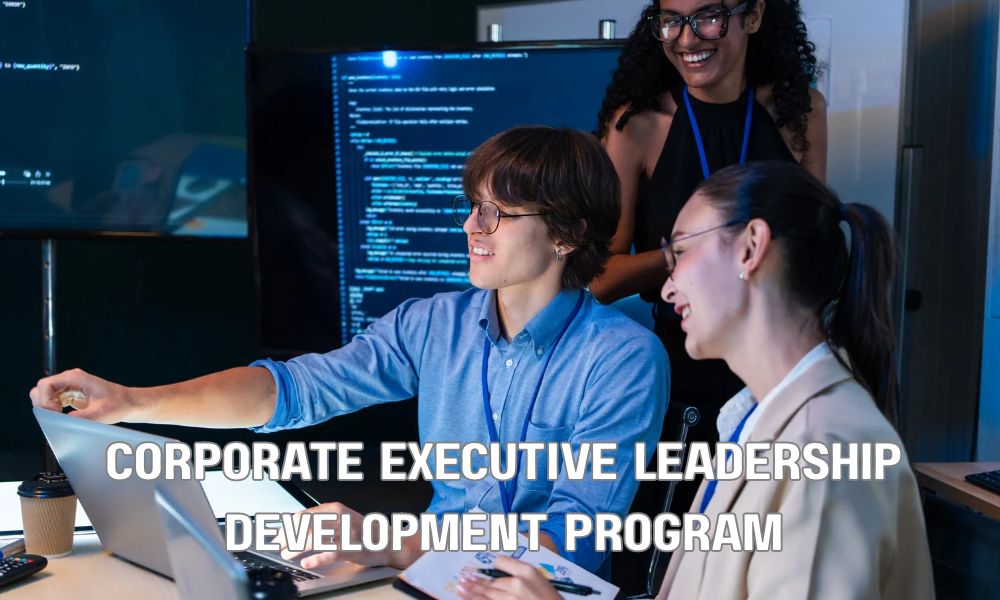
Organizations should not assume that experienced executives will automatically remain current with industry developments. Maintaining leadership capabilities requires structured development, continuous learning, and regular evaluation of future business requirements.
Establishing Executive Development Programs
Executive development should address the capabilities most relevant to organizational objectives. Companies can provide leadership education, technology training, industry briefings, professional coaching, and opportunities to participate in transformation initiatives.
Development programs should be practical and connected to actual business responsibilities rather than limited to general management courses.
Encouraging Cross-Functional Exposure
Executives can expand their understanding by working with leaders from other departments. A CFO participating in operational transformation initiatives may develop a stronger understanding of production requirements, while a COO involved in digital strategy may gain greater awareness of technology investment decisions.
This cross-functional exposure helps executives understand how different capabilities contribute to overall business performance.
Reviewing Leadership Capabilities Regularly
Companies should periodically evaluate whether their leadership teams possess the skills required for upcoming business challenges. These reviews can identify development needs before capability gaps begin affecting performance.
Leadership assessments should consider technical awareness, strategic judgment, adaptability, communication, and the ability to manage organizational change.
7. What the Skills Half-Life Problem Means for Executive Recruitment
The changing relevance of professional skills has important implications for executive recruitment. Organizations can no longer rely exclusively on years of experience, previous job titles, or industry tenure when evaluating senior candidates.
These factors remain useful, but they must be considered alongside adaptability, continuous learning, and the ability to apply experience to new business requirements.
Evaluating Relevant Experience Instead of Career Length
Recruitment committees should investigate the actual challenges candidates have managed and the results they achieved. Experience leading digital transformation, improving operational performance, developing new business models, or managing organizational change may be particularly relevant depending on the position.
For example, a company preparing for manufacturing modernization may benefit from an executive who has successfully introduced automation and improved production systems rather than simply selecting the candidate with the longest manufacturing career.
Balancing Industry Expertise With Transferable Skills
Industry knowledge remains important, particularly in specialized sectors such as pharmaceuticals, medical devices, aerospace, and financial services. However, companies should also recognize transferable capabilities that allow executives to succeed in new environments.
A leader with experience managing complex operations, building strong teams, and implementing organizational transformation may bring valuable capabilities even when moving between related industries.
Building Leadership Teams for Future Requirements
Organizations should evaluate the combined capabilities of their executive teams rather than assessing each position independently. A company may already have extensive financial and operational expertise but lack sufficient digital transformation experience.
Identifying these gaps helps boards and CEOs determine whether to develop existing executives or recruit additional talent.
JRG Partners supports organizations seeking experienced executive professionals across specialized industries and leadership functions. A focused executive search strategy helps companies evaluate candidates based on relevant achievements, industry knowledge, and the capabilities required to support future organizational objectives.
Conclusion: Executive Experience Must Evolve Alongside Business Requirements
The skills half-life problem highlights an important challenge facing organizations in 2027: professional experience remains valuable, but its relevance cannot be taken for granted. Technological developments, changing business models, and evolving industry requirements are increasing the importance of continuous learning.
Companies need executives who combine established leadership capabilities with updated knowledge, adaptability, and learning agility. Strategic thinking, communication, financial judgment, and relationship management remain important, but leaders must also understand the technologies and operating models influencing their industries.
For boards and executive recruitment teams, the priority should be to evaluate what candidates can contribute to the organization’s future rather than relying exclusively on past achievements. By investing in executive development and recruiting adaptable leaders, companies can build leadership teams prepared for changing business demands.
Frequently Asked Questions
1. What does skills half-life mean in executive leadership?
Skills half-life refers to the period over which professional knowledge or capabilities lose some of their practical relevance as industries, technologies, and business requirements change. It highlights why executives must continuously update their knowledge and develop new skills.
2. Why are executive skills becoming outdated faster?
Rapid technological developments, artificial intelligence, changing business models, evolving regulations, and competitive pressures are changing the capabilities organizations require. Executives must regularly update their expertise to remain effective.
3. Which executive skills are most important in 2027?
Important capabilities include strategic thinking, adaptability, learning agility, financial judgment, communication, AI literacy, change management, and cross-functional collaboration. The specific requirements depend on the executive position and industry.
4. How can senior executives stay relevant throughout their careers?
Executives can remain relevant through continuous professional development, technology education, industry research, cross-functional experience, professional networking, and regular evaluation of their leadership capabilities.
5. What is learning agility, and why does it matter?
Learning agility is the ability to learn from experience and apply knowledge to unfamiliar situations. It helps executives adapt to changing business requirements and manage challenges that cannot be addressed through previous experience alone.
6. How should companies evaluate executive experience during recruitment?
Companies should examine candidates’ measurable achievements, relevant industry knowledge, adaptability, transformation experience, and ability to apply their expertise to new challenges. Years of experience should be considered alongside evidence of continuous learning.
7. Can executives successfully transition between different industries?
Yes. Executives with transferable capabilities such as strategic planning, financial management, operational leadership, and organizational transformation may successfully move between related industries. However, they must also develop the specialized knowledge required by the new business environment.
8. How can executive search firms identify future-ready leaders?
Executive search firms can evaluate candidates through their career achievements, industry knowledge, adaptability, learning agility, and experience managing organizational change. These assessments help companies identify executives whose capabilities align with future leadership requirements.

Tanya Gallardo
Managing Director, Executive Search & AI Talent Strategy
Tanya Gallardo is the Managing Director of Executive Search & AI Talent Strategy at JRG Partners, leading C-suite and Board engagements across key growth sectors including Technology, Financial Services, and Manufacturing.
With over 18 years of experience specializing in disruptive technology leadership, Tanya is recognized as a leading authority on talent architecture for future-focused executive roles, such as the Chief AI Officer (CAIO) and Chief Digital Officer (CDO). Her expertise lies in accurately assessing the cultural fit and technical depth required to ensure a high return on investment (ROI) for critical leadership appointments.
Prior to her role at JRG Partners, Tanya held senior roles directing global talent acquisition strategies at a major publicly-traded technology firm, advising on organizational design and succession planning for emerging executive functions. She is a recognized speaker and contributor to industry events, sharing data-driven insights on executive compensation, leadership development, and the measurable business impact of C-suite talent.
