


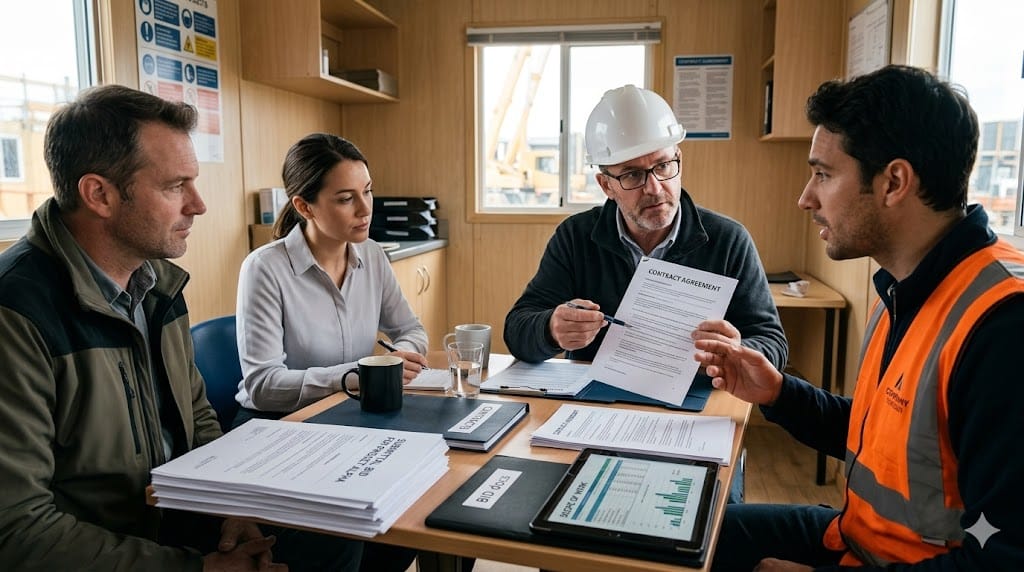
The accelerating shift towards modular and prefabrication methodologies represents a profound paradigm shift within the US construction landscape. For boards and C-suite executives, understanding this transformation is not merely strategic; it’s a fiduciary duty to ensure long-term value realization. The very definition of leadership is being recalibrated, moving from traditional site-centric oversight to an integrated, technologically sophisticated manufacturing and logistics model.
This confidential memo outlines the critical adjustments required for executive talent architecture, emphasizing that the question of how does modular construction compress traditional executive timelines? is now central to strategic planning and competitive advantage. At JRG Partners, our comprehensive research indicates a significant recalibration of in-demand executive competencies, underscoring the urgent need for leaders skilled in advanced manufacturing and digital integration expertise.
Key Takeaways for Executive Leadership
- Executive roles are fundamentally shifting from traditional site-centric management to integrated manufacturing leadership and advanced supply chain orchestration.
- Digital proficiency and data-driven decision-making are paramount for orchestrating complex off-site production ecosystems.
- P&L accountability now extends to factory operations, demanding industrial efficiency, stringent cost control, and strategic capital allocation.
- Talent strategies must pivot from traditional construction skills to advanced manufacturing, industrial engineering, and digital integration expertise.
- Success metrics are redefined, prioritizing manufacturing velocity, throughput, and serialized delivery over conventional project timelines and man-hours.
From Site Superintendent to Factory Operations Leadership
This profound shift entails moving from managing varied on-site trades and unpredictable logistics to overseeing automated production lines, lean manufacturing processes, and stringent quality control within a controlled factory environment. Leaders must rapidly adapt to industrial engineering principles, throughput optimization, and continuous improvement methodologies, emphasizing facility management, equipment maintenance, and specialized workforce training.
JRG Partners’ proprietary talent mapping identifies a significant surge in demand for executives with proven factory operations expertise. Indeed, 70% of construction firms adopting prefab report a foundational shift in operations leadership focus from field logistics to factory management within three years. This necessitates a strategic reallocation of human capital resources and a redefinition of operational leadership roles.
Supply Chain Mastery for Modular Component Flows
Executive responsibility now extends to meticulously managing a complex, often global, network of material suppliers, component fabricators, and specialized logistics providers for just-in-time delivery to off-site factories and final assembly sites. This requires leveraging advanced analytics, predictive forecasting, and strategic partnerships to optimize inventory, minimize waste, and ensure a seamless, synchronized flow of pre-engineered and pre-finished elements.
The pressing query for boards and CEOs is: What supply chain competencies define prefab leadership success? Our executive placements at JRG Partners confirm a distinct preference for leaders proficient in sophisticated digital logistics platforms and global sourcing strategies. Companies excelling in modular construction supply chain mastery report up to a 15% reduction in material waste and a 10% improvement in delivery schedule adherence.
Digital Thread Integration Across Prefab Ecosystems
Leaders are tasked with implementing and overseeing comprehensive digital platforms—including Building Information Modeling (BIM), Enterprise Resource Planning (ERP), and Product Lifecycle Management (PLM)—that create an unbroken digital thread connecting design, engineering, manufacturing, logistics, and on-site assembly.
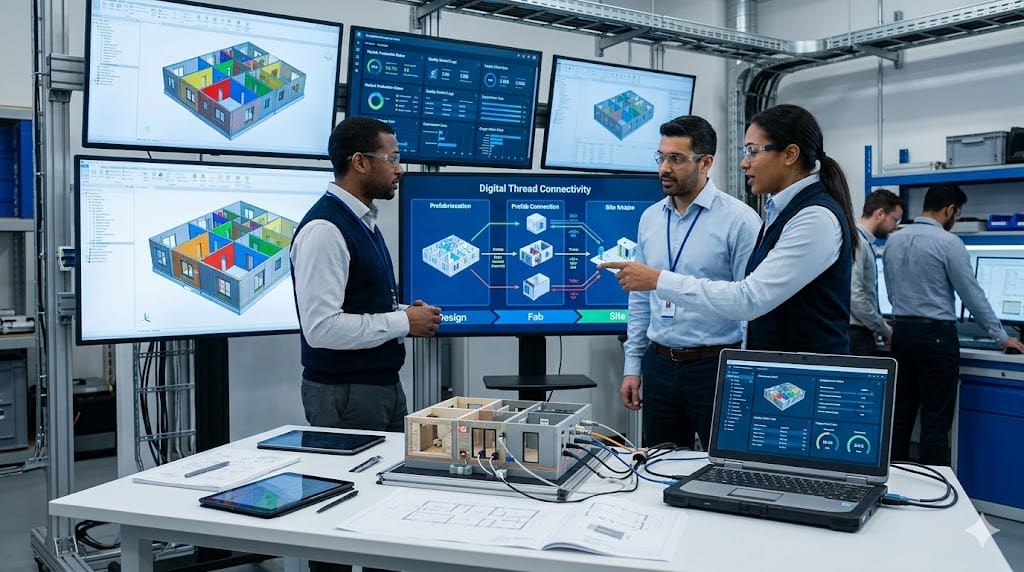
This drives data interoperability, real-time information flow, and the adoption of AI/ML for predictive maintenance, quality assurance, and process optimization across the entire value chain. The critical query here is: Which digital tools integrate factory and field execution? Success hinges on executives who can architect and champion such sophisticated digital transformation initiatives, driving efficiency across the complete prefab ecosystem.
P&L Accountability for Off-Site Manufacturing Hubs
Executive roles now encompass direct P&L responsibility for the financial performance, operational efficiency, and overall profitability of dedicated manufacturing facilities. This includes strategic investment decisions in automation, robotics, and facility expansion, as well as meticulous management of overheads, production costs, and labor productivity within a factory context, distinct from traditional project-by-project budgeting.
Boards must deliberate: How should executives structure modular P&L accountability? This represents a significant shift in financial oversight, demanding leaders with deep industrial finance acumen. Off-site construction facilities with dedicated P&L leadership achieve 10-18% higher operational profit margins than traditional project-centric accounting models. JRG Partners frequently places finance leaders capable of navigating these complex industrial financial models.
Cross-Functional Coordination: Factory, Field, Client
This demands a new level of executive skill in bridging the gap between distinct manufacturing operations, specialized on-site installation teams, and evolving client expectations. Leaders must foster seamless communication, collaboration, and shared accountability to ensure design intent translates accurately and efficiently from factory production to final site assembly, managing stakeholder relationships across diverse teams with varying operational rhythms. Understanding what cross-functional tensions arise in prefab delivery? is paramount for effective leadership in this complex interplay of value chain stakeholders.
Talent Shifts: Skilled Trade to Industrial Engineering
Executive leadership in human resources and operations must recalibrate workforce development strategies. The focus shifts dramatically from recruiting traditional site-based skilled trades to prioritizing industrial engineers, automation specialists, quality control technicians, digital integrators, and robotics operators.
This involves significant investment in training and upskilling the existing workforce for factory-based assembly, advanced manufacturing techniques, and precision operation of new technologies. A key consideration for boards is: Which talent profiles replace onsite construction experience? JRG Partners’ proprietary executive assessments rigorously identify candidates possessing these emerging skill sets crucial for the future of construction talent.
Risk Management in Serialized Construction Delivery
The executive’s role in risk management transforms from assessing project-specific risks to managing systemic risks associated with standardized components, potential production line failures, and large-scale, synchronized logistics. This necessitates implementing robust quality assurance protocols at every stage of the manufacturing process to prevent defects across multiple units and developing comprehensive contingency plans for supply chain disruptions, manufacturing bottlenecks, and transportation challenges.
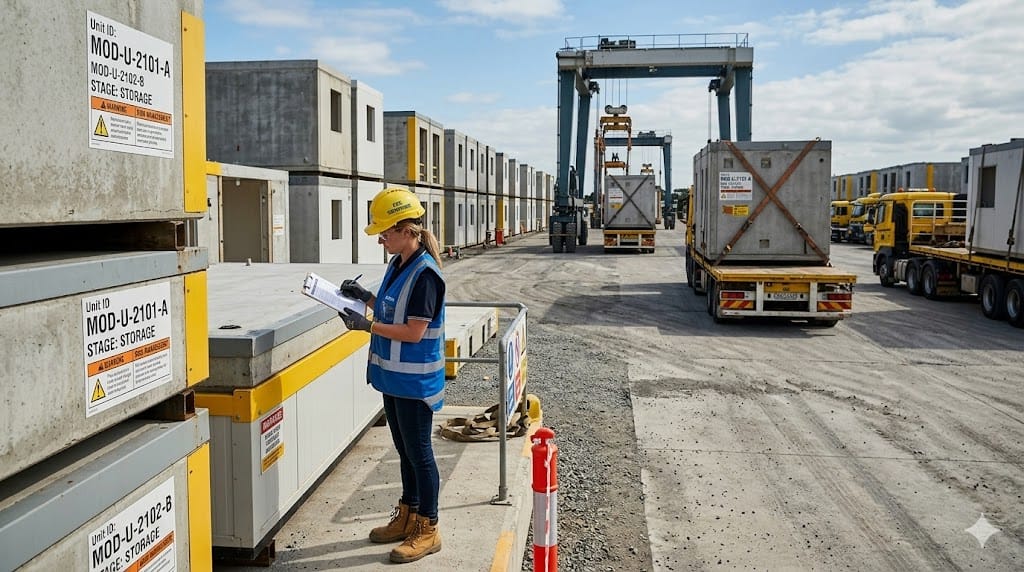
Boards must consider: How do serialization risks differ from stick-built projects? This fundamental question underscores the need for leaders with sophisticated analytical and predictive capabilities in risk mitigation strategies.
Metrics Redefined: Velocity Over Man-Hours
Executive performance is increasingly measured by new metrics focusing on manufacturing throughput, module cycle time, and delivery speed rather than traditional man-hours per task or project duration.
Leaders prioritize metrics that gauge factory efficiency, quality consistency, and the rapid deployment of pre-finished components, utilizing advanced data analytics to continuously improve production velocity and optimize resource allocation across all off-site processes. This strategic re-evaluation of key performance indicators is essential for driving profitability in modular construction ventures.
Strategic Considerations for the Board
The questions below highlight the comprehensive nature of this executive paradigm shift. At JRG Partners, we anticipate a continued evolution in leadership demands, away from conventional models. Our research and numerous successful executive placements demonstrate a clear trend towards specialized, technologically adept leadership.
The final, pressing question for boards to confront is: Will prefab eliminate traditional construction C-suites by 2030? While outright elimination of existing C-suite roles is unlikely, a radical redefinition of responsibilities and necessary competencies is already well underway. Our ongoing leadership advisory services are precisely designed to navigate these complexities, ensuring your organization’s executive talent architecture is future-proofed against these transformative forces.
- How can existing construction executives best adapt their skill sets for these new leadership demands?
- What are the primary investment areas for companies transitioning heavily into modular and prefab construction?
- Will this shift ultimately lead to significant job displacement for traditional construction workers, or a reallocation of roles?
- What are the biggest cultural challenges executives face when moving from site-centric to factory-centric operations?
Looking for a specialized executive search partner?
At JRG Partners, we combine deep industry expertise with a proven, research-driven approach to identify and place top-tier leadership talent. Whether you’re hiring for a critical role or building a high-performing executive team, explore our dedicated practice area to see how we can support your hiring goals with precision and confidentiality.

Tanya Gallardo
Managing Director, Executive Search & AI Talent Strategy
Tanya Gallardo is the Managing Director of Executive Search & AI Talent Strategy at JRG Partners, leading C-suite and Board engagements across key growth sectors including Technology, Financial Services, and Manufacturing.
With over 18 years of experience specializing in disruptive technology leadership, Tanya is recognized as a leading authority on talent architecture for future-focused executive roles, such as the Chief AI Officer (CAIO) and Chief Digital Officer (CDO). Her expertise lies in accurately assessing the cultural fit and technical depth required to ensure a high return on investment (ROI) for critical leadership appointments.
Prior to her role at JRG Partners, Tanya held senior roles directing global talent acquisition strategies at a major publicly-traded technology firm, advising on organizational design and succession planning for emerging executive functions. She is a recognized speaker and contributor to industry events, sharing data-driven insights on executive compensation, leadership development, and the measurable business impact of C-suite talent.
