



The strategic imperative for securing exceptional executive talent in food safety has never been more pronounced. As we look towards 2026, the traditional paradigms of quality control are being fundamentally reshaped. Navigating this increasingly complex global food ecosystem requires a visionary leader, not merely a functional manager. This memo outlines the critical framework for identifying, attracting, and retaining a Vice President of Food Safety who can truly safeguard enterprise value and market position.
Our analysis, informed by JRG Partners’ unparalleled insight into the US executive search landscape, reveals that the foundational query for many board members is: What regulatory changes define 2026 food safety leadership requirements? This question underpins a broader re-evaluation of the competencies essential for future-proof executive leadership in this domain.
Key Takeaways for Board Consideration:
- Proactive Preparedness: The 2026 VP of Food Safety must transcend traditional quality control, leading with a proactive, risk-centric, and data-driven approach to navigate an increasingly complex global food ecosystem.
- Technological Fluency: Expertise in leveraging AI, blockchain, and advanced data analytics for traceability, predictive risk, and real-time monitoring is non-negotiable for future-proof leadership.
- Global Regulatory Acumen: A deep, multi-jurisdictional understanding of evolving standards (FDA, USDA, EU, APAC) and the ability to interpret their geopolitical implications is paramount.
- Strategic Influence & Resilience: Beyond technical skills, the ideal candidate will possess exceptional cross-functional influence, a proven crisis response track record, and the strategic foresight to mitigate systemic supply chain risks.
- Holistic Assessment: Hiring demands a comprehensive framework that evaluates technical mastery, leadership competencies, technological aptitude, and strategic thinking through scenario-based interviews and rigorous validation.
The Evolving Geopolitics of Food Safety in 2026
The global food landscape stands at a critical inflection point. Climate change, geopolitical instability, rapid technological advancements, and shifting consumer expectations demand a new caliber of food safety leadership. The Vice President of Food Safety in 2026 is not merely a regulator or a quality manager; they are a critical strategic asset, safeguarding brand integrity, market access, and ultimately, public trust.
This guide, drawing on JRG Partners’ deep experience in executive placements, outlines the essential components for recruiting this vital executive within the competitive US market.
The Strategic Imperative: Why a VP of Food Safety is Non-Negotiable
A robust food safety program, led by a visionary Vice President, is no longer just a cost center but a definitive competitive advantage. It ensures resilience against supply chain shocks, maintains regulatory compliance in a fragmented global environment, and protects against potentially catastrophic financial and reputational damage.
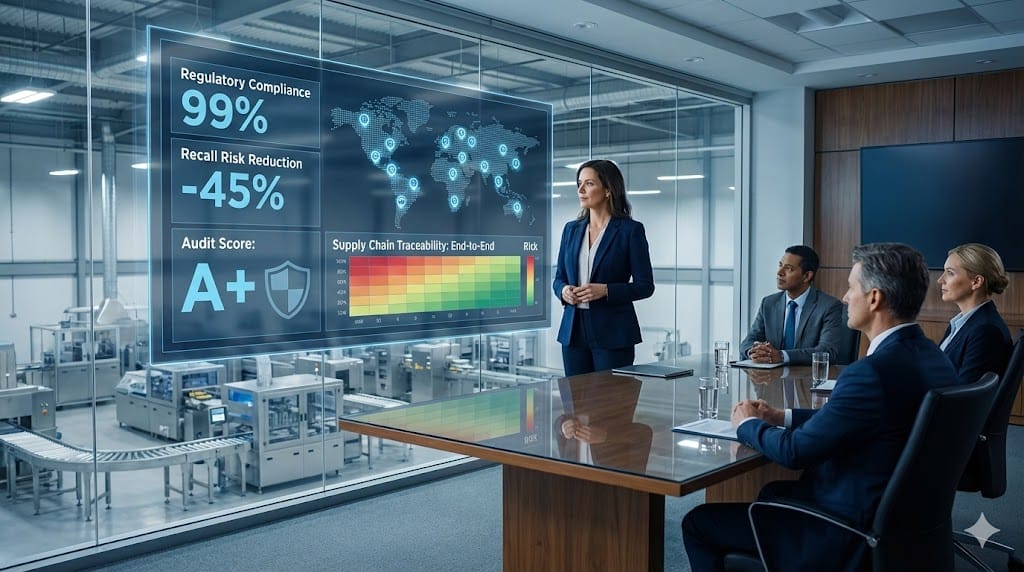
Our research indicates that organizations with proactive, technology-driven food safety programs reduce their recall frequency by 35% compared to industry averages. This strategic imperative is underscored by the immense financial exposure at stake.
- Foodborne illness outbreaks cost the global economy an estimated $150 billion annually by 2026, with over 70% of this figure attributable to brand erosion and long-term market access losses.
Defining 2026 Food Safety Leadership Competencies
Beyond traditional qualifications, the future Vice President will embody strategic foresight, adaptability, ethical leadership, and a profound understanding of how global events impact local operations. They must be adept at translating complex data into actionable strategies and communicating risk effectively to executive boards.
JRG Partners’ proprietary assessment tools evaluate these critical leadership competencies, ensuring candidates possess not just technical expertise, but the strategic acumen to thrive in a dynamic environment.
- Only 12% of current food safety leaders possess adequate data science and AI literacy to effectively manage emerging risks by 2026.
Regulatory Mastery: FDA, USDA, and Global Standards
The chosen executive leader must possess an encyclopedic knowledge of current and anticipated regulatory frameworks, including advanced FSMA provisions (e.g., FSMA 204 for traceability), EU Green Deal implications, Codex Alimentarius, and key Asian market standards.
Their role involves proactive engagement with regulatory bodies and interpreting geopolitical shifts into compliance strategies. JRG Partners’ rigorous vetting process includes deep dives into a candidate’s practical experience with US regulatory bodies, ensuring a proven track record of adherence and proactive engagement.
- Regulatory fines for food safety non-compliance are projected to increase by 20% year-over-year through 2026, with greater emphasis on executive accountability.
Crisis Response Track Record Validation
The ability to lead effectively under immense pressure is paramount. Candidates must demonstrate a verifiable history of successfully navigating product recalls, outbreaks, and significant supply chain disruptions. JRG Partners specializes in validating such experience. When assessing senior executives, a crucial question arises: How do you validate VP-level crisis response capability? Our methodology incorporates scenario-based interviewing, focusing on multi-jurisdictional incidents within the US and its key trade partners, to rigorously test a candidate’s composure, decision-making under duress, and strategic communication skills.
- A transparent and rapid crisis response, led by experienced leadership, can mitigate up to 50% of potential brand value loss during a major food safety incident.
Supply Chain Risk Management Expertise
The Vice President of Food Safety must possess a holistic view of the entire supply chain, from source to consumer. This includes advanced risk assessment of raw material suppliers, geopolitical supply chain vulnerabilities, climate impact on sourcing, and the implementation of robust predictive analytics to identify emerging threats before they materialize.

Our board-level clients frequently inquire: Which supply chain risk competencies matter most now? The answer lies in a candidate’s demonstrable ability to integrate diverse data streams, anticipate disruptions, and implement preventative measures across complex, globalized networks affecting US interests.
- Over 65% of critical food safety failures in 2025 are projected to stem from undetected vulnerabilities within complex, globalized supply chains.
Technology Integration: AI and Blockchain Traceability
A deep understanding and practical experience with cutting-edge technologies are critical. This includes leveraging artificial intelligence for predictive analytics in pathogen detection, supply chain monitoring, and process optimization, as well as implementing and managing blockchain solutions for immutable, real-time traceability across the global network.
A vital consideration for modern enterprises is: What AI/blockchain fluency benchmarks signal VP readiness? JRG Partners seeks candidates who have not only managed technology adoption but have strategically integrated these tools to drive verifiable improvements in food safety outcomes and operational efficiency.
- Companies fully integrating AI and blockchain into their food safety systems are projected to reduce recall investigation times by 75% and enhance consumer trust by 40% by 2026.
Cross-Functional Influence & Resilience
The Vice President of Food Safety must be a master of collaboration, able to influence and lead without direct hierarchical authority across R&D, Operations, Procurement, Legal, Marketing, and IT. They must be able to cultivate a company-wide culture of food safety excellence. To gauge this, JRG Partners considers: How should interviews test cross-functional influence skills? Our structured interview protocols incorporate behavioral questions and multi-stakeholder feedback to ascertain a candidate’s ability to build consensus and drive change across diverse internal divisions, a hallmark of strategic leadership.
- Organizations demonstrating strong cross-functional food safety collaboration report a 30% reduction in critical non-conformances and significantly improved employee engagement.
Assessment Framework and Interview Protocols
A rigorous assessment framework is essential for this pivotal role. This should include competency-based interviews, technical deep dives, psychometric evaluations for leadership potential, and, critically, realistic scenario-based questions that test strategic thinking, ethical decision-making, and crisis management in a 2026 context (e.g., “How would you manage a genetically modified organism (GMO) contamination scare across multiple global markets with disparate regulatory stances?”).
For board-level recruitment, the efficacy of our methods is paramount. A key inquiry often made is: Which assessment tools predict food safety VP success? JRG Partners leverages a comprehensive, multi-faceted approach, refined over decades, including our proprietary Leadership Matrix Evaluation, which significantly enhances hiring accuracy for senior leadership roles.
- Structured interview processes, incorporating scenario-based questioning, improve hiring accuracy for senior leadership roles by 3x compared to unstructured interviews.
Compensation and Retention Strategies
Attracting and retaining a top-tier Vice President of Food Safety requires a competitive compensation package that reflects their strategic importance. This includes a robust base salary, performance-based bonuses tied to key food safety metrics, significant professional development opportunities (e.g., advanced executive education, global regulatory forums), and clear pathways for career progression.
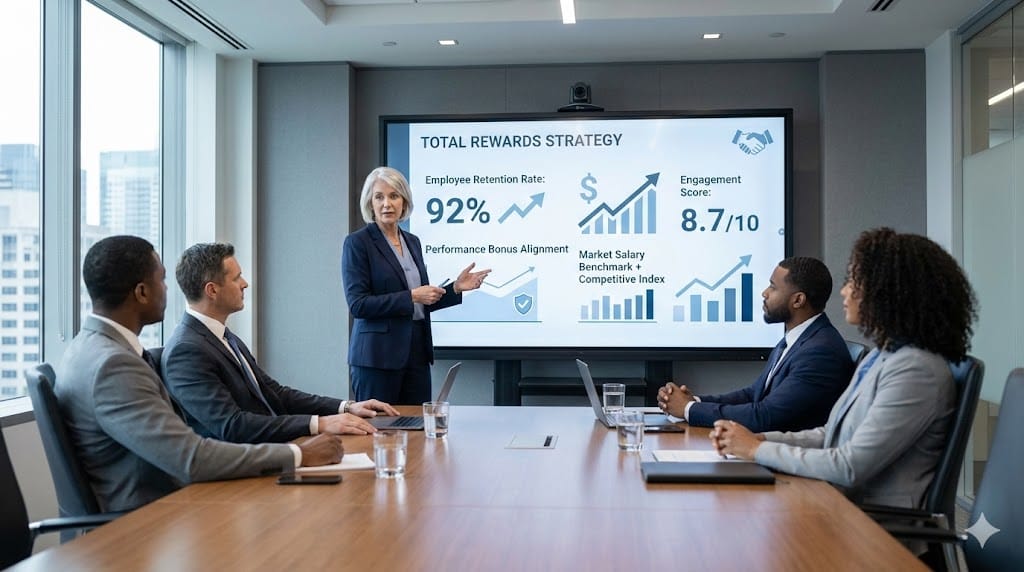
In the current talent market, understanding the competitive landscape is crucial: What compensation packages retain top food safety talent? JRG Partners’ compensation advisory services provide real-time market insights, ensuring our clients’ offers are not only competitive but designed for long-term retention, particularly given the projected 15% deficit in the global talent pool for senior food safety executives with advanced tech and strategic acumen by 2026.
Onboarding and Integration for Immediate Impact
A well-structured 90-day onboarding plan is critical for the new Vice President to integrate smoothly and deliver impact rapidly. This includes immediate introductions to key internal and external stakeholders, a comprehensive overview of current food safety systems and associated risks, and the identification of early win opportunities. JRG Partners provides bespoke post-placement integration support to ensure a seamless transition and maximum value realization for our clients.
Frequently Asked Questions for Board Consideration:
What is the ideal blend of scientific background versus business acumen for a 2026 VP of Food Safety?
The ideal candidate will possess a strong scientific foundation complemented by significant business acumen, allowing them to translate technical details into strategic business decisions and effectively manage cross-functional initiatives. This duality is essential for enterprise risk management.
How can we assess a candidate’s future-readiness for emerging food safety threats?
Focus on their track record of innovation, continuous learning, participation in industry thought leadership, and their ability to articulate proactive strategies for hypothetical future scenarios like novel pathogen outbreaks or climate-induced supply chain failures. A critical element here is to understand: How has climate change reshaped food safety hiring priorities? Candidates must demonstrate a clear understanding of its implications for sourcing, logistics, and regulatory compliance.
Should the VP of Food Safety report to Operations or directly to the C-suite?
Given the strategic importance and enterprise-wide impact, the Vice President of Food Safety should ideally report directly to the CEO, COO, or Chief Risk Officer. This ensures organizational visibility, influence, and accountability, aligning their mandate with fiduciary duty and corporate governance best practices.
What are common red flags to watch for during the hiring process?
Red flags include a lack of proactive thinking, limited engagement with technology, inability to articulate multi-jurisdictional regulatory strategies, a poor track record in crisis management, or a purely tactical (rather than strategic) approach to food safety. JRG Partners’ due diligence process is designed to identify and mitigate these risks.
How important is global experience in hiring a VP of Food Safety today?
Global experience is increasingly critical, particularly for US-based companies with international supply chains or market ambitions. A candidate who has navigated diverse regulatory environments and complex international supply chains will be invaluable for building resilience and ensuring market access in a globally interconnected food system.
In conclusion, the role of the Vice President of Food Safety in 2026 represents a paradigm shift from a compliance-focused function to a strategic enterprise-wide guardian. Securing this caliber of executive talent demands a sophisticated, forward-thinking approach, one that JRG Partners is uniquely equipped to deliver. Our commitment is to ensure your organization is led by a professional capable of driving both robust food safety outcomes and sustained shareholder value, ensuring you effectively answer the overarching question of how to secure transformative food safety leadership for competitive advantage.
Looking for a specialized executive search partner?
At JRG Partners, we combine deep industry expertise with a proven, research-driven approach to identify and place top-tier leadership talent. Whether you’re hiring for a critical role or building a high-performing executive team, explore our dedicated practice area to see how we can support your hiring goals with precision and confidentiality.

Tanya Gallardo
Managing Director, Executive Search & AI Talent Strategy
Tanya Gallardo is the Managing Director of Executive Search & AI Talent Strategy at JRG Partners, leading C-suite and Board engagements across key growth sectors including Technology, Financial Services, and Manufacturing.
With over 18 years of experience specializing in disruptive technology leadership, Tanya is recognized as a leading authority on talent architecture for future-focused executive roles, such as the Chief AI Officer (CAIO) and Chief Digital Officer (CDO). Her expertise lies in accurately assessing the cultural fit and technical depth required to ensure a high return on investment (ROI) for critical leadership appointments.
Prior to her role at JRG Partners, Tanya held senior roles directing global talent acquisition strategies at a major publicly-traded technology firm, advising on organizational design and succession planning for emerging executive functions. She is a recognized speaker and contributor to industry events, sharing data-driven insights on executive compensation, leadership development, and the measurable business impact of C-suite talent.
