


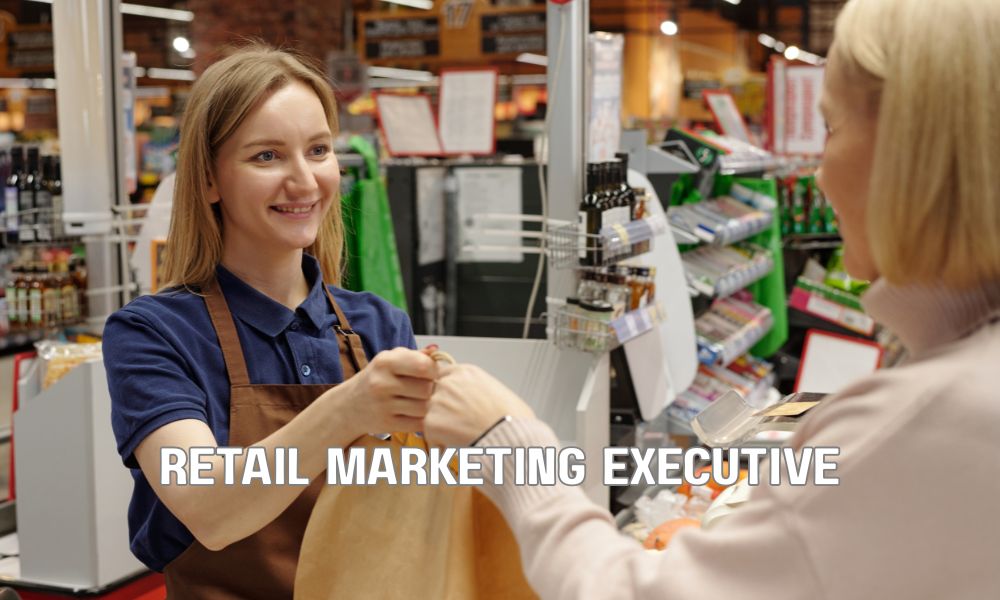
The traditional retail paradigm has been permanently fractured. The historical division between brick-and-mortar store operations and digital e-commerce channels is no longer just inefficient; it is a profound liability that actively degrades the customer journey and erodes market share. In today’s hyper-connected commerce landscape, consumers do not view a brand as a collection of isolated channels; they view it as a singular, continuous entity. They expect to discover a product on Instagram, verify its in-store availability via a mobile app, purchase it seamlessly online, and have the option to return it effortlessly to a physical storefront. This is the era of unified commerce.
For boards and CEOs, executing a search for an executive capable of mastering this convergence is incredibly complex. Finding a leader who possesses the operational gravitas to influence store design and the technical acumen to oversee complex marketing technology stacks requires a modernized recruitment strategy. This comprehensive guide outlines the eight critical capabilities you must look for when hiring a retail CMO to unify your stores, e-commerce, and customer experience, along with the strategic questions that should drive your executive search.

1. Architecting a Frictionless Omnichannel Ecosystem
The concept of omnichannel retail is often reduced to a buzzword, but in practice, it is a highly complex logistical and technological achievement. A top-tier retail CMO must possess a masterful understanding of how to weave physical and digital touchpoints into a frictionless ecosystem. This involves championing and perfecting consumer journeys like Buy Online, Pick Up In-Store (BOPIS), Buy Online, Return In-Store (BORIS), and curbside fulfillment.
The ideal candidate understands that the marketing department cannot simply drive traffic to a website; they must drive highly qualified, localized traffic that leverages the company’s physical footprint as a distinct competitive advantage against pure-play e-commerce giants.
What to look for and how to assess:
- Channel Agnosticism: The executive must not favor e-commerce at the expense of retail, or vice versa. They should view the physical store as a critical node in the digital fulfillment network and the website as a global flagship store.
- Interview Question: “Walk me through a specific initiative where you successfully broke down the silos between the digital marketing team and physical store operations to create a unified customer journey. How did you measure the incrementality of that initiative?”
- What to Listen For: Look for a leader who discusses aligning compensation incentives (e.g., ensuring store managers are credited for online sales generated in their zip codes) and mapping complex customer friction points across both channels.
2. Data-Driven Personalization and Loyalty Mastery
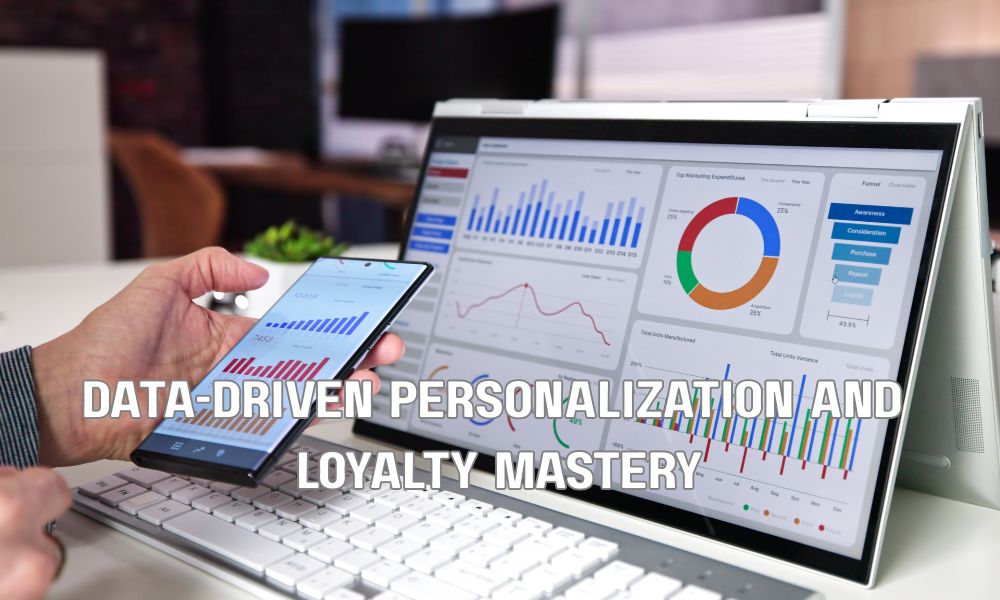
Legacy retail loyalty programs were entirely transactional, relying on physical punch cards or basic point-accumulation systems that offered little true value to the consumer. A modern retail CMO must reinvent loyalty, transitioning it from a discount mechanism into an experiential ecosystem driven by first-party data. They must champion the implementation and optimization of Customer Data Platforms (CDPs) to achieve a “single view of the customer.”
This means knowing that a customer who consistently buys premium denim online might also appreciate an invitation to an exclusive in-store styling event. Personalization must extend beyond email subject lines into dynamic website experiences and empowered in-store clienteling.
What to look for and how to assess:
- Experiential Loyalty Focus: The candidate should have a proven history of utilizing loyalty data to offer early access to products, VIP in-store experiences, and highly curated digital recommendations, thereby driving massive increases in Customer Lifetime Value (LTV).
- Interview Question: “Traditional point-based loyalty programs are losing their efficacy. How have you utilized first-party data to build a loyalty ecosystem that drives emotional connection rather than just transactional discounting?”
- What to Listen For: Fluency in data privacy regulations, experience in deploying robust CRM systems, and a clear methodology for translating raw customer data into actionable insights for frontline store associates.
3. The Convergence of Brand Storytelling and Performance Marketing
Historically, retail marketing departments were sharply divided. Brand marketers focused on top-of-funnel awareness, glossy television commercials, and emotional storytelling. Performance marketers focused entirely on bottom-of-funnel conversions, cost-per-click (CPC), and retargeting algorithms. A modern retail CMO must perfectly fuse these two disciplines, operating as a “full-funnel” leader.
They must understand that highly targeted, algorithmic performance marketing is infinitely more effective when backed by a powerful, culturally relevant brand narrative. Conversely, beautiful brand campaigns are wasted capital if they do not ultimately drive measurable foot traffic or digital cart conversions.
What to look for and how to assess:
- Holistic Attribution Modeling: The executive must demonstrate the ability to measure how a top-of-funnel brand activation (like a high-profile influencer partnership) ultimately impacts both immediate e-commerce velocity and long-term in-store foot traffic.
- Interview Question: “How do you balance the long-term investment required for brand equity building with the immediate, margin-driven demands of daily performance marketing in a retail environment?”
- What to Listen For: The candidate should speak confidently about Multi-Touch Attribution (MTA), Media Mix Modeling (MMM), and how they protect brand budgets from being cannibalized by short-term performance metrics during difficult economic quarters.
4. Redefining the Physical Store as a Media and Experiential Hub
The purpose of the physical retail store has fundamentally changed. It is no longer just a warehouse for inventory; it is a powerful medium for customer acquisition, an experiential showroom, and a localized community hub. A visionary retail CMO must view real estate through a marketing lens.
This involves rethinking visual merchandising, integrating augmented reality (AR) or interactive digital displays into the aisles, and transforming physical spaces into stages for live-stream shopping events. The CMO must ensure that stepping into a physical location feels like stepping directly into the brand’s digital aesthetic.

What to look for and how to assess:
- Experiential Retail Mastery: Look for candidates who have successfully executed in-store activations that drove massive organic social media sharing, effectively turning the physical store into a viral marketing asset.
- Interview Question: “As foot traffic patterns remain unpredictable, how have you evolved the physical store experience to serve as a customer acquisition channel rather than just a transaction center?”
- What to Listen For: Innovative approaches to store-within-a-store concepts, experiential pop-ups, localized community events, and a deep understanding of how to empower store associates to act as brand ambassadors and content creators.
5. Retail Media Network (RMN) Monetization and Strategy
One of the most profound shifts in modern retail is the explosion of Retail Media Networks (RMNs). Major retailers have realized that their massive web traffic and deep reservoirs of first-party purchase data make them incredibly valuable advertising platforms for the very brands they sell. From Walmart Connect to Target’s Roundel, RMNs operate at significantly higher margins than traditional retail sales.
A cutting-edge retail CMO must now act partially as a digital publisher. They must understand how to monetize their digital and physical real estate (website banners, sponsored search results, in-store audio, and digital signage) by selling highly targeted ad space to brand partners.
What to look for and how to assess:
- B2B Commercial Acumen: The executive must possess the commercial skills to build, scale, and pitch a retail media offering to massive CPG (Consumer Packaged Goods) and apparel brands, proving the closed-loop attribution that RMNs offer.
- Interview Question: “What is your strategic framework for developing or scaling a Retail Media Network without compromising the organic customer experience or cluttering the e-commerce interface?”
- What to Listen For: An acute understanding of the delicate balance between advertising revenue and user experience (UX). They should speak to data clean rooms, vendor partnerships, and the integration of sponsored products into the native shopping journey.
6. Supply Chain Visibility and Commerce Agility
In a unified commerce environment, a marketing campaign that promotes a product currently stuck on a cargo ship or depleted in local distribution centers is a catastrophic failure. It results in wasted ad spend, frustrated customers, and damaged brand trust. Therefore, a modern retail CMO must be inextricably linked to the Chief Operating Officer (COO) and the supply chain.
They require real-time visibility into inventory levels across the entire network—from massive distribution centers to the back rooms of local stores. Marketing agility means possessing the capability to pivot promotional spend instantaneously based on actual, localized inventory realities.

What to look for and how to assess:
- Operational Integration: The candidate must demonstrate deep involvement in Sales and Operations Planning (S&OP) and demand forecasting, ensuring that the promotional calendar is perfectly synced with realistic inventory capabilities.
- Interview Question: “Describe a time when severe supply chain constraints or out-of-stocks threatened a major seasonal marketing campaign. How did you adapt the strategy across digital and physical channels?”
- What to Listen For: A focus on localized digital marketing (e.g., suppressing digital ads for a specific SKU in geographic regions where the item is out of stock in local stores) and the ability to seamlessly pivot creative to highlight high-margin, high-inventory alternatives.
7. Cultivating a Cross-Functional, Digital-First Culture
Unifying stores and e-commerce is not merely a technological challenge; it is fundamentally a human and cultural challenge. Legacy retail organizations are notoriously siloed, with separate P&Ls, separate leadership teams, and often competing goals for the digital and physical divisions. A great retail CMO must be a masterful change agent who can dismantle these internal fiefdoms.
They must foster a digital-first culture that permeates the entire organization, from the corporate headquarters down to the hourly frontline store associates. This requires immense emotional intelligence, exceptional communication skills, and the ability to align disparate teams around a singular vision of the customer.
What to look for and how to assess:
- Change Management Expertise: The executive should have a proven methodology for restructuring marketing departments, bringing critical capabilities (like data science and social media management) in-house, and retraining legacy staff.
- Interview Question: “How do you align the often-competing goals of regional store directors and the central e-commerce team to ensure everyone is pulling toward a unified, omnichannel revenue target?”
- What to Listen For: A strategic approach to organizational design. They should discuss shared KPIs, dismantling isolated P&L structures, and creating a culture where digital innovation is embraced by retail operations rather than viewed as a threat to their livelihood.
8. Navigating Margin Compression and Promotional Profitability
Retail is a business of pennies. Between rising labor costs, volatile freight expenses, and the relentless pressure to offer free, expedited shipping, retail margins are under constant assault. In this environment, a CMO who only knows how to drive top-line revenue through aggressive discounting is a liability. The modern CMO must be a sophisticated manager of promotional profitability.
They must possess the analytical rigor to implement dynamic pricing strategies, optimize markdown cadences, and utilize highly targeted, personalized offers rather than relying on margin-destroying, site-wide blanket discounts to clear inventory.
What to look for and how to assess:
- Commercial Acumen and P&L Ownership: The candidate must confidently speak the language of the CFO, demonstrating a deep understanding of gross margin ROI, contribution margin, and the precise cost of customer acquisition (CAC) across different channels.
- Interview Question: “Retail frequently falls into the trap of a promotional ‘race to the bottom’ to hit quarterly revenue targets. How have you historically driven volume growth while aggressively protecting gross margins?”
- What to Listen For: Sophisticated strategies involving value-added bundling, exclusive product drops that command full price, leveraging loyalty program tiers to protect margins, and executing surgical, localized markdowns rather than national clearance events.
Frequently Asked Questions (FAQs): Demystifying the Retail CMO Search
To assist executive search committees, CEOs, and corporate boards in their quest to identify and secure transformational marketing leadership, we have compiled the most frequently asked questions regarding the modern retail CMO mandate.
1. What are the core responsibilities of a modern retail CMO?
The core responsibilities have shifted from purely creative brand management to holistic commercial leadership. Today’s retail CMO oversees the entire omnichannel customer journey. This includes managing brand strategy, performance marketing (paid media, SEO, affiliate), e-commerce user experience (UX), customer relationship management (CRM) and loyalty programs, in-store visual merchandising, localized retail marketing, and increasingly, the monetization of the company’s Retail Media Network (RMN).
2. How do you assess a CMO’s ability to unify in-store and digital experiences?
Assessment requires looking beyond polished resumes to examine their specific track record of operational integration. Ask candidates to detail their experience with highly complex omnichannel logistics like BOPIS or BORIS. A true unified commerce leader will articulate how they trained store associates to adopt digital clienteling tools, how they integrated the physical POS (Point of Sale) data with the digital CDP, and how they resolved friction when the digital aesthetic clashed with in-store realities.
3. What metrics should a retail CMO be held accountable for?
While brand health and awareness remain foundational, modern retail CMOs must be judged on rigorous commercial metrics. Key performance indicators include Omnichannel Revenue Growth, blended Customer Acquisition Cost (CAC) across physical and digital channels, Customer Lifetime Value (LTV), Return on Ad Spend (ROAS), store foot traffic and conversion rates, digital cart abandonment rates, and the specific incremental revenue generated through personalized loyalty programs.
4. Why is first-party data critical for a retail CMO today?
With the widespread deprecation of third-party cookies and stringent consumer privacy regulations (such as CCPA and GDPR), relying on external ad networks for customer targeting has become incredibly expensive and inefficient. First-party data—information the retailer collects directly through transactions, website behavior, and loyalty programs—is the only way to accurately personalize marketing, forecast inventory demand, and protect long-term margins from rising external acquisition costs.
5. How does a retail CMO successfully integrate a Retail Media Network (RMN)?
Successful integration requires treating the RMN as a distinct business unit that serves two masters: the brand advertiser and the end consumer. The CMO must ensure that sponsored ads and monetized search results are highly relevant and native to the shopping experience, rather than disruptive. They must build a compelling B2B sales narrative for brand partners, backed by robust closed-loop data attribution that proves a direct link between ad exposure and a retail sale.
6. What role does the CMO play in retail store design and associate training?
While traditional store operations are managed by a COO or Head of Retail, the CMO must play a heavy, collaborative role in store design to ensure the physical environment perfectly reflects the brand’s overarching narrative. Furthermore, the CMO dictates the promotional messaging and experiential activations that take place in the store. They must actively partner with HR and Operations to ensure frontline associates are deeply trained on overarching marketing campaigns and digital tools.
7. Where can companies find top-tier retail marketing executives?
Elite retail marketing talent capable of true omnichannel transformation is exceedingly rare and heavily contested. These passive candidates are usually deeply entrenched at innovative competitors or leading pure-play digital brands. Finding them requires looking beyond standard job boards and tapping into specialized executive networks. Organizations must leverage targeted executive search strategies to identify leaders with the exact blend of digital fluency and physical retail experience required for their specific market position.
8. What is the typical compensation structure for an enterprise retail CMO?
Executive compensation in the retail sector varies significantly based on total corporate revenue, private versus public ownership, and turnaround complexity. For enterprise-level retailers, base salaries typically range from $350,000 to well over $600,000. However, the most critical components are the aggressive performance bonuses (often 50-80% of base) tied directly to EBITDA and omnichannel growth, alongside substantial long-term equity grants (RSUs or stock options) designed to align the CMO with the ultimate valuation of the company.
Conclusion
The retail industry has crossed a permanent threshold where the physical and digital realms can no longer exist in isolation. Consumers demand a flawlessly synchronized journey, and delivering that experience requires a fundamentally new breed of executive leadership. Hiring a retail CMO who can successfully unify stores, e-commerce, and the overarching customer experience is the single most critical strategic move a retail board can make in the modern era. The ideal candidate must be a relentless innovator—capable of dismantling entrenched corporate silos, weaponizing first-party data, and transforming physical real estate into dynamic hubs of digital acquisition and community engagement.
By rigorously prioritizing the eight distinct capabilities outlined in this guide, organizations can move beyond hiring mere brand managers to securing true commercial architects of omnichannel growth. Because this specific hybrid of technological mastery and traditional retail intuition is in incredibly high demand, standard recruitment methodologies will inevitably fall short. To successfully navigate this complex talent landscape, forward-thinking organizations should partner with a specialized Retail CMO Executive Search Firm to identify, engage, and secure the visionary leadership required to future-proof their enterprise in the age of unified commerce.

Tanya Gallardo
Managing Director, Executive Search & AI Talent Strategy
Tanya Gallardo is the Managing Director of Executive Search & AI Talent Strategy at JRG Partners, leading C-suite and Board engagements across key growth sectors including Technology, Financial Services, and Manufacturing.
With over 18 years of experience specializing in disruptive technology leadership, Tanya is recognized as a leading authority on talent architecture for future-focused executive roles, such as the Chief AI Officer (CAIO) and Chief Digital Officer (CDO). Her expertise lies in accurately assessing the cultural fit and technical depth required to ensure a high return on investment (ROI) for critical leadership appointments.
Prior to her role at JRG Partners, Tanya held senior roles directing global talent acquisition strategies at a major publicly-traded technology firm, advising on organizational design and succession planning for emerging executive functions. She is a recognized speaker and contributor to industry events, sharing data-driven insights on executive compensation, leadership development, and the measurable business impact of C-suite talent.
