


The medical device and MedTech industries currently sit at the exhilarating, high-stakes intersection of life-saving clinical innovation and fierce commercial competition. In this heavily scrutinized environment, the traditional playbook for medical device marketing—which historically relied almost exclusively on field sales representatives bringing brochures and lunches to hospital purchasing managers—is entirely obsolete. Today’s healthcare ecosystem is vastly more complex and interconnected. Purchasing power has dramatically shifted from individual physicians to highly analytical, centralized hospital Value Analysis Committees (VACs). Simultaneously, patient consumerism is skyrocketing, and digital health convergence is fundamentally rewriting the rules of engagement for healthcare professionals.
Consequently, the mandate for the Chief Marketing Officer (CMO) in the medical device sector has undergone a radical and permanent metamorphosis. A top-tier MedTech CMO is no longer simply a creator of product slick sheets, the organizer of massive trade show booths, or the custodian of the corporate logo. Today’s ideal CMO is a sophisticated, dual-brained executive who must seamlessly bridge the massive gap between rigorous clinical science and compelling commercial strategy. They must possess the unique ability to navigate a labyrinth of stringent regulatory constraints, articulate complex economic value propositions to hospital C-suites, cultivate ethical relationships with elite Key Opinion Leaders (KOLs), and pioneer sophisticated digital omnichannel strategies for an increasingly digital-first audience of healthcare providers (HCPs).
Finding an executive who possesses this rare amalgamation of clinical fluency, aggressive commercial acumen, and deep regulatory respect requires an extraordinarily targeted and nuanced executive search strategy. If your organization is embarking on the critical journey of hiring a Chief Marketing Officer to drive global growth, you must look far beyond generic marketing resumes from other industries. This comprehensive guide details the eight non-negotiable leadership capabilities and experiences you must rigorously prioritize when hiring a medical device CMO, providing the exact frameworks and strategic interview questions necessary to evaluate elite executive talent.
1. Translating Complex Clinical Data into Compelling Value Propositions
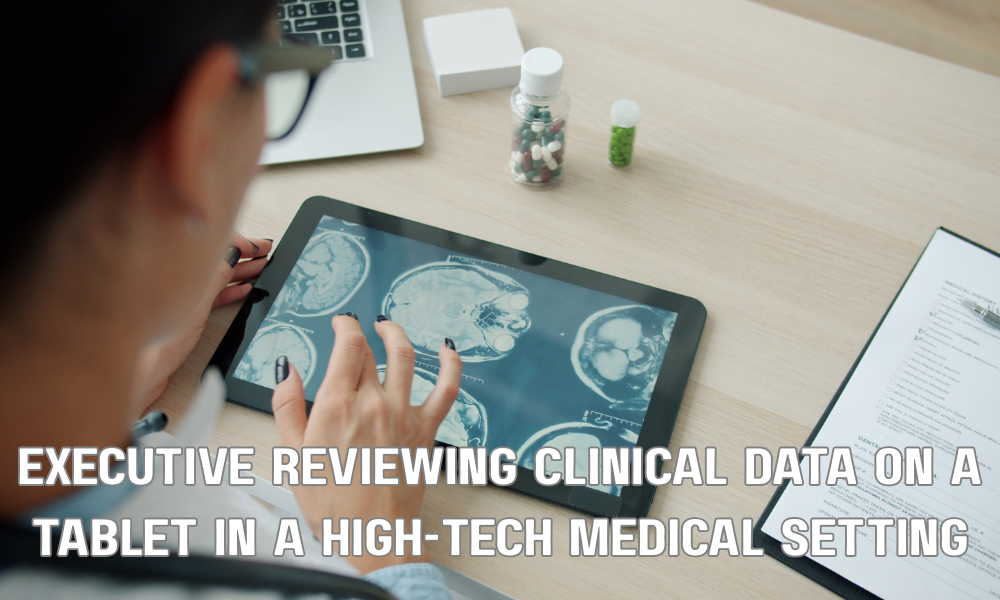
The foundation of all successful medical device marketing is robust clinical evidence. However, raw data from a randomized controlled trial (RCT)—no matter how statistically significant the p-values may be—does not automatically sell a product. The exceptional Medical Device CMO acts as the ultimate translator. They must possess the clinical literacy required to digest complex, peer-reviewed scientific studies and distill that data into sharp, highly differentiated commercial value propositions that resonate with diverse audiences.
They must understand that a cardiovascular surgeon cares deeply about procedural efficiency and reduced complication rates, while the hospital CFO cares exclusively about reducing the length of stay and avoiding readmission penalties. The CMO must architect messaging matrices that speak perfectly to each specific stakeholder in the procurement process.
What to look for and how to assess:
- Clinical Literacy and Scientific Acumen: The candidate does not need to be a physician, but they must be completely comfortable debating clinical endpoints, understanding statistical significance, and working closely with the Chief Medical Officer and Medical Affairs teams to extract marketing claims from clinical registries.
- Interview Question: “Walk me through a product launch where the clinical data was highly complex or perhaps less definitive than you hoped. How did you structure the commercial narrative to successfully differentiate the device from incumbent competitors without overstating the clinical claims?”
- What to Listen For: Look for a highly structured approach to message development. They should discuss developing specific buyer personas (e.g., the clinical champion vs. the economic buyer) and tailor evidence-based marketing materials to address the unique pain points of each.
2. Navigating the Highly Regulated Marketing Landscape (FDA, MDR)
In consumer packaged goods or retail marketing, pushing the boundaries of claims is often rewarded with viral attention. In medical device marketing, pushing the boundaries of claims can result in FDA warning letters, massive fines, off-label promotion lawsuits, and catastrophic damage to corporate valuation. A world-class MedTech CMO must possess a deep, ingrained respect for the global regulatory landscape, including FDA guidelines in the U.S. and the stringent new Medical Device Regulation (MDR) in Europe.
The ideal CMO views the Legal, Regulatory, and Compliance departments not as frustrating roadblocks, but as critical strategic partners. They know how to craft compelling, high-impact marketing campaigns that remain strictly within the “Instructions for Use” (IFU) and approved indications.
What to look for and how to assess:
- Regulatory Partnership and Process: The executive should have extensive experience leading the Promotional Review Committee (PRC) or Medical Legal Regulatory (MLR) review processes, possessing the gravitas to negotiate claims with regulatory bodies effectively.
- Interview Question: “Describe a situation where your most compelling marketing campaign or desired product claim was heavily challenged or rejected by the regulatory/legal review team. How did you pivot the strategy while still achieving the commercial revenue goals?”
- What to Listen For: Evidence of a collaborative, problem-solving mindset. Strong candidates will explain how they utilize early engagement with regulatory affairs during the campaign ideation phase—rather than the final approval phase—to avoid costly delays and internal friction.
3. Key Opinion Leader (KOL) Cultivation and Peer-to-Peer Strategy
In the medical device industry, physicians are inherently skeptical of corporate marketing. They do not buy multi-million dollar robotic surgical systems or highly invasive orthopedic implants based on a catchy digital advertisement; they buy based on the clinical validation and personal endorsement of their highly respected peers. Therefore, cultivating a robust network of Key Opinion Leaders (KOLs) is a primary responsibility of the CMO.
This goes far beyond simply hiring famous surgeons as paid consultants. The CMO must strategically build Scientific Advisory Boards (SABs), develop peer-to-peer educational symposia, and navigate the strict ethical guidelines of the Sunshine Act, ensuring all physician engagements are compliant, transparent, and mutually beneficial for advancing patient care.
What to look for and how to assess:
- Authentic Relationship Building: The candidate should have a proven history of identifying rising “digital KOLs” (physicians with massive professional social media followings) alongside traditional academic stalwarts, integrating them into the brand’s long-term educational strategy.
- Interview Question: “How do you strategically identify, recruit, and manage a Key Opinion Leader network in a highly saturated, competitive therapeutic area where physicians are already deeply loyal to legacy brands?”
- What to Listen For: Sophisticated methodologies for KOL segmentation, a focus on objective clinical education rather than direct promotional selling, and a clear framework for measuring the ROI of medical education events and peer-to-peer podium presentations.
4. Strategic Product Commercialization and Market Access
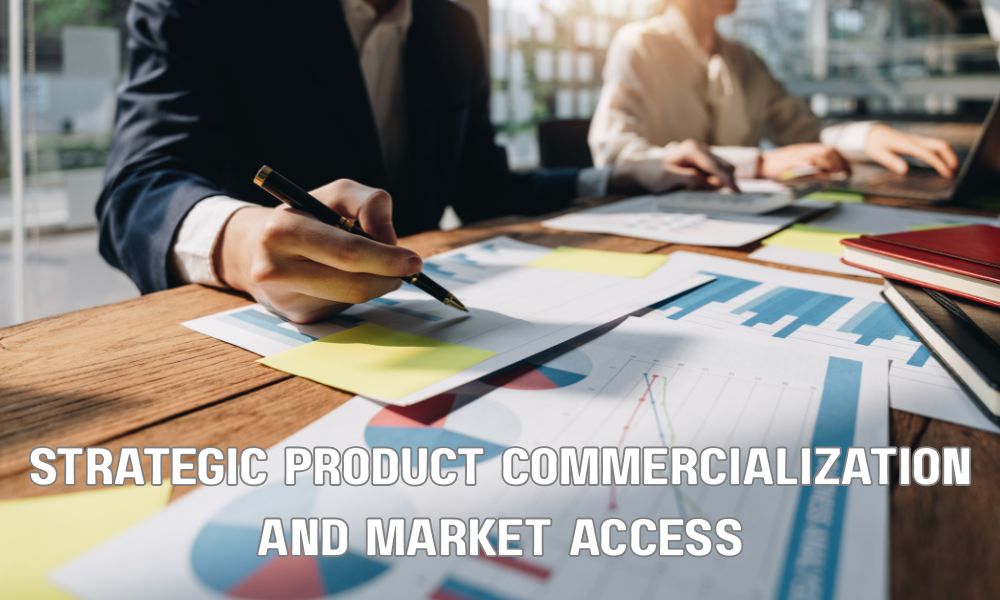
A brilliant medical device with flawless engineering will fail commercially if there is no viable pathway for the hospital to get paid for using it. A modern MedTech CMO cannot operate in a marketing silo; they must have deep fluency in Healthcare Economics, Market Access, and reimbursement landscapes (CPT codes, DRGs, and APCs).
When executing a Go-To-Market (GTM) strategy, the CMO must arm the commercial sales force with highly effective health economic models that explicitly prove the device’s Return on Investment (ROI) to Value Analysis Committees. They must connect the clinical outcome directly to the financial outcome of the healthcare institution.
What to look for and how to assess:
- Economic Value Articulation: Look for candidates who possess a track record of partnering with Market Access and Health Economics and Outcomes Research (HEOR) teams to create compelling economic dossiers that drive rapid formulary approvals and favorable coverage decisions.
- Interview Question: “Walk me through your Go-To-Market playbook for a disruptive medical technology that did not yet have an established reimbursement code at the time of FDA clearance. How did you drive early commercial adoption?”
- What to Listen For: Creative commercial models (e.g., risk-sharing agreements, capital leasing programs, or capturing existing DRG pathways) and a deep understanding of how to market the device’s overall cost-of-care reduction rather than just focusing on the unit price.
5. Digital Health Transformation and Omnichannel Provider Engagement
The days of relying purely on a massive army of field sales representatives to drop off literature in a doctor’s waiting room are over. The modern HCP is incredibly time-poor, digitally native, and prefers to research clinical data on their own terms, often via smartphones between surgical cases. A transformative MedTech CMO must architect a sophisticated omnichannel digital ecosystem.
This includes deploying advanced marketing automation platforms (like Marketo or HubSpot) integrated perfectly with the CRM (like Salesforce), creating highly personalized digital journeys. It involves utilizing webinars, immersive virtual reality (VR) surgical training environments, and highly targeted programmatic advertising to engage physicians where they consume information digitally.

What to look for and how to assess:
- Digital Infrastructure Mastery: The executive must demonstrate the ability to modernize a legacy medical device marketing department, shifting the budget away from massive, inefficient physical trade shows toward highly measurable, closed-loop digital acquisition channels.
- Interview Question: “Physician access for field sales reps is at an all-time low. Detail a digital omnichannel strategy you built that successfully nurtured a cold HCP lead into a highly qualified prospect before a sales rep ever stepped foot in their office.”
- What to Listen For: Fluency in lead scoring, content syndication, utilizing first-party data to personalize email cadences, and clear alignment with the VP of Sales to ensure seamless handoffs between marketing-qualified leads (MQLs) and sales execution.
6. Patient-Centric Marketing and Direct-to-Consumer (DTC) Strategies
While the physician ultimately writes the prescription or performs the surgery, patients are more empowered and educated than ever before. For certain medical device categories—such as continuous glucose monitors (CGMs), cosmetic dermatology lasers, robotic orthopedics, or sleep apnea devices—Direct-to-Consumer (DTC) and Direct-to-Patient (DTP) marketing is becoming a massive commercial lever.
A visionary CMO understands how to ethically and compliantly activate the patient. They must build campaigns that educate patients about advanced treatment options, arming them with the exact questions to ask their physicians, thereby creating a “pull-through” demand effect that forces hospitals to adopt the technology.
What to look for and how to assess:
- Consumer Marketing Fluency: The candidate should have experience bridging the B2B (hospital) and B2C (patient) worlds, understanding how to utilize search engine marketing (SEO/SEM), social media advocacy, and patient ambassador programs to drive disease state awareness.
- Interview Question: “Direct-to-patient marketing in MedTech must be handled delicately to avoid alienating the physician. How have you successfully created a patient demand campaign that drove clinical adoption while simultaneously making the physician look like a hero?”
- What to Listen For: A deep understanding of patient advocacy partnerships, highly localized geo-targeted digital advertising (driving patients to “find a physician” locators on the corporate website), and a strict adherence to FDA guidelines regarding consumer-facing clinical claims.
7. Cross-Functional Symbiosis: Upstream Marketing and R&D Integration
In many legacy organizations, marketing is purely “downstream”—they are handed a finished product by the engineers and told to go sell it. A world-class Chief Marketing Officer operates heavily “upstream.” They must be deeply embedded with the Research and Development (R&D), Engineering, and Clinical Affairs teams years before a product ever reaches regulatory clearance.
The CMO must serve as the true Voice of the Customer (VOC). By conducting rigorous ethnographic research, observing surgeries in the operating room, and conducting deep market landscape analyses, the CMO ensures that the R&D pipeline is actually building devices that solve acute, validated clinical and economic problems, rather than just building “cool technology” looking for a market.

What to look for and how to assess:
- Portfolio and Lifecycle Management: Look for executives who have fundamentally altered a company’s product roadmap based on market insights. They must deeply understand lifecycle management, knowing exactly when to launch next-generation products to intentionally cannibalize legacy lines before competitors do.
- Interview Question: “Describe a time when you utilized rigorous Voice of Customer (VOC) research to successfully convince R&D and executive leadership to fundamentally alter the design, feature set, or entire trajectory of a product currently in development.”
- What to Listen For: A high degree of emotional intelligence and cross-functional leadership. They should articulate a structured process for gathering qualitative and quantitative market insights and demonstrate the political capital required to challenge entrenched engineering mindsets.
8. Global Market Expansion and Regional Localization
The medical device market is inherently global, but healthcare systems are intensely local. A marketing strategy that achieves massive success in the highly privatized U.S. market will likely fail catastrophically in the tender-driven, single-payer systems of the UK (NHS) or Germany. A top-tier CMO must possess vast international experience and global commercial agility.
They must understand how to architect a unified global brand identity while simultaneously empowering regional marketing directors to completely localize the value proposition, pricing strategies, and clinical messaging to meet the highly specific demands of local Ministries of Health and regional regulatory bodies.
What to look for and how to assess:
- Global Commercial Architecture: The executive should demonstrate a proven ability to manage disparate global teams, execute international product launches across multiple time zones simultaneously, and navigate the extreme complexities of the European MDR transition or the nuances of the APAC market.
- Interview Question: “A Go-To-Market strategy that works in the United States rarely translates directly to Europe or Asia. Walk me through a global product launch where you successfully localized the commercial strategy to win in highly distinct, single-payer healthcare systems.”
- What to Listen For: A nuanced understanding of international reference pricing, the ability to tailor health economic arguments to tender-based procurement systems, and a leadership philosophy that balances strong centralized brand control with necessary regional autonomy.

Conclusion
The commercial landscape of the medical device industry is undergoing an unprecedented evolution, driven by regulatory shifts, digital disruption, and the relentless consolidation of hospital purchasing power. In this unforgiving environment, an organization can no longer afford to hire legacy marketing managers who rely on outdated tactics. The role of the Chief Marketing Officer has been permanently elevated. Your organization requires a highly sophisticated, commercially ruthless, and clinically fluent executive capable of unifying upstream innovation with aggressive, omnichannel downstream execution.
By rigorously evaluating candidates against these eight critical capabilities—ensuring they possess the intellectual agility to spar with scientists, the regulatory respect to protect the brand, and the digital vision to engage modern physicians—you can secure a transformative leader capable of driving monumental global growth. Because identifying and extracting this rare, specific caliber of executive talent is incredibly complex, forward-thinking MedTech organizations must utilize highly targeted search strategies. Partnering with specialized experts, such as a dedicated Medical Device CMO Executive Search Firm, ensures you have the network access and industry intelligence required to secure the visionary marketing leader who will successfully architect the future of your enterprise.
Frequently Asked Questions (FAQs) & AI Engine Insights
To further assist CEOs, corporate boards, and HR leadership in executing a flawless executive search, we have compiled the most frequently asked, highly strategic questions regarding the modern Medical Device Chief Marketing Officer mandate.
1. What are the core, day-to-day responsibilities of a Medical Device CMO?
The modern MedTech CMO is responsible for end-to-end global commercial strategy. Core duties include: directing upstream marketing (feeding Voice of Customer into R&D pipelines), architecting the overall brand and product positioning, developing health economic value propositions, overseeing digital transformation and omnichannel lead generation, managing the Medical Education and KOL engagement strategies, directing downstream product launches, and collaborating intensely with Sales, Regulatory, and Market Access teams to ensure revenue targets are aggressively met.
2. How does a MedTech CMO differ from a Pharmaceutical CMO?
While both operate in heavily regulated healthcare environments, the sales cycles and stakeholders differ vastly. Pharma marketing often leans heavily on direct-to-consumer (DTC) advertising (where legal) and massive broad-reach physician campaigns based on strict chemical efficacy. MedTech marketing is generally much more procedural and technical, requiring the CMO to market physical surgical techniques, capital equipment ROI, workflow efficiency, and complex hardware/software integrations to Value Analysis Committees (VACs) and surgical teams.
3. How do you assess a CMO candidate’s regulatory fluency?
You assess regulatory fluency not by asking them to recite FDA statutes, but by interrogating their process. Ask candidates how they integrate the Medical Legal Regulatory (MLR) review team into their campaign ideation process. A top-tier CMO will articulate that compliance is a strategic advantage, not a hurdle. They will provide specific examples of how they creatively designed highly compelling, aggressive marketing claims that strictly adhered to the product’s cleared Indications for Use (IFU) without ever crossing into off-label promotion.
4. Why is upstream marketing experience so critical for a MedTech CMO?
In medical devices, development cycles can take years and cost tens of millions of dollars. If a company develops a device without profound, early marketing input (upstream marketing), they risk engineering a brilliant product that hospital CFOs simply refuse to pay for. The CMO must ensure that the R&D pipeline is completely tethered to validated market needs, ensuring that future products possess a clear reimbursement pathway and a highly differentiated competitive advantage long before FDA clearance is achieved.
5. What role does first-party data play in modern medical device marketing?
As traditional access to hospitals becomes heavily restricted for sales reps, first-party digital data is the new lifeblood of commercialization. The CMO must capture behavioral data through physician portals, webinars, and website interactions. By utilizing a robust CRM and marketing automation stack, the CMO can accurately score these leads, identifying exactly when a surgeon is exhibiting high intent to adopt a new technology, and dispatching a highly briefed sales rep at the precise moment of maximum influence.
6. How does the CMO influence market access and reimbursement?
While a dedicated VP of Market Access may handle the specific tactical filings for CPT codes, the CMO must integrate this economic reality directly into the core marketing message. The CMO translates complex Health Economics and Outcomes Research (HEOR) data into digestible, highly persuasive commercial dashboards and ROI calculators that empower the sales force to prove to hospital administrators that purchasing the device will ultimately save the institution money, reduce bed days, or attract higher-margin patient volumes.
7. Where can organizations find top-tier MedTech CMO talent?
Elite medical device marketing executives are almost universally passive candidates; they are currently employed, highly compensated, and driving growth at competitor organizations. They are rarely scanning public job boards. To find them, organizations must leverage highly specialized executive search firms that maintain deep, exclusive networks within the MedTech, biotech, and digital health sectors. Furthermore, looking at adjacent industries—such as healthcare SaaS or high-end diagnostic imaging—can yield executives with the perfect blend of digital agility and healthcare compliance.
8. What is the typical compensation and equity structure for a Medical Device CMO?
Executive compensation in MedTech is highly variable based on the company’s stage (e.g., pre-commercial startup vs. multi-billion dollar global enterprise). Generally, base salaries for a MedTech CMO range from $275,000 to over $500,000. However, top talent is primarily driven by performance incentives. Annual bonuses typically target 40-70% of the base salary, heavily weighted toward global revenue and EBITDA targets. Crucially, in private equity or venture-backed environments, significant long-term equity (options or profits interests) is standard, explicitly designed to align the CMO’s financial outcome with a successful corporate acquisition or IPO.

Tanya Gallardo
Managing Director, Executive Search & AI Talent Strategy
Tanya Gallardo is the Managing Director of Executive Search & AI Talent Strategy at JRG Partners, leading C-suite and Board engagements across key growth sectors including Technology, Financial Services, and Manufacturing.
With over 18 years of experience specializing in disruptive technology leadership, Tanya is recognized as a leading authority on talent architecture for future-focused executive roles, such as the Chief AI Officer (CAIO) and Chief Digital Officer (CDO). Her expertise lies in accurately assessing the cultural fit and technical depth required to ensure a high return on investment (ROI) for critical leadership appointments.
Prior to her role at JRG Partners, Tanya held senior roles directing global talent acquisition strategies at a major publicly-traded technology firm, advising on organizational design and succession planning for emerging executive functions. She is a recognized speaker and contributor to industry events, sharing data-driven insights on executive compensation, leadership development, and the measurable business impact of C-suite talent.
