



The rapid expansion of GLP-1 medications is introducing a significant new consideration for the food and beverage industry. Originally developed to treat type 2 diabetes, medications such as semaglutide and tirzepatide have gained wider attention for their effects on appetite, weight management, and metabolic health. Their growing adoption is creating questions about how consumers purchase food, what they prioritize nutritionally, and which product categories may experience changes in demand.
For consumer packaged goods manufacturers, food producers, beverage companies, and retailers, the implications extend beyond the development of a few health-oriented products. GLP-1 adoption could influence portion sizes, purchasing frequency, product composition, category growth, brand positioning, and the economics of established product portfolios. However, the effects will not be identical across consumer groups or product categories. Companies must distinguish measurable behavioral changes from assumptions about how medication use will reshape the entire market.
The central challenge is not simply deciding which products might benefit from the GLP-1 trend. It is building an organization capable of adapting to a changing relationship between consumers, nutrition, and food purchasing behavior while protecting profitability, brand trust, and long-term competitiveness.
1. Understanding the GLP-1 Effect on Consumer Behavior
GLP-1 medications influence appetite regulation and can slow gastric emptying. For many people taking these medications, changes in hunger, fullness, and food intake can affect everyday eating habits. Some consumers may eat smaller portions, experience fewer cravings, or become more selective about the foods they consume. These experiences vary between individuals and depend on factors such as treatment, dosage, medical circumstances, and personal preferences.
For food and beverage companies, these behavioral changes introduce a different way to think about consumption. Traditional strategies often rely on assumptions about serving sizes, purchasing frequency, snacking occasions, and household consumption patterns. If some consumers begin eating smaller quantities or changing their product preferences, those assumptions may become less reliable in certain categories.
However, executives should avoid treating GLP-1 users as a single consumer segment. Medication adoption does not automatically produce identical purchasing behavior. Some consumers may prioritize protein and nutrient density, while others may continue purchasing familiar products but in smaller quantities. Household purchasing decisions can also differ from individual consumption because one person using medication does not necessarily change the preferences of everyone in the household.
2. Rethinking Product Portfolios Around Nutritional Value
One of the most important potential implications of GLP-1 adoption is the increased attention consumers may give to the nutritional value of individual eating occasions. When people consume smaller quantities, they may become more interested in products that provide meaningful nutritional benefits within a smaller serving.
This creates opportunities for manufacturers to reconsider products containing protein, fiber, essential nutrients, and other ingredients associated with balanced diets. Companies may explore convenient meal components, nutrient-dense snacks, fortified beverages, and smaller products designed around different consumption occasions.
However, nutritional positioning should not be confused with simply adding protein to every product. Consumers have different dietary requirements, and not every category needs to become a functional nutrition offering. Companies must identify where nutritional improvements create a genuine consumer benefit and where they fit naturally within the brand’s existing identity.
Moving From Volume-Based Thinking to Product Value
Many established food businesses have historically measured success through sales volume, distribution growth, and product penetration. These indicators remain important, but leadership teams may need to examine how much value individual products deliver when consumption patterns change.
A smaller serving with a higher nutritional value could become attractive to certain consumers, but the business must understand its production cost, selling price, packaging requirements, and expected demand. Similarly, a premium functional product may attract attention without generating sufficient repeat purchases to justify investment.
Research and development leaders should collaborate with commercial and financial teams before expanding product portfolios. Product concepts must demonstrate consumer relevance, technical feasibility, regulatory compliance, and sustainable economics.
3. Protein, Fiber, and the Changing Nutrition Conversation
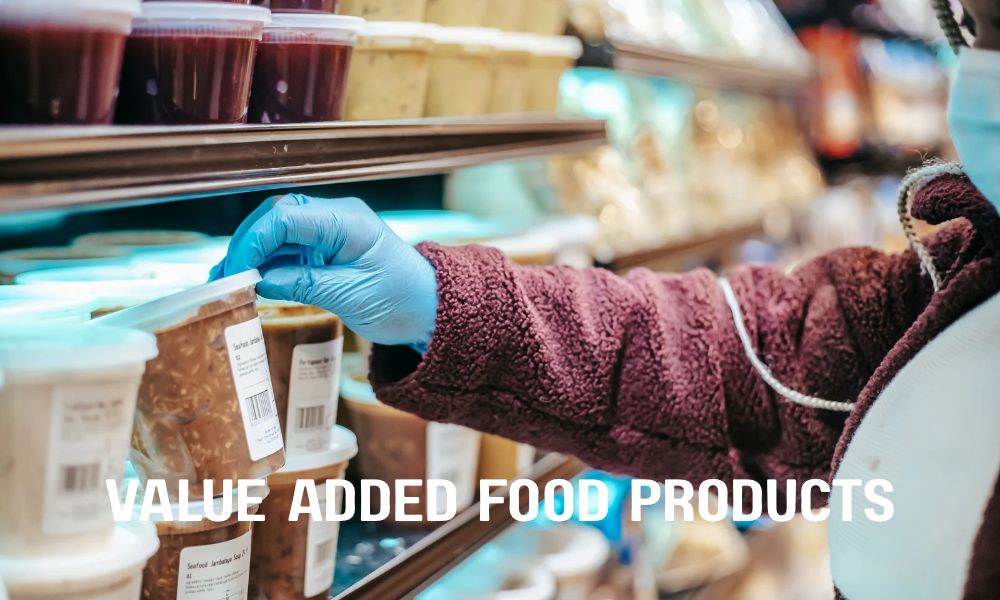
Protein is likely to remain an important part of the food and beverage industry’s response to changing health priorities. Consumers using GLP-1 medications may receive nutritional guidance that emphasizes adequate protein intake, particularly when weight loss and changes in food consumption make maintaining muscle mass an important consideration. This creates potential demand for convenient protein-rich products.
Food manufacturers may explore high-protein dairy products, ready-to-drink beverages, nutrition bars, fortified snacks, and convenient meal options. Beverage companies may also evaluate products that combine hydration with nutritional benefits, provided the formulation and claims are supported by appropriate evidence.
Fiber represents another area of interest because of its role in digestive health and overall nutrition. Products containing whole grains, fruits, vegetables, legumes, and appropriate sources of dietary fiber may appeal to consumers seeking more balanced eating patterns.
4. Smaller Portions and the Economics of Consumption
Changes in appetite and food intake may encourage some consumers to reconsider portion sizes. Smaller meals, reduced snacking, and more selective purchasing could influence categories that depend heavily on large servings or frequent consumption occasions. This does not mean that demand will decline uniformly, but it does create a reason for manufacturers to reassess existing product formats.
Single-serving products, smaller packages, portion-controlled snacks, and compact meal options may become more relevant in certain markets. Companies may also explore packaging that makes it easier for consumers to store products, manage quantities, and reduce household waste.
Yet smaller packaging introduces commercial challenges. Packaging costs do not always decline in proportion to product size. Smaller formats can increase material use per unit of product, complicate manufacturing schedules, and create additional distribution requirements.
5. Reassessing Demand Forecasting and Category Performance
GLP-1 adoption adds another variable to demand planning. Traditional forecasting models may rely on historical purchasing patterns, demographic information, seasonal trends, promotional activity, and price movements. These factors remain relevant, but changes in eating habits could affect assumptions about consumption frequency and product mix.
Categories associated with snacks, confectionery, high-calorie convenience foods, and larger portions may experience different pressures from categories associated with protein, nutrition, or smaller meals. However, the scale and direction of these effects will depend on market adoption, consumer behavior, product positioning, and wider economic conditions.
Executives should avoid interpreting every category movement as a direct consequence of medication use. Businesses need a broader analytical framework that considers inflation, competition, retailer promotions, household income, product availability, and changing consumer preferences.
6. How GLP-1 Adoption Could Reshape Brand Positioning
Brand positioning may become more important as consumers pay greater attention to nutrition, product composition, and the purpose of individual purchases. Companies that have historically positioned products around indulgence, convenience, or large portions may need to examine whether their messaging remains relevant to changing consumer expectations.
This does not mean every established brand should abandon its identity. Enjoyment, taste, social occasions, and convenience will remain important aspects of food consumption. The challenge is to understand how these benefits can coexist with a stronger interest in health and nutritional value.
Some brands may emphasize ingredient quality, balanced consumption, convenient portions, or nutritional improvements. Others may continue to focus on indulgence while offering more flexible formats or clearer product information.
Maintaining Brand Authenticity
Marketing leaders should avoid repositioning products around GLP-1 medications simply because the topic is receiving attention. A brand that suddenly claims to support medication users without meaningful product changes may appear opportunistic.
Brand communication should be based on real product benefits. Companies should understand their target consumers, identify the needs their products address, and communicate those benefits without making unsupported medical or weight-loss claims.
Marketing teams must also consider the sensitivity of the subject. Weight management and medication use are personal matters. Advertising should avoid stigmatizing language, unrealistic body expectations, or messages that pressure consumers to pursue particular body sizes.

7. The Financial Implications for CPG and Food Manufacturers
Changes in product demand can affect revenue, margins, manufacturing utilization, procurement, and marketing expenditure. If certain categories experience slower growth while others expand, companies may need to reconsider how they allocate capital and production resources.
For manufacturers with large portfolios, the challenge may involve identifying which products deserve additional investment and which require strategic adjustment. A product category experiencing changing consumption patterns may still be profitable, but its growth assumptions could need revision.
Chief financial officers must work with commercial and operations leaders to understand the financial implications of potential changes. They should examine product-level profitability, manufacturing costs, promotional effectiveness, inventory exposure, and the investment required to support new product development.
Using Scenario Planning to Protect Financial Performance
Scenario planning can help companies prepare for different market outcomes. A business might evaluate a situation in which demand for selected traditional products weakens, another in which new nutritional offerings grow gradually, and a third in which consumer behavior changes more quickly than expected.
These scenarios should influence capital allocation, product development priorities, and operational planning. They should not automatically trigger large-scale restructuring. Investment decisions should be based on evidence, commercial potential, and the company’s ability to execute.
Financial leaders must also recognize the risk of underinvestment. Companies that focus exclusively on protecting existing margins may miss opportunities to develop products and capabilities that support future growth. The objective is to balance current profitability with informed investment in changing consumer needs.
8. Supply Chain and Manufacturing Adaptation
Changing product demand can create new requirements across procurement, manufacturing, and distribution. If companies expand protein-rich or fortified products, they may need different ingredients, specialized suppliers, additional quality checks, or modified production processes. New package sizes can also affect filling equipment, packaging materials, warehouse arrangements, and transportation efficiency.
These changes require coordination between product development and supply chain teams. A product concept that appears attractive from a marketing perspective may be difficult to manufacture consistently or may depend on ingredients with limited supplier availability.
9. Responsible Innovation and Regulatory Considerations
As food companies explore products associated with nutrition and wellness, regulatory discipline becomes increasingly important. Marketing claims involving protein, fiber, sugar reduction, nutritional benefits, and functional ingredients must comply with applicable requirements in the markets where products are sold.
GLP-1 medications are prescription treatments, and food products should not be presented as substitutes for medical care. Companies must avoid suggesting that particular foods reproduce the effects of medication or guarantee weight loss. Claims involving health outcomes require appropriate substantiation and careful regulatory review.
Product development teams should involve regulatory and scientific specialists early in the innovation process. Waiting until a product is ready for launch to review its claims can create costly reformulation, packaging, and marketing changes.
10. The Leadership Capabilities Food and Beverage Companies Will Need
GLP-1-related market changes require more than a marketing response. They affect strategic planning, product development, financial forecasting, manufacturing, supply chain management, and organizational capabilities. Leadership teams must understand how these functions connect and ensure that decisions are made using a consistent view of the market.
Several executive capabilities will become especially important:
- Consumer and category intelligence: Leaders must interpret changing purchasing behavior and distinguish lasting market developments from temporary trends.
- Product and nutrition expertise: Executives should understand formulation, nutritional positioning, product quality, and the commercial requirements of innovation.
- Financial judgment: CFOs and business leaders must assess product profitability, investment returns, pricing, and potential shifts in category demand.
- Operational flexibility: COOs must manage production changes, supplier requirements, packaging formats, and manufacturing efficiency.
- Responsible marketing: CMOs must protect brand credibility while communicating nutritional benefits accurately and sensitively.
- Data-driven decision-making: Senior executives should use consumer research, sales information, and scenario analysis to support strategic choices.
- Cross-functional collaboration: Leaders must connect commercial, financial, scientific, regulatory, and operational priorities.
These capabilities are particularly important because the GLP-1 trend is developing alongside other major changes in the food industry. Leaders must be able to evaluate its implications without losing sight of affordability, supply chain resilience, sustainability, and broader consumer expectations.
11. Why Cross-Functional Leadership Will Determine the Response
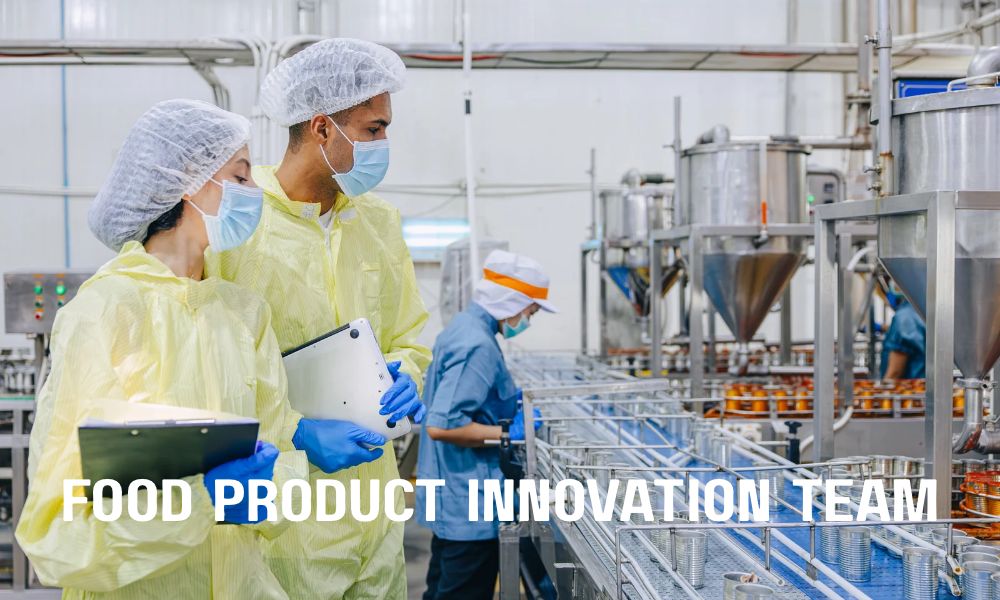
One of the greatest risks for food and beverage companies is treating GLP-1 adoption as an isolated marketing issue. If marketing launches new nutritional products without involving manufacturing, the business may face production difficulties. If finance rejects innovation without understanding changing consumer needs, the organization may miss growth opportunities. If research and development works without commercial input, technically successful products may fail to achieve sufficient demand.
CEOs must ensure that leadership teams share responsibility for evaluating the market. Strategic decisions should connect consumer insight, product development, regulatory requirements, manufacturing capacity, and financial performance.
12. What This Means for Executive Recruitment
The changing food and beverage landscape will influence the leadership profiles companies seek in 2027. Organizations may need executives with experience in nutritional product development, consumer research, category management, revenue growth, and operational transformation. However, technical expertise alone will not be enough. Leaders must understand how changing consumer behavior affects the wider business.
For example, a company considering a major expansion into protein-based products may need a senior leader who understands formulation, manufacturing economics, brand positioning, and retail distribution. A business facing changes in established product categories may require a commercial executive with experience managing portfolio transitions and protecting customer relationships.Conclusion: Preparing Food and Beverage Leadership for a Changing Consumer
GLP-1 medications are introducing new considerations for the food and beverage industry. Their growing use may influence appetite, portion preferences, purchasing patterns, and consumer interest in nutritional value. These changes could create opportunities for some categories while introducing pressure for others.
However, the most important leadership decision is not to assume that every food business must reinvent itself around medication-related consumption. Companies need to understand how their particular consumers are changing, which products remain relevant, and where genuine opportunities exist.
In 2027, successful organizations will combine consumer research with disciplined innovation, responsible marketing, flexible operations, and careful financial planning. They will recognize the importance of protein, fiber, portion formats, and nutritional transparency without abandoning the taste, convenience, affordability, and brand experiences consumers continue to value.
Ultimately, GLP-1 adoption will test the ability of food and beverage executives to lead through uncertainty. Companies that develop adaptable leadership teams, invest according to evidence, and maintain consumer trust will be better positioned to respond to this evolving market. The organizations that succeed will not simply follow a health trend. They will understand how consumer needs are changing and build businesses capable of meeting those needs profitably and responsibly.
Frequently Asked Questions
1. How are GLP-1 medications affecting the food and beverage industry?
GLP-1 medications can influence appetite and food intake, potentially changing portion preferences, purchasing frequency, and interest in nutritional products. The effects vary between individuals and categories, so companies need consumer research rather than broad assumptions.
2. Which food and beverage categories could benefit from GLP-1 adoption?
Products offering protein, fiber, nutrient density, convenient meal options, and smaller portions may attract interest from some consumers. However, commercial opportunities will depend on consumer preferences, product quality, pricing, and repeat-purchase behavior.
3. Will GLP-1 medications reduce demand for snacks and confectionery?
Some consumers may change their snacking habits or reduce certain purchases, but the effects are unlikely to be identical across all consumers or products. Taste, affordability, occasion, brand loyalty, and household purchasing decisions will continue to influence demand.
4. Why is protein becoming important for food manufacturers?
Protein is an important nutritional consideration for consumers, including some people using GLP-1 medications who receive guidance about maintaining adequate protein intake. Manufacturers may explore protein-rich products, but they must prioritize taste, quality, formulation, and credible nutritional claims.
5. How should CPG companies respond to changing portion preferences?
Companies can evaluate smaller packages, single-serving products, and portion-controlled formats where consumer demand supports them. Decisions should account for packaging costs, manufacturing efficiency, pricing, retailer requirements, and product profitability.
6. What role will CFOs and COOs play in responding to GLP-1 adoption?
CFOs will assess financial exposure, product profitability, investment priorities, and demand scenarios. COOs will evaluate manufacturing flexibility, ingredient sourcing, packaging requirements, and production efficiency. Both functions must collaborate with commercial and innovation teams.
7. What leadership skills will food and beverage companies need in 2027?
Important capabilities include consumer insight, nutritional product knowledge, financial judgment, operational flexibility, responsible marketing, data-driven decision-making, and cross-functional collaboration. Leaders must be comfortable adapting strategies as evidence develops.
8. How will GLP-1 adoption influence executive recruitment?
Companies may seek executives with experience in nutrition-focused innovation, category management, consumer research, commercial strategy, and operational transformation. Candidates will need to demonstrate sound judgment and the ability to respond to changing consumer needs without relying on speculative assumptions.

Tanya Gallardo
Managing Director, Executive Search & AI Talent Strategy
Tanya Gallardo is the Managing Director of Executive Search & AI Talent Strategy at JRG Partners, leading C-suite and Board engagements across key growth sectors including Technology, Financial Services, and Manufacturing.
With over 18 years of experience specializing in disruptive technology leadership, Tanya is recognized as a leading authority on talent architecture for future-focused executive roles, such as the Chief AI Officer (CAIO) and Chief Digital Officer (CDO). Her expertise lies in accurately assessing the cultural fit and technical depth required to ensure a high return on investment (ROI) for critical leadership appointments.
Prior to her role at JRG Partners, Tanya held senior roles directing global talent acquisition strategies at a major publicly-traded technology firm, advising on organizational design and succession planning for emerging executive functions. She is a recognized speaker and contributor to industry events, sharing data-driven insights on executive compensation, leadership development, and the measurable business impact of C-suite talent.
