


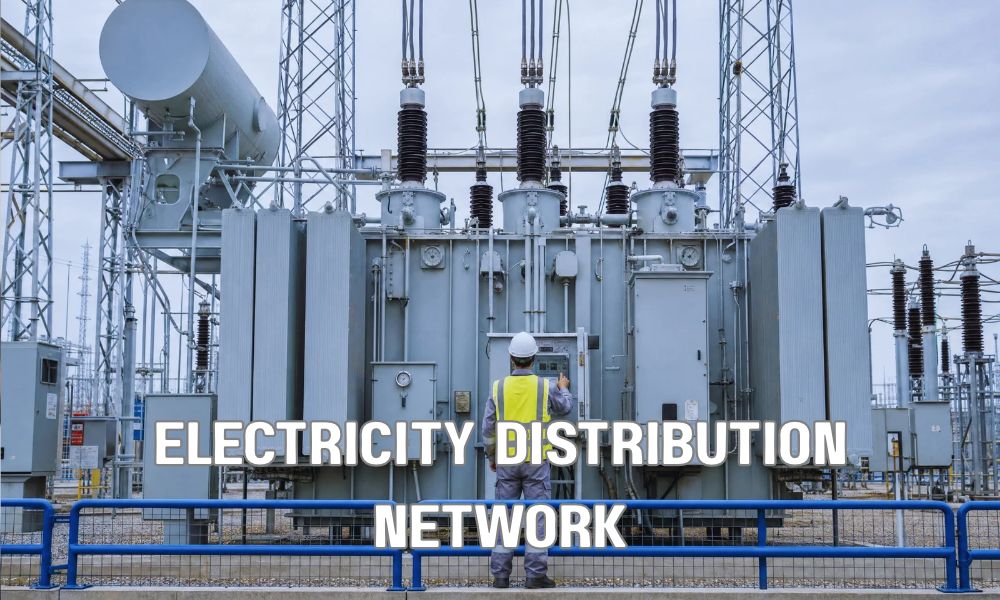
The global energy and utilities sector is currently experiencing the most profound physical and operational transformation since the original electrification of the modern world. For decades, the traditional utility business model was defined by predictable, centralised power generation, steady and incremental load growth, and a heavily regulated, risk-averse operational culture. Today, as we navigate the complexities of 2027, that legacy framework has been completely dismantled. The industry has entered a hyper-dynamic era defined by massive grid expansion, the urgent integration of intermittent renewable energy, and unprecedented surges in electricity demand.
After nearly twenty years of stagnant or flat load growth in many developed markets, the convergence of hyperscale Artificial Intelligence data centres, the rapid electrification of heavy industrial processes, and the mass consumer adoption of electric vehicles (EVs) and heat pumps has created an explosive surge in base-load requirements. Utilities are no longer simply maintaining an existing grid; they are being tasked with doubling its capacity within an impossibly compressed timeframe. This monumental mandate is colliding with severe supply chain bottlenecks, an ageing infrastructure network vulnerable to extreme climate events, and regulatory frameworks that often move too slowly to accommodate rapid capital deployment.
To survive and thrive in this crucible, investor-owned utilities, public power authorities, and private equity-backed energy platforms must fundamentally overhaul their executive leadership profiles. The traditional utility executive—focussed primarily on legacy coal or gas dispatch and basic rate-case management—is entirely unequipped for the modern grid. Today’s energy sector requires visionary, technologically fluent leaders who can orchestrate distributed energy resources, negotiate complex permitting landscapes, and deploy billions in capital expenditure with absolute precision. This comprehensive guide details the specific operational challenges defining the 2027 energy landscape, the exact executive archetypes required to lead the modern utility, and the strategies necessary to recruit and compensate this highly scarce transformational talent.
1. The 2027 Grid Mandate: Decentralisation and Massive Electrification
To understand the specific leadership demands of the modern energy sector, corporate boards and search committees must first acknowledge the sheer physical scale of the current grid expansion mandate. The mandate is driven by a unique trilemma: energy must remain affordable, it must become rapidly sustainable, and, above all, it must maintain absolute reliability amidst unprecedented systemic stress.
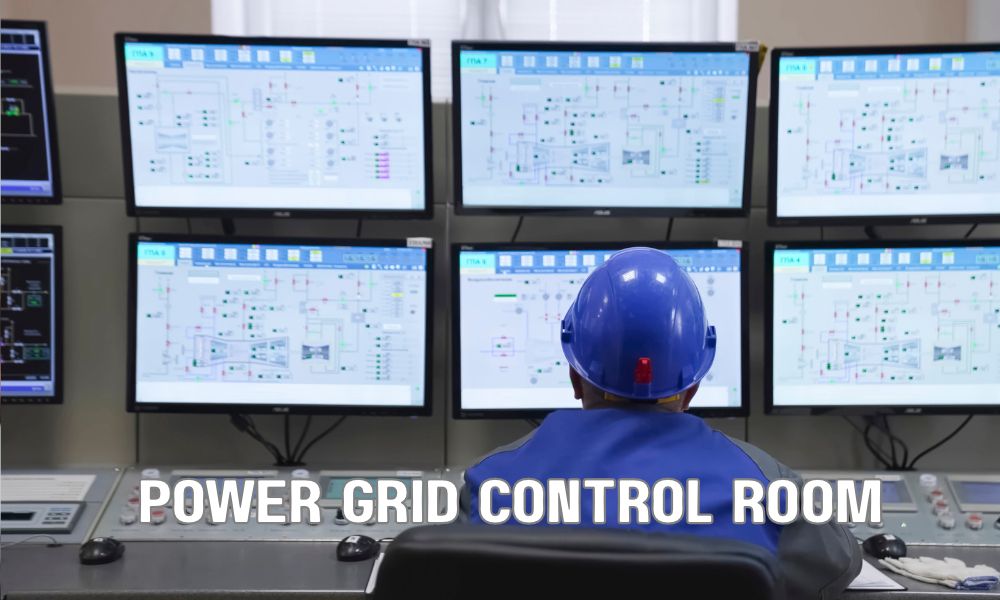
The first major driver of this stress is the decentralisation of power generation. The legacy grid was built for one-way power flow—from a massive, centralised power plant down through transmission lines to the end consumer. The 2027 grid is a highly complex, bi-directional network. Millions of residential solar panels, commercial battery energy storage systems (BESS), and bidirectional electric vehicle chargers are constantly pushing and pulling power from the grid. Managing this dynamic, intermittent flow requires a level of digital orchestration and real-time situational awareness that legacy utility control rooms simply cannot process.
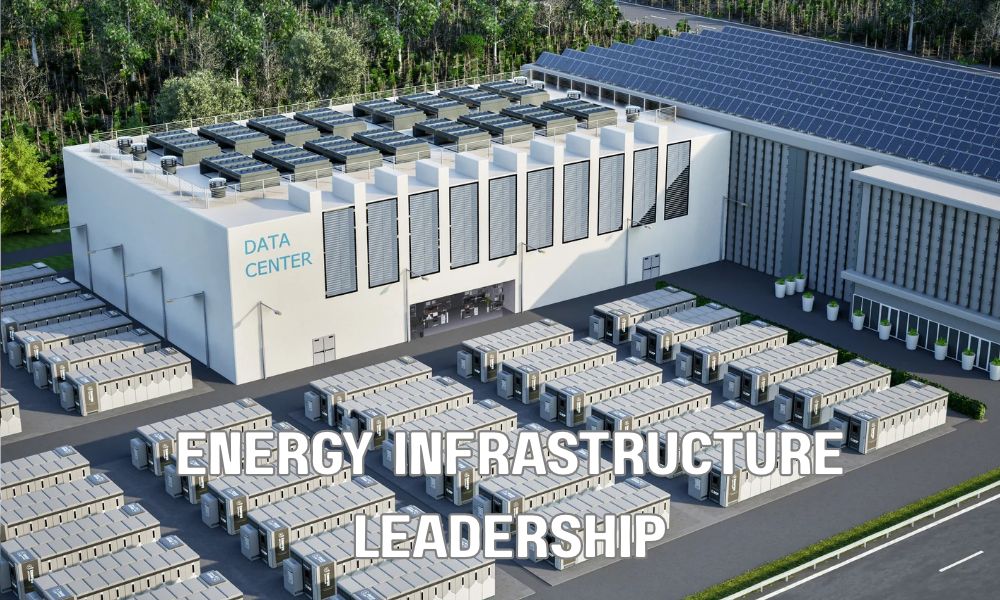
The second driver is the absolute explosion in load growth, primarily fuelled by the technology sector. The deployment of advanced generative AI models has resulted in the construction of gigawatt-scale data centres that consume as much power as entire mid-sized cities. These facilities demand 24/7, uninterrupted, clean power. Utilities are scrambling to build new transmission lines and substations to accommodate these mega-loads, but they are consistently blocked by severe supply chain shortages—particularly for high-voltage transformers, which currently face lead times exceeding three years—and a notoriously sluggish regulatory permitting process.
Consequently, the executives tasked with leading grid expansion cannot be mere administrators. They must be aggressive infrastructure builders, digital technologists, and regulatory diplomats. They must possess the capability to deploy advanced grid-enhancing technologies (GETs), such as dynamic line rating and advanced power flow controls, to squeeze every available megawatt of capacity out of the existing infrastructure while waiting for new physical transmission lines to be permitted and constructed.
2. Key Executive Archetypes in Modern Utilities
As the operational complexity of the grid scales exponentially, utility boards and private equity energy sponsors are actively restructuring their C-suites. The monolithic roles of the past are being divided into highly specialised leadership functions. To execute a successful grid expansion strategy in 2027, organisations must recruit the following distinct executive archetypes.
A. The Chief Grid Operations Officer (CGOO)
The traditional Chief Operating Officer role within a utility has evolved into the Chief Grid Operations Officer. This executive is the master of the physical and digital network. They are responsible for modernising the distribution and transmission infrastructure, ensuring absolute reliability, and managing the transition from legacy baseload dispatch to dynamic, real-time orchestration.
- Core Strengths: Advanced Distribution Management Systems (ADMS), deployment of Grid-Enhancing Technologies (GETs), Virtual Power Plant (VPP) integration, extreme weather resilience planning, and outage restoration logistics.
- Ideal Background: A highly technical engineering leader who has spent decades managing complex transmission and distribution (T&D) networks. They must possess a deep understanding of digital twin technology and predictive maintenance algorithms, moving the utility away from reactive repairs towards proactive grid hardening.
B. The VP of Renewable Integration & Storage
As states, nations, and corporate off-takers enforce strict decarbonisation mandates, utilities are integrating gigawatts of wind and solar power. Because these resources are inherently intermittent, this executive is explicitly tasked with balancing the grid using advanced storage solutions and demand-response protocols.
- Core Strengths: Battery Energy Storage Systems (BESS) deployment, navigating complex interconnection queues, microgrid architecture, and long-duration energy storage (LDES) commercialisation.
- Ideal Background: A forward-thinking energy executive, often recruited from the independent power producer (IPP) or renewable development sector, who understands the profound technical and financial complexities of attaching massive utility-scale battery systems to legacy transmission nodes.
C. The Chief Regulatory Strategy Officer (CRSO)
Grid expansion is fundamentally impossible without regulatory approval. The CRSO is the primary diplomat bridging the utility’s commercial ambitions with the political realities of Public Utility Commissions (PUCs), federal regulators, and local community stakeholders.
- Core Strengths: Rate case formulation, cost-recovery negotiation, navigating federal and regional permitting bottlenecks, stakeholder engagement, and advocating for regulatory reform regarding anticipatory transmission planning.
- Ideal Background: An elite legal or regulatory affairs executive with a masterful grasp of energy policy. They must possess the diplomatic gravitas to convince sceptical regulators that multi-billion-dollar rate increases are absolutely necessary to fund the infrastructure required for regional economic growth and climate resilience.
3. Critical Competencies to Demand in Grid Leadership
When executive search committees interview candidates for senior leadership roles within the 2027 energy sector, they must rigorously interrogate their ability to manage unprecedented operational friction. The traditional utility mindset prioritised slow, deliberate, risk-free execution. Today, leaders must move with urgent velocity while maintaining flawless safety records. Boards must demand the following critical competencies:
Mastering the Supply Chain and CapEx Discipline: The global supply chain for critical grid components is severely fractured. An elite grid executive must possess alternative sourcing strategies for high-voltage transformers, switchgear, and advanced conductors. Furthermore, as utilities embark on the largest capital expenditure (CapEx) cycles in their histories, the executive must demonstrate absolute financial discipline. They must know how to govern mega-projects to prevent the massive cost overruns that have historically plagued utility infrastructure buildouts.
Climate Resilience and Incident Response: Extreme weather events—from unprecedented wildfires and deep freezes to hyper-intensified hurricanes—are the new operational baseline. Modern grid leaders cannot simply react to these events; they must proactively engineer the grid to withstand them. This includes undergrounding critical lines in fire-prone areas, deploying AI-driven vegetation management systems, and building highly orchestrated emergency incident response frameworks that can rapidly mobilise thousands of external line workers during a catastrophic outage.
Harnessing Virtual Power Plants (VPPs) and Distributed Resources: Rather than spending billions to build a new peaking power plant that only runs for fifty hours a year, an elite executive understands how to leverage the customer. By orchestrating thousands of residential smart thermostats, EV batteries, and commercial backup generators into a unified Virtual Power Plant, the executive can dynamically reduce peak load. This requires deep competency in consumer technology integration, cybersecurity, and designing compelling financial incentive structures for utility customers.

4. The Utility Executive Scorecard: 5 Vetting Domains
To ensure a highly objective and rigorous assessment process, utility boards and private equity sponsors must score every executive finalist across five distinct operational and strategic domains utilising a standardised evaluation rubric. This scorecard prevents boards from defaulting to candidates who simply possess long tenure in the industry, forcing a strict focus on tangible, modern grid execution.
| Evaluation Domain | Critical Core Competencies | Sample Board Interview Question |
|---|---|---|
| 1. Grid Modernisation & ADMS | Digital twin integration, SCADA upgrades, dynamic line rating, AI-driven predictive maintenance, and bi-directional power flow management. | “Walk us through your strategy for deploying an Advanced Distribution Management System (ADMS) across a legacy grid. How did you ensure data integrity and prevent operational disruptions during the digital transition?” |
| 2. Renewable Integration & Storage | Utility-scale BESS deployment, managing severe interconnection queue delays, microgrid architecture, and mitigating intermittent voltage fluctuations. | “Describe a scenario where a massive influx of uncoordinated utility-scale solar threatened grid stability in your region. How did you utilise battery storage and curtailment protocols to maintain absolute frequency reliability?” |
| 3. Regulatory Diplomacy & Rate Cases | Cost-recovery strategy, anticipatory transmission planning advocacy, public utility commission negotiations, and local community stakeholder alignment. | “When requesting a highly unpopular, multi-billion-dollar rate increase to fund critical infrastructure upgrades, how do you construct the narrative to convince sceptical regulators and furious consumer advocacy groups that the CapEx is essential for regional economic survival?” |
| 4. CapEx Governance & Supply Chain | Mega-project financial discipline, mitigating transformer shortages, securing long-lead engineering, procurement, and construction (EPC) contracts. | “Given that critical high-voltage components currently have lead times exceeding 36 months, what is your specific playbook for mitigating supply chain risks to ensure our major transmission expansion projects are completed on schedule?” |
| 5. Climate Resilience & Crisis Response | Wildfire mitigation, severe storm hardening, emergency incident command, AI vegetation management, and rapid outage restoration. | “Detail your incident command framework during a catastrophic, once-in-a-generation climate event that destroys primary transmission corridors. How do you prioritise critical infrastructure restoration while managing the political fallout?” |
5. Navigating Capital Expenditures and Compensation Structuring
The talent pool capable of executing the 2027 grid expansion mandate is exceptionally shallow. Historically, the utility sector operated with highly conservative, utility-grade compensation structures that rewarded steady tenure rather than aggressive transformation. Today, utilities are not just competing with each other for executive talent; they are fiercely competing against major technology firms, hyperscale data centre operators, and aggressive private equity infrastructure funds. These competitors offer highly leveraged, equity-rich compensation packages that traditional utilities struggle to match.
To successfully extract elite grid operations and regulatory leadership, utility boards must fundamentally restructure their executive compensation frameworks. The compensation must reflect the immense complexity of managing billions of dollars in CapEx while navigating a deeply hostile regulatory and climate environment.
Aggressive Base Compensation: Base salaries for Chief Grid Operations Officers and senior regulatory executives at major investor-owned utilities or large public power authorities currently range heavily from the mid-six figures into the upper echelons, scaling directly alongside the total rate base of the utility, the square mileage of the service territory, and the sheer volume of the multi-year CapEx budget.
Reliability and CapEx-Linked Short-Term Incentives (STI): Annual cash bonuses should no longer be tied solely to vague corporate earnings. Elite utility boards tie variable compensation to hard, measurable operational metrics. This includes achieving targeted reductions in SAIDI (System Average Interruption Duration Index) and SAIFI (System Average Interruption Frequency Index), hitting strict on-time and on-budget milestones for major transmission mega-projects, and successfully navigating rate case approvals without massive disallowances from the public utility commission.
Long-Term Incentives (LTI) and Decarbonisation Goals: To attract true visionary leadership, executives must participate heavily in Long-Term Incentive plans. For investor-owned utilities, this involves performance shares tied to total shareholder return (TSR) and long-term rate base growth. Crucially, modern utility boards are now tying significant portions of the LTI to the successful execution of the utility’s decarbonisation and net-zero targets. In private equity-backed infrastructure platforms, granting Profits Interest Units (PIUs) is absolutely mandatory to align the executive’s wealth creation with the eventual exit valuation of the platform.
Conclusion
The energy and utilities sector is standing at the precipice of a monumental industrial revolution. The grid of 2027 is a highly stressed, incredibly complex organism that must facilitate the total electrification of the global economy while simultaneously decarbonising its own generation sources. The margin for error in this endeavour is absolutely zero. A failure to expand and modernise the grid will result in devastating rolling blackouts, the stalling of massive economic engines like artificial intelligence data centres, and severe vulnerabilities to an increasingly hostile global climate.
Navigating this crucible requires a complete departure from legacy utility management. Boards of directors and infrastructure investors can no longer rely on executives who merely manage the status quo. They require aggressive infrastructure builders, sophisticated digital technologists, and masterful regulatory diplomats. Identifying, rigorously vetting, and successfully extracting these rare transformational leaders requires deep industrial fluency and a highly strategic recruitment methodology. By adopting rigorous competency scorecards and restructuring compensation to compete with the technology and private equity sectors, utilities can secure the elite visionary leadership necessary to build, protect, and scale the modern power grid for the next generation.
Frequently Asked Questions (FAQs)
1. What are Grid-Enhancing Technologies (GETs) and why are they critical for modern utility leaders?
Grid-Enhancing Technologies (GETs) are advanced hardware and software solutions—such as dynamic line rating, advanced power flow controls, and topology optimisation—that allow utilities to maximise the transmission capacity of existing power lines. Because building new physical transmission lines can take over a decade due to permitting and supply chain delays, an elite executive utilises GETs to rapidly alleviate grid congestion and connect new renewable energy sources and data centres to the grid using current infrastructure.
2. Why is managing the “Interconnection Queue” such a massive challenge for grid executives?
The interconnection queue is the waiting list for new power generation projects (mostly wind, solar, and battery storage) seeking approval to connect to the main transmission grid. Currently, these queues are severely backlogged, with projects waiting several years for utility engineering studies and grid upgrades to be completed. A top-tier utility executive must implement streamlined, automated study processes and proactive transmission planning to clear this backlog, enabling the rapid deployment of clean energy.
3. How does the rise of Virtual Power Plants (VPPs) change the role of the Chief Grid Operations Officer?
Historically, when grid demand peaked, utilities would turn on expensive, highly polluting “peaker” gas plants. A Virtual Power Plant aggregates thousands of distributed energy resources (DERs)—like residential smart thermostats, electric vehicle batteries, and home solar systems. The CGOO must now possess the digital capability to seamlessly communicate with and orchestrate these customer-owned devices, dynamically lowering peak demand and balancing the grid without needing to fire up traditional power plants.
4. What is anticipatory transmission planning, and why is regulatory leadership needed to achieve it?
Traditional utility regulation requires power lines to be built only after a specific need is proven, often resulting in severe delays. Anticipatory transmission planning involves building high-capacity transmission lines into high-potential renewable energy zones before the wind or solar farms are even fully developed. This requires masterful regulatory leadership, as the Chief Regulatory Strategy Officer must convince utility commissions to allow the utility to recover the costs of this proactive infrastructure investment from ratepayers today, promising long-term economic and reliability benefits tomorrow.
5. How does extreme climate volatility impact utility executive recruitment?
The increasing frequency of severe climate events has made extreme weather resilience a mandatory executive competency. Search committees no longer just look for engineers; they look for crisis commanders. Candidates are rigorously vetted on their historical ability to execute emergency incident command protocols, manage rapid supply chain procurement for replacement parts during natural disasters, and implement long-term grid hardening strategies like undergrounding vulnerable distribution lines.
6. Why is it difficult for utilities to compete with technology companies for executive talent?
Technology companies and hyperscale data centre operators are aggressively recruiting top electrical engineers and energy procurement executives from the utility sector to manage their own massive energy needs. These tech firms offer highly lucrative compensation packages laden with liquid stock options and RSUs. To compete, utilities must shed their traditionally conservative compensation structures, offering aggressive, performance-linked incentives and substantial long-term equity or performance shares that reward bold execution and grid modernisation.

Tanya Gallardo
Managing Director, Executive Search & AI Talent Strategy
Tanya Gallardo is the Managing Director of Executive Search & AI Talent Strategy at JRG Partners, leading C-suite and Board engagements across key growth sectors including Technology, Financial Services, and Manufacturing.
With over 18 years of experience specializing in disruptive technology leadership, Tanya is recognized as a leading authority on talent architecture for future-focused executive roles, such as the Chief AI Officer (CAIO) and Chief Digital Officer (CDO). Her expertise lies in accurately assessing the cultural fit and technical depth required to ensure a high return on investment (ROI) for critical leadership appointments.
Prior to her role at JRG Partners, Tanya held senior roles directing global talent acquisition strategies at a major publicly-traded technology firm, advising on organizational design and succession planning for emerging executive functions. She is a recognized speaker and contributor to industry events, sharing data-driven insights on executive compensation, leadership development, and the measurable business impact of C-suite talent.
