



The challenge is that quality assurance leadership involves much more than preparing for audits or reviewing documentation. Senior executives must influence decisions across manufacturing, engineering, regulatory affairs, supply chain, product development, and senior management. They need to identify systemic risks, develop capable teams, and ensure that quality considerations are integrated into everyday operations rather than addressed only after a problem occurs.
To make the right appointment, companies must define the responsibilities of the role, assess candidates against the realities of their manufacturing environment, and distinguish between technical experience and the ability to lead an effective quality organization.
Why Quality Assurance Leadership Matters in Regulated Manufacturing
Regulated manufacturers operate under requirements that vary by industry, product category, and jurisdiction. Depending on the business, these may include formal quality management systems, controlled documentation, traceability, supplier oversight, risk management, validation activities, complaint handling, and corrective action processes.
A quality assurance executive helps ensure that the organization’s systems are designed and maintained to meet applicable requirements while supporting reliable production. The role also involves identifying weaknesses before they become recurring defects, compliance concerns, customer complaints, or disruptions to supply.
Quality leadership is particularly important when a company is expanding manufacturing capacity, introducing new products, transferring production between facilities, integrating acquisitions, or responding to recurring quality issues. Each change can introduce new risks that existing procedures may not adequately address.
For example, increasing production volume may expose inconsistent work practices across shifts. A new supplier may introduce differences in incoming materials. A manufacturing process change may require additional assessment, documentation, or validation. In each situation, the quality executive must work with operational leaders to understand the risk and determine an appropriate response.
When evaluating candidates, employers should assess three core capabilities:
- Quality-system expertise: The ability to establish, maintain, and improve processes that support compliance and product consistency.
- Risk-based decision-making: The ability to investigate problems, identify root causes, prioritize risks, and verify corrective actions.
- Cross-functional leadership: The ability to influence manufacturing, engineering, regulatory, supply chain, and executive teams while maintaining appropriate quality oversight.
Define the Quality Assurance Executive’s Mandate Before Recruiting

One of the most common hiring mistakes is beginning a search without agreeing on the problem the new executive must solve. Quality assurance responsibilities can differ substantially between a company with a mature quality system and one that needs to rebuild processes following growth or recurring performance issues.
Before interviewing candidates, leadership should determine whether the role is primarily focused on compliance, quality-system transformation, manufacturing consistency, supplier performance, organizational development, or enterprise-wide quality governance.
Clarify the scope of responsibility
Some organizations need a senior leader responsible for quality assurance across multiple facilities, product lines, and business units. Others need an executive who will lead a focused improvement program, strengthen inspection readiness, or establish consistent practices as manufacturing expands.
The job description should clarify whether the executive will oversee quality assurance alone or also have responsibility for quality control, supplier quality, document control, validation oversight, complaints, or related functions. These responsibilities may sit within the same organization, but their reporting structures and decision rights can vary.
Employers should also define the relationship between Quality and Operations. The quality executive must collaborate with production leaders, but quality decisions require clear authority and a reliable escalation path when business priorities conflict with product requirements or compliance obligations.
Match the candidate to the company’s operating environment
A candidate’s experience should be relevant to the organization’s products, manufacturing processes, regulatory exposure, and scale. Experience in a highly regulated environment may be valuable, but employers should examine what the individual actually managed rather than relying solely on the industry name or job title.
Consider the complexity of the manufacturing footprint, the maturity of existing systems, the company’s dependence on external suppliers, and the level of change expected during the next phase of growth. These factors help determine whether the business needs a systems builder, a transformation leader, a multi-site quality executive, or an experienced operator who can strengthen an established function.
Assess Quality Management System Expertise
A quality management system provides the processes and controls through which an organization manages quality-related responsibilities. An executive should understand how procedures, records, training, risk management, change control, nonconformance handling, and management review work together to support consistent outcomes.
However, familiarity with quality terminology is not enough. Employers need evidence that candidates have improved systems, resolved persistent weaknesses, and helped teams apply procedures effectively in real manufacturing environments.
Evaluate experience with audits and compliance readiness
Ask candidates how they have prepared organizations for external audits, regulatory inspections, customer assessments, or internal reviews relevant to the business. Explore their role in identifying gaps, assigning corrective actions, preparing personnel, and ensuring that findings were addressed effectively.
Useful interview questions include:
- What quality-system weaknesses have you identified and corrected?
- How did you determine whether a compliance issue was isolated or systemic?
- How did you prepare teams to demonstrate that procedures were followed in practice?
- What process did you use to track corrective actions through completion?
- How did you evaluate whether an improvement remained effective over time?
Strong candidates explain the context, the decisions they made, the teams involved, and the evidence used to confirm the outcome. They should be able to distinguish between closing an audit finding administratively and addressing the underlying process weakness.
Look for a practical approach to continuous improvement
Effective quality executives understand that a procedure is valuable only when it supports consistent, controlled work. If employees repeatedly struggle to follow a process, the issue may involve unclear instructions, insufficient training, poorly designed workflows, inadequate resources, or conflicting production incentives.
Ask candidates how they determine whether a quality problem requires retraining, a procedural revision, process redesign, equipment changes, or broader organizational intervention. Their answers should demonstrate that they investigate the conditions contributing to an issue rather than automatically assigning responsibility to individual employees.
Evaluate Root-Cause Analysis and Risk Management
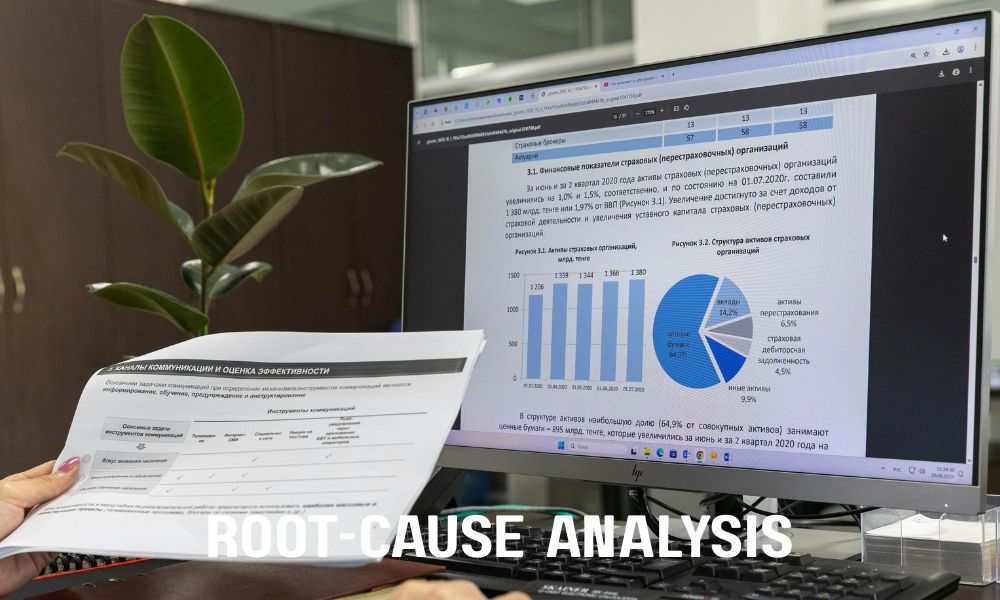
Product reliability depends on an organization’s ability to recognize problems, understand their causes, and prevent recurrence. Quality assurance executives must know how to guide investigations and ensure that corrective and preventive actions address the actual source of risk.
During recruitment, ask candidates to discuss a significant nonconformance, recurring defect, customer complaint, or process deviation they helped resolve. Focus on how they framed the problem, evaluated available evidence, involved relevant specialists, and selected corrective actions.
Strong candidates should be able to explain:
- How the issue was contained and immediate risks were assessed.
- How evidence was collected and potential causes were evaluated.
- How the investigation distinguished contributing factors from root causes.
- Why the chosen corrective action was appropriate to the risk.
- How effectiveness was checked after implementation.
Look for disciplined reasoning rather than a rehearsed description of a familiar methodology. The candidate should recognize that the investigation process must fit the complexity and potential impact of the problem.
Risk management is equally important when products, processes, equipment, suppliers, or manufacturing locations change. The executive should know when specialist input is needed, how risks should be documented, and how proposed changes are assessed under the organization’s applicable quality and regulatory requirements.
Assess Manufacturing and Product Reliability Experience
A quality assurance executive must understand the realities of production. This does not mean replacing manufacturing engineering or operations leadership. It means having enough technical and operational understanding to recognize how process variation, equipment performance, material quality, workforce practices, and environmental conditions can affect product consistency.
Explore experience with process control and validation
Depending on the industry and product, candidates may need experience with process validation, equipment qualification, measurement systems, production controls, inspection methods, and controlled process changes. The exact requirements should reflect the manufacturing environment rather than being copied from a generic job specification.
Ask candidates how they have worked with Operations and Engineering when process performance deteriorated or a proposed improvement introduced uncertainty. Explore how they evaluated evidence, determined whether additional assessment was necessary, and ensured that relevant changes were appropriately reviewed and documented.
Evaluate how the candidate handles production pressure
Manufacturing leaders may face pressure to meet delivery commitments, reduce scrap, increase throughput, or avoid downtime. A capable quality executive understands these commercial realities while maintaining the necessary standards for product quality and compliance.
Consider a scenario in which a production line is missing its targets and the team proposes bypassing a routine control to recover output. Ask the candidate how they would respond, what information they would need, and how they would work with Operations to resolve the problem.
Look for a response that protects product requirements, uses evidence to assess risk, involves the appropriate decision-makers, and seeks a sustainable operational solution. An effective leader should neither dismiss production realities nor allow schedule pressure to replace proper quality assessment.
Review Supplier Quality and Change-Control Capabilities
Product quality depends on more than the processes inside a manufacturing facility. Suppliers may provide raw materials, components, packaging, equipment, testing services, or outsourced manufacturing. Weak supplier controls can introduce variation that affects product performance and manufacturing reliability.
Quality executives should understand supplier qualification, ongoing performance monitoring, incoming material controls, nonconformance escalation, and the assessment of supplier changes. They must also coordinate with Procurement and Operations to ensure that commercial decisions do not overlook quality-related implications.
Ask candidates how they have managed a supplier whose materials or services failed to meet requirements. Explore how they assessed the immediate impact, coordinated containment, investigated the cause, and determined whether the supplier could remain approved.
Change control is another important area. Changes to materials, equipment, procedures, suppliers, or production locations may require assessment before implementation. The executive should ensure that the appropriate functions evaluate potential effects on product quality, process performance, documentation, and applicable regulatory obligations.
Determine Whether the Candidate Can Lead a Quality Organization
Technical expertise is essential, but executive effectiveness also depends on people leadership. Quality assurance teams need clear priorities, well-defined responsibilities, appropriate technical development, and the confidence to escalate concerns when necessary.
Ask candidates how they have organized quality teams, developed managers, handled competing priorities, and improved collaboration with other departments. Explore how they decide which capabilities should remain internal and where specialist external support may be appropriate.
Strong leaders communicate expectations clearly and help teams understand why quality requirements matter. They can challenge decisions constructively, explain risks to senior management, and maintain professional relationships without weakening the authority of the quality function.
Employers should also assess the candidate’s communication style. Quality issues often involve incomplete information and competing priorities. Executives must be able to explain what is known, what remains uncertain, what action is required, and who is responsible for the next decision.
A Structured Framework for Hiring a Quality Assurance Executive

1. Identify the most important outcomes
Define the results expected from the appointment. These might include improving the quality management system, reducing recurring nonconformances, strengthening supplier oversight, improving inspection readiness, or creating consistent quality practices across multiple sites.
2. Create a role-specific competency scorecard
Assess candidates against the capabilities that matter most to the role: quality-system leadership, risk management, manufacturing knowledge, regulatory judgment, supplier quality, communication, and team development. Weight each area according to the business’s priorities.
3. Use consistent, evidence-based interviews
Ask candidates comparable questions about real situations and their individual contributions. Practical scenarios involving a recurring defect, an audit finding, a supplier failure, or a production change can reveal how candidates assess risk and work across functions.
4. Verify responsibilities and outcomes
Determine whether candidates led an initiative, supported another executive, or managed only one part of the process. Ask about their decision authority, the resources available, the difficulties encountered, and how success was evaluated. Relevant professional references can help validate these details.
5. Clarify authority and organizational support
Before finalizing the appointment, confirm reporting lines, access to senior management, staffing, budget, and escalation rights. A quality executive cannot be held accountable for systemic improvements if the role lacks the influence or resources needed to implement them.
Common Mistakes When Hiring Quality Assurance Leaders
- Focusing only on audit history: Audit experience matters, but it does not automatically demonstrate the ability to improve systems or prevent recurring problems.
- Prioritizing credentials over judgment: Qualifications and technical knowledge should be assessed alongside real examples of leadership, investigation, and decision-making.
- Treating Quality as a separate compliance function: Effective quality leadership requires collaboration with Operations, Engineering, Supply Chain, and senior management.
- Ignoring manufacturing context: Candidate experience should match the company’s processes, product risks, operational complexity, and growth stage.
- Assigning accountability without authority: Unclear decision rights and insufficient resources can prevent even an experienced executive from delivering meaningful improvement.
A disciplined recruitment process addresses these risks by defining the mandate clearly and assessing candidates against the work they will actually be expected to lead.
Conclusion: Hire for Quality Leadership and Product Reliability
The right quality assurance executive helps a regulated manufacturer build reliable systems, manage risk, strengthen compliance, and support consistent product performance. Achieving these outcomes requires more than technical knowledge or audit experience. It requires sound judgment, cross-functional influence, operational understanding, and the ability to build a capable quality organization.
Companies should begin by identifying their most pressing quality and manufacturing challenges. They should then evaluate candidates through practical examples, structured interviews, and careful validation of individual contributions. Just as importantly, they must give the incoming executive clear responsibilities, appropriate authority, and the resources needed to lead improvement.
By aligning executive recruitment with the organization’s regulatory environment, manufacturing realities, and product reliability objectives, businesses can make more informed hiring decisions and build a stronger foundation for sustainable operations.
Frequently Asked Questions
What qualifications should a quality assurance executive have?
The ideal qualifications depend on the industry, products, and regulatory environment. Relevant experience may include quality management systems, audits, risk management, root-cause analysis, supplier quality, change control, manufacturing processes, and team leadership. Employers should assess practical experience alongside formal qualifications.
What is the difference between quality assurance and quality control?
Quality assurance generally focuses on the systems and processes designed to provide confidence that requirements will be met. Quality control typically involves activities used to examine, test, or verify that products or outputs meet specified requirements. Their exact scope varies by organization, and effective quality leadership ensures that the functions work together.
How should employers evaluate a candidate’s audit experience?
Ask candidates to explain their role in audit preparation, gap assessment, response development, corrective actions, and follow-up. The key is to determine whether they helped address underlying system weaknesses rather than simply coordinating documentation or closing individual findings.
Why is manufacturing experience valuable for a quality executive?
Manufacturing knowledge helps quality leaders understand process variation, equipment limitations, supplier dependencies, production pressure, and the practical effects of operational changes. This context supports more effective risk assessment and collaboration with production teams.
How can a company assess a quality executive’s leadership skills?
Use structured interviews to explore how the candidate developed teams, handled disagreements, communicated risk, influenced senior stakeholders, and resolved cross-functional problems. Ask for specific examples and verify the scope of the candidate’s responsibilities where possible.
When should a company hire a new quality assurance executive?
A company may need a new executive when quality problems recur, its manufacturing footprint expands, its quality system no longer fits its operating model, leadership responsibilities are unclear, or the organization needs stronger quality governance. The hiring decision should follow an assessment of the underlying business need and existing leadership capabilities.

Tanya Gallardo
Managing Director, Executive Search & AI Talent Strategy
Tanya Gallardo is the Managing Director of Executive Search & AI Talent Strategy at JRG Partners, leading C-suite and Board engagements across key growth sectors including Technology, Financial Services, and Manufacturing.
With over 18 years of experience specializing in disruptive technology leadership, Tanya is recognized as a leading authority on talent architecture for future-focused executive roles, such as the Chief AI Officer (CAIO) and Chief Digital Officer (CDO). Her expertise lies in accurately assessing the cultural fit and technical depth required to ensure a high return on investment (ROI) for critical leadership appointments.
Prior to her role at JRG Partners, Tanya held senior roles directing global talent acquisition strategies at a major publicly-traded technology firm, advising on organizational design and succession planning for emerging executive functions. She is a recognized speaker and contributor to industry events, sharing data-driven insights on executive compensation, leadership development, and the measurable business impact of C-suite talent.
