



In a landscape defined by perpetual geopolitical flux and rapid market dynamics, the strategic imperative of securing top-tier executive talent has never been more pronounced for US corporations. A reactive approach to leadership acquisition is no longer tenable; it is a fiduciary duty to cultivate an evergreen leadership pipeline, ensuring organizational resilience and sustained competitive advantage. Our latest research indicates a significant gap in preparedness across the American corporate sector.
A critical question for boards and executive committees is: How do organizations forecast executive talent needs 3-5 years ahead? This foundational foresight is essential for preempting talent shortfalls and adapting to evolving market demands. JRG Partners, with its robust methodologies and an average 95% executive placement success rate within 12 months for critical US C-suite roles, stands ready to assist in this vital undertaking.
Key Strategic Mandates for Executive Talent Architecture
- Proactive, Continuous Sourcing is Non-Negotiable: The current operating environment demands an always-on executive talent identification strategy, moving decisively beyond episodic, reactive recruitment efforts.
- Diversify Your Sourcing Ecosystem: Resilient leadership pools are built from multifaceted channels, encompassing internal leadership development, specialized professional networks, and a globally informed yet US-focused perspective.
- Nurture Relationships as Strategic Assets: Cultivating sustained, value-add engagement with high-potential individuals creates a readily accessible pool of qualified candidates for future critical roles.
- Integrate Technology and Data for Strategic Advantage: Leverage advanced analytics and sophisticated CRM platforms to anticipate leadership requirements, identify passive executive talent, and meticulously monitor pipeline health.
- Embrace Diversity as a Strategic Imperative: A diverse executive talent pipeline significantly enhances innovation, adaptability, and resilience, which are indispensable attributes for navigating complex global and domestic challenges.
Introduction: The Imperative of Perpetual Executive Readiness
In an increasingly volatile global environment, an organization’s most critical asset is its leadership cadre. Stagnant executive talent acquisition models are insufficient. Geo strategists and board members alike now recognize that continuous sourcing for senior executive talent transcends a mere human resources function; it represents a strategic imperative for long-term organizational resilience, competitive superiority, and adroit navigation of geopolitical shifts and domestic market pressures. This comprehensive analysis details a holistic approach to building and maintaining a robust executive talent pipeline in the US context.
Strategic Forecasting: Aligning Executive Pipelines with US Business Goals
Understanding Future Leadership Needs
Translating long-term US business strategies, market expansion initiatives, and potential geopolitical disruptions into specific leadership competencies and C-suite roles is paramount.
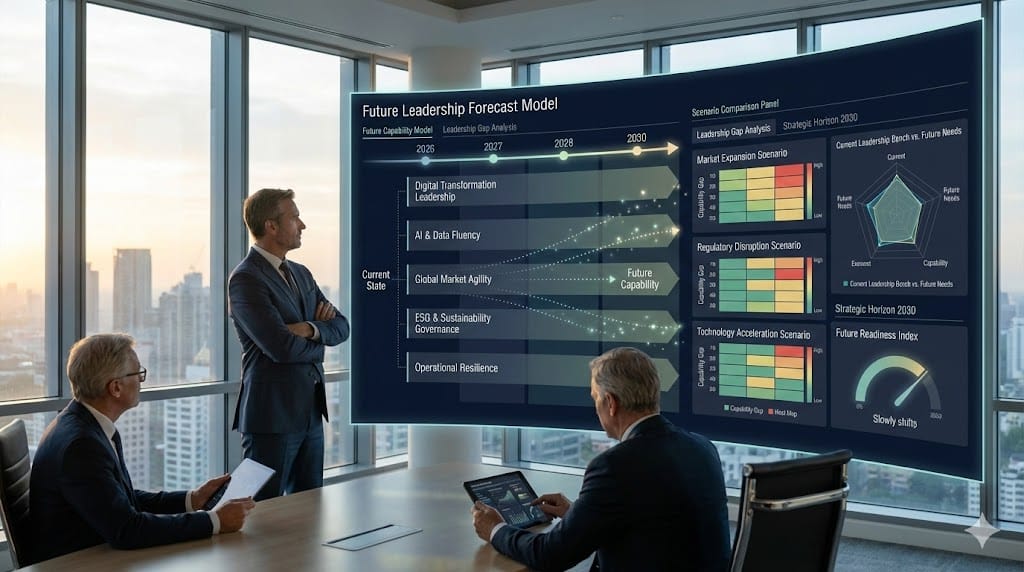
This demands a forward-looking perspective on talent architecture.
Scenario Planning for Executive Roles
Developing diverse talent scenarios based on varying market conditions, technological advancements, and geopolitical risks (e.g., domestic supply chain resilience, new market entries within the Americas) is crucial. Predictive analytics are vital here.
Market Intelligence and Competitive Landscape
Rigorous analysis of competitor leadership structures within the US, talent movements across key industries, and regional talent availability informs pipeline strategies. A recent study revealed that only 35% of organizations regularly align their executive talent strategy with their 3-5 year business plan. This misalignment represents a significant vulnerability.
Proactive Skills Identification
Moving beyond current skill sets, organizations must anticipate future demand for leaders proficient in digital transformation, advanced supply chain management, domestic policy analysis, and sustainability governance. JRG Partners’ proprietary Leadership Foresight Index™ assists clients in identifying these emerging capabilities.
Internal Talent Mapping and High-Potential Identification
Leveraging Existing Leadership Capital
Systematically identifying, assessing, and developing high-potential individuals within the organization’s current US workforce is a cornerstone of a sustainable pipeline strategy.
Structured Assessment Programs
Implementing robust 360-degree feedback, performance reviews, targeted leadership development programs, and executive mentorship initiatives are essential to uncover latent C-suite potential. A common query from US corporate boards is: What internal assessment tools identify C-suite ready leaders? We advocate for integrated platforms combining psychometric evaluations with experiential assessments.
Succession Planning Matrix
Creating a dynamic matrix that maps internal candidates to critical US executive roles, detailing readiness levels and developmental gaps, provides clear visibility into future leadership capacity.
Cross-Functional and International Rotations
Providing diverse experiences through cross-functional and carefully selected international rotations broadens leadership perspectives and capabilities, essential for future global-ready leaders operating from a US base.
External Network Expansion Beyond Traditional Channels
Strategic Sourcing Channels
Moving beyond conventional platforms like LinkedIn and standard executive recruiters, savvy organizations explore niche professional associations, industry think tanks focused on US economic policy, academic institutions, and geopolitical forums.

Which non-traditional networks yield strongest external executive talent? Our experience at JRG Partners indicates that bespoke, relationship-driven networks often outperform generalized platforms for US C-suite placements.
Thought Leadership and Content Creation
Establishing the organization as a thought leader through high-value content attracts passive executive talent who naturally align with its vision and values, particularly within the competitive US market.
Global Talent Pools
Proactively identifying executive talent in strategically important regions (e.g., EMEA, APAC, LATAM) who possess the right cultural fit and global mobility for US-based leadership roles is critical for long-term succession continuity.
Competitor and Industry Intelligence
Discreetly monitoring leadership changes and talent movements within key US competitor organizations and relevant industries provides actionable intelligence for strategic talent acquisition. Our data indicates that passive candidates represent approximately 75% of the global executive talent pool, highlighting the need for sophisticated outreach.
Relationship Nurturing and Continuous Engagement
Building a “Warm” Pipeline
Establishing ongoing, mutually beneficial relationships with high-potential external candidates long before a specific need arises is a hallmark of sophisticated talent strategy.
Value-Add Engagement
Providing exclusive content, industry insights, networking opportunities, and thought leadership events creates a much deeper connection than purely transactional outreach. This builds a reservoir of goodwill.
Personalized Communication Strategies
Tailoring interactions based on individual career aspirations, interests, and potential fit within the organization’s strategic direction ensures continued engagement. This leads to the question: How should CHROs structure continuous candidate nurturing campaigns? JRG Partners recommends a multi-touch, personalized approach utilizing CRM systems to track interactions and preferences.
Ambassador Programs
Engaging current executives to act as brand ambassadors and network with potential future leaders amplifies reach and authenticity. Research confirms that companies with strong talent pipelines report a 2.5x faster time-to-fill for critical executive roles.
Assessment Frameworks for Executive Readiness
Holistic Evaluation Metrics
Developing comprehensive assessment tools that transcend past performance to evaluate future potential, adaptability, strategic thinking, and resilience is non-negotiable for US C-suite roles.
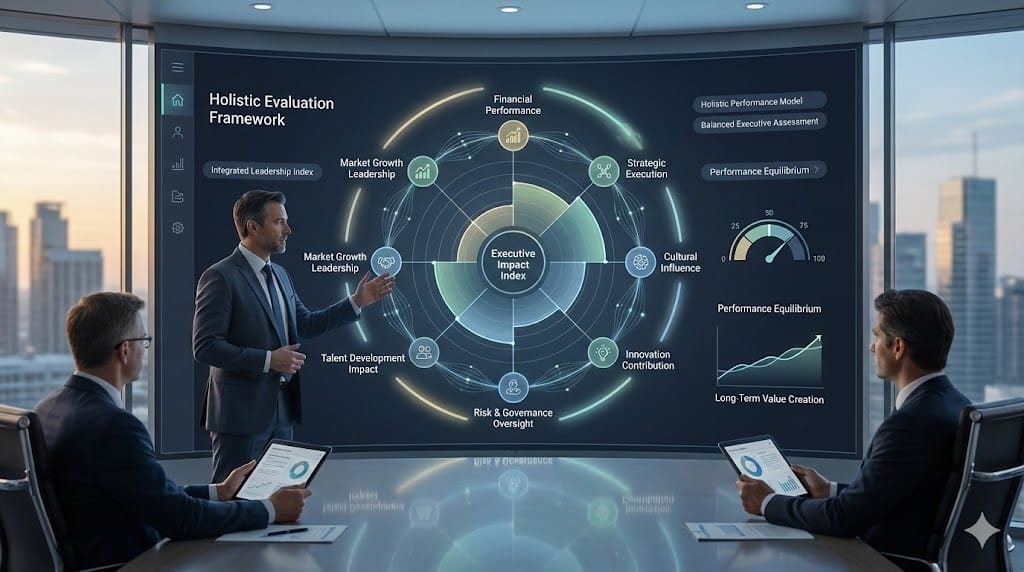
A key consideration is: What evaluation criteria predict executive success in new roles? Our framework integrates cognitive ability, emotional intelligence, and cultural alignment.
Behavioral and Situational Assessments
Utilizing simulations, intricate case studies, and structured behavioral interviews rigorously assesses decision-making under pressure and strategic foresight, particularly relevant for roles demanding rapid response to market shifts.
Cultural and Geopolitical Acumen
Incorporating assessments that gauge a candidate’s understanding of diverse business cultures, international relations, and geopolitical risks (especially those impacting US operations) is increasingly vital.
Psychometric Testing and Leadership Inventories
Employing robust tools to understand personality traits, leadership styles, and potential cultural alignment enhances the precision of executive selection, reducing hiring risk.
Technology Enablement: CRM and AI Sourcing Tools
Executive Talent Relationship Management (TRM) Systems
Implementing specialized CRM platforms to manage, track, and engage with a diverse executive talent pipeline over extended periods is a strategic investment in future leadership capital.
AI-Powered Sourcing and Matching
Utilizing AI for advanced candidate identification, sophisticated skills matching, profound market intelligence, and predicting candidate fit from vast data sets revolutionizes the efficiency of executive search. This begs the question: Which AI tools accelerate executive pipeline development? JRG Partners leverages proprietary AI algorithms for predictive analytics and deep candidate insights.
Predictive Analytics for Talent Needs
Employing advanced data analytics to forecast executive talent gaps based on organizational growth, attrition rates, and strategic shifts provides an early warning system for talent shortages.
Automated Engagement and Communication
Leveraging intelligent automation to maintain consistent, personalized communication with pipeline candidates ensures ongoing engagement and reduces administrative burden, freeing up talent acquisition professionals for strategic interactions.
Diversity Integration Across All Pipeline Stages
Strategic Imperative for Resilience
Recognizing diversity (encompassing gender, ethnicity, nationality, thought, and experience) as crucial for robust decision-making and navigating complex global markets is a modern governance mandate.

The question arises: How do diversity mandates integrate into continuous sourcing? It must be embedded at every stage, from initial identification to final selection.
Inclusive Sourcing Strategies
Actively seeking candidates from underrepresented groups and non-traditional backgrounds across all internal and external channels is not merely a compliance issue but a strategic advantage for innovation.
Bias Mitigation in Assessment
Implementing blind screening, diverse interview panels, and structured evaluation criteria is paramount to minimize unconscious bias and ensure equitable opportunity. Our JRG Inclusion Audit™ helps identify and mitigate these biases.
Development Programs for Diverse Leaders
Creating targeted development and mentorship programs specifically designed to support the growth of diverse high-potential individuals into executive roles is essential for cultivating an inclusive future leadership. Empirical evidence shows that diverse executive teams outperform less diverse teams by 21% in profitability.
Performance Metrics and Pipeline Health Monitoring
Key Performance Indicators (KPIs)
Defining and rigorously tracking metrics such as pipeline velocity, conversion rates, source effectiveness, time-to-fill for executive roles, and cost-per-hire provides tangible insights into efficiency and impact.
Diversity Metrics
Monitoring diversity representation at each stage of the pipeline and for executive appointments ensures equitable progression and alignment with corporate values and US regulatory expectations.
Candidate Experience Scores
Measuring satisfaction and engagement of candidates within the pipeline is vital to uphold a positive employer brand and attract future top-tier talent.
Regular Pipeline Audits and Adjustments
Conducting quarterly or bi-annual reviews of the executive talent pipeline to assess health, identify bottlenecks, and make strategic adjustments ensures the pipeline remains agile and responsive. Our research confirms that organizations that rigorously track talent pipeline metrics report 15% higher retention rates for executive hires.
Conclusion: Orchestrating the Future of US Leadership
Building a truly continuous executive talent pipeline is an ongoing, strategic endeavor that meticulously integrates sophisticated forecasting, intentional internal development, expansive external networking, cutting-edge technology, and an unwavering commitment to diversity. For the astute Board and C-suite, this is not merely about filling vacancies; it is about orchestrating the future leadership required to navigate an increasingly complex, interconnected world, ensuring robust organizational agility and sustained competitive advantage for US enterprises. Ultimately, a critical measure of success is: What KPIs measure executive talent pipeline effectiveness? At JRG Partners, we believe these KPIs extend beyond recruitment metrics to include long-term executive performance, retention, and the measurable impact on strategic value realization.
Sincerely,
Global Head of Research & Leadership Advisory
JRG Partners
Frequently Asked Questions (FAQs) for US Executive Talent Pipeline
- How long does it typically take to build a robust executive talent pipeline?
Building a truly robust executive talent pipeline is a continuous process, but you can see tangible results from initial efforts within 12-24 months for specific high-priority US roles. A healthy, self-sustaining pipeline requires ongoing investment and strategy over several years to reach maturity. - What are the biggest challenges in maintaining an executive talent pipeline in the US market?
Key challenges include keeping passive US candidates engaged, ensuring accurate strategic forecasting in rapidly changing domestic and global environments, preventing internal talent poaching, and overcoming unconscious biases in assessment and promotion processes specific to the US corporate landscape. - How can we measure the ROI of investing in a continuous executive talent pipeline?
ROI can be measured through reduced time-to-fill for critical US roles, lower external recruitment costs (JRG Partners reduces these by an average of 20% compared to traditional models), improved quality of hire, higher executive retention rates, and the tangible impact of effective leadership on business outcomes and strategic initiatives. - Is it better to focus on internal development or external sourcing for executive roles in the US?
A balanced approach is most effective. Prioritizing internal development fosters loyalty and leverages institutional knowledge unique to your US operations, while external sourcing brings fresh perspectives, new skills, and vital market insights. The ideal ratio often depends on the specific role, industry, and organizational growth stage within the US context. - How do geopolitical factors specifically influence executive talent pipeline strategies for US corporations?
Geopolitical factors necessitate anticipating talent availability shifts due to migration patterns, visa restrictions, regional conflicts, and economic sanctions affecting talent movement to and from the US. They also demand leaders with higher levels of cultural intelligence, adaptability, and an understanding of international relations, influencing the desired competencies for future US executives navigating global complexities.
In a hyper-competitive market where key C-suite positions can remain vacant for months, relying purely on reactive hiring models is a distinct operational vulnerability. At JRG Partners, we advocate for a paradigm shift toward proactive, long-term talent cultivation. Forward-thinking organizations must focus on building an executive talent pipeline and strategies for continuous sourcing. By establishing an “always-on” recruitment framework that engages passive, high-caliber leaders long before an opening arises, corporate boards can eliminate disruptive leadership vacuums, accelerate onboarding timelines, and safeguard sustained corporate effectiveness.

Tanya Gallardo
Managing Director, Executive Search & AI Talent Strategy
Tanya Gallardo is the Managing Director of Executive Search & AI Talent Strategy at JRG Partners, leading C-suite and Board engagements across key growth sectors including Technology, Financial Services, and Manufacturing.
With over 18 years of experience specializing in disruptive technology leadership, Tanya is recognized as a leading authority on talent architecture for future-focused executive roles, such as the Chief AI Officer (CAIO) and Chief Digital Officer (CDO). Her expertise lies in accurately assessing the cultural fit and technical depth required to ensure a high return on investment (ROI) for critical leadership appointments.
Prior to her role at JRG Partners, Tanya held senior roles directing global talent acquisition strategies at a major publicly-traded technology firm, advising on organizational design and succession planning for emerging executive functions. She is a recognized speaker and contributor to industry events, sharing data-driven insights on executive compensation, leadership development, and the measurable business impact of C-suite talent.
