



At JRG Partners, this is the kind of search we run every day, so this piece reflects practice rather than theory. Manufacturing executives are difficult to replace and know it, which makes retention a more active discipline than in sectors with deeper talent pools. The factors that keep strong plant and operations leaders are mostly not compensation: they concern investment in the site, autonomy, and whether the company backs the commitments those leaders make.
Key Takeaways
- Site investment decisions signal whether the plant has a future.
- Autonomy matters more to operations leaders than to most functions.
- Unsupported commitments erode credibility the leader cannot rebuild.
- Career visibility is limited in flat manufacturing structures.
- Location constraints make departures more consequential.
Investment Signals the Site’s Future
Plant and operations leaders read capital decisions as statements about whether their site has a future, and a plant that has been denied investment for several years tells its leadership something regardless of what corporate communication says. Executives leave sites they believe are being harvested, frequently before any announcement. Where investment is genuinely constrained, being honest about the reasons and the timeline retains more people than optimistic messaging that later proves hollow.
Autonomy Is Valued Highly
Operations leaders typically value the ability to run their site or function with genuine decision authority, and corporate structures that centralise scheduling, purchasing, hiring, or capital approval erode that considerably. Where centralisation is warranted, explaining the reasoning and preserving authority in areas that genuinely matter locally retains people better than progressive erosion without discussion. Executives who feel reduced to site administrators leave for roles with real responsibility.
Back Their Commitments
Plant leaders make commitments to customers, to their workforce, and to their own teams, and when the company repeatedly fails to support them, on capital promised, on staffing approved, on schedules agreed, the leader absorbs the credibility damage personally. Strong operators tolerate this for a period and then leave, often to a competitor. Reliability in supporting what leadership has committed to is a retention measure that costs less than compensation and matters more.
Career Paths Are Genuinely Narrow
Manufacturing organisations are frequently flat above plant management, which means a capable plant manager may see no realistic next step for years. Without visible paths, into multi-site roles, supply chain, engineering, continuous improvement, or general management, capable people leave to find progression. Being honest about what is and is not available, and creating genuine broadening opportunities, retains better than vague assurances about future possibilities.
Departures Are More Consequential Here
Because manufacturing executives are hard to recruit, geographically constrained, and hold site-specific knowledge, each departure costs more than the salary comparison suggests: months of search, an interim period, and a year before the successor is fully effective. This arithmetic justifies retention investment that would look generous in other sectors, and it argues for identifying the specific individuals whose departure would genuinely damage operations rather than spreading effort evenly.
What This Looks Like in Practice
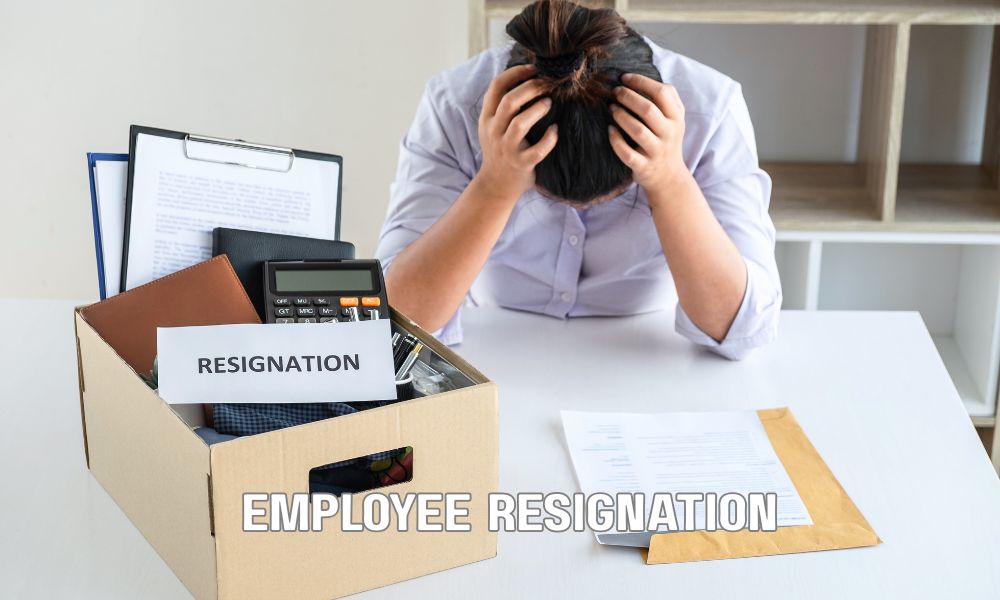
A manufacturer retains executive talent by being honest about site investment intentions, preserving genuine decision authority where it matters locally, reliably supporting the commitments leaders make, creating visible broadening paths in flat structures, and concentrating retention effort on individuals whose departure would genuinely damage operations.
The Mistake Employers Keep Making
The most common mistake is responding to a resignation with a compensation counteroffer when the cause was repeated failure to fund the site or support commitments. The executive stays briefly, nothing underlying changes, their credibility continues to erode, and they leave within the year having cost the company both the increase and the delay.
What Actually Retains Manufacturing Executives
| Factor | Why It Matters |
|---|---|
| Visible site investment | Signals whether the plant has a future |
| Genuine decision authority | Operations leaders value autonomy highly |
| Support for their commitments | Protects credibility they cannot rebuild alone |
| Visible progression paths | Flat structures otherwise produce ceilings |
| Honest communication | Optimistic messaging that proves hollow accelerates exits |
The Bottom Line
Manufacturing executive retention depends on investment signals, genuine autonomy, reliable support for commitments, and visible progression rather than on compensation, and because replacement is slow and costly, concentrating that effort on genuinely critical individuals is worthwhile. Hire for the specific demands of the situation, and the rest of the leadership equation gets easier.
Related Reading
For more, see Succession Planning for Manufacturing Plant Leadership, Executive Search Challenges in Rural Manufacturing Locations, What Makes a Strong Plant Manager Candidate.
Frequently Asked Questions
- Q: What signals matter most to plant leaders?
- A: Capital investment decisions, since a site denied investment for several years tells its leadership something about its future regardless of corporate messaging.
- Q: Why does autonomy matter so much?
- A: Because operations leaders value genuine decision authority, and progressive centralisation of scheduling, purchasing, and hiring reduces them to site administrators.
- Q: What is the effect of unsupported commitments?
- A: The leader absorbs credibility damage personally with customers and their workforce, which strong operators tolerate briefly before leaving, frequently to a competitor.
- Q: Why are career paths a retention issue?
- A: Because manufacturing structures are frequently flat above plant management, so capable people leave to find progression unless broadening opportunities are created.
- Q: Does a counteroffer work?
- A: Rarely, when the cause was site investment or unsupported commitments, since nothing underlying changes and the executive typically leaves within the year anyway.

Tanya Gallardo
Managing Director, Executive Search & AI Talent Strategy
Tanya Gallardo is the Managing Director of Executive Search & AI Talent Strategy at JRG Partners, leading C-suite and Board engagements across key growth sectors including Technology, Financial Services, and Manufacturing.
With over 18 years of experience specializing in disruptive technology leadership, Tanya is recognized as a leading authority on talent architecture for future-focused executive roles, such as the Chief AI Officer (CAIO) and Chief Digital Officer (CDO). Her expertise lies in accurately assessing the cultural fit and technical depth required to ensure a high return on investment (ROI) for critical leadership appointments.
Prior to her role at JRG Partners, Tanya held senior roles directing global talent acquisition strategies at a major publicly-traded technology firm, advising on organizational design and succession planning for emerging executive functions. She is a recognized speaker and contributor to industry events, sharing data-driven insights on executive compensation, leadership development, and the measurable business impact of C-suite talent.
