


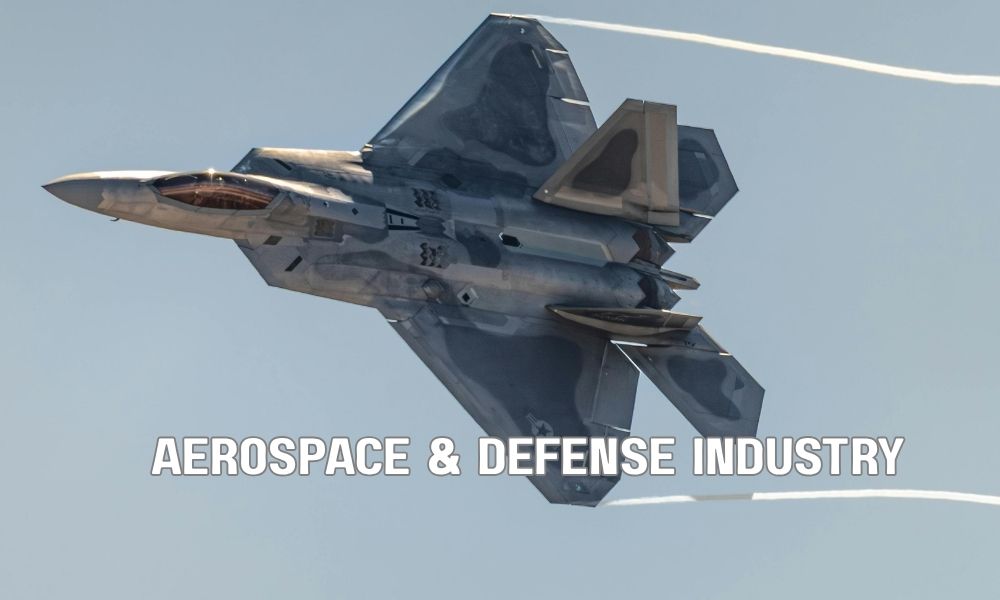
Aerospace and defense companies operate in environments where engineering precision, operational discipline, regulatory compliance, and program execution must work together. Whether an organization manufactures aircraft components, develops defense systems, supports military programs, or supplies mission-critical technologies, its executive leadership team directly influences its ability to deliver on complex commitments.
Hiring for these organizations requires more than finding an executive with an impressive title or a strong general management background. Employers need leaders who understand technical complexity, manage cross-functional teams, allocate resources effectively, and make decisions that balance quality, cost, schedule, and long-term business objectives. A structured executive hiring strategy helps organizations identify leaders whose experience aligns with their specific program requirements.
For organizations strengthening their operational leadership, the VP of Operations executive search practice for aerospace and defense is a relevant starting point for understanding the leadership capabilities required to manage demanding manufacturing and delivery environments.
Why Executive Hiring Is Different in Aerospace and Defense
Aerospace and defense organizations often manage programs involving long development cycles, complex supplier networks, strict technical specifications, substantial capital investment, and demanding customer requirements. Leadership decisions can affect production readiness, engineering coordination, contract performance, and the organization’s ability to meet delivery commitments.
Unlike positions in less specialized industries, executive roles in aerospace and defense may require a combination of commercial judgment, technical understanding, regulated-industry experience, and familiarity with government contracting environments.
Several factors make these searches particularly challenging:
- Technical complexity: Leaders must understand the relationship between engineering, manufacturing, testing, quality, and program delivery.
- Long program lifecycles: Executives must plan beyond immediate quarterly targets and maintain organizational capability throughout extended development and production cycles.
- Regulatory and contractual obligations: Candidates should understand the requirements relevant to the organization’s products, customers, contracts, and operating environment.
- Supply chain dependencies: Production schedules can be affected by specialized components, supplier capacity, material availability, and lengthy qualification processes.
- Security considerations: Certain defense-related assignments may involve classified information, facility requirements, or specific personnel eligibility conditions.
- Scarce leadership experience: Employers may need candidates who have managed comparable programs, budgets, technical teams, and operational risks.
The hiring process should therefore begin with a clear definition of the business challenge rather than a generic job description.
Which Executive Leaders Should Aerospace and Defense Companies Hire?
The right leadership structure depends on an organization’s size, technical capabilities, contract portfolio, and stage of growth. Some companies need to strengthen an existing executive team, while others require a new leadership layer to support additional production capacity, program expansion, or organizational transformation.
Chief Executive Officer or President
A CEO or president establishes strategic direction, manages stakeholder relationships, allocates capital, and aligns the organization around its long-term objectives. In aerospace and defense, candidates should be able to connect business strategy with program execution, customer expectations, operational risk, and the economics of complex contracts.
Evaluate their experience managing comparable business complexity, developing leadership teams, overseeing strategic investments, and balancing growth with disciplined execution.
Chief Operating Officer or VP of Operations
Operations leaders translate business objectives into manufacturing performance, workforce plans, capacity decisions, and delivery commitments. They may oversee multiple facilities, production systems, continuous improvement programs, and coordination between manufacturing, engineering, quality, and supply chain functions.
Look for evidence that candidates have improved operational performance in comparable environments. Strong examples should explain the initial problem, the decisions made, the teams involved, the constraints encountered, and the measurable business results.
VP of Engineering or Chief Technology Officer
Engineering executives guide technical strategy, engineering resources, product development, design maturity, testing, and technical risk management. Their responsibilities may include coordinating systems engineering, managing design changes, and ensuring technical decisions remain aligned with customer requirements and production realities.
Assess whether candidates can lead complex technical teams while communicating clearly with commercial, manufacturing, program management, and executive stakeholders.
Program Executive or Program Management Leader
Program leaders coordinate scope, schedule, resources, risk, customer communication, and cross-functional execution. They must understand how technical milestones, supplier commitments, engineering changes, and production readiness affect the overall program.
Prioritize candidates who have managed comparable program complexity and can explain how they identify risks early, resolve competing priorities, and maintain accountability across multiple functions.
VP of Supply Chain or Procurement Executive
Supply chain leaders help organizations build resilient sourcing strategies, manage supplier performance, oversee procurement, and align material availability with production requirements. Their decisions can influence working capital, production continuity, cost management, and delivery reliability.
Organizations with demanding aerospace and defense supply networks can explore the VP of Supply Chain executive search practice for aerospace and defense when defining the experience and capabilities required for this leadership mandate.
Build a Role-to-Capability Hiring Matrix
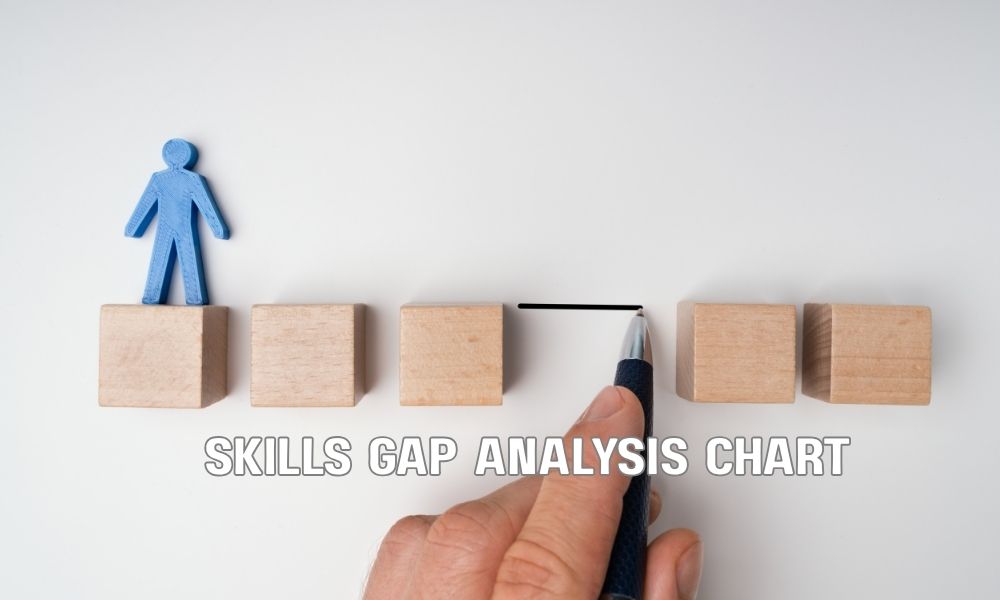
Before beginning an executive search, translate the business need into a practical capability framework. This makes it easier to distinguish candidates who have relevant experience from those whose credentials appear strong but do not match the assignment.
| Executive role | Critical capabilities | Evidence to request |
|---|---|---|
| CEO / President | Strategic leadership, financial judgment, customer relationships, organizational growth | Examples of strategic decisions, business performance improvements, and leadership team development |
| COO / VP of Operations | Manufacturing execution, capacity planning, operational excellence, quality and delivery | Specific examples of resolving bottlenecks, improving production performance, and managing operational risk |
| VP of Engineering / CTO | Systems engineering, technical governance, design maturity, engineering team leadership | Examples of managing complex technical programs, design changes, testing challenges, and technical trade-offs |
| Program Executive | Schedule control, cross-functional leadership, risk management, customer communication | Examples of program recovery, milestone management, escalation handling, and resource coordination |
| VP of Supply Chain | Supplier strategy, procurement, material planning, resilience, cost and inventory management | Examples of mitigating supplier risk, improving material availability, and strengthening delivery performance |
The matrix should reflect the actual mandate. A business scaling commercial production may prioritize manufacturing throughput and supplier capacity, while a defense technology organization may place greater emphasis on program governance, contractual obligations, technical integration, and security-related requirements.
How to Structure an Aerospace and Defense Executive Search
1. Define the business problem first
Start by identifying what the organization needs the new executive to accomplish. Examples include increasing production capacity, stabilizing a delayed program, integrating an acquisition, improving supplier reliability, strengthening engineering execution, or preparing a business for a new contract portfolio.
Document the first-year priorities, reporting relationships, decision-making authority, budget responsibility, and expected outcomes. This gives candidates a realistic picture of the position and creates a consistent basis for evaluation.
2. Establish the required industry experience
Determine whether candidates must have direct aerospace or defense experience, or whether comparable experience in another highly regulated, technically complex industry could be relevant. Evaluate the scale and nature of their previous responsibilities rather than relying exclusively on employer names or job titles.
For example, a candidate who has led a complex industrial manufacturing operation may offer transferable operational expertise. However, the organization should separately assess whether that candidate understands the specific technical, contractual, regulatory, and customer requirements of the new role.
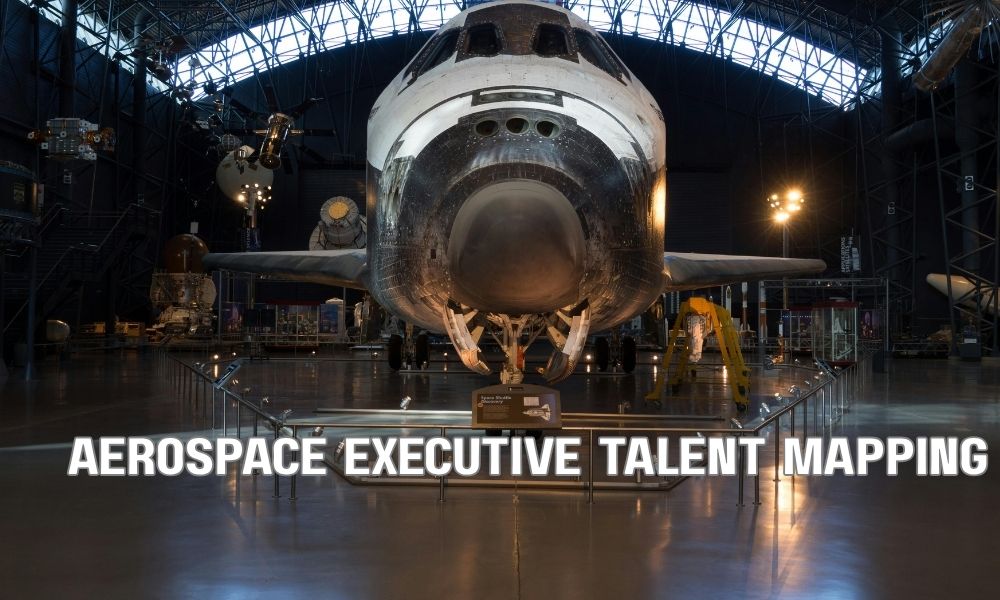
3. Map the relevant executive talent market
Identify organizations, business units, and leadership positions that produce the capabilities needed for the assignment. Consider candidates with experience across aerospace manufacturing, defense systems, avionics, propulsion, advanced manufacturing, engineering services, and relevant government contracting environments.
Evaluate the reasons a candidate might be a strong fit, including comparable program complexity, leadership scope, functional expertise, and experience operating under similar constraints. A targeted search can also help employers engage qualified leaders who are not actively applying for new positions.
4. Assess security and compliance requirements early
For defense-related positions, clarify whether the assignment involves classified work, controlled technical information, specific facility requirements, or other contractual restrictions. Confirm the applicable eligibility and access requirements with the organization’s authorized security and compliance personnel.
Do not assume that every defense executive requires the same clearance or that a candidate’s previous clearance automatically satisfies the requirements of a new assignment. Clearance, eligibility, sponsorship, and access are distinct considerations, and applicable rules should be verified through the appropriate channels.
Export-control obligations should also be reviewed when relevant to the products, technical data, transactions, and responsibilities associated with the role. Executive candidates should demonstrate an appropriate understanding of their responsibilities without treating compliance as a substitute for effective operational leadership.
5. Use structured interviews and reference checks
Give candidates comparable business scenarios and ask them to explain how they would approach the problem. Follow up on their individual contribution, the alternatives considered, the risks managed, and the outcomes achieved.
Reference checks should verify the scope of previous responsibilities, leadership behavior, decision-making ability, and claims about business results. For highly sensitive searches, establish clear confidentiality protocols before sharing client or candidate information.
Executive Interview Questions for Complex Aerospace and Defense Programs
Use questions that reveal how candidates think, prioritize, communicate, and lead under constraints. Adapt each question to the position rather than applying the same scorecard to every executive.
- Program execution: Describe a complex program you led. What were its most significant delivery risks, and how did you manage them?
- Operational performance: Tell us about a time you addressed a persistent production bottleneck. How did you identify the cause and measure the outcome?
- Technical judgment: How have you resolved a disagreement between engineering requirements, manufacturing feasibility, cost, and schedule?
- Supplier resilience: Describe a supplier disruption that threatened delivery. What actions did you take, and what changed afterward?
- Customer and contract management: How do you communicate a material program risk to customers and internal stakeholders while maintaining accountability?
- Leadership and culture: How have you built accountability across engineering, operations, quality, and program management?
- Risk and compliance: How do you ensure that commercial and schedule pressures do not undermine required quality, safety, security, or compliance obligations?
Executive Interview Scorecard
A weighted scorecard helps interview panels compare candidates consistently. The following is a starting framework; adjust the weightings to match the role and the organization’s priorities.
| Evaluation criterion | Suggested weight | What a strong response demonstrates |
|---|---|---|
| Relevant industry and program experience | 25% | Comparable responsibility, complexity, and decision-making scope |
| Functional and technical leadership | 20% | Sound judgment and the ability to lead specialist teams |
| Execution and measurable results | 20% | Clear examples of delivery, operational, or business improvements |
| Risk, quality, and compliance judgment | 15% | Responsible decisions under contractual, technical, and regulatory constraints |
| People leadership and collaboration | 10% | Ability to align functions, develop talent, and manage conflict |
| Strategic and financial judgment | 10% | Understanding of resource allocation, investment, cost, and long-term priorities |
Score each criterion from 1 to 5, with documented evidence supporting the rating. A high overall score should not override a critical weakness in an essential requirement. For example, a role with mandatory eligibility or specialized technical requirements should have those requirements treated as explicit screening criteria.
Common Mistakes to Avoid When Hiring Aerospace and Defense Executives
- Hiring based on title alone: A senior title does not establish that a candidate has managed comparable programs, teams, budgets, or technical complexity.
- Prioritizing technical expertise over leadership: Technical credibility matters, but executives must also build teams, manage stakeholders, and make difficult resource decisions.
- Using vague performance expectations: Define the outcomes the executive must deliver and the resources available to achieve them.
- Ignoring cross-functional dependencies: Program performance depends on coordination across engineering, manufacturing, quality, procurement, and customer-facing teams.
- Waiting too long to confirm role requirements: Delayed clarification of security, location, travel, or other mandatory conditions can disrupt the hiring process.
- Relying on unstructured interviews: Inconsistent questions and undocumented impressions make meaningful candidate comparisons more difficult.
- Overlooking succession and retention: The hiring decision should support long-term organizational capability, not just solve an immediate vacancy.
Frequently Asked Questions
What executive roles are most important for complex aerospace and defense programs?
The most relevant roles depend on the organization’s objectives. Common priorities include the CEO or president, COO or VP of Operations, VP of Engineering or CTO, program leadership, and VP of Supply Chain. Organizations may also need senior quality, government contracting, compliance, or business development leaders.
What should companies look for when hiring an aerospace and defense executive?
Employers should assess relevant industry experience, leadership scope, program complexity, technical and operational judgment, risk management, stakeholder communication, and evidence of measurable results. Any mandatory security, contractual, or regulatory requirements should be evaluated separately.
How should employers evaluate candidates for security-sensitive defense roles?
Employers should define the role’s actual security and access requirements with authorized security personnel, then verify the applicable eligibility and access conditions through the appropriate processes. Requirements vary by assignment, and a previous clearance should not be treated as automatic authorization for new access.
Why is supply chain leadership important in aerospace and defense?
Specialized components, supplier capacity, material availability, and long production cycles can affect program delivery. Effective supply chain executives help manage these dependencies, improve supplier visibility, and align procurement and inventory decisions with operational requirements.
How can companies improve their executive hiring process?
Start with a clear business mandate, identify the capabilities required, map relevant talent markets, use structured interviews and evidence-based scorecards, verify references, and establish realistic decision timelines. A confidential executive search can help organizations reach experienced leaders whose backgrounds align with specialized requirements.
Conclusion: Hire for Program Complexity, Not Just the Job Title
Hiring executive leaders for aerospace and defense programs requires a disciplined approach to defining requirements, evaluating experience, and testing leadership judgment. The strongest candidates demonstrate more than industry familiarity: they can connect technical decisions with operational performance, coordinate cross-functional teams, manage risk, and deliver against demanding business and program objectives.
Organizations that establish clear success criteria and use structured, evidence-based evaluation are better positioned to identify leaders suited to their operating environment. The objective is not simply to fill a senior position. It is to build leadership capability that supports reliable execution, responsible growth, and long-term organizational performance.
JRG Partners works with organizations seeking executive talent across aerospace, aviation, and defense. Employers planning a leadership appointment can discuss the mandate, required capabilities, confidentiality considerations, and anticipated hiring timeline with the team to determine an appropriate search strategy.
Planning a complex aerospace or defense leadership search? Define the role’s business objectives, essential capabilities, and constraints before beginning the search. A clear mandate helps align stakeholders and creates a stronger foundation for evaluating executive candidates.

Tanya Gallardo
Managing Director, Executive Search & AI Talent Strategy
Tanya Gallardo is the Managing Director of Executive Search & AI Talent Strategy at JRG Partners, leading C-suite and Board engagements across key growth sectors including Technology, Financial Services, and Manufacturing.
With over 18 years of experience specializing in disruptive technology leadership, Tanya is recognized as a leading authority on talent architecture for future-focused executive roles, such as the Chief AI Officer (CAIO) and Chief Digital Officer (CDO). Her expertise lies in accurately assessing the cultural fit and technical depth required to ensure a high return on investment (ROI) for critical leadership appointments.
Prior to her role at JRG Partners, Tanya held senior roles directing global talent acquisition strategies at a major publicly-traded technology firm, advising on organizational design and succession planning for emerging executive functions. She is a recognized speaker and contributor to industry events, sharing data-driven insights on executive compensation, leadership development, and the measurable business impact of C-suite talent.
