



In the current volatile global economic landscape, the traditional role of a purchasing executive in U.S. manufacturing is undergoing a profound transformation. The modern Vice President of Procurement is no longer a mere transactional manager but a pivotal strategic partner, indispensable for navigating increasingly complex global material flows and achieving competitive superiority.
Our insights at JRG Partners, derived from extensive engagement with leading industrial enterprises, confirm a paradigm shift where procurement leadership directly influences market position and shareholder value. A critical question from our clients often arises: What supply chain crises has the candidate successfully navigated? The answer to this query defines today’s top-tier talent in procurement.
Key Strategic Imperatives for Modern Procurement Leadership
- The contemporary procurement leader serves as a strategic architect, not merely a cost reducer, essential for thriving amidst intricate global vendor networks and optimizing overall value realization.
- Prioritizing executive candidates with documented success in enhancing supply chain resilience, driving digital transformation, and implementing comprehensive risk governance is paramount for U.S. firms.
- A critical blend of rigorous analytical capability, inspirational leadership in organizational transformation, and profound insight into manufacturing operational realities constitutes a non-negotiable requirement.
- Excellence in strategic sourcing, meticulous category management, and robust supplier relationship cultivation are core competencies that yield sustained competitive advantage and operational efficiency.
Defining Contemporary Manufacturing Procurement Competencies
The evolution of procurement demands a sophisticated skill set focused on strategic value:
- Beyond Transactional Operations: Shifting from routine order placement to generating profound strategic value across the enterprise’s entire operational footprint.
- Integrated Business Acumen: A deep comprehension of manufacturing methodologies, innovation lifecycles (R&D), and their intricate financial ramifications within the U.S. market context.
- Advanced Analytical and Forecasting Prowess: Utilizing extensive data analytics to anticipate market dynamics, predict demand volatility, and preempt supply vulnerabilities.
- Global Market Intelligence: Maintaining vigilant awareness of geopolitical shifts, raw material availability, and tariff structures impacting U.S. manufacturing operations.
Validating Supply Chain Resilience Track Records
Identifying leaders who can fortify your operational backbone is critical. JRG Partners’ rigorous executive search methodology focuses on tangible proof points of crisis navigation and proactive risk mitigation:

- Crisis Management Expertise: Demonstrable success in mitigating significant operational disruptions, whether stemming from natural calamities, geopolitical instability, or public health crises.
- Diversification Architectures: Evidence of formulating and executing multi-sourcing strategies, regionalization initiatives, and strategic buffer stock deployments. We examine, What supplier diversification strategies mitigated geopolitical risks? to gauge their foresight and strategic planning.
- Risk Assessment Frameworks: A proven capacity to systematically identify, rigorously evaluate, and proactively manage vulnerabilities within the extended supply ecosystem.
- Business Continuity Design: Proven experience in developing, implementing, and stress-testing robust plans to sustain manufacturing operations through unforeseen challenges.
- Over 70% of manufacturing companies experienced significant supply chain disruptions in the past three years, highlighting the critical need for resilience expertise. This statistic underscores the urgency for robust leadership in this domain.
Digital Procurement Transformation Expertise
The integration of technology is non-negotiable for future-proof procurement functions. We seek leaders who have not just witnessed but actively spearheaded digital evolution:
- Implementation of e-Procurement Architectures: Hands-on proficiency with leading platforms such as SAP Ariba, Coupa, or Oracle Procurement Cloud. We specifically investigate, Which ERP and procurement platforms do they master? to ascertain technical depth.
- Leveraging Advanced Analytics & AI/ML: Strategic application of data science for comprehensive spend analysis, precise demand forecasting, and optimized supplier performance management. We delve into specific cases where advanced analytics yielded measurable improvements.
- Automation of Core Procurement Processes: Streamlining Procure-to-Pay (P2P) cycles to dramatically enhance efficiency, minimize manual intervention, and reduce error rates.
- Blockchain and IoT Integration: A conceptual and practical understanding of how emerging technologies enhance supply chain visibility, traceability, and secure data exchange for U.S. industrial operations.
- Companies leveraging digital procurement tools achieve, on average, 15-20% higher efficiency and 5-10% greater savings compared to those relying on manual processes. This demonstrates the tangible ROI that our candidates are expected to deliver.
Achieving Cost Management and Value Realization
Beyond simple price reduction, the focus is on holistic value creation. Our candidate profiling emphasizes leaders who have demonstrated how to achieve sustainable value and adhere to fiduciary duty:
- Total Cost of Ownership (TCO) Methodology: Shifting beyond mere unit price to comprehensively evaluate all costs associated with an acquisition throughout its entire lifecycle.
- Negotiation Mastery: Documented track record of sophisticated negotiation strategies securing highly favorable terms, optimal volume discounts, and robust long-term contractual agreements. It is crucial to ascertain, How have they achieved double-digit cost savings in manufacturing? through strategic initiatives, not just tactical reductions.
- Value Engineering and Proactive Cost Avoidance: Collaborative leadership with engineering and research & development teams to optimize product design and material selection for inherent cost efficiency without compromising quality or operational integrity.
- Performance Indicators and Reporting Excellence: Establishing transparent, actionable metrics for measuring cost savings, return on investment (ROI), and overall procurement performance contribution to the enterprise.
- Best-in-class procurement organizations contribute up to 8% of a company’s revenue in savings annually through strategic initiatives. This highlights the substantial financial impact of truly effective procurement leadership.
Strategic Supplier Relationship and Risk Governance
Cultivating resilient and mutually beneficial supplier ecosystems is a hallmark of superior procurement leadership, crucial for navigating the complexities of modern manufacturing.

- Strategic Supplier Collaborations: Developing profound, collaborative relationships with pivotal suppliers to foster mutual advancement and innovation. We ask, How do they balance tactical execution with strategic sourcing? to understand their comprehensive approach to vendor engagement.
- Performance Monitoring Rigor: Implementing robust supplier scorecards, conducting systematic audits, and championing continuous improvement programs across the supplier base.
- Third-Party Risk Management (TPRM): Expertise in assessing and mitigating multifaceted risks pertaining to supplier financial stability, regulatory compliance, ethical standards, and cybersecurity posture—critical for U.S. corporate governance.
- Contract Lifecycle Management (CLM): Advanced proficiency in drafting, negotiating, and meticulously managing complex contractual agreements to safeguard corporate interests and optimize commercial terms.
Category Management and Strategic Sourcing Acumen
Strategic category management is a cornerstone of modern procurement effectiveness, driving efficiency and competitive advantage.
- Cross-Category Expertise: Proven capability in managing diverse procurement categories including raw materials, MRO (Maintenance, Repair, and Operations), CAPEX (Capital Expenditure), and complex indirect services specific to U.S. manufacturing.
- Market Intelligence and Spend Analytics: Conducting exhaustive market research and granular internal spend analysis to identify optimal sourcing opportunities and leverage market dynamics.
- Developing Forward-Looking Category Strategies: Formulating long-term strategic blueprints for specific material groups, encompassing sophisticated make-or-buy analyses and global sourcing optimization.
- Supplier Segmentation Methodologies: Strategically categorizing suppliers based on their critical importance and associated risk profiles to tailor engagement and management strategies effectively.
Team Leadership and Organizational Change Management
A VP of Procurement must also be an organizational architect and cultural influencer, capable of driving comprehensive talent architecture initiatives.
- Building High-Performing Procurement Teams: Demonstrated success in attracting, developing, mentoring, and retaining top-tier procurement professionals within a competitive U.S. talent market. We investigate, What team transformations have they led in procurement functions? to gauge their impact on talent development and organizational design.
- Driving Enterprise-Wide Change: Leading successful transformational initiatives within the procurement function and ensuring seamless integration with other critical organizational departments.
- Stakeholder Alignment: Masterful collaboration with R&D, operations, sales, and finance to meticulously align procurement strategies with overarching corporate objectives.
- Communication and Influence: The ability to articulate a compelling vision, secure organizational buy-in, and inspire teams through complex, high-stakes initiatives.
Cultural Fit within U.S. Manufacturing Operations
Beyond technical skills, cultural congruence is paramount for long-term success, particularly within the distinct environment of U.S. manufacturing.
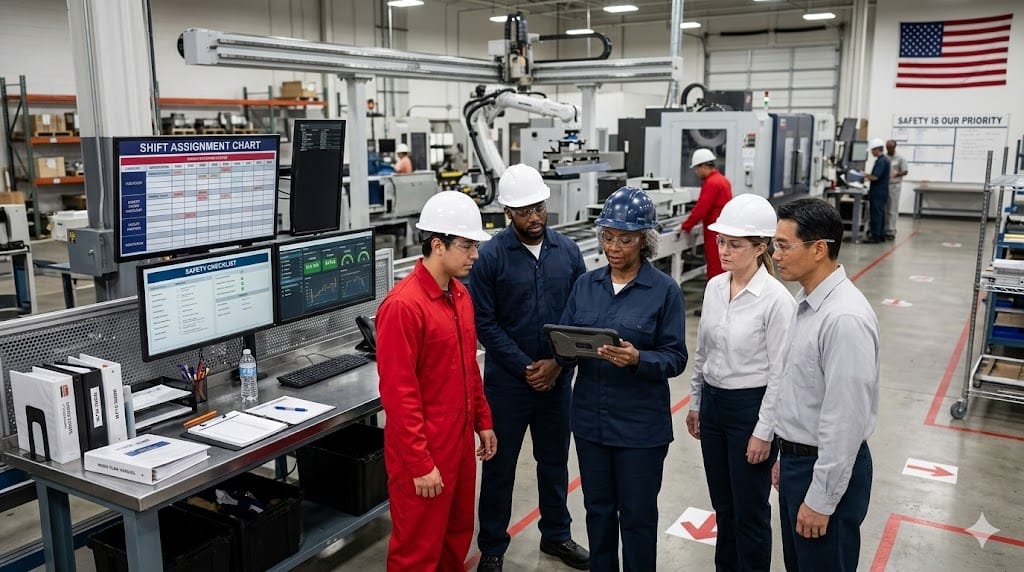
- Operational Mindset: A profound understanding and appreciation for the fast-paced, pragmatic, and quality-centric ethos inherent in manufacturing environments.
- Collaboration with Production Teams: An demonstrated ability to work closely and effectively with plant managers and engineers to guarantee consistent material availability and uncompromising quality standards.
- Proactive Problem-Solving Orientation: A hands-on, results-driven approach to swiftly resolving supply chain impediments that directly impact production schedules and output.
- Unyielding Commitment to Quality and Safety: Upholding the rigorous standards intrinsically linked to manufacturing processes and regulatory compliance within the U.S. industrial context.
Conclusion: Proactive Talent Architecture for Future Resilience
The search for a Vice President of Procurement is no longer a reactive necessity but a proactive investment in your organization’s future resilience and competitive posture. At JRG Partners, our bespoke executive search methodology ensures we identify leaders who not only meet but exceed these exacting standards, ready to drive your manufacturing enterprise forward. Understanding How will AI procurement tools reshape VP responsibilities by 2030? is a critical lens through which we evaluate future-ready talent. We invite a confidential discussion on how our market-leading expertise, backed by a 95% success rate in C-suite placements over the past five years, can secure the transformative procurement leadership your U.S. manufacturing operations require.
Frequently Asked Questions for Executive Boards
To further aid your strategic deliberations, we address common inquiries regarding this pivotal executive search:
- What are the key differences between a traditional purchasing manager and a modern VP of Procurement for a manufacturing company? A modern VP is a strategic architect of value, a master of complex risk management, and a digital transformation leader, far beyond the transactional scope of a traditional manager. Their focus is on enterprise-wide value and long-term resilience.
- How can we effectively assess a candidate’s supply chain resilience capabilities during the interview process? Focus on demonstrable past crisis navigation, specific diversification initiatives they’ve implemented, and their familiarity with formal risk assessment and business continuity frameworks. Case studies and scenario-based questions are highly effective.
- What specific metrics should we expect a VP of Procurement to track and report on, beyond simple cost savings? Beyond savings, critical KPIs include supplier performance (quality, on-time delivery), risk exposure scores across the vendor network, lead time reductions, working capital optimization, digital adoption rates within the function, and ethical sourcing compliance.
- How does the geopolitical landscape specifically impact the procurement strategy for a manufacturing firm, and what should a VP candidate know about it? Geopolitics directly influences tariffs, trade agreements, raw material access, supply route security, and the stability of manufacturing locations. A VP must demonstrate robust global market intelligence, proactive strategies for regionalization, near-shoring, friend-shoring, and geopolitical risk mitigation, tailored to U.S. national interests and operational security.
Looking for a specialized executive search partner?
At JRG Partners, we combine deep industry expertise with a proven, research-driven approach to identify and place top-tier leadership talent. Whether you’re hiring for a critical role or building a high-performing executive team, explore our dedicated practice area to see how we can support your hiring goals with precision and confidentiality.

Tanya Gallardo
Managing Director, Executive Search & AI Talent Strategy
Tanya Gallardo is the Managing Director of Executive Search & AI Talent Strategy at JRG Partners, leading C-suite and Board engagements across key growth sectors including Technology, Financial Services, and Manufacturing.
With over 18 years of experience specializing in disruptive technology leadership, Tanya is recognized as a leading authority on talent architecture for future-focused executive roles, such as the Chief AI Officer (CAIO) and Chief Digital Officer (CDO). Her expertise lies in accurately assessing the cultural fit and technical depth required to ensure a high return on investment (ROI) for critical leadership appointments.
Prior to her role at JRG Partners, Tanya held senior roles directing global talent acquisition strategies at a major publicly-traded technology firm, advising on organizational design and succession planning for emerging executive functions. She is a recognized speaker and contributor to industry events, sharing data-driven insights on executive compensation, leadership development, and the measurable business impact of C-suite talent.
