


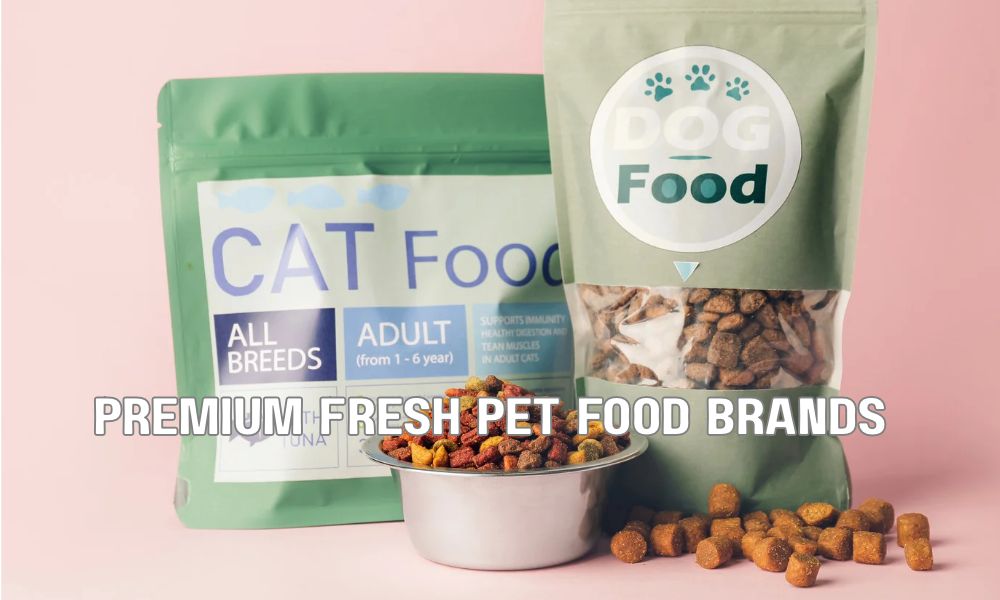
Premium and fresh pet food brands operate in a market where product quality, ingredient transparency, nutritional innovation, and consumer trust can directly influence commercial performance. Unlike traditional pet food businesses built primarily around large-scale manufacturing and established distribution, premium and fresh brands must often balance specialized product development with demanding quality standards, temperature-sensitive logistics, digital customer acquisition, and strong brand positioning.
As these businesses expand, leadership requirements become more complex. A founder who successfully developed an appealing product and built an initial customer base may not have the experience required to manage national distribution, scale production, strengthen food safety systems, or lead a larger executive team. The next stage of growth requires leaders who understand both the commercial opportunities and operational realities of premium pet nutrition.
Hiring the right executives is therefore a strategic priority. Companies need leaders who can protect product integrity while improving margins, expanding distribution, developing new products, and building scalable organizations. This executive search playbook examines the leadership roles, capabilities, hiring considerations, and assessment strategies that premium and fresh pet food brands should prioritize as they grow.
Why Premium and Fresh Pet Food Brands Need a Different Leadership Strategy
Premium and fresh pet food companies face several challenges that distinguish them from conventional pet food manufacturers. Their products may rely on carefully selected ingredients, specialized processing methods, refrigeration or frozen storage, and more direct relationships with consumers. These requirements influence how the business develops products, manufactures inventory, manages suppliers, and reaches customers.
Leadership teams must understand the relationship between product differentiation and operational execution. A company may have a compelling nutritional proposition, but its growth can be constrained by inconsistent production capacity, inadequate quality systems, high fulfillment costs, or an inability to maintain product availability across different channels.
Changing Consumer Expectations
Pet owners increasingly evaluate food products through factors such as ingredient quality, nutritional value, sourcing transparency, product functionality, and manufacturing standards. Premium brands must communicate these attributes clearly while ensuring that their claims are supported by appropriate product development, quality assurance, and regulatory processes.
Executives need to understand how consumer expectations influence brand positioning, product innovation, packaging decisions, and customer retention. They must also recognize that premium positioning alone is not enough to sustain growth. The business must consistently deliver product quality and customer experience.
Operational Complexity in Fresh and Frozen Products
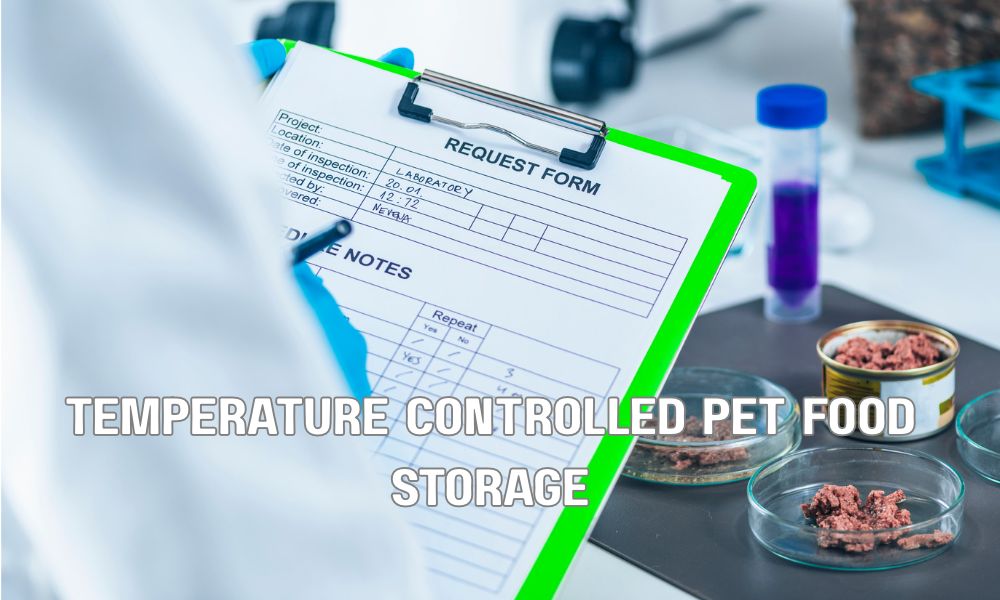
Fresh and frozen pet food products can introduce additional requirements across manufacturing, storage, transportation, and delivery. Temperature management, inventory planning, shelf-life considerations, packaging performance, and distribution reliability become essential parts of the operating model.
Leaders must be able to evaluate the entire supply chain rather than focus exclusively on manufacturing output or procurement costs. A decision that reduces production expenses may create higher transportation costs, increase spoilage risk, or negatively affect product quality further downstream.
Growth Without Compromising Product Integrity
Premium brands often build their reputations around product consistency and trust. Rapid expansion can place pressure on ingredient sourcing, production capacity, quality control, and customer service. Executives must know how to introduce scalable processes without weakening the standards that differentiate the brand.
This requires a leadership team with experience in regulated food manufacturing, quality management, supply chain operations, and commercial growth.
The Executive Roles Premium and Fresh Pet Food Brands Should Prioritize
Not every company needs to hire a complete executive leadership team immediately. The right structure depends on its revenue, manufacturing model, distribution footprint, product portfolio, ownership structure, and growth objectives. However, several leadership positions become particularly important as premium and fresh pet food brands move beyond their early growth stages.
Chief Executive Officer: Connecting Brand Vision With Scalable Growth
The CEO establishes the company’s strategic direction and ensures that its leadership team can execute against commercial and operational priorities. In a premium pet food business, this role requires more than general management experience. The executive must understand the relationship between product differentiation, consumer trust, manufacturing capabilities, and profitable growth.
An effective CEO should demonstrate the ability to:
- Develop a clear long-term growth strategy for the brand and its product portfolio.
- Balance premium positioning with pricing, profitability, and customer acquisition costs.
- Build relationships with retailers, distributors, suppliers, investors, and strategic partners.
- Establish accountability across manufacturing, finance, marketing, product development, and sales.
- Lead organizational expansion while protecting product quality and company culture.
For founder-led businesses, the leadership challenge may involve recruiting a CEO who can professionalize operations while respecting the original vision. The strongest candidates can bring structure and commercial discipline without unnecessarily changing the brand attributes that customers value.
Chief Operating Officer: Scaling Production and Fulfillment
The COO is often one of the most important hires for a growing fresh or premium pet food company. This executive oversees the operating system that turns product demand into consistent manufacturing output and reliable customer fulfillment.
Depending on the business model, the role may include manufacturing, production planning, procurement coordination, distribution, warehousing, logistics, and operational performance management.
Important capabilities include:
- Experience scaling food manufacturing operations and production capacity.
- Knowledge of process improvement, labor planning, and manufacturing efficiency.
- Understanding of temperature-controlled storage and distribution where applicable.
- Ability to improve production forecasting, inventory availability, and fulfillment reliability.
- Experience implementing operational KPIs and cross-functional accountability.
Companies should assess whether candidates have managed operations with comparable product requirements. Experience in conventional food manufacturing may be relevant, but fresh and frozen pet food businesses may require additional knowledge of cold-chain logistics and product-specific handling requirements.
Chief Supply Chain Officer or VP of Supply Chain: Protecting Sourcing and Distribution
Ingredient sourcing and supply chain reliability can significantly affect the performance of premium pet food brands. Businesses may depend on multiple suppliers for animal proteins, fruits, vegetables, grains, oils, vitamins, minerals, packaging materials, and other specialized inputs.
The supply chain leader must manage supplier relationships, procurement strategy, inventory planning, logistics, and distribution while maintaining product specifications and cost discipline.
Key areas of responsibility include:
- Building a reliable network of qualified ingredient and packaging suppliers.
- Managing supplier concentration, sourcing disruptions, and price volatility.
- Improving demand planning and inventory visibility.
- Coordinating temperature-controlled logistics for fresh and frozen products.
- Reducing waste, spoilage, and avoidable distribution expenses.
- Developing contingency plans for critical ingredients and transportation partners.
For businesses expanding across retail, direct-to-consumer, and distributor channels, supply chain leadership becomes especially important. Executives must understand how different channel requirements affect order volumes, inventory allocation, packaging, and delivery costs.
Companies looking to strengthen this function can explore VP of Supply Chain Executive Search when defining the experience required for a senior supply chain appointment.
Chief Quality Officer or VP of Quality: Protecting Safety and Consumer Trust
Product quality is central to the reputation of premium pet food brands. A quality executive must establish systems that support consistent product specifications, ingredient controls, manufacturing oversight, testing, documentation, and corrective action.
In the United States, pet food businesses must understand applicable FDA requirements, including relevant provisions of the Federal Food, Drug, and Cosmetic Act, as well as applicable animal food regulations. Facilities subject to the Preventive Controls for Animal Food rule must meet relevant requirements under 21 CFR Part 507. State requirements and other applicable obligations may also influence operations.
The quality leader should be capable of:
- Developing and maintaining appropriate food safety and quality management systems.
- Overseeing supplier qualification and ingredient specifications.
- Managing product testing, traceability, and documentation.
- Coordinating investigations, corrective actions, and product recalls when necessary.
- Supporting regulatory readiness and internal quality audits.
- Building a quality culture across manufacturing and supply chain teams.
For fresh and frozen products, the executive should also understand the quality risks associated with handling, storage, transportation, and shelf-life management. A candidate who has only managed finished-product inspections may not have the broader systems experience required to lead quality across the entire organization.
For specialized senior appointments, brands can review VP of Quality Executive Search to understand the leadership capabilities required for this function.
Chief Marketing Officer: Building a Distinctive Premium Brand
Premium pet food brands compete on more than price and product availability. Their positioning may depend on ingredient quality, nutritional philosophy, product format, sourcing practices, convenience, and the trust customers place in the company.
The CMO must translate these differentiators into a consistent brand and customer acquisition strategy. This includes developing messaging, managing marketing channels, improving customer retention, and ensuring that product claims are communicated responsibly.
Strong candidates should bring experience in:
- Consumer packaged goods or premium food brand marketing.
- Brand positioning and differentiated product storytelling.
- Direct-to-consumer acquisition and retention strategies.
- Retail marketing and omnichannel campaign planning.
- Customer segmentation, lifecycle marketing, and performance measurement.
- Marketing analytics and profitable customer growth.
Brands should be careful not to prioritize digital advertising experience alone. A senior marketing executive must understand how brand investment connects with pricing, distribution, product innovation, customer lifetime value, and overall business performance.
Chief Financial Officer: Managing Growth, Margins, and Investment
Premium and fresh pet food companies can experience significant financial complexity as they expand. Ingredient costs, manufacturing investments, packaging, cold-chain transportation, customer acquisition, inventory requirements, and retail trade spending all influence profitability.
The CFO must provide financial visibility and help leadership make informed decisions about growth. This includes evaluating product-level margins, channel economics, working capital, capital expenditure, and investment priorities.
Relevant experience may include:
- Financial leadership in food manufacturing or consumer packaged goods.
- Cost accounting and product-level profitability analysis.
- Working capital and inventory management.
- Manufacturing investment evaluation and capacity planning.
- Financial forecasting across retail and direct-to-consumer channels.
- Experience supporting fundraising, acquisitions, or private equity ownership.
The best CFO candidates understand that premium growth must be financially sustainable. They can identify where investment is needed while ensuring that expansion does not create unnecessary pressure on cash flow.
How Private Equity Ownership Changes Leadership Requirements

Private equity-backed premium and fresh pet food companies may face additional expectations around growth, profitability, operational improvement, and exit readiness. Leadership appointments must support both the company’s commercial strategy and the investment objectives of its owners.
Executives in these environments should be comfortable working with boards, investors, and operating partners. They must understand performance reporting, financial accountability, organizational scalability, and the pace of execution expected in an investment-backed business.
For example, a PE-backed pet food company may need a COO who can improve manufacturing capacity and reduce operating inefficiencies while supporting a broader distribution strategy. A CFO may need to strengthen reporting and working capital management before the business enters another phase of investment or acquisition.
These requirements make it important to assess candidates for both functional expertise and their ability to operate within a performance-driven ownership structure. Companies can learn more about this approach through Private Equity Portfolio Company Executive Search.
Measuring the Long-Term Impact of Executive Hiring
Executive hiring should be evaluated through business outcomes rather than the successful completion of the recruitment process. The right indicators will depend on the role, but premium and fresh pet food companies should connect leadership performance to measurable operational, commercial, and financial results.
- Revenue and channel growth: Expansion across retail, e-commerce, distributor, and direct-to-consumer channels.
- Gross margin performance: Improvement in product economics, sourcing efficiency, manufacturing costs, and fulfillment expenses.
- Production reliability: Greater capacity utilization, improved scheduling, and reduced operational disruption.
- Quality performance: Stronger preventive controls, traceability, supplier compliance, and corrective action processes.
- Customer retention: Improved repeat purchasing, customer satisfaction, and brand loyalty.
- Organizational effectiveness: Stronger leadership teams, clearer accountability, and improved cross-functional execution.
These indicators should be incorporated into the executive’s performance objectives and reviewed regularly. They provide a practical way to determine whether the appointment is contributing to the company’s strategic goals.
Frequently Asked Questions
What executive roles are most important for a growing fresh pet food company?
The most important roles depend on the company’s size and operating model. Many growing businesses prioritize a CEO, COO, supply chain leader, quality executive, CFO, and CMO. Companies producing fresh or frozen products may place particular emphasis on operations, food safety, and temperature-controlled distribution expertise.
Should premium pet food brands hire executives with direct pet food experience?
Direct pet food experience can be valuable, particularly in product development, quality, regulatory matters, and industry relationships. However, candidates from adjacent sectors such as premium human food, refrigerated products, frozen foods, and consumer packaged goods may also bring transferable expertise. The decision should be based on the capabilities required for the specific role.
What should companies look for in a COO for a fresh pet food business?
A COO should have experience scaling manufacturing, improving production efficiency, managing operational teams, and coordinating distribution. For fresh and frozen products, knowledge of temperature-controlled logistics, shelf-life management, inventory rotation, and fulfillment reliability can be especially important.
Why is quality leadership important in premium pet food manufacturing?
Quality leadership helps protect product safety, consistency, regulatory compliance, and consumer confidence. A qualified executive can establish appropriate supplier controls, testing processes, traceability, documentation, preventive controls, and corrective action systems across the operation.
How long does an executive search typically take?
The timeline depends on the seniority of the position, availability of qualified candidates, complexity of the mandate, and decision-making process. Specialized executive searches may require several stages of market mapping, confidential outreach, interviews, reference checks, and offer negotiations. Companies should prioritize a thorough process rather than use a fixed timeline as the primary measure of success.
How should a premium pet food company assess executive candidates?
Companies should evaluate candidates through structured interviews, relevant industry experience, measurable achievements, leadership references, and realistic business scenarios. Assessment should focus on the candidate’s ability to solve the company’s specific challenges, not simply their previous titles or employer names.
Build a Leadership Team That Can Support Your Next Stage of Growth
Premium and fresh pet food brands need executives who can translate product differentiation into sustainable business performance. Their leadership teams must balance innovation, manufacturing discipline, ingredient sourcing, quality assurance, customer experience, and financial accountability.
The right hiring strategy begins with a clear understanding of the company’s growth objectives and the capabilities required to achieve them. By defining executive mandates carefully, assessing candidates against measurable criteria, and conducting a structured search, businesses can reduce hiring risk and build leadership teams equipped for long-term success.
As the pet food industry continues to evolve, organizations that invest in experienced leadership will be better positioned to scale operations, strengthen consumer trust, and compete in an increasingly demanding market. Companies seeking specialized leadership talent can explore JRG Partners’ Pet Food & Pet Care Industry Executive Recruiters to support their executive hiring requirements.

Tanya Gallardo
Managing Director, Executive Search & AI Talent Strategy
Tanya Gallardo is the Managing Director of Executive Search & AI Talent Strategy at JRG Partners, leading C-suite and Board engagements across key growth sectors including Technology, Financial Services, and Manufacturing.
With over 18 years of experience specializing in disruptive technology leadership, Tanya is recognized as a leading authority on talent architecture for future-focused executive roles, such as the Chief AI Officer (CAIO) and Chief Digital Officer (CDO). Her expertise lies in accurately assessing the cultural fit and technical depth required to ensure a high return on investment (ROI) for critical leadership appointments.
Prior to her role at JRG Partners, Tanya held senior roles directing global talent acquisition strategies at a major publicly-traded technology firm, advising on organizational design and succession planning for emerging executive functions. She is a recognized speaker and contributor to industry events, sharing data-driven insights on executive compensation, leadership development, and the measurable business impact of C-suite talent.
