



For private equity firms, hiring the right executive for a portfolio company can significantly influence the success of an investment. A chief executive officer, chief financial officer, operating partner, or vice president of operations is expected to do more than manage an organization. These leaders must execute the investment thesis, improve operational performance, strengthen financial discipline, and help the business achieve measurable growth within a defined ownership period.
However, even an experienced executive can become a hiring risk when their leadership style, industry knowledge, operational capabilities, or decision-making approach does not match the portfolio company’s actual requirements. A candidate who delivered impressive results in a large corporation may struggle in a middle-market business with limited resources, decentralized operations, or an urgent need for transformation. Similarly, an executive who excels at stabilizing an established organization may not be the right person to lead an aggressive growth strategy.
The first 100 days provide private equity firms with an important opportunity to identify these risks, validate hiring assumptions, and establish whether a newly appointed executive can translate their experience into meaningful business outcomes. Rather than treating the appointment as the final step in executive recruitment, investment teams should view the initial months as a structured process of leadership alignment, performance assessment, and organizational integration.
De-risking a leadership hire requires preparation before the executive joins, clear expectations during onboarding, and consistent evaluation throughout the first 100 days. When these activities are connected to the investment thesis, private equity firms can improve leadership accountability, identify potential problems earlier, and create stronger conditions for portfolio company performance.
Why Leadership Hiring Risk Is Different in Private Equity Portfolio Companies
Executive hiring in private equity-backed businesses operates under different conditions from traditional corporate recruitment. Portfolio company leaders are often expected to deliver significant results within a relatively compressed investment horizon. Their responsibilities may include improving profitability, accelerating revenue growth, professionalizing management, executing acquisitions, reducing operational inefficiencies, or preparing the company for a future exit.
These expectations create a demanding environment for both the executive and the organization. A leadership appointment that appears successful during interviews may encounter difficulties once the candidate begins managing the actual business.

Several factors make these appointments particularly sensitive:
- Compressed performance timelines: Executives may be expected to demonstrate meaningful progress against investment objectives within their first few quarters.
- Limited organizational resources: Middle-market portfolio companies may not have the same management depth, technology infrastructure, or functional specialization as larger corporations.
- Changing business priorities: Acquisition activity, market conditions, operational challenges, or revised investment assumptions can alter the executive’s responsibilities.
- Investor involvement: Portfolio company leaders must work effectively with investment professionals, operating partners, board members, and other stakeholders.
- Transformation requirements: Executives may need to improve existing processes while maintaining business continuity and customer relationships.
- Leadership and cultural differences: A newly appointed executive may inherit an established management team with different expectations, capabilities, and attitudes toward organizational change.
These challenges demonstrate why a successful hiring process cannot rely exclusively on a candidate’s previous title, company reputation, or interview performance. Private equity firms must evaluate whether the executive can operate effectively within the specific business environment and deliver the outcomes required by the investment strategy.
Start De-Risking Before the Executive Accepts the Offer
The first 100 days should not be the first time an investment team evaluates whether a candidate is suitable for the portfolio company. Many leadership risks can be reduced during executive search through a more rigorous assessment of the candidate’s experience, decision-making, operating capabilities, and alignment with the investment thesis.
1. Translate the Investment Thesis Into Leadership Requirements
Before beginning an executive search, private equity firms should translate the investment thesis into a practical leadership profile. The investment thesis may identify opportunities such as revenue expansion, margin improvement, operational restructuring, geographic growth, digital transformation, or acquisition integration. Each objective requires a different combination of executive capabilities.
For example, a portfolio company pursuing rapid organic growth may require a CEO with experience building sales organizations, improving customer retention, and developing new market channels. A business facing margin pressure may need a leader with stronger operational improvement, procurement, and cost management experience.
The hiring team should distinguish between capabilities that are essential from the first day and those that can be developed after appointment. This prevents the search from becoming overly broad and helps interviewers evaluate candidates against actual business requirements.
A useful leadership requirement document should identify:
- The primary investment objectives the executive will influence.
- The most significant operational or commercial challenges facing the business.
- The financial and non-financial outcomes expected during the first year.
- The management capabilities already available within the organization.
- The executive’s decision-making authority and reporting relationships.
- The stakeholder groups the executive must influence.
This process also helps prevent a common recruitment mistake: selecting an executive based on an impressive background without determining whether that experience addresses the portfolio company’s most important problems.
2. Assess Evidence of Previous Value Creation

Private equity firms should investigate how candidates have contributed to business performance in previous roles. Instead of accepting broad statements about growth, restructuring, or operational improvement, interviewers should ask candidates to explain their specific responsibilities and the conditions under which results were achieved.
For instance, when a candidate claims to have improved profitability, the hiring team should explore the original business situation, the initiatives implemented, the candidate’s direct involvement, and the results that followed. It is equally important to understand whether those outcomes were achieved through sustainable operational improvements or temporary financial measures.
Questions should explore:
- What were the company’s most significant challenges when the candidate joined?
- Which business objectives were assigned directly to the candidate?
- What decisions did the candidate personally make?
- How did they prioritize competing initiatives?
- What measurable improvements followed their actions?
- Which initiatives did not produce the expected results, and why?
- How did the candidate work with investors, boards, or other senior stakeholders?
Where possible, validate these examples through references and other appropriate verification processes. The objective is not simply to confirm that the candidate worked for a successful company. It is to understand how much responsibility they carried for the outcomes being presented.
3. Evaluate the Candidate’s Ability to Operate at the Portfolio Company’s Scale
Experience at a large multinational organization does not automatically translate into success at a smaller private equity-backed business. Executives moving into middle-market portfolio companies may need to work with leaner teams, make decisions with incomplete information, and take direct responsibility for activities that were previously handled by specialized departments.
During the search, evaluate whether the candidate has operated successfully in organizations with comparable revenue levels, organizational complexity, ownership structures, and operational resources.
For example, a CFO accustomed to managing a large finance department may need to adapt to a portfolio company where the finance function requires substantial process improvement. A CEO from a mature corporation may need to become more involved in sales execution, hiring, customer relationships, and operational decisions.
Ask candidates to describe situations where they worked with limited resources, built new capabilities, or personally addressed operational problems. Their answers can reveal whether they are comfortable with the level of involvement required.
4. Conduct Structured Leadership and Reference Assessments
Reference checks should go beyond confirming employment dates and job titles. Private equity firms should use structured conversations to understand the candidate’s leadership behavior, ability to manage change, communication style, and response to difficult business situations.
References may include former board members, investors, direct reports, peers, or senior colleagues who can provide different perspectives on the candidate’s performance.
Questions can address:
- How did the executive respond when business performance fell below expectations?
- Could they build trust with employees and other senior leaders?
- How effectively did they communicate difficult decisions?
- Did they delegate appropriately or become overly involved in operational details?
- How did they respond to disagreement from investors or board members?
- Would you appoint them again in a comparable business environment?
Reference information should be evaluated alongside interview evidence, role requirements, and other appropriate assessments. A single negative or positive opinion should not determine the hiring decision without considering its context.
Build a Leadership Risk Assessment Before Day One
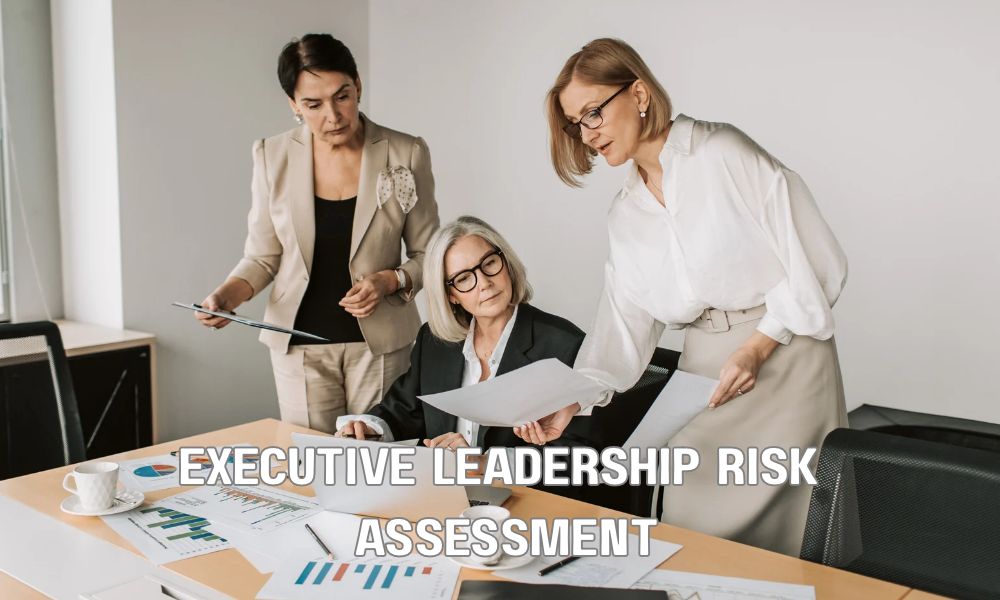
Once an executive has been selected, the private equity firm should convert the information gathered during recruitment into a practical leadership risk assessment. This document creates a baseline for evaluating the appointment and helps the incoming executive understand where the organization needs attention.
The assessment should identify both confirmed strengths and areas requiring further validation. For example, a candidate may have demonstrated strong commercial leadership but limited experience integrating acquisitions. Another may have extensive operational expertise but need support in communicating transformation plans to a large workforce.
A simple framework can include the following categories:
| Risk category | What to evaluate | Potential mitigation |
|---|---|---|
| Strategic alignment | Whether the executive understands and supports the investment thesis. | Establish written strategic priorities and agree on measurable objectives. |
| Financial management | Ability to understand financial performance, cash flow, and profitability drivers. | Provide access to financial reporting and conduct an early performance review. |
| Operational execution | Experience managing processes, resources, productivity, and organizational complexity. | Complete an operational assessment and prioritize improvement opportunities. |
| Leadership capability | Ability to manage the existing team, resolve conflicts, and build accountability. | Conduct leadership assessments and establish clear management expectations. |
| Stakeholder alignment | Ability to work with investors, board members, employees, customers, and partners. | Create a stakeholder communication and engagement plan. |
| Transformation readiness | Experience implementing change without disrupting critical business activities. | Introduce phased initiatives with clear ownership and progress reviews. |
This assessment should not become a permanent label attached to the executive. Its purpose is to identify where additional information, resources, coaching, or organizational support may be required.
The First 30 Days: Establish Business Understanding and Leadership Alignment
The first month should focus on understanding the business rather than immediately implementing major changes. Even experienced executives need time to understand the company’s operating model, financial position, organizational culture, customer relationships, and management capabilities.
Review Financial and Operational Performance
The executive should review the company’s financial and operational information to understand how the business currently performs. This includes examining revenue trends, margins, cash flow, working capital, customer concentration, operating expenses, productivity, and other indicators relevant to the investment thesis.
The objective is to understand the factors driving performance rather than relying exclusively on high-level reporting. For example, declining profitability may be connected to pricing pressure, production inefficiencies, customer mix, supplier costs, or increased service expenses.
Private equity firms should encourage the executive to validate the assumptions used during the investment process and identify any significant differences between the original assessment and current business conditions.
Conclusion: Make the First 100 Days a Leadership Risk Management Priority
Leadership appointments are among the most consequential decisions private equity firms make when managing portfolio companies. The right executive can strengthen organizational accountability, improve operational execution, support growth, and help advance the investment thesis. The wrong appointment can create delays, weaken management confidence, disrupt customer relationships, and introduce additional costs during an already demanding ownership period.
Reducing this risk requires a process that begins before the executive accepts the role and continues throughout the first 100 days. Private equity firms should define leadership requirements around the investment thesis, validate previous achievements, assess the candidate’s ability to operate at the company’s scale, and establish a structured onboarding plan.
During the first month, the executive should focus on understanding the business and aligning with stakeholders. The second month should translate that understanding into prioritized initiatives and stronger performance accountability. By the end of the first 100 days, the executive should be able to demonstrate meaningful progress, communicate the organization’s key risks, and present a credible plan for continued value creation.
Most importantly, the first 100 days should establish a foundation for a productive relationship between the executive, portfolio company, board, and investment team. When expectations are clear and progress is evaluated using consistent evidence, private equity firms are better positioned to identify leadership challenges early and support sustainable portfolio company performance.
For organizations seeking experienced executives who can lead portfolio company transformation, operational improvement, and strategic growth, JRG Partners’ Private Equity & Portfolio Company Executive Search services provide a relevant starting point for identifying leadership talent aligned with investment objectives and business priorities.
Frequently Asked Questions
Why are the first 100 days important for a private equity portfolio company executive?
The first 100 days provide an opportunity for a newly appointed executive to understand the business, build relationships with stakeholders, assess operational performance, and establish priorities. They also give the investment team an early opportunity to evaluate leadership alignment and identify potential execution risks.
How can private equity firms reduce the risk of hiring the wrong CEO?
Private equity firms can reduce CEO hiring risk by defining requirements around the investment thesis, evaluating comparable operating experience, validating previous achievements, conducting structured reference checks, and assessing the candidate’s ability to lead within the portfolio company’s specific environment.
What should a portfolio company CEO accomplish in the first 30 days?
During the first 30 days, a CEO should develop an understanding of financial and operational performance, meet key stakeholders, evaluate the management team, identify immediate business risks, and agree on initial priorities with the board and investment team.
How should private equity firms evaluate executives during the first 100 days?
Evaluation should consider strategic alignment, financial and operational understanding, execution progress, leadership effectiveness, communication, governance, and risk management. The assessment should use agreed objectives, documented observations, and relevant business performance indicators.
What role do operating partners play in executive onboarding?
Operating partners can help executives understand the investment thesis, identify operational improvement opportunities, access relevant resources, and maintain alignment with the investment team. Their involvement should support the CEO or functional leader without creating confusion over management authority.
Should a private equity firm replace an executive if early results are disappointing?
Not necessarily. Early performance should be evaluated in context, considering inherited business challenges, available resources, organizational resistance, and the time required to implement changes. However, persistent communication failures, poor judgment, lack of accountability, or a fundamental mismatch with the investment strategy may justify reconsidering the appointment.
What metrics should private equity firms track during the first 100 days?
Relevant measures may include revenue performance, operating margins, cash flow, working capital, customer retention, operational efficiency, employee retention, and progress against strategic initiatives. The specific metrics should reflect the portfolio company’s business model and the executive’s responsibilities.
How does executive search contribute to portfolio company value creation?
Executive search helps private equity firms identify leaders with the experience and capabilities required to execute their investment strategies. A structured search can improve candidate evaluation, strengthen leadership alignment, and reduce the likelihood of appointing an executive whose experience does not match the company’s needs.
When should a private equity firm begin planning an executive’s first 100 days?
Planning should begin during the executive search process. The investment team should define the business objectives, role expectations, stakeholder relationships, and initial performance priorities before the executive joins. This allows onboarding to begin with clear direction rather than requiring the new leader to establish expectations independently.

Tanya Gallardo
Managing Director, Executive Search & AI Talent Strategy
Tanya Gallardo is the Managing Director of Executive Search & AI Talent Strategy at JRG Partners, leading C-suite and Board engagements across key growth sectors including Technology, Financial Services, and Manufacturing.
With over 18 years of experience specializing in disruptive technology leadership, Tanya is recognized as a leading authority on talent architecture for future-focused executive roles, such as the Chief AI Officer (CAIO) and Chief Digital Officer (CDO). Her expertise lies in accurately assessing the cultural fit and technical depth required to ensure a high return on investment (ROI) for critical leadership appointments.
Prior to her role at JRG Partners, Tanya held senior roles directing global talent acquisition strategies at a major publicly-traded technology firm, advising on organizational design and succession planning for emerging executive functions. She is a recognized speaker and contributor to industry events, sharing data-driven insights on executive compensation, leadership development, and the measurable business impact of C-suite talent.
