


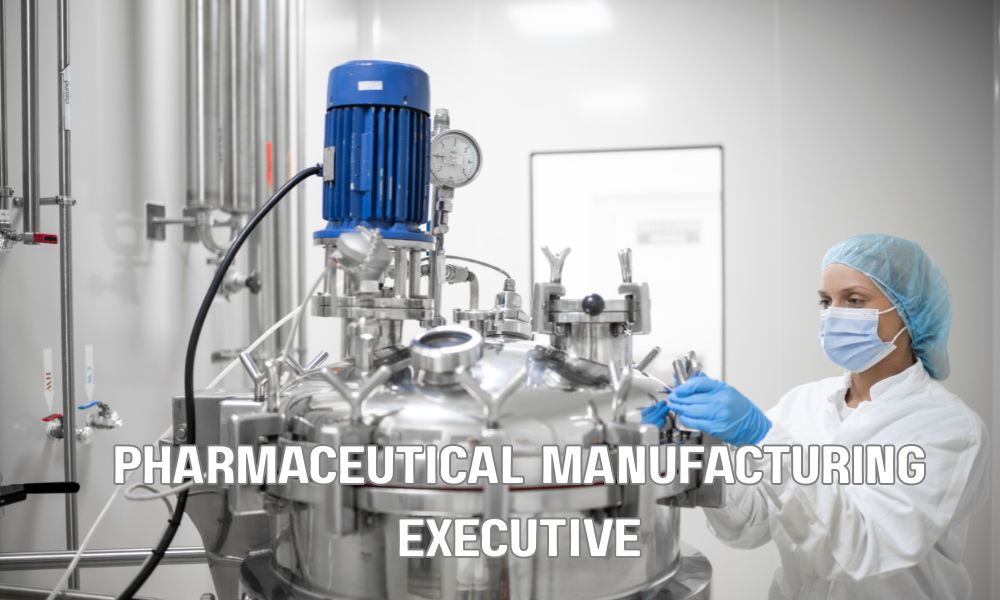
Having placed leaders into roles like this repeatedly, we wrote this to give a practitioner’s view rather than generic advice. Pharmaceutical manufacturing leadership is being reshaped by several forces at once: the growth of biologics and cell and gene therapy, continued regulatory scrutiny of data integrity and supply reliability, and pressure to modernise processes without disturbing validated operations. The manufacturing leaders companies need now look different from those they needed a decade ago, and the supply of genuinely qualified candidates has not kept pace.
Key Takeaways
- Biologics and advanced therapy manufacturing skills are in short supply.
- Data integrity expectations continue to raise the bar on quality leadership.
- Supply reliability has become a board-level concern.
- Modernisation must happen within validated-process constraints.
- Demand for genuinely qualified manufacturing leaders exceeds supply.
The Shift Toward Biologics and Advanced Therapies
As pipelines have shifted from small molecules toward biologics, cell and gene therapies, and other complex modalities, the manufacturing capabilities companies need have changed substantially. These processes involve living systems, greater variability, more complex analytics, and different facility and supply requirements. Leaders who have run small-molecule manufacturing excellently do not automatically transfer, and the pool with genuine biologics or advanced therapy manufacturing leadership experience is considerably smaller than demand. This mismatch is one of the defining features of the current pharmaceutical manufacturing talent market.
Data Integrity and Quality Expectations
Regulatory attention to data integrity has intensified, and manufacturing leaders are now expected to own systems and cultures that produce reliable, attributable, complete records rather than treating this as a quality department concern. This raises the bar on manufacturing leadership: candidates need genuine understanding of data integrity expectations, the systems that support them, and how to build a culture where accurate recording is normal rather than a compliance overlay. Companies should assess this specifically, since it is now a common area of regulatory finding and a genuine differentiator between candidates.
Supply Reliability as a Board Concern
Supply disruptions and drug shortages have pushed manufacturing reliability from an operational matter to a board-level concern, particularly for companies producing medically necessary products. Manufacturing leaders are increasingly expected to think about resilience, dual sourcing, qualified alternative suppliers, inventory strategy, and to explain supply risk to boards and regulators. This is a broader remit than traditional plant leadership, and it favours candidates who can operate strategically and communicate upward as well as run operations.
Modernising Within Validated Constraints
There is genuine pressure to adopt continuous manufacturing, advanced analytics, automation, and digital systems, but pharmaceutical manufacturing changes carry regulatory consequences that constrain how quickly anything can move. The leaders companies need can pursue modernisation while managing validation, change control, and regulatory notification requirements, rather than either stagnating or moving in ways that create compliance exposure. Assessing whether a candidate has genuinely driven change within a validated environment, rather than in an unregulated setting, is important, because the two are quite different.
What This Looks Like in Practice
A pharmaceutical company hiring manufacturing leadership assesses genuine experience with the modalities in its pipeline rather than assuming transferability from small molecules, probes data integrity understanding specifically, looks for candidates who can address supply resilience strategically and communicate it upward, and verifies experience driving change within validated environments.

The Mistake Employers Keep Making
The most common mistake is assuming that strong small-molecule manufacturing leadership transfers directly to biologics or advanced therapies. The process science, variability, analytics, and facility requirements differ substantially, and a leader without genuine experience in the relevant modality tends to underestimate the difficulty. The company mistakes pharmaceutical manufacturing experience for experience with the manufacturing it actually needs.
What Has Changed in Pharma Manufacturing Leadership
| Area | Shift |
|---|---|
| Modality | Small molecule toward biologics and advanced therapies |
| Quality expectations | Data integrity now central to manufacturing leadership |
| Supply | Reliability elevated to board-level concern |
| Technology | Modernisation within validation constraints |
| Talent supply | Demand exceeds genuinely qualified candidates |
The Bottom Line
Pharmaceutical manufacturing leadership requirements have shifted toward biologics and advanced therapy capability, data integrity ownership, supply resilience, and modernisation within validated constraints, so assess for genuine experience in your specific modality rather than assuming small-molecule leadership transfers. Get this right and the hire becomes a genuine multiplier; get it wrong and no amount of general talent compensates.
Related Reading
For more, see Building an Executive Team for a Pre-Commercial Biotech, How to Recruit a Chief Medical Officer for a Pharma Company, What Makes a Great VP of Market Access in Pharma.
Frequently Asked Questions
- Q: What is driving change in pharma manufacturing leadership?
- A: The shift toward biologics and advanced therapies, intensified data integrity expectations, supply reliability becoming a board concern, and pressure to modernise within validated constraints.
- Q: Does small-molecule experience transfer to biologics?
- A: Not automatically; biologics and advanced therapies involve living systems, greater variability, and different analytics and facility requirements, so genuine modality experience matters.
- Q: Why does data integrity affect manufacturing hiring?
- A: Because regulators now expect manufacturing leaders to own the systems and culture producing reliable records, making it a manufacturing leadership capability rather than only a quality concern.
- Q: How has supply reliability changed the role?
- A: It has broadened the remit toward resilience strategy, dual sourcing, and explaining supply risk to boards and regulators, favouring strategically capable communicators.
- Q: Why is modernisation difficult in pharma manufacturing?
- A: Because changes carry validation, change control, and regulatory notification consequences, so leaders must drive improvement within constraints that unregulated manufacturing does not face.

Tanya Gallardo
Managing Director, Executive Search & AI Talent Strategy
Tanya Gallardo is the Managing Director of Executive Search & AI Talent Strategy at JRG Partners, leading C-suite and Board engagements across key growth sectors including Technology, Financial Services, and Manufacturing.
With over 18 years of experience specializing in disruptive technology leadership, Tanya is recognized as a leading authority on talent architecture for future-focused executive roles, such as the Chief AI Officer (CAIO) and Chief Digital Officer (CDO). Her expertise lies in accurately assessing the cultural fit and technical depth required to ensure a high return on investment (ROI) for critical leadership appointments.
Prior to her role at JRG Partners, Tanya held senior roles directing global talent acquisition strategies at a major publicly-traded technology firm, advising on organizational design and succession planning for emerging executive functions. She is a recognized speaker and contributor to industry events, sharing data-driven insights on executive compensation, leadership development, and the measurable business impact of C-suite talent.
