



Drawing on the searches we run, this lays out what actually separates the candidates who get these roles from those who do not. A pharmaceutical C-suite interview tests whether you can reason across science, regulation, commercial reality, and capital simultaneously, which is a different exercise from demonstrating functional excellence. Boards and CEOs are trying to establish whether you understand how decisions in one domain constrain the others, and most candidates prepare only for questions about their own function.
Key Takeaways
- C-suite interviews test integration across domains, not functional depth.
- Understand the company’s pipeline, patent position, and capital situation.
- Prepare decisions where you traded one domain against another.
- Expect questions about programme failures and how you responded.
- Ask questions that reveal you think like an owner.
They Are Testing Integration
At functional level, interviews test whether you are excellent at your discipline. At C-suite level, they test whether you understand how development timelines affect capital needs, how regulatory strategy constrains commercial plans, how evidence decisions determine reimbursement, and how all of it affects what the company is worth. Preparing only to discuss your own function leaves you flat on exactly the questions that matter. The preparation that pays is thinking through how your past decisions involved tradeoffs across these domains, and being able to reason about them aloud.
Do the Company Homework Properly
Before a pharmaceutical C-suite interview, you should know the pipeline and where each asset sits, the patent position and exclusivity horizon on key products, the cash position and burn if it is a smaller company, the recent regulatory history, and who the competitors and likely threats are. Most of this is publicly available for public companies and much of it for private ones. Arriving without it signals that you have not treated the opportunity seriously, and arriving with it lets you ask questions that demonstrate you are already thinking about the business rather than the role.
Prepare Tradeoff Decisions and Failures
The most useful preparation is several decisions where you had to trade one domain against another: accepting a slower regulatory path for a stronger commercial position, investing in evidence that delayed a launch, stopping a programme with sunk cost, choosing between markets with different access dynamics. Include failures, since pharmaceutical careers contain them and interviewers know it. A candidate who describes only successes reads as either inexperienced or unwilling to be candid, and both are disqualifying at this level.
Ask Like an Owner
The questions you ask are weighed heavily in C-suite interviews. Questions about reporting lines, team size, or process are read as candidate questions; questions about the assumptions behind the pipeline valuation, how the board views the exclusivity horizon, where the biggest execution risk sits, or what would have to be true for the strategy to work are read as owner questions. Prepare several of these genuinely, not as a technique, since interviewers can tell the difference and the conversation they produce is usually the most valuable part of the interview.
What This Looks Like in Practice
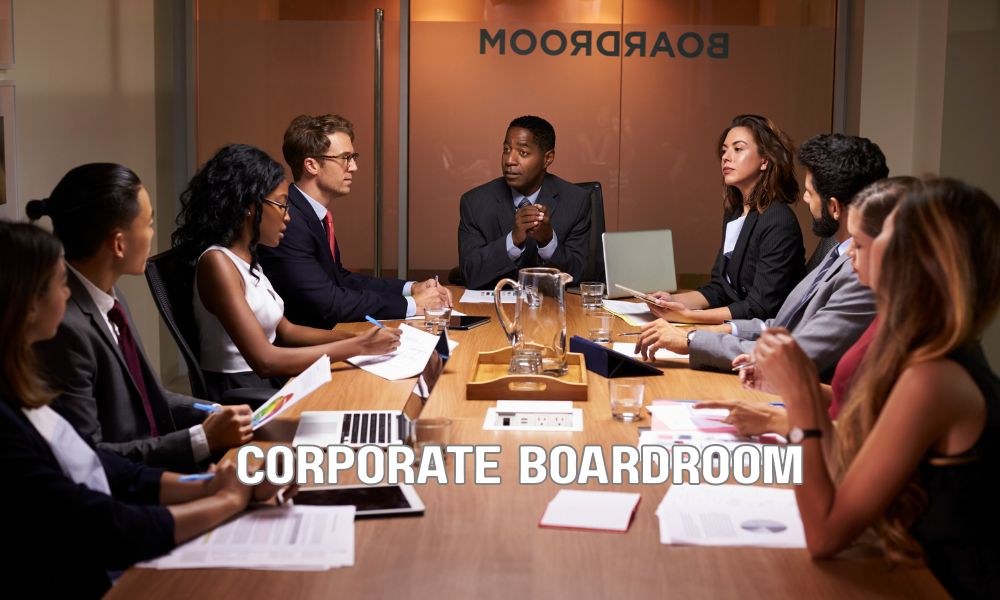
A candidate preparing for a pharmaceutical C-suite interview researches the pipeline, patent horizon, capital position, and competitive threats thoroughly, prepares several decisions involving tradeoffs across scientific, regulatory, commercial, and financial domains including failures, and develops genuine questions about strategy, risk, and assumptions rather than about the role.
The Mistake Candidates Keep Making
The most common mistake is preparing as a functional expert, rehearsing depth in your own discipline while treating adjacent domains as someone else’s territory. C-suite interviewers are specifically testing whether you can integrate, so a candidate who defers on regulatory or commercial questions confirms they are a functional leader rather than an executive, however strong their own area.
Functional vs C-Suite Interview Preparation
| Functional Level | C-Suite Level |
|---|---|
| Depth in your discipline | Integration across domains |
| Your team’s results | Company-level tradeoffs you made |
| Process and methodology | Judgment under uncertainty |
| Questions about the role | Questions about strategy and risk |
| Successes | Successes and instructive failures |
The Bottom Line
Pharmaceutical C-suite interviews test whether you can reason across science, regulation, commerce, and capital together, so prepare tradeoff decisions rather than functional achievements, research the pipeline and patent and capital position properly, and bring questions an owner would ask. Do the substantive work rather than the cosmetic version of it, and the opportunities tend to follow.
Related Reading
For more, see What Pharma Recruiters Wish Candidates Knew, Transitioning from Big Pharma to Biotech Leadership, How to Negotiate Equity in a Biotech Executive Offer.
Frequently Asked Questions
- Q: What do pharma C-suite interviews test?
- A: Whether you can reason across scientific, regulatory, commercial, and financial domains together, understanding how decisions in one constrain the others.
- Q: What company research should I do?
- A: Pipeline and asset stages, patent position and exclusivity horizon, cash position and burn for smaller companies, recent regulatory history, and competitive threats.
- Q: What decisions should I prepare?
- A: Several where you traded one domain against another, a slower regulatory path for commercial strength, evidence investment that delayed launch, or stopping a programme with sunk cost.
- Q: Should I discuss failures?
- A: Yes; pharmaceutical careers contain them and interviewers know it, so presenting only successes reads as inexperienced or evasive at C-suite level.
- Q: What questions should I ask?
- A: Ones an owner would ask, about pipeline valuation assumptions, the board’s view of the exclusivity horizon, where execution risk concentrates, and what must be true for the strategy to work.

Tanya Gallardo
Managing Director, Executive Search & AI Talent Strategy
Tanya Gallardo is the Managing Director of Executive Search & AI Talent Strategy at JRG Partners, leading C-suite and Board engagements across key growth sectors including Technology, Financial Services, and Manufacturing.
With over 18 years of experience specializing in disruptive technology leadership, Tanya is recognized as a leading authority on talent architecture for future-focused executive roles, such as the Chief AI Officer (CAIO) and Chief Digital Officer (CDO). Her expertise lies in accurately assessing the cultural fit and technical depth required to ensure a high return on investment (ROI) for critical leadership appointments.
Prior to her role at JRG Partners, Tanya held senior roles directing global talent acquisition strategies at a major publicly-traded technology firm, advising on organizational design and succession planning for emerging executive functions. She is a recognized speaker and contributor to industry events, sharing data-driven insights on executive compensation, leadership development, and the measurable business impact of C-suite talent.
