



Introduction: A New CIO, Same Old Systems It’s a familiar story in enterprise IT. A newly hired Chief Information Officer arrives with a clear mandate: modernize outdated systems, drive efficiency, and enable innovation. But despite strong technical credentials and a well-documented roadmap, buy-in from other C-level stakeholders remains elusive . Progress stalls, transformation slows, and frustrations mount.
Category Archives: Executive Search Challenges
Executive Search Challenges
Our Fortune 500 Company Is Perceived as Too Slow and Bureaucratic by Top Innovator Talent

25
Jul
Jul
Introduction: When Prestige Isn’t Enough Despite strong balance sheets, global recognition, and massive resources, many Fortune 500 companies find themselves unable to attract the most sought-after executive talent—especially those known for innovation, agility, and disruption. A growing perception among top innovators that these legacy giants are too slow, hierarchical, and bureaucratic to support meaningful change.
Executive Search Challenges
Balancing the Need for an External Disruptor vs an Internal Cultural Successor

25
Jul
Jul
Introduction: The Leadership Crossroads When it comes to C-suite succession planning, companies often face a tough choice: bring in an external disruptor with a fresh perspective and bold vision—or promote an internal cultural successor who knows the business intimately and embodies its values. Both options come with strategic benefits and inherent risks.
Executive Search Challenges
Why Our Digital Transformation Initiative Failed Due to Hiring the Wrong Leader

25
Jul
Jul
Introduction: When Vision Meets the Wrong Leadership Digital transformation is one of the most ambitious—and risky—initiatives any company can undertake. Yet, despite bold investments and cutting-edge technology, many transformation efforts fall flat. In our case, the turning point wasn’t a lack of budget, talent, or tools—it was a leadership misfire.
Executive Search Challenges
Our ‘Change Agent’ C-Level Hire Is Being Rejected by the Company’s Immune System

25
Jul
Jul
Introduction: The Irony of Change Companies hire C-level “change agents” with bold visions and transformation roadmaps—but all too often, those very leaders are subtly (or overtly) rejected by the organization’s cultural immune system. Promoted as saviors of innovation, they quickly become targets of friction, resistance, or isolation. At , we’ve seen this pattern unfold repeatedly.
Executive Search Challenges
The Challenges of Onboarding a New Chief Financial Officer for a Distributed Global Team

25
Jul
Jul
Introduction: A New Era for CFO Leadership As finance organizations become more globally distributed and remote-first, companies are facing new complexities when onboarding senior finance leaders—especially Chief Financial Officers. While the role of CFO remains rooted in financial rigor and strategic influence, the environment in which today’s CFOs operate has fundamentally changed.
Executive Search Challenges
We Hired a C-Level Executive Remotely and They’re a Poor Cultural Fit In Person

25
Jul
Jul
Introduction: When Remote Impressions Don’t Match In-Person Reality The rise of remote hiring during the pandemic normalized Zoom-based leadership searches. And while this shift unlocked new global talent pools, it also introduced new risks—particularly around cultural fit. At , we’ve helped organizations navigate the fallout of these mismatches—and more importantly, build better processes to avoid them.
Executive Search Challenges
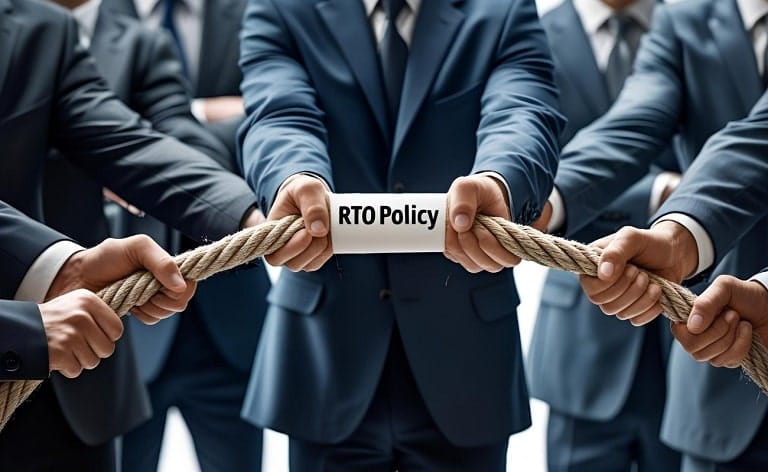
Our Leadership Team Is Divided on the Return-to-Office Policy for Executives
25
Jul
Jul
Introduction: A Silent Standoff in the C-Suite In the wake of a post-pandemic world, the debate over remote, hybrid, and in-office work has shifted from employees to the executive suite. Many companies now face a quiet but significant challenge: navigating executive disagreements on RTO policy .
Executive Search Challenges, CEO Recruitment
How to Assess a CEO’s Ability to Build and Lead a Fully Remote Culture

25
Jul
Jul
Introduction: The Rise—and Risk—of the Remote CEO As the modern workforce embraces remote-first models, the stakes for selecting the right CEO have never been higher. Hiring a CEO for a distributed team environment isn’t just about strategic vision or operational experience—it’s about their ability to build, lead, and inspire a high-performance culture without walls.
Executive Search Challenges
Our Equity Offers Are Seen as Non-Competitive by Senior Tech Executive Candidates

25
Jul
Jul
Introduction: When the Equity Conversation Derails Late in the Process You’ve spent weeks aligning stakeholders, screening resumes, and running interviews. Finally, a senior tech executive makes it through the final round—everyone’s excited. The CTO candidate is technically excellent, culturally aligned, and has built teams at scale. Then comes the offer discussion—and momentum crumbles. The candidate hesitates.