



Introduction: The Leadership Crossroads
When it comes to C-suite succession planning, companies often face a tough choice: bring in an external disruptor with a fresh perspective and bold vision—or promote an internal cultural successor who knows the business intimately and embodies its values. Both options come with strategic benefits and inherent risks. Striking the right balance isn’t just about picking a leader; it’s about shaping the future of the organization.
At JRG Partners, we’ve helped clients across industries navigate this tension. Here’s how companies can think more clearly and act more deliberately when evaluating the trade-offs between hiring an external disruptor vs internal successor.
Pro Tip: This strategic dilemma is a common challenge we help boards navigate through our executive search and advisory services.
1. External Disruptors: Fuel for Innovation—But Not Without Friction
External leaders are often brought in during times of transformation—whether to revamp digital infrastructure, accelerate growth, or reinvent a stagnating brand. These disruptors tend to question legacy thinking, introduce new processes, and bring outside-market perspective.
However, integrating external change agents into leadership teams is rarely seamless. Without intentional onboarding and cultural alignment, disruptors may be rejected by the very systems they’re meant to change. Resistance from legacy leaders, political undercurrents, and misaligned expectations can quickly stall progress.
2. Internal Successors: Stability with Cultural Continuity—But at What Cost?
Internal successors come with deep institutional knowledge, trusted relationships, and a proven commitment to the company’s mission. Promoting from within can be highly motivating for the broader team and minimizes transition risk.
Yet, internal candidates may be less equipped to lead bold shifts in strategy, especially if they were shaped by the very systems now in need of change. Succession plans that prioritize loyalty over evolution may unintentionally reinforce the status quo.
The key is ensuring your C-suite executive succession planning for innovation doesn’t stop at familiarity. Internal successors must demonstrate vision, adaptability, and the appetite to grow beyond their historical comfort zones.
3. The Culture Factor: What the Business Will Tolerate and Support
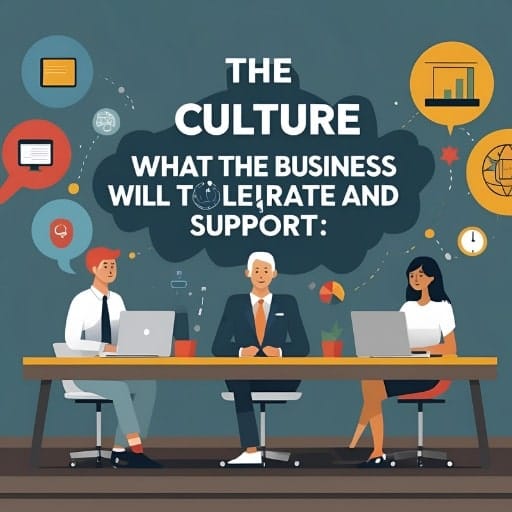
Regardless of direction, assessing cultural alignment in executive hiring decisions is critical. An internal successor who is respected but lacks transformational vision can be just as problematic as an external disruptor who alienates key stakeholders.
Companies must be honest about their readiness for disruption. Is the organization truly prepared to empower a new voice? Can current leadership embrace change from within, or is there a need to shake up entrenched ways of thinking?
The best executive hires—whether internal or external—are those who align with the culture while also pushing it forward.
4. Build from Within, but Don’t Be Afraid to Reach Out
To future-proof the organization, businesses should invest consistently in leadership development for future C-suite roles. This creates a strong bench of internal talent ready to lead—and provides a counterweight to the reflexive lure of hiring from outside.
That said, companies shouldn’t be afraid to go external when the internal pipeline lacks the skillsets or perspective needed for a strategic leap forward. The real power lies in choosing with intention, not defaulting to comfort or fear.
5. How to Decide: Framework for Balanced Executive Hiring
When faced with the disruptor vs. successor dilemma, use this decision-making lens:
| Criteria | Internal Cultural Successor | External Disruptor |
|---|---|---|
| Change Readiness | Ideal for steady-state or incremental change | Best for major transformation or turnaround |
| Cultural Sensitivity | High cultural alignment; deep relational capital | Needs support to integrate into culture |
| Risk Appetite | Low-risk transition; low external market surprise | Higher risk but potentially higher reward |
| Innovation Mandate | May lack urgency for bold moves | Often brings disruptive new thinking |
| Time to Impact | Faster ramp-up due to internal knowledge | May take longer to build trust and momentum |
This strategic dilemma is the first question to answer before you even begin to create the profile for a C-Level role that has never existed in your company before.
Conclusion: It’s Not Either/Or—It’s Strategic Alignment
Ultimately, the decision between an internal cultural successor and an external disruptor isn’t binary. It’s a question of what the company needs most at this moment, and who is best positioned to deliver it—with cultural resonance and strategic force.
At JRG Partners, we believe that transformative leadership requires both vision and fit. Whether you’re cultivating the next generation from within or searching the market for breakthrough talent, the goal remains the same: sustainable leadership that moves your company forward.
Let us help you build the balanced leadership pipeline your future depends on. Contact JRG Partners today!

Tanya Gallardo
Managing Director, Executive Search & AI Talent Strategy
Tanya Gallardo is the Managing Director of Executive Search & AI Talent Strategy at JRG Partners, leading C-suite and Board engagements across key growth sectors including Technology, Financial Services, and Manufacturing.
With over 18 years of experience specializing in disruptive technology leadership, Tanya is recognized as a leading authority on talent architecture for future-focused executive roles, such as the Chief AI Officer (CAIO) and Chief Digital Officer (CDO). Her expertise lies in accurately assessing the cultural fit and technical depth required to ensure a high return on investment (ROI) for critical leadership appointments.
Prior to her role at JRG Partners, Tanya held senior roles directing global talent acquisition strategies at a major publicly-traded technology firm, advising on organizational design and succession planning for emerging executive functions. She is a recognized speaker and contributor to industry events, sharing data-driven insights on executive compensation, leadership development, and the measurable business impact of C-suite talent.
