


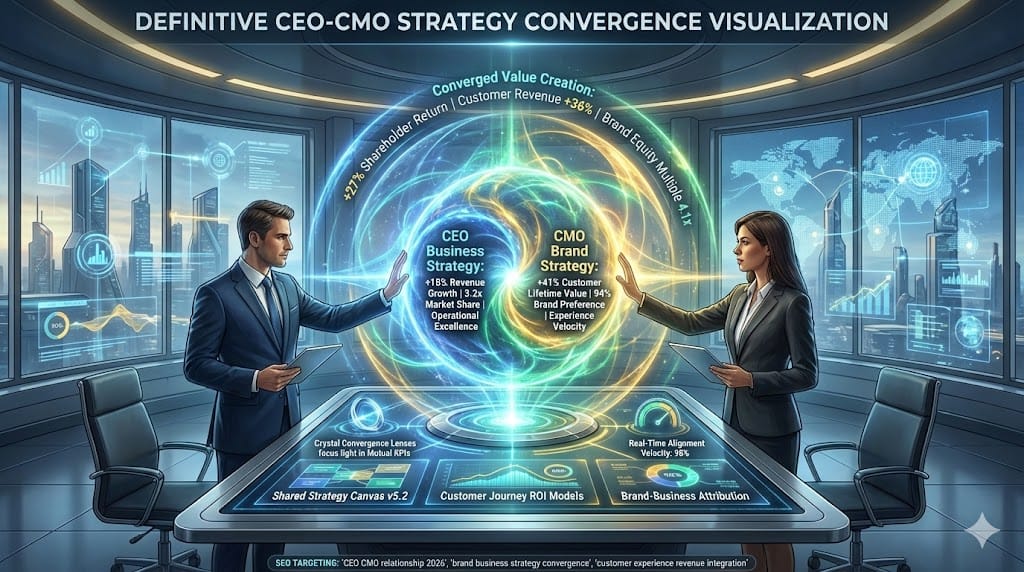
At , we observe a fundamental and irreversible transformation within the C-suite, particularly concerning the dynamic between the Chief Executive Officer (CEO) and the Chief Marketing Officer (CMO). This isn’t merely an evolution of functional roles; it represents a strategic imperative for unified leadership that directly impacts valuation and market longevity.
Category Archives: executive recruiting
executive recruiting, Executive Search Challenges, For Employers
Hiring Leaders Who Prioritize Employee Engagement and Culture

24
Feb
Feb
In the fiercely competitive US talent landscape, the traditional focus of executive search—predominantly on technical acumen and P&L management—is no longer sufficient. A paradigm shift is underway, compelling boards and executive leadership to recognize that organizational culture and robust workforce commitment are not peripheral HR concerns but fundamental strategic assets.
executive recruiting, Executive Search Challenges, For Employers
The Importance of the CHRO and CFO Partnership for Total Rewards Strategy

24
Feb
Feb
In the evolving landscape of US corporate governance and talent competition, the alignment between Chief Human Resources Officers (CHROs) and Chief Financial Officers (CFOs) has transcended mere operational necessity to become a critical determinant of sustained organizational success. Addressing the core question, What business outcomes require CHRO-CFO total rewards alignment?
executive recruiting, Executive Search Challenges, For Employers, PE Recruitment Challenges
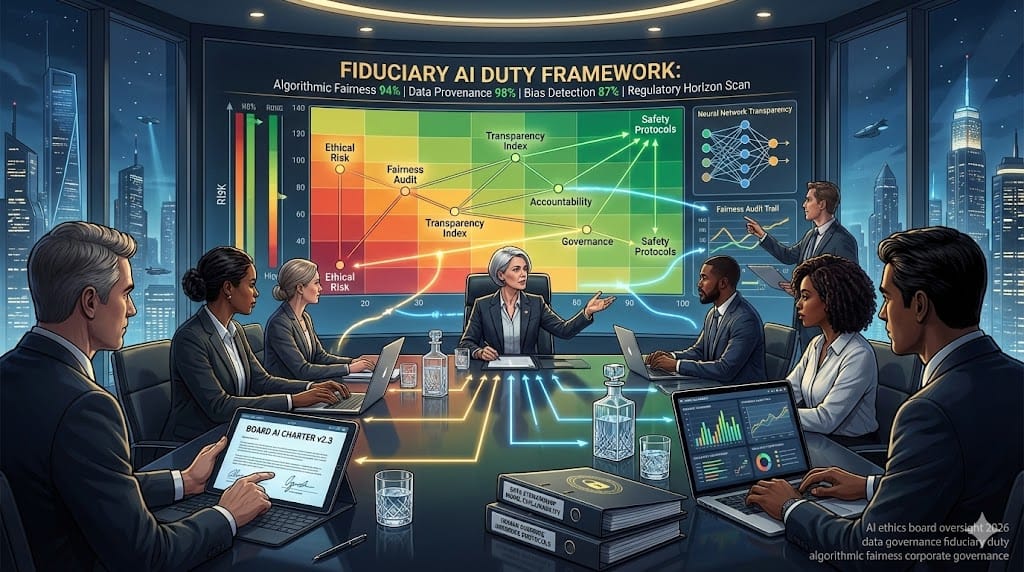
The New Fiduciary Duty: Board Oversight of AI Ethics and Data Governance
24
Feb
Feb
As the strategic landscape for US enterprises undergoes an unprecedented transformation, the judicious stewardship of artificial intelligence and its underlying data has evolved from a technical concern into a cornerstone of corporate governance. Instead, they represent a critical strategic and fiduciary concern demanding robust board-level supervision.
executive recruiting, Executive Search Challenges, For Employers, PE Recruitment Challenges
Developing a Growth Mindset in Executive Leadership: A Hiring Priority

24
Feb
Feb
In today’s profoundly volatile, uncertain, complex, and ambiguous (VUCA) global environment, the imperative for US corporations to cultivate executive leadership endowed with a genuine growth mindset has never been more pronounced. This is not merely an aspirational attribute but a fundamental strategic advantage, pivotal for navigating unprecedented geopolitical shifts, rapid technological disruption, and intense competitive pressures.
executive recruiting, Executive Search Challenges, For Employers, PE Recruitment Challenges
The Art of Cross-Functional Leadership: Breaking Down Silos in the C-Suite

24
Feb
Feb
In an increasingly complex global economy, the efficacy of an organization’s senior leadership directly correlates with its agility and capacity for innovation. , a premier US-based executive search firm, consistently observes that the most resilient and high-performing enterprises differentiate themselves through the collective ability of their executive committee to operate beyond traditional departmental confines.
executive recruiting, Executive Search Challenges, For Employers, PE Recruitment Challenges
Recruiting Independent Directors with Technology and Cybersecurity Expertise

24
Feb
Feb
This confidential advisory from ‘ Research & Leadership Advisory division underscores a critical evolution in corporate governance: the urgent necessity of integrating robust technology and cybersecurity expertise at the most senior levels. The traditional board composition, while invaluable for financial and operational oversight, often lacks the specialized acumen required to navigate the complexities of today’s digital threats and opportunities.
executive recruiting, Executive Search Challenges, For Employers
Board Governance in the Age of Digital Disruption: A Refresher for Directors

23
Feb
Feb
The relentless acceleration of technological advancement, coupled with dynamic geopolitical shifts, presents an unprecedented inflection point for corporate stewardship. Our extensive research at indicates a profound and urgent need for governing bodies to proactively address the multifaceted implications of digital evolution.
Blog section for Employers and Job Seekers, CEO Recruitment, COO Executive Recruiting, executive recruiting, For Employers, Search
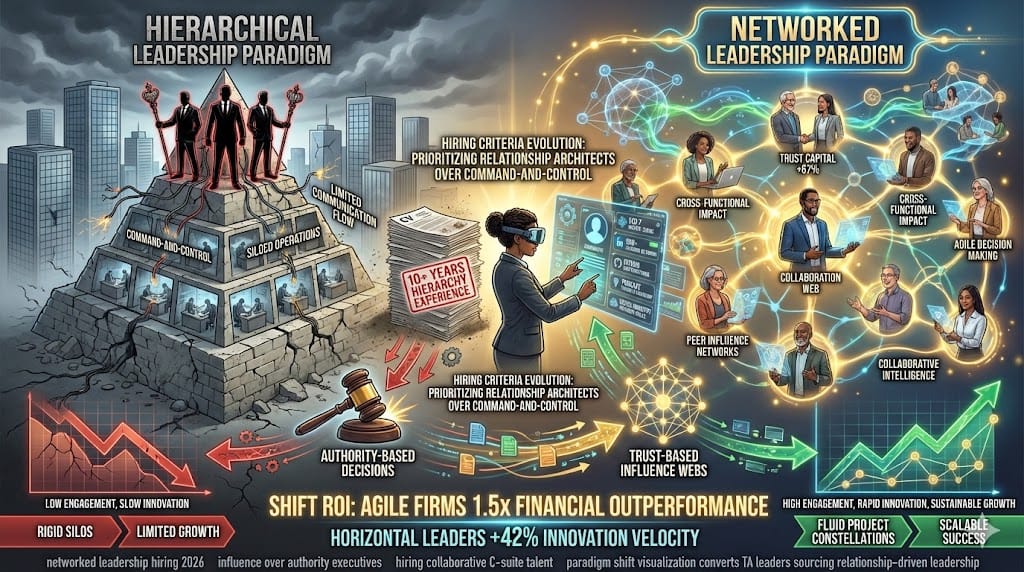
From Hierarchical to Networked Leadership: Hiring for Influence Over Authority
23
Feb
Feb
From Hierarchical to Networked Leadership: Hiring for Influence Over Authority As the Global Head of Research & Leadership Advisory at , I present this critical analysis on the evolving landscape of executive talent. The fundamental shift from traditional hierarchical command structures to agile, influence-driven leadership models is undeniable. Boards must consider: What defines networked leadership versus traditional authority?
executive recruiting, Executive Search Challenges, For Employers
The Shift to Critical Thinking: Hiring Leaders Who Challenge AI Outputs

23
Feb
Feb
As the Global Head of Research & Leadership Advisory for , a premier US-based executive search firm, I present this critical analysis on an evolving leadership paradigm. In an increasingly AI-driven global landscape, the capability for hiring leaders who challenge AI outputs is no longer merely advantageous; it is a fundamental pillar for strategic resilience and maintaining competitive advantage.