



When a C-suite hire fails in a private equity portfolio company, the consequences ripple far beyond an awkward exit or a bruised ego. The fallout often impacts valuation timelines, stalls operational improvements, disrupts M&A integration, and can even erode trust between the PE firm and the leadership team.
Author Archives: JRG Partners Editorial Staff
Executive Search Challenges
How to Manage Conflict Between a New Executive and the Existing Leadership Team

24
Jul
Jul
Introduction: When Leadership Collides You’ve just brought in a high-impact C-level hire with a bold vision and proven track record. But instead of driving innovation, they’re clashing with your existing leadership team. Tensions are rising, decisions are stalling, and cultural harmony is fraying. These dynamics are more common than companies expect.
Executive Search Challenges
Why Our New Chief Product Officer Failed to Deliver in Their First 90 Days

24
Jul
Jul
Introduction: The Illusion of Simplicity in Executive Integration You hired a standout Chief Product Officer—someone whose resume impressed, references validated, and vision energized your board. But 90 days in, deliverables are behind schedule, team alignment is missing, and your strategic objectives haven’t materialized. Executive hiring isn’t just about finding a leader—it’s about integrating them.
Executive Search Challenges
Our Newly Hired C-Level Executive Is a Poor Culture Fit — What Went Wrong?

24
Jul
Jul
Introduction: The Illusion of Precision in Executive Hiring On the surface, hiring a C-level executive feels straightforward: define the role, vet backgrounds, assess competencies, and extend the offer. But when the stakes are high—when you’re bringing someone into the core leadership team— misjudging culture fit can undermine even the most thorough search.
Executive Search Challenges
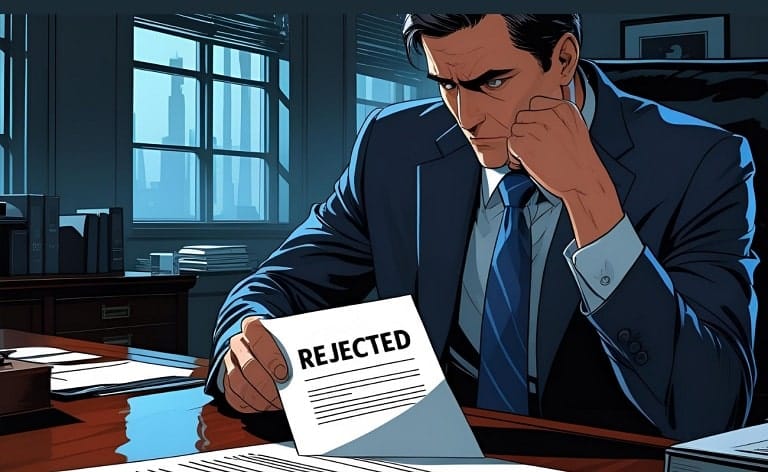
The Compensation We Offered Our Lead Candidate Was Rejected as Non-Competitive
24
Jul
Jul
Introduction: The Wake-Up Call of a Rejected Offer Your hiring team did the research, ran the interviews, chose the ideal C-level candidate—and extended what seemed like a solid offer. Then came the shocker: “Thank you, but the compensation package doesn’t meet my expectations.” When the compensation we offered our lead candidate was rejected as non-competitive , it isn’t just about.

24
Jul
Jul
Introduction: A Delay at the Top Can Cost You at the Top You’ve identified the ideal C-suite candidate. The interviews went smoothly. The offer has been drafted. But now, everything is stuck—waiting on board approval. In today’s hyper-competitive executive talent market, delays aren’t just inconvenient—they’re costly.

24
Jul
Jul
Introduction: The Disappearing Act at the Finish Line There’s nothing more frustrating for hiring teams than reaching the final interview stage—only to have your top executive candidates vanish without a trace. You’ve invested weeks, carried stakeholders through the process, and then, silence.

24
Jul
Jul
Introduction: When the Offer Isn’t Just About the Salary Hiring a proven Chief Technology Officer (CTO) is one of the most strategic moves a company can make—especially in today’s innovation-driven economy. But for elite technology leaders, the negotiation table doesn’t revolve around base salary alone. Equity, long-term incentives, and nuanced compensation structures are what make or break the deal.
Executive Search Challenges, CEO Recruitment
Our Top CEO Candidate Accepted a Counteroffer at the Last Minute

24
Jul
Jul
Introduction: The Gut-Punch of a Last-Minute Counteroffer You’ve spent weeks, maybe months, conducting a thorough CEO search. You’ve interviewed high-level candidates, vetted references, secured board buy-in—and finally, your top-choice CEO verbally accepts the offer. Then comes the gut punch: “After careful consideration, I’ve decided to stay with my current company.” They’ve accepted a counteroffer—at the last minute.

23
Jul
Jul
Introduction: The Cost of Being Second in Executive Hiring In today’s hyper-competitive business environment, securing top-tier leadership talent has become a race against time. For many organizations, the frustration is all too familiar: “We keep losing top executive candidates to faster-moving competitors.” When companies move too slowly, the consequences are immediate and costly—lost momentum, strategic gaps, and missed opportunities.