


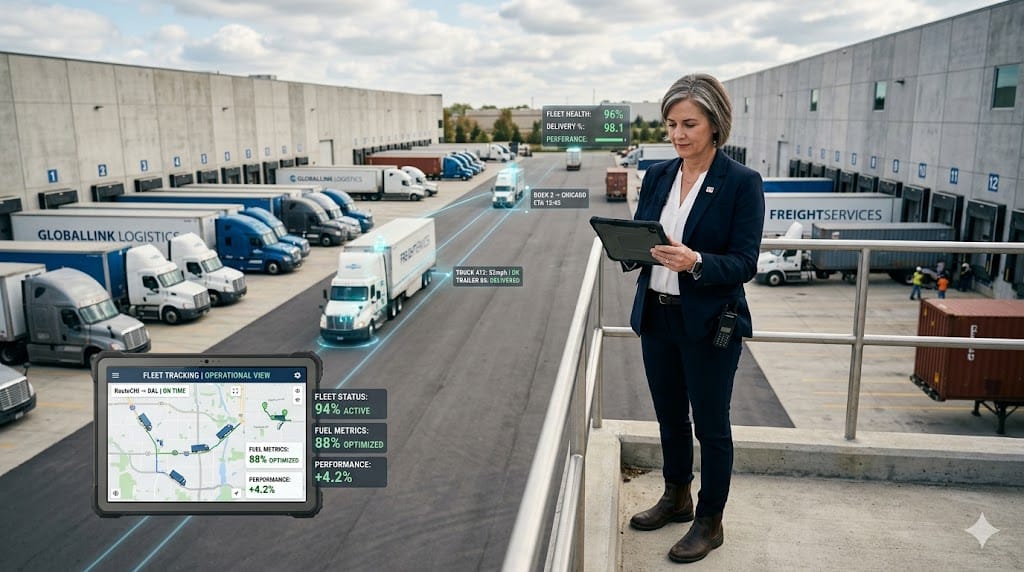
In an era defined by persistent volatility and unprecedented complexity across global commerce, the role of the Vice President of Transportation and Fleet has undergone a profound transformation. No longer a purely operational function, this executive leadership position is now a pivotal strategic enabler, directly impacting an enterprise’s market competitiveness and fiduciary duty to its stakeholders.
Boards and CEOs must deeply understand what differentiates a high-impact VP of Transportation and Fleet from a traditional transport manager? At JRG Partners, we have observed a paradigm shift, recognizing this as a critical supply chain hire demanding a holistic, integrated executive perspective. Our executive search mandates for this pivotal function have seen a 25% increase year-over-year, reflecting this market shift and the pressing need for top-tier talent in the United States.
The Paradigm Shift: From Operational to Strategic Imperative
The contemporary global supply chain landscape is a crucible of challenges, compelling enterprises to rethink their entire operational architecture. The US market, in particular, faces unique dynamics that elevate the importance of superior transportation management and fleet optimization.
The Evolving Landscape of Global Supply Chains
- Persistent Disruptions: Post-pandemic realities continue to manifest as chronic port congestions, intermodal network strain, and labor shortages, particularly impacting truckload capacity across North America.
- Geopolitical Volatility: International conflicts, trade wars, and sanctions exert direct pressure on freight routes, shipping costs, and equipment availability, necessitating agile network design and proactive risk mitigation for US-centric operations.
- E-commerce Surge: The unrelenting growth of digital commerce fuels demand for faster, more flexible last-mile and middle-mile delivery solutions, placing immense pressure on distribution networks and fleet utilization.
- Inflationary Pressures: Escalating fuel prices, driver wages, equipment acquisition costs, and maintenance expenses directly impact transportation budgets, demanding sophisticated cost management strategies.
- Consumer Expectations: Modern consumers expect transparency, speed, and demonstrable sustainable delivery options, making logistics a front-line for brand reputation and customer satisfaction.
Why the VP of Transportation and Fleet Is Now Mission-Critical
This executive is no longer merely managing logistics; they are architecting resilience and competitive advantage. The ability of an organization to move goods efficiently and reliably is a direct reflection of its strategic prowess.
- Strategic Enabler: Elevating transportation from a cost center to a critical competitive differentiator, impacting market reach and speed-to-market.
- Resilience Architect: Building robust, agile transportation networks engineered to withstand and recover from unforeseen disruptions, safeguarding business continuity.
- Customer Experience Guardian: Ensuring timely, transparent, and efficient delivery directly impacts customer satisfaction and brand loyalty, a non-negotiable in today’s competitive landscape.
- Financial Steward: Directly influencing a significant portion of operational expenditure. Research indicates that transportation costs can represent 5-15% of a company’s revenue, depending on the industry, underscoring the role’s profound financial impact.
- Cross-Functional Integrator: Bridging critical gaps between procurement, operations, sales, IT, and finance to achieve enterprise-wide supply chain harmonization.
- Supply Chain Agility: The executive capacity to pivot quickly in response to market changes, regulatory shifts, or unforeseen events is paramount for sustained competitive advantage.
Core Mandate: Cost, Service, and Risk in Transportation
The foundational pillars of this executive role revolve around a tripartite objective: optimizing cost structures, delivering service excellence, and fortifying risk management frameworks. This addresses the question of **how does this role directly influence end-to-end supply chain cost and customer service levels?

- Cost Optimization Strategies: Implement sophisticated fuel efficiency programs, deploy hedging strategies, utilize advanced route optimization, maximize backhaul opportunities, and expertly negotiate favorable rates with carriers and 3PLs. Proactive minimization of demurrage, detention, and accessorial charges is essential for fiscal discipline.
- Service Excellence Frameworks: Define and rigorously meet stringent Service Level Agreements (SLAs), improve on-time delivery (OTD) and in-full (OTIF) metrics, enhance real-time communication and updates for customers, and manage returns and reverse logistics with precision.
- Robust Risk Management: Diversify the carrier base to mitigate single points of failure, develop comprehensive contingency plans for natural disasters or labor disruptions, implement stringent cybersecurity protocols for sensitive transportation data, enforce cargo security measures to prevent theft, and ensure seamless compliance with complex US trade and customs regulations.
Architecting a Resilient Fleet & Transportation Network
Strategic decisions regarding fleet composition, technological adoption, and adherence to evolving standards are central to building a future-proof transportation capability.
Fleet Strategy: Own, Lease, or Outsource Mix
A critical strategic determination for the VP of Transportation and Fleet is the optimal blend of fleet ownership models. The answer to when should companies own fleet assets versus relying on leased or outsourced capacity? depends on a complex interplay of capital allocation, operational control, and market dynamics.
| Model | Pros | Cons | Strategic Considerations |
|---|---|---|---|
| Owned Fleet | Greater control, brand visibility, specialized equipment, long-term asset value. | High capital expenditure, maintenance burden, depreciation risk, scalability challenges. | Best for core competencies, brand consistency, and stable, high-density lanes. |
| Leased Fleet | Reduced upfront capital, predictable costs (often includes maintenance), flexibility for upgrades. | Less control over specifications, potential higher long-term cost, contractual limitations. | Ideal for mitigating depreciation risk, managing capital intensity, and scaling rapidly. |
| Outsourcing (3PLs, Brokers, Carriers) | Scalability, access to specialized expertise, reduced overhead, market intelligence. | Less direct control, potential service inconsistencies, reliance on external partners. | Leveraged for fluctuating demand, specialized services, and extended geographic reach. |
Successful executives employ hybrid models and dynamic optimization, utilizing a blend of strategies based on lane density, demand volatility, and geographic reach, all informed by a rigorous analysis of total cost of ownership (TCO) across options.
Technology Stack: TMS, Telematics, and Real-Time Visibility
For modern US transportation and fleet organizations to run optimally, leveraging advanced technology is non-negotiable. Which technologies are essential for a modern transportation and fleet organization to run optimally?
- Transportation Management Systems (TMS): Core functionality includes intelligent route planning, load optimization, freight tendering, and automated audit and payment processes. Seamless integration with ERP, WMS, and CRM systems is paramount, providing robust analytics for performance and cost control.
- Telematics and IoT Devices: Essential for GPS tracking, fuel monitoring, engine diagnostics, and driver behavior analysis. These systems enable predictive maintenance alerts and precise asset utilization tracking. Research demonstrates that telematics can improve fuel efficiency by up to 15% through optimized routes and driving behavior, directly impacting profitability.
- Real-Time Visibility Platforms: Providing end-to-end transparency across all transportation modes and carriers. These platforms are crucial for exception management, proactive issue resolution, predictive ETAs, and customer notifications, often integrating external data like weather and traffic.
- Emerging Technologies: Forward-thinking VPs explore AI and Machine Learning for advanced demand forecasting, dynamic pricing, and the eventual integration of autonomous vehicle capabilities. Blockchain offers enhanced security and transparency for freight documentation, while robotics and automation are transforming depot and cross-docking operations.
Safety, Compliance, and Regulatory Stewardship
Operating a transportation and fleet function in the US requires an unwavering commitment to safety and meticulous adherence to a complex web of regulations. **How should the VP of Transportation manage safety, compliance, and regulatory risk across regions?
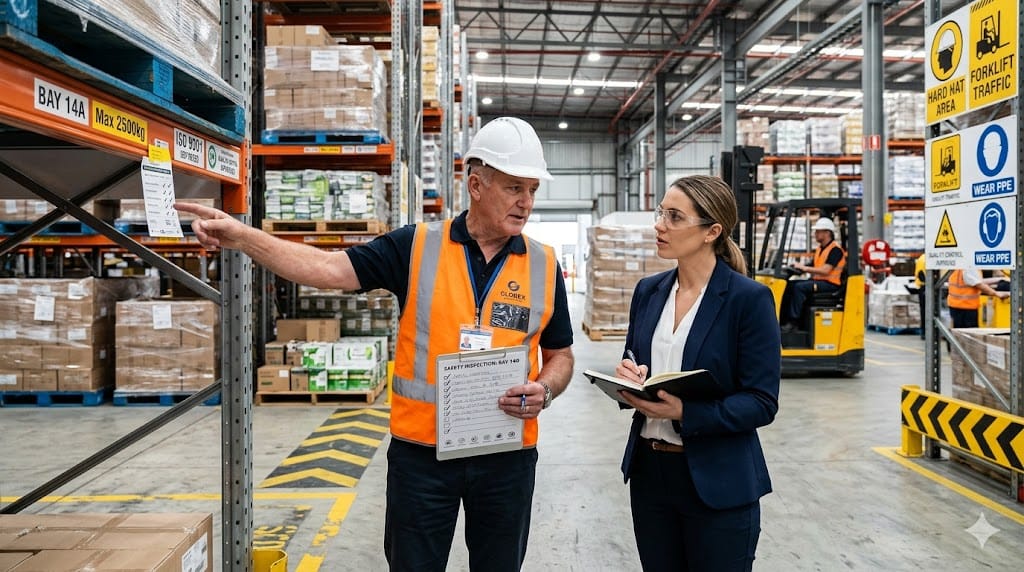
- Driver Safety Programs: Comprehensive training, defensive driving courses, fatigue management, and strict compliance with Hours of Service (HOS) regulations, facilitated by Electronic Logging Devices (ELDs). Robust accident investigation and prevention protocols are critical.
- Fleet Maintenance and Inspection: Adherence to rigorous preventative maintenance schedules, vehicle health monitoring, and meticulous compliance with Department of Transportation (DOT) and state-specific regulations for roadworthiness checks.
- Hazardous Materials (Hazmat) Handling: Mandatory certified training for drivers and handlers, precise labeling, comprehensive documentation, and robust emergency response plans are required for compliance with national and international hazmat regulations.
- Cross-Border and International Compliance: For enterprises operating across US borders (e.g., with Canada or Mexico), understanding customs procedures, tariffs, trade agreements, and navigating different regulatory frameworks is essential. Security filings like C-TPAT are integral.
- Environmental Regulations: Strict adherence to US emissions standards (e.g., CARB, EPA) and the implementation of responsible waste disposal and recycling programs are fundamental.
Driving Sustainable Value and Competitive Advantage
The contemporary executive mandate extends beyond operational efficiency to encompass environmental stewardship and social responsibility.
Sustainability and the Transition to Low-Emission Fleets
ESG (Environmental, Social, Governance) imperatives are no longer optional but critical for brand reputation, regulatory adherence, and long-term viability. In what ways can this role accelerate sustainability goals and decarbonize the transportation footprint?
- ESG Imperatives: Meeting corporate sustainability goals, addressing investor expectations, and rigorously reporting carbon emissions and environmental impact are now standard. Consumers increasingly prefer brands demonstrating green logistics.
- Alternative Fuels and Powertrains: Strategic exploration and adoption of Electric Vehicles (EVs), addressing range limitations, charging infrastructure, and battery technology. Investigating Hydrogen Fuel Cell Electric Vehicles (FCEVs), Renewable Natural Gas (RNG), and other biofuels, alongside hybrid solutions for urban delivery.
- Fleet Electrification Strategy: A methodical approach involves assessing vehicle suitability, conducting detailed route analysis, and evaluating the total cost of ownership for EVs. Developing robust charging infrastructure and energy management solutions, often initiated through pilot programs and phased rollouts. The global electric truck market is projected to grow significantly, reaching over $40 billion by 2030, highlighting this crucial shift.
- Route Optimization for Emission Reduction: Employing advanced algorithms to minimize empty miles, reduce idling time, consolidate shipments, and optimize load factors. Eco-driving training for drivers also contributes significantly to lower emissions.
- Partnerships and Policy Engagement: Proactive collaboration with energy providers, charging network operators, and technology developers. Influencing policy and securing incentives for green fleet adoption is a strategic necessity.
Talent, Carrier Relationships, and 3PL Partnership Management
Effective management of human capital and external partnerships is a hallmark of a successful VP of Transportation and Fleet.
- Addressing the Talent Shortage: Developing robust recruitment and retention strategies for drivers, mechanics, and logistics professionals, critical given that the U.S. trucking industry faces a shortage of over 80,000 drivers. This includes comprehensive training, career pathing, and competitive compensation packages.
- Strategic Carrier Relationship Management: Cultivating strong, mutually beneficial partnerships with core carriers is paramount. This involves sophisticated negotiation strategies for both long-term contracts and spot market rates, coupled with rigorous carrier performance monitoring and feedback loops. Technology integration with carrier systems enhances efficiency.
- Optimizing 3PL/4PL Partnerships: Careful vendor selection based on expertise, service quality, and geographic reach is vital. Effective contract management, clear service level agreements, and seamless integration of 3PL operations into the overall supply chain strategy define success. Leveraging 3PLs for market intelligence and innovation is a key differentiator. What relationship strategies best align carriers, drivers, and 3PLs with company objectives? A culture of transparency, shared goals, and mutual accountability, underpinned by robust performance metrics.
- Internal Collaboration: Fostering strong relationships across internal departments—sales, procurement, production, and warehouse teams—promotes a culture of shared accountability for overall supply chain success.
Performance Governance and Future-Proofing the Executive Function
Measuring success and anticipating future challenges are core to the VP’s mandate, particularly given the dynamic nature of US and global logistics.
KPIs and Governance for Transportation Performance
Rigorous performance measurement and a clear governance framework are essential for executive oversight. **Which KPIs and reporting rhythms should CEOs and COOs use to evaluate VP of Transportation performance?
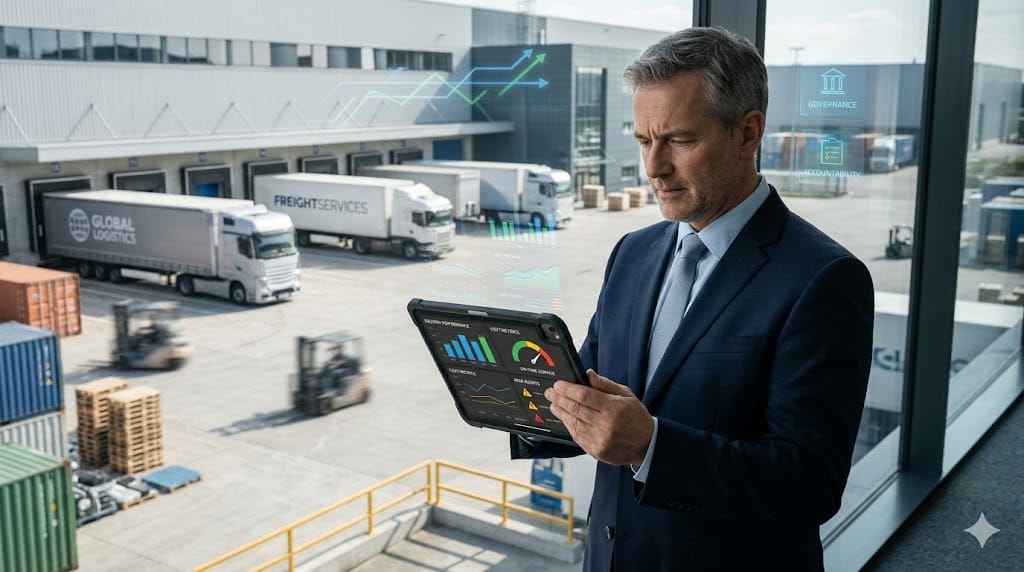
- Cost KPIs: Cost per mile, cost per unit, fuel cost per mile, total freight spend, detention/demurrage costs.
- Service KPIs: On-time delivery (OTD), on-time in-full (OTIF), transit time, customer satisfaction scores, claims rate.
- Efficiency KPIs: Fleet utilization, load factor, miles per gallon, empty miles percentage.
- Safety KPIs: Accident frequency rate, preventable accident rate, CSA scores.
- Sustainability KPIs: Carbon emissions per mile/ton, alternative fuel usage, waste reduction.
- Reporting and Analytics: Comprehensive dashboards and scorecards for real-time insights, leveraging predictive analytics for demand forecasting and operational planning, and performing root cause analysis for performance deviations.
- Governance Framework: Regular performance reviews with carriers and 3PLs, clear decision-making authority and accountability, robust budget management and forecasting, and continuous improvement methodologies (e.g., Lean, Six Sigma) in transportation operations.
- Strategic Alignment: Ensuring transportation KPIs align with overarching business objectives and customer expectations, with transparent communication of performance results to executive leadership.
The Geo-Strategic Impact on Transportation Decisions
The US transportation sector is inextricably linked to global geopolitics, necessitating a broad strategic perspective from the executive leader. This includes navigating global trade lanes, understanding regional economic blocs, analyzing infrastructure investment, assessing political stability, and considering the long-term implications of climate change on routes, such as potential Arctic passages.
The Future-Proof VP: Anticipating Tomorrow’s Challenges
The successful VP of Transportation and Fleet must embody forward-thinking leadership, preparing the organization for continuous evolution and disruption. This means championing digital transformation, building adaptable strategies for resilience, pioneering sustainability initiatives, developing future-ready talent, and integrating geopolitical awareness into all strategic transportation planning. These are the attributes of an executive prepared to navigate the next decade of supply chain complexity.
Conclusion: Strategic Talent for Unprecedented Times
The mandate of the VP of Transportation and Fleet has definitively transcended traditional operational boundaries to become a pivotal strategic executive function within leading US enterprises. The ability to holistically manage costs, ensure service excellence, mitigate complex risks, drive sustainability, and develop a future-ready talent architecture is paramount. Understanding how this role future-proofs the enterprise against geopolitical shifts and technological disruption is not merely an advantage, but a necessity for sustained value realization and competitive edge.
At JRG Partners, we specialize in identifying and placing transformational leaders who possess this expanded strategic vision and proven operational acumen. Our rigorous approach to executive search ensures that our clients secure visionary talent capable of driving profound organizational impact in this mission-critical domain. We invite you to engage with our advisory team to discuss your executive talent architecture requirements for this vital role.
Frequently Asked Questions
-
What is the primary difference between a VP of Logistics and a VP of Transportation and Fleet?
While often overlapping, a VP of Logistics typically oversees the broader flow of goods, including warehousing, inventory management, and order fulfillment across the entire supply chain. In contrast, a VP of Transportation and Fleet specifically focuses on the physical movement of goods, fleet asset management, carrier relationships, route optimization, and all associated operational and strategic elements. The latter delves deeper into vehicle acquisition, maintenance, routing efficiencies, and driver management. The VP of Transportation role is a specialized, critical subset of broader logistics.
-
How can a VP of Transportation and Fleet effectively balance cost reduction with service excellence?
Achieving this balance requires sophisticated data analytics to identify optimal trade-offs and drive intelligent decision-making. Key strategies include dynamic route optimization, leveraging technology for real-time visibility and proactive exception management, strategic carrier negotiations based on tiered service levels, and implementing robust performance monitoring to ensure cost savings do not compromise critical service standards. It’s fundamentally about smart spending and value creation, not merely cost-cutting.
-
What are the biggest challenges in transitioning to a low-emission fleet?
Significant challenges include the substantial upfront capital expenditure for electric or hydrogen vehicles, the complex and nascent development of charging/refueling infrastructure across the US, current limitations in vehicle range and payload capabilities for certain heavy-duty applications, potential grid capacity constraints, and the scarcity of skilled technicians for new propulsion technologies. Furthermore, regulatory uncertainty and the evolving landscape of government incentives can complicate planning and investment decisions.
-
How does geopolitical instability directly impact fleet operations?
Geopolitical instability can lead to immediate and dramatic impacts on fleet operations, including sudden and volatile fuel price spikes, disruption of critical shipping lanes (e.g., the Red Sea), increased customs scrutiny, the imposition of new tariffs or sanctions that alter trade flows, significant re-routing expenses, and even direct security threats to cargo and personnel in affected regions. It necessitates advanced contingency planning and dynamic network adjustments to maintain supply chain integrity.
-
What role does data play in the strategic decisions made by a VP of Transportation and Fleet?
Data is foundational and indispensable for strategic decision-making in this role. It informs critical choices on fleet mix (owned vs. leased vs. outsourced), optimal carrier selection, sophisticated route optimization, proactive maintenance schedules, robust driver safety programs, and sustainable logistics initiatives. Key Performance Indicators (KPIs) derived from comprehensive data analytics enable precise performance benchmarking, identification of operational inefficiencies, and strategic forecasting to proactively address future challenges and capitalize on emerging opportunities.
Looking for a specialized executive search partner?
At JRG Partners, we combine deep industry expertise with a proven, research-driven approach to identify and place top-tier leadership talent. Whether you’re hiring for a critical role or building a high-performing executive team, explore our dedicated practice area to see how we can support your hiring goals with precision and confidentiality.

Tanya Gallardo
Managing Director, Executive Search & AI Talent Strategy
Tanya Gallardo is the Managing Director of Executive Search & AI Talent Strategy at JRG Partners, leading C-suite and Board engagements across key growth sectors including Technology, Financial Services, and Manufacturing.
With over 18 years of experience specializing in disruptive technology leadership, Tanya is recognized as a leading authority on talent architecture for future-focused executive roles, such as the Chief AI Officer (CAIO) and Chief Digital Officer (CDO). Her expertise lies in accurately assessing the cultural fit and technical depth required to ensure a high return on investment (ROI) for critical leadership appointments.
Prior to her role at JRG Partners, Tanya held senior roles directing global talent acquisition strategies at a major publicly-traded technology firm, advising on organizational design and succession planning for emerging executive functions. She is a recognized speaker and contributor to industry events, sharing data-driven insights on executive compensation, leadership development, and the measurable business impact of C-suite talent.
