


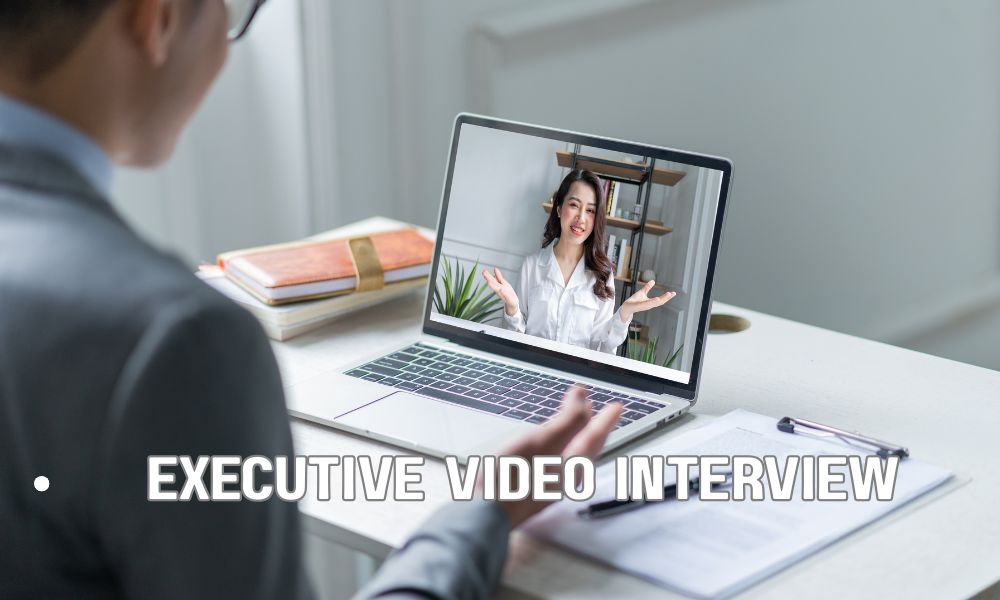
As Global Head of Research & Leadership Advisory at JRG Partners, I give clients this template constantly, so here is the practitioner’s version, ready to adapt. Assessing a senior leader over video is different from doing it in person, and interviewers who ignore the differences make weaker judgments. This checklist helps you conduct rigorous executive interviews over video, compensating for what the medium takes away.
What follows is a ready-to-use tool you can adapt to your own process, with an explanation of why each element belongs in it and how to apply it well. It is written for boards, HR leaders, and hiring executives who want something they can put to work immediately, not a theoretical overview.
What This Tool Is For
This checklist helps interviewers conduct rigorous executive assessments over video, compensating for what the remote medium changes, reduced presence, harder rapport, subtler cues, so remote interviews are as sound as in-person ones. Remote executive interviewing is now common, and this checklist covers the preparation and adjustments that keep the assessment rigorous over video.
Key Takeaways
- Assessing a senior leader over video differs from in person.
- Interviewers who ignore the differences make weaker judgments.
- Compensate for reduced presence, harder rapport, and subtler cues.
- Ensure the technology and setup support a rigorous interview.
- Keep the structure and rigor of the assessment intact over video.
Why Remote Interviews Need Adjustment
Video interviews change the assessment: presence and rapport are harder to establish, subtle cues are harder to read, and the medium can flatten the interaction. Interviewers who conduct video interviews as if they were in person, without compensating for these differences, make weaker judgments. Rigorous remote interviewing means keeping the structure and rigor of the assessment intact while adjusting for what the medium changes, ensuring the setup supports the interview, working harder at rapport, and reading the subtler remote cues carefully.
The Remote Interview Checklist
- Test the technology: Reliable connection, good audio and video, and a professional setup on your end, tested in advance.
- Ensure a professional environment: A quiet, professional space free of distractions and interruptions.
- Keep the structure: Use the same structured questions, criteria, and evaluation as an in-person interview.
- Work harder at rapport: Rapport is harder over video; invest deliberately in establishing it.
- Read cues carefully: Subtle cues are harder to read remotely; attend to them deliberately, without over-reading.
- Manage the candidate’s experience: A smooth, professional remote experience also reflects on the company.
- Consider what video cannot capture: Compensate for what you cannot assess remotely, and consider an in-person round for finalists where it matters.
Remote Interviewing Principles
- Keep the rigor. The structure, criteria, and evidence-based evaluation should be identical to in-person; do not let the medium relax the rigor.
- Compensate for the medium. Work harder at rapport and cue-reading to offset what video takes away.
- Get the setup right. Technology and environment problems undermine both the assessment and the candidate’s impression.
- Know the medium’s limits. Some things are harder to assess remotely; consider an in-person finalist round where it matters.
How to Use This Template Well
Prepare the technology and environment in advance, testing the connection and ensuring a quiet, professional setup, since problems undermine both the assessment and the candidate’s impression. Keep the interview’s structure, criteria, and evidence-based evaluation identical to an in-person interview; the medium should not relax the rigor.

Compensate for what video takes away by working harder at rapport and attending carefully to the subtler remote cues without over-reading them. Manage the candidate’s remote experience professionally. Where full assessment matters, consider an in-person round for finalists to capture what video cannot.
Common Mistakes to Avoid
The common mistakes are conducting video interviews as if they were in person (without compensating for the medium), letting the remote medium relax the assessment’s rigor, neglecting the technology and environment setup, and over- or under-reading the subtler remote cues. Avoid these by keeping the structure and rigor intact, compensating for the medium through deliberate rapport and cue-reading, getting the setup right, and considering an in-person finalist round where remote assessment falls short.
The Bottom Line
A remote executive interview checklist that ensures the setup, keeps the assessment’s structure and rigor intact, and compensates for the reduced presence, harder rapport, and subtler cues of video lets interviewers assess senior leaders as soundly over video as in person. Adapt it to your context, apply it consistently, and it will sharpen the decisions that matter most, because disciplined process is what separates reliable executive hiring from luck.
Related Resources
For employers going deeper, see What Is a Structured Interview, Executive Interview Scorecard Template, Silent Signals.
Frequently Asked Questions
- Q: How is a remote executive interview different?
- A: Presence and rapport are harder to establish, subtle cues are harder to read, and the medium can flatten the interaction, requiring deliberate compensation.
- Q: How do you keep remote interviews rigorous?
- A: By keeping the same structure, criteria, and evidence-based evaluation as in-person, and compensating for the medium through deliberate rapport and cue-reading.
- Q: What setup does a remote interview need?
- A: A reliable connection, good audio and video, and a quiet, professional environment, tested in advance, since problems undermine both assessment and impression.
- Q: Can you fully assess an executive over video?
- A: Mostly, with adjustment, but some things are harder to assess remotely, so consider an in-person finalist round where full assessment matters.
- Q: What is the biggest remote interview mistake?
- A: Conducting the interview as if it were in person without compensating for what the medium changes, which produces weaker judgments.

Tanya Gallardo
Managing Director, Executive Search & AI Talent Strategy
Tanya Gallardo is the Managing Director of Executive Search & AI Talent Strategy at JRG Partners, leading C-suite and Board engagements across key growth sectors including Technology, Financial Services, and Manufacturing.
With over 18 years of experience specializing in disruptive technology leadership, Tanya is recognized as a leading authority on talent architecture for future-focused executive roles, such as the Chief AI Officer (CAIO) and Chief Digital Officer (CDO). Her expertise lies in accurately assessing the cultural fit and technical depth required to ensure a high return on investment (ROI) for critical leadership appointments.
Prior to her role at JRG Partners, Tanya held senior roles directing global talent acquisition strategies at a major publicly-traded technology firm, advising on organizational design and succession planning for emerging executive functions. She is a recognized speaker and contributor to industry events, sharing data-driven insights on executive compensation, leadership development, and the measurable business impact of C-suite talent.
