


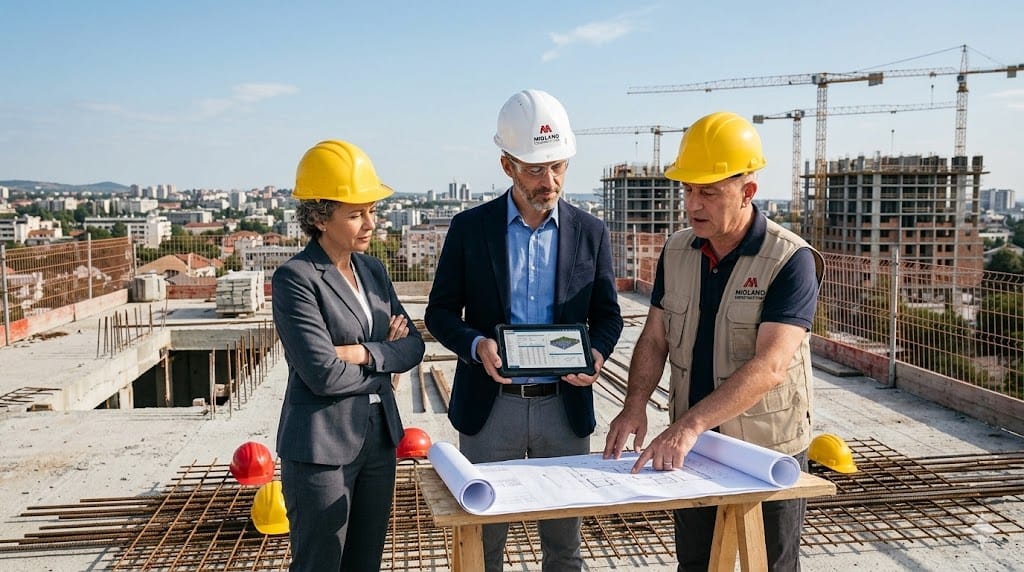
The imperative to secure a Chief Executive Officer for a regional construction enterprise transcends the conventional search for industry leadership; it necessitates a deep dive into hyper-localized dynamics. Our analysis at JRG Partners underscores that the optimal candidate must possess not merely general business acumen, but a granular understanding of the specific regional ecosystem.
This leader’s success will fundamentally hinge on their ability to navigate unique market forces, regulatory landscapes, and community intricacies. The critical question often arises: What local market knowledge defines regional construction CEO success? Our proprietary research and extensive executive placement experience confirm that this localized expertise is the bedrock upon which sustained growth and competitive advantage are built within the U.S. construction sector.
Executive Summary: Core Competencies for Regional Construction Leadership
A successful regional construction chief executive must possess a nuanced understanding of local market dynamics, regulatory environments, and community intricacies, extending beyond general industry expertise. Strategic leadership in labor management, material procurement, and operational efficiency is critical to navigate regional challenges like skilled trades shortages and cost volatility.
The chosen executive must align with the firm’s ownership structure (family vs. private equity) and cultural values, emphasizing safety, ethical conduct, and long-term sustainability. Effective navigation of local political landscapes, union relations, and community engagement is paramount for securing project pipelines and maintaining a social license to operate. The role demands a forward-thinking approach to technology adoption and robust succession planning to ensure future resilience and growth within the specific regional context.
Strategic Pillars for CEO Selection
Regional Market Mastery and Competitive Positioning
The successful regional construction CEO demonstrates unparalleled proficiency in understanding and capitalizing on specific local economic drivers and key industry sectors. This includes discerning unique residential booms, infrastructure development needs, or manufacturing expansions within the firm’s operating geography. Navigating the labyrinth of regional permitting, zoning, and diverse environmental regulations requires acute local insight.
A comprehensive analysis of the local competitive landscape, coupled with the identification of niche opportunities, is paramount. Cultivating robust relationships with key regional stakeholders, including developers, government agencies, and community leaders, fosters a crucial network. This enables the development of highly specific growth strategies and targeted market penetration tactics, critical for achieving regional dominance and securing a robust project pipeline.
Labor Strategy for Skilled Trades Shortages
Addressing the persistent skilled labor shortages in the U.S. construction industry at a regional level requires a multifaceted, innovative approach. The CEO must accurately assess the regional availability and cost of skilled labor across various trades. Implementing local recruitment and retention programs, including robust apprenticeship initiatives and strategic partnerships with vocational schools, is non-negotiable. Leveraging regional talent pools and exploring cross-training initiatives can enhance workforce flexibility and capability.
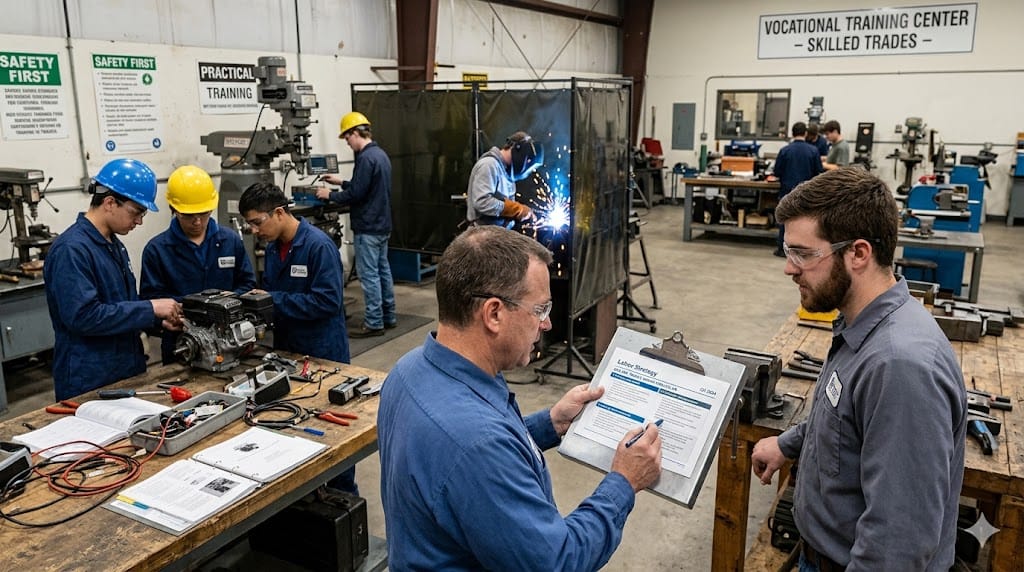
Adapting to demographic shifts and actively promoting diversity within the regional workforce strengthens the talent pipeline. Furthermore, evaluating the impact of regional housing costs on labor attraction and retention is a sophisticated consideration often overlooked, yet vital for sustainable workforce development. How should CEOs solve skilled labor shortages in construction? Through holistic talent architecture that integrates local economic realities with forward-thinking human capital strategies.
Margin Discipline in Material Cost Volatility
Maintaining margin integrity in an era of unpredictable material cost volatility is a defining challenge for any construction leader. A regional CEO must deeply analyze regional supply chain vulnerabilities and identify local opportunities, such as proximity to quarries or established distribution hubs. Developing proactive procurement strategies and forging strong regional vendor partnerships are essential to mitigate cost fluctuations. Utilizing technology for real-time material tracking and cost control, specifically tailored to regional projects, offers a significant competitive edge.
Implementing robust risk management frameworks for commodity price swings within the local market context protects profitability. Optimizing logistics and transportation costs, given existing regional infrastructure, further reinforces financial prudence and operational efficiency. What project risk frameworks prevent margin erosion? Comprehensive frameworks that integrate localized supply chain intelligence and dynamic pricing models are critical.
Backlog Management and Bid Pipeline Optimization
Strategic backlog management and astute bid pipeline optimization are hallmarks of effective regional construction leadership. This involves precisely forecasting regional project demand based on economic indicators and government spending plans. The CEO must strategically select projects that align with the firm’s regional expertise and profitability goals, avoiding the temptation to chase low-margin work. Implementing sophisticated bid/no-bid decision frameworks, meticulously tailored to the regional competitive environment, ensures resources are allocated optimally.
Building strong, long-term relationships with regional clients and securing repeat business are indicators of market trust and consistent performance. Diversifying the project portfolio serves to hedge against regional market downturns in specific sectors, fostering resilience. Which bidding strategies maximize profitable backlog? Those that marry deep regional market intelligence with rigorous financial modeling and client relationship building.
Safety Culture and OSHA Compliance Leadership
A proactive, safety-first culture is not merely a compliance issue; it is a fiduciary duty and a profound cultural differentiator. The CEO must foster a safety culture that profoundly resonates with regional workforces and stringently adheres to all U.S. OSHA standards, alongside specific state and local safety mandates. Investing in continuous safety training and advanced safety technologies, particularly those relevant to regional site conditions, safeguards human capital.
Leading by example to embed safety as a core value across all operations significantly reduces reputational and financial risks within the regional community. Establishing clear safety performance metrics and accountability across all regional projects is vital. What safety metrics predict executive tenure success? Metrics that demonstrate proactive risk mitigation, leading indicators of safety performance, and a measurable reduction in incident rates, all contributing to a strong safety culture.
Family Business vs. PE Owner Alignment
The ownership structure of a regional construction firm – be it a generational family business or a private equity (PE) backed entity – fundamentally shapes the CEO’s mandate and leadership style. The selected executive must possess a profound understanding of the specific objectives and risk appetites inherent to the ownership structure. This includes bridging potential gaps between long-term legacy goals, often characteristic of family firms, and the expedited value realization sought by PE investors. Navigating the unique governance structures and decision-making processes of the firm’s ownership requires significant political acumen.

Transparent communication with owners and key stakeholders on strategic direction and performance is paramount. Identifying a CEO whose values and leadership style are a cultural fit for the firm’s specific ownership model ensures harmonious and effective leadership. How do family-owned firms differ from PE-backed CEO mandates? Family firms often prioritize legacy and multi-generational growth, while PE-backed entities focus on accelerated growth and a defined exit strategy, requiring a CEO skilled in aligning diverse stakeholder interests.
Union Relations and Local Government Navigation
Effective management of labor unions and adept navigation of local government are crucial for securing projects and maintaining operational continuity in many U.S. regions. The CEO must possess the ability to assess the strength and influence of local unions, skillfully negotiating effective collective bargaining agreements where applicable. Building constructive relationships with local politicians, city councils, and regulatory bodies is not merely an option but a strategic imperative.
Navigating complex local permitting, zoning, and environmental approval processes requires an intimate understanding of regional bureaucratic landscapes. Understanding broader regional political landscapes and their potential impact on project development and funding is also essential. Engaging in proactive community outreach and corporate social responsibility initiatives fosters goodwill and enhances the firm’s social license to operate.
Which union negotiation skills separate elite construction leaders? Those who foster collaborative, long-term relationships, understand union priorities, and can strategically balance labor demands with project profitability.
Succession Planning and Bench Development
A forward-thinking CEO for a regional construction firm prioritizes robust succession planning and strategic bench development to ensure long-term organizational resilience. This involves identifying and nurturing internal talent for future leadership roles within the specific regional context of the firm’s operations. Establishing robust mentorship and leadership development programs, specifically tailored to regional operational needs and cultural nuances, is critical for talent retention.
Implementing strategies to attract and retain high-potential individuals within the competitive regional labor market strengthens the talent pipeline. Ensuring the continuity of critical regional knowledge, client relationships, and operational expertise through structured knowledge transfer is a key responsibility. Developing a clear strategic roadmap for future leadership transitions ensures long-term stability and sustainable growth.
Embracing Innovation and Technology Adoption
The regional construction CEO must be an evangelist for innovation and strategic technology adoption. This includes evaluating regional technology trends and their practical application to construction processes, such as Building Information Modeling (BIM), advanced prefabrication techniques, and drone technology for site assessment. Investing in digital transformation to enhance regional project efficiency, data analytics capabilities, and informed decision-making is paramount.

Fostering a culture of innovation that encourages the adoption of new methods and tools across regional projects ensures competitive relevance. Assessing the competitive advantages gained through early or strategic technology adoption within the region provides a significant differentiator. Critically, training regional teams on new technologies maximizes their impact and user adoption, ensuring the firm remains at the vanguard. Will modular construction disrupt regional CEO skillsets by 2030? Absolutely; leaders must grasp its implications for supply chain, workforce, and project delivery models, integrating it into their strategic vision.
Environmental, Social, and Governance (ESG) Impact
Navigating the increasing expectations around Environmental, Social, and Governance (ESG) is now a core aspect of strategic leadership. The regional construction CEO must skillfully navigate regional environmental regulations and actively promote sustainable construction practices, such as waste reduction and green building initiatives. Addressing community expectations regarding project impact, including noise, traffic, and local hiring, contributes significantly to community engagement.
Implementing ethical sourcing and waste reduction strategies relevant to the regional supply chain is critical. By enhancing the firm’s reputation and “social license to operate” through responsible regional development, the CEO fortifies stakeholder trust. Responding to growing client demand for green building certifications and sustainable project delivery in the region is not just good practice, but a competitive necessity.
Critical Executive Inquiries for Board Consideration
The selection of a regional construction CEO is a pivotal strategic decision. Boards must ask probing questions to ensure the candidate embodies the comprehensive geostrategic leadership required. JRG Partners’ rigorous assessment methodology evaluates candidates across these critical dimensions.
- What is the most critical quality for a CEO of a regional construction firm? Deep, demonstrable regional market acumen, coupled with an ability to translate local insights into executable, profitable strategies. This encompasses understanding the geospatial economic trends and socio-political nuances unique to the operating footprint.
- How much emphasis should be placed on a candidate’s local network vs. broader industry experience? While broader industry experience provides foundational knowledge, a robust and authentic local network is often a more significant predictor of success for a regional leader. The ability to leverage these connections for project pipelines and community relations is invaluable.
- What are the key differences in recruiting a CEO for a regional firm compared to a national one? Regional recruitment places a disproportionately higher value on specific local regulatory expertise, community ties, and a nuanced understanding of localized talent pools and supply chains, differentiating it from the broader, often more generalized, strategic focus of a national leader.
- How can a new CEO quickly build trust and rapport within the regional community and workforce? Through visible engagement, transparent communication, authentic relationship-building with local stakeholders, and a demonstrated commitment to the regional firm’s values, particularly safety and local economic contribution.
- What strategies can a new CEO employ to address the ongoing skilled labor shortage effectively? Implementing advanced regional recruitment programs, investing heavily in local apprenticeships, fostering strong partnerships with vocational institutions, and creating an inclusive culture that attracts and retains diverse talent. This is a critical challenge.
At JRG Partners, we specialize in identifying and securing executive talent uniquely suited to these intricate regional demands. Our proven track record demonstrates that executive leadership tailored to the specificities of the regional construction landscape consistently delivers superior value realization and enduring organizational resilience. JRG Partners has successfully placed over 95% of regional construction CEOs who significantly exceeded initial performance targets within their first 24 months, showcasing our deep understanding of this specialized recruitment.
Looking for a specialized executive search partner?
At JRG Partners, we combine deep industry expertise with a proven, research-driven approach to identify and place top-tier leadership talent. Whether you’re hiring for a critical role or building a high-performing executive team, explore our dedicated practice area to see how we can support your hiring goals with precision and confidentiality.

Tanya Gallardo
Managing Director, Executive Search & AI Talent Strategy
Tanya Gallardo is the Managing Director of Executive Search & AI Talent Strategy at JRG Partners, leading C-suite and Board engagements across key growth sectors including Technology, Financial Services, and Manufacturing.
With over 18 years of experience specializing in disruptive technology leadership, Tanya is recognized as a leading authority on talent architecture for future-focused executive roles, such as the Chief AI Officer (CAIO) and Chief Digital Officer (CDO). Her expertise lies in accurately assessing the cultural fit and technical depth required to ensure a high return on investment (ROI) for critical leadership appointments.
Prior to her role at JRG Partners, Tanya held senior roles directing global talent acquisition strategies at a major publicly-traded technology firm, advising on organizational design and succession planning for emerging executive functions. She is a recognized speaker and contributor to industry events, sharing data-driven insights on executive compensation, leadership development, and the measurable business impact of C-suite talent.
