


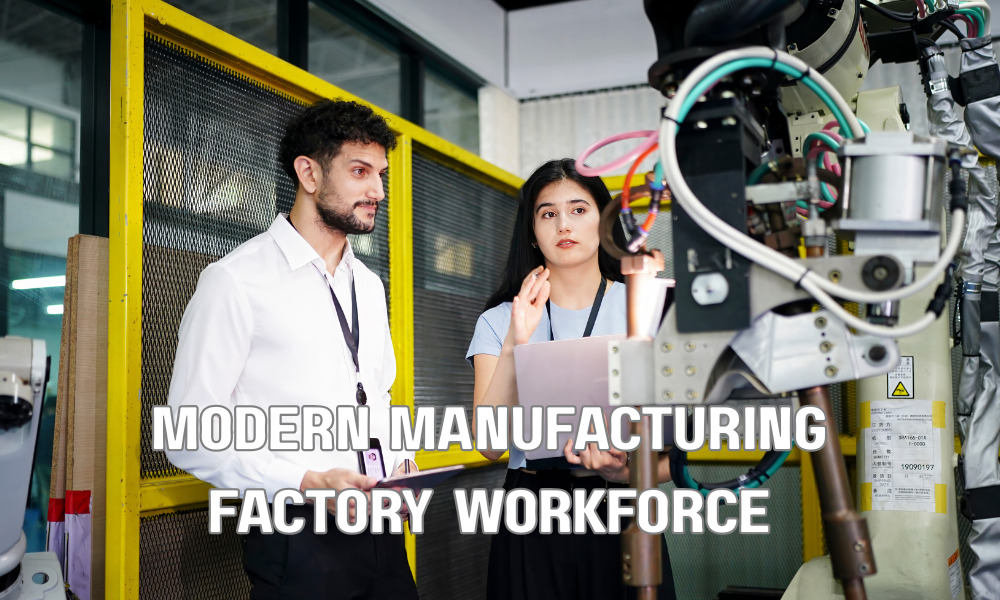
Key Strategic Imperatives: Critical Talent Architecture Takeaways
- By 2026, the US manufacturing sector faces critical workforce and executive talent shortfalls, directly impacting operational efficiency, production output, and global competitiveness.
- An aging talent pool, coupled with a persistent and pronounced skills mismatch, is rapidly accelerating the vacancy crisis across both production floors and executive suites.
- Significant regional disparities and acute sector-specific pressures imply that certain geographic areas and high-growth industries will be disproportionately affected, demanding targeted intervention.
- While automation and Industry 4.0 technologies offer some mitigation for routine tasks, they simultaneously necessitate a profound paradigm shift in required human capital, creating new, complex skill gaps that must be proactively addressed.
- Proactive, multi-faceted human resources and talent architecture strategies are not merely beneficial but essential to avert more severe long-term consequences extending into 2030 and beyond, ensuring the resilience of the US industrial base.
The 2026 Manufacturing Talent Gap: Headcount and Vacancy Metrics
The US manufacturing landscape is on the precipice of a significant human capital challenge. Projections indicate a substantial overall manufacturing workforce deficit by 2026, a situation that JRG Partners’ executive search teams are already witnessing in our daily engagements. The most profound impacts are anticipated within specific categories of skilled and semi-skilled labor, which are the bedrock of operational execution. We are observing an analysis of unfilled production line and technical roles revealing alarming trends in vacancy durations.
Total projected labor shortage in US manufacturing by 2026: >2.1 million workers.
Estimated economic cost of unfilled US manufacturing jobs annually: Over $100 billion in lost economic output.
Aging Workforce and Strategic Skills Mismatch in Production Facilities
A significant demographic shift is underway. The looming wave of retirements among experienced manufacturing personnel represents an unprecedented loss of institutional knowledge and critical hands-on expertise. This exodus, combined with an evolving technological landscape, creates a widening gap between the capabilities of the current workforce and the sophisticated demands of modern, advanced manufacturing technologies. Our advisory work frequently highlights the urgency to address this age profile of the manufacturing workforce and how fast retirements are accelerating the shortage to prevent a critical brain drain.
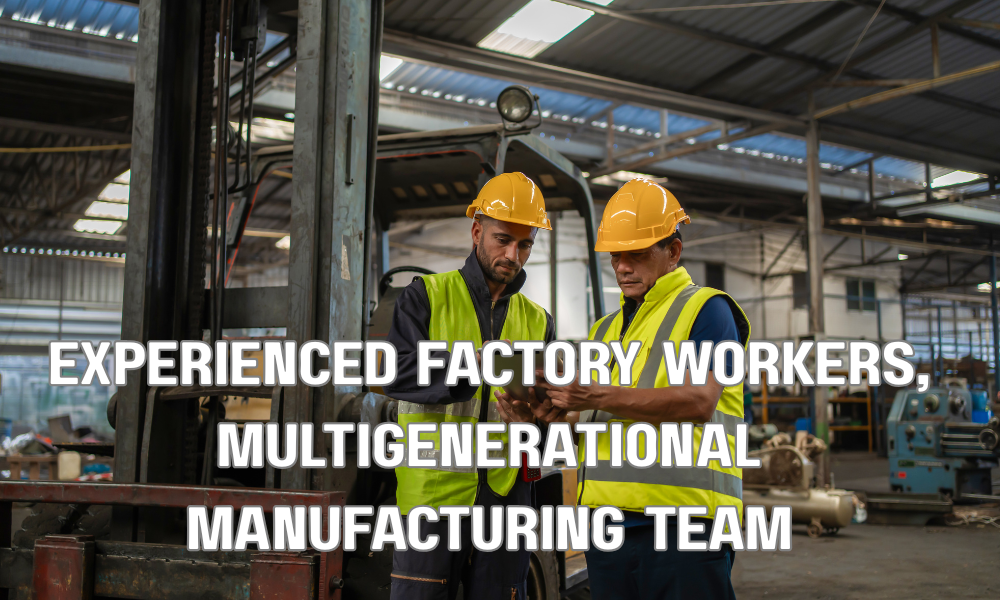
- Over 25% of the current US manufacturing workforce is eligible for retirement within the next decade.
- Leading business journals emphasize that a substantial proportion of manufacturers report a significant skills gap in their current workforce, particularly in areas like advanced robotics, data analytics, and digital manufacturing.
Leadership Deficits: Supervisors, Plant Managers, and Operations Executives
Beyond the frontline, the C-suite faces an equally daunting challenge in executive talent acquisition. A pervasive lack of robust succession planning for key leadership positions — from shift supervisors to plant managers and critical operations executives — is creating significant vulnerabilities. Challenges in identifying and developing internal talent for advancement are compounded by the increasing demand for leaders who possess a hybrid skillset: technical acumen, digital proficiency, and acute strategic capabilities. This raises a critical question: Which leadership roles (line leaders, plant managers, heads of operations) are hardest to fill, and what is their vacancy duration compared to frontline roles? JRG Partners’ deep expertise in executive search consistently shows that these strategic roles often remain open significantly longer, creating ripple effects across entire organizations.
JRG Partners’ proprietary data indicates that while frontline roles might be filled within 90 days, the average time to fill a Plant Manager or Operations Executive position in competitive US markets often extends to 6-9 months, reflecting the acute shortage of seasoned, strategically-minded leaders.
Projected vacancy rate for manufacturing supervisory roles by 2026: 15-20%.
Regional and Sector Variations in Talent Pressure
The human capital challenges are not uniformly distributed across the US industrial base. Geographic analysis reveals distinct “hot spots” experiencing severe shortages, notably across the Midwest and certain segments of the Southeast. Furthermore, how do labor and leadership shortages vary by region and subsector (automotive, electronics, metals, food, etc.), and where is the pain most acute? High-growth sectors such as electric vehicle components, advanced materials, and semiconductor fabrication face particularly acute talent challenges due to rapid technological evolution and specialized skill requirements. Conversely, some mature sectors may experience comparatively stable or even declining labor demand, though often still grappling with an aging workforce and skills relevancy issues. JRG Partners maintains a national database to provide granular insights into these regional and sector-specific pressures for our clients.
- The top 5 US states/regions with the highest manufacturing job vacancy rates include key industrial hubs in the Midwest and South.
- Sector-specific leadership shortage percentages across key manufacturing industries show advanced manufacturing and technology-driven segments facing upwards of 25% leadership talent deficits.
Quantifying Impact on Output, Safety, and Quality Metrics
The correlation between persistent talent shortages and core operational metrics is undeniable. Organizations with significant workforce deficits are reporting reduced production volumes and consistently missing output targets. Furthermore, the strain on existing, often overstretched or less experienced staff, directly contributes to an increased risk of workplace accidents and safety incidents, elevating an organization’s risk profile. Critically, these pressures also lead to a decline in product quality, increased defect rates, and tangible reputational damage. It is imperative for boards to understand what measurable impact are shortages having on throughput, downtime, safety incidents, and defect rates in 2026?
- Recent industry analyses indicate an estimated 7-10% reduction in manufacturing output directly attributable to labor shortages.
- A discernible increase in reported safety incidents in factories operating with critical staffing levels, impacting both employee welfare and regulatory compliance.
- Workforce shortages are demonstrably impacting product recall rates and increasing quality control failures, posing significant threats to brand equity.
How Automation and Industry 4.0 Reshape Talent Demand

The strategic imperative of automation and Industry 4.0 technologies is undeniable, yet their implementation drives a significant re-architecture of talent requirements. The shift from repetitive manual tasks to the oversight, maintenance, and programming of automated systems is profound. This transformation necessitates the emergence of new, highly specialized roles in data analytics, AI/ML integration, and robotics engineering. While automation serves as a partial solution to immediate labor gaps by enhancing productivity, it concurrently acts as a catalyst for new, advanced skill requirements. We must critically examine in what ways are automation, robotics, and Industry 4.0 increasing demand for new skill profiles while making some traditional roles obsolete? The net effect is not a reduction in overall talent demand, but a fundamental shift in the *type* of talent required.
- Over 60% of US manufacturers are actively investing in automation strategies specifically to counter persistent labor shortages.
- A projected demand increase of 30-40% for robotics technicians, industrial data scientists, and AI integration specialists within the manufacturing sector over the next five years.
Strategic HR and Talent Acquisition Interventions
To navigate this complex talent landscape, organizations must deploy proactive and multi-faceted human capital strategies. The effectiveness of robust apprenticeship programs, vocational training partnerships with community colleges, and strategic educational collaborations cannot be overstated. Equally vital are comprehensive upskilling and reskilling initiatives for the existing workforce, ensuring relevancy and fostering internal mobility. JRG Partners advises clients on innovative recruitment marketing, sophisticated employer branding, and diversity, equity, and inclusion (DEI) strategies designed to attract a broader talent pool. Leveraging competitive compensation packages, comprehensive benefits, and flexible work arrangements are no longer differentiators but baseline expectations in this competitive environment. Boards should be keenly interested in which recruiting and workforce strategies—reskilling, apprenticeships, relocation incentives, contingent labor—show the strongest results in closing gaps?
Through our Leadership Advisory, JRG Partners actively consults with boards and executive teams to design and implement these advanced talent architecture strategies, drawing on our expertise in both traditional and digital recruitment methodologies to build resilient leadership pipelines.
- Success rates for manufacturing apprenticeship programs in retaining skilled talent are often reported at over 80% post-completion.
- Research indicates that improved benefits packages, including comprehensive healthcare and retirement plans, can boost manufacturing employee retention by 10-15%.
Forecast: A Strategic Outlook for 2027–2030

Current trendlines suggest a projected widening of the labor and leadership gap beyond 2026 if strategic interventions are not effectively implemented and sustained. The long-term implications for manufacturing competitiveness, innovation capacity, and supply chain resilience are substantial, posing a direct threat to the US industrial base’s global standing. This scenario necessitates exploring increased reliance on global talent pools and strategic adjustments in offshoring or nearshoring decisions to manage capacity. Boards and executive leadership must address the fundamental question: What do current trendlines suggest about manufacturing labor and leadership availability through 2030, and what scenarios should CHROs and COOs plan for now? This requires a proactive, strategic posture encompassing policy recommendations for government, industry associations, and educational institutions to foster a robust and adaptable future workforce.
- Projected growth of the US manufacturing talent gap by 2030: Potentially exceeding 3 million workers under current trajectories.
- Estimated long-term economic impact of unresolved talent shortages on US GDP: Forecasted to be a drag of 0.5-1% annually.
FAQs:
1. Understanding the Primary Drivers of the 2026 Manufacturing Talent Shortage
The primary catalysts are an aging workforce accelerating widespread retirements, a persistent skills gap unaddressed by current education and training paradigms, and a marked decline in attracting younger generations to industrial careers. This confluence creates a perfect storm for human capital depletion.
2. Distinguishing Leadership Shortages from General Labor Deficits
The leadership shortfall is qualitatively different; it signifies a deficit of experienced individuals with the strategic, managerial, and operational acumen to guide teams and operations. This stems critically from insufficient internal succession planning and a growing demand for new digital and strategic competencies that often existing pipelines lack.
3. The Role of Automation in Resolving the Talent Crisis
While automation and Industry 4.0 technologies will undoubtedly mitigate some facets of the human capital shortage by enhancing efficiency and reducing the reliance on certain manual roles, they fundamentally shift the talent challenge. These advancements create a concurrent, high demand for new, highly skilled technical and supervisory positions, necessitating a re-evaluation of workforce development strategies rather than a simple reduction in overall talent requirements.
4. Vulnerable Manufacturing Sectors
High-growth and high-technology sectors such as electric vehicle manufacturing, advanced materials, aerospace, and semiconductor production are acutely vulnerable. Their rapid technological evolution and specialized skill requirements make them particularly susceptible to pronounced talent gaps.
5. Immediate Actions for Proactive Manufacturers
Manufacturers must prioritize robust talent development pipelines, encompassing apprenticeships and internal upskilling programs. Investing in attractive employer branding, fostering diversity, equity, and inclusion, and strategically leveraging technology for both automation and advanced talent management are critical. These actions represent a strategic imperative for long-term organizational resilience.

Tanya Gallardo
Managing Director, Executive Search & AI Talent Strategy
Tanya Gallardo is the Managing Director of Executive Search & AI Talent Strategy at JRG Partners, leading C-suite and Board engagements across key growth sectors including Technology, Financial Services, and Manufacturing.
With over 18 years of experience specializing in disruptive technology leadership, Tanya is recognized as a leading authority on talent architecture for future-focused executive roles, such as the Chief AI Officer (CAIO) and Chief Digital Officer (CDO). Her expertise lies in accurately assessing the cultural fit and technical depth required to ensure a high return on investment (ROI) for critical leadership appointments.
Prior to her role at JRG Partners, Tanya held senior roles directing global talent acquisition strategies at a major publicly-traded technology firm, advising on organizational design and succession planning for emerging executive functions. She is a recognized speaker and contributor to industry events, sharing data-driven insights on executive compensation, leadership development, and the measurable business impact of C-suite talent.
