



As Global Head of Research & Leadership Advisory at JRG Partners, I have watched this play out across hundreds of executive searches, and the pattern is clear enough to write down. Companies grooming future CEOs often develop specialists deeply and wonder why so few are ready for the top job, when the answer is staring at them from the org chart. General management experience, running a whole business with P&L responsibility, predicts CEO success better than functional depth, because it develops the enterprise leadership the CEO role requires, making the GM track the most reliable path to producing CEOs.
Key Takeaways
- Companies groom specialists deeply but few become CEO-ready.
- General management experience predicts CEO success better than functional depth.
- Running a whole business with P&L responsibility develops enterprise leadership.
- The GM track builds the breadth, judgment, and accountability the CEO role requires.
- Developing future CEOs means putting high-potentials on the GM track.
Why Functional Depth Doesn’t Produce CEOs
Companies often develop their strongest talent through deep functional specialization, and then wonder why so few are ready for the CEO role. The reason is that functional depth, however impressive, does not develop the whole-enterprise leadership the CEO role requires. A deep functional expert has mastered a part of the business, not the leadership of the whole, and the gap between functional excellence and enterprise leadership is exactly what leaves functionally-developed talent unready for the top job. Producing CEOs requires developing enterprise leadership, which functional depth does not.
What General Management Develops
General management, running a whole business or unit with P&L responsibility, develops precisely what the CEO role requires: the ability to lead an entire enterprise, integrate all functions, own results and accountability, make the trade-offs a whole business demands, and exercise the broad judgment enterprise leadership requires. A GM has led the whole, not a part, developing the enterprise perspective, accountability, and judgment that the CEO role, which is general management at the largest scale, demands. General management builds the CEO capabilities in a way functional roles cannot.
Why GM Experience Predicts CEO Success
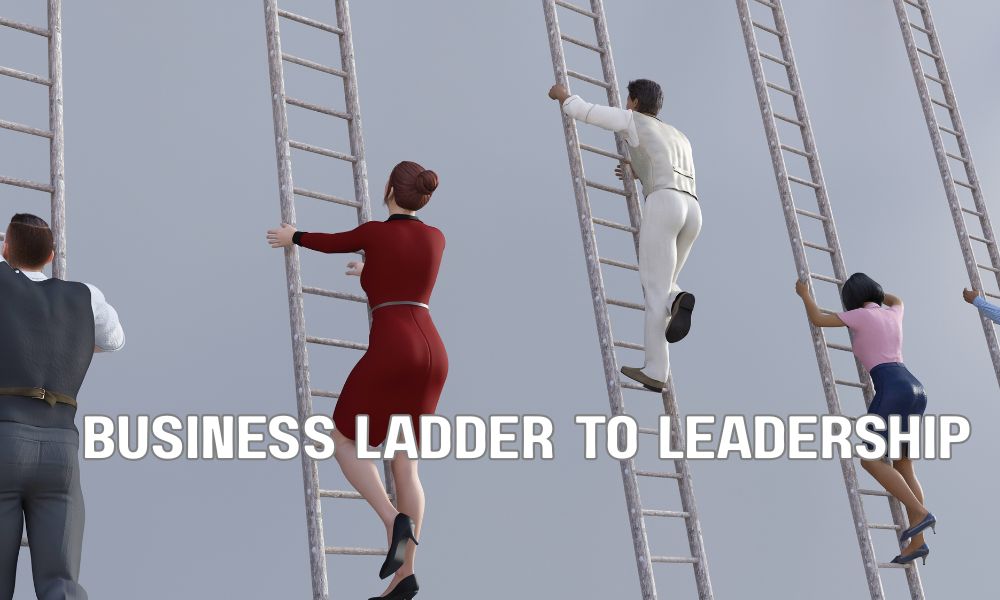
General management experience predicts CEO success better than functional depth because it develops the actual capabilities the CEO role requires, whereas functional depth develops different ones. The GM has already done, at a smaller scale, what the CEO does: lead a whole business, own the P&L, integrate functions, and exercise enterprise judgment. This direct relevance is why GM experience is the strongest predictor of CEO readiness, the GM has practiced enterprise leadership, while the functional expert has practiced something else. The predictive power reflects the genuine relevance of general management to the top job.
The P&L Responsibility Difference
A specific and crucial element is P&L responsibility, owning the results of a whole business. This accountability, for the full performance of an enterprise, develops a judgment, orientation, and accountability that functional roles, which own a part or a cost center, do not. The experience of owning a P&L, making the trade-offs and living with the results, is central to what prepares a leader for the CEO role, and it is precisely what functional development lacks. The GM track’s P&L responsibility is a key reason it predicts CEO success where functional depth does not.
Developing CEOs Through the GM Track
The practical implication is that developing future CEOs means putting high-potentials on the GM track, giving them general management roles with real P&L responsibility, rather than developing them only through functional depth. This builds the enterprise leadership, accountability, and judgment the CEO role requires, producing candidates genuinely ready for the top job. Companies that develop future CEOs through general management produce a reliable pipeline of CEO-ready leaders; those that groom specialists deeply produce functional experts who are not ready to lead the whole. The GM track is the most reliable path to producing CEOs.
What This Looks Like in Practice
In practice, developing future CEOs through the GM track means giving high-potentials general management roles, running a whole business or unit with real P&L responsibility, rather than developing them only through deep functional specialization. These roles build the enterprise leadership, accountability, integrative judgment, and orientation the CEO role requires, producing candidates genuinely ready for the top job. Companies that put their strongest talent on the GM track produce a reliable pipeline of CEO-ready leaders, while functional depth alone produces experts who have not led the whole enterprise.
The Mistake Employers Keep Making
The mistake is developing future-CEO talent through deep functional specialization and then finding few are ready for the top job, because functional depth does not develop the whole-enterprise leadership the CEO role requires. The fix is the GM track, giving high-potentials general management roles with real P&L responsibility that build the enterprise leadership, accountability, and judgment the CEO role demands, which predicts CEO success far better than functional depth.
The Bottom Line
General management experience, running a whole business with P&L responsibility, predicts CEO success better than functional depth because it develops the enterprise leadership, accountability, and judgment the CEO role requires, so developing future CEOs means putting high-potentials on the GM track rather than grooming specialists deeply. The employers who internalize this consistently out-hire their competitors, not because they spend more, but because they think more clearly about what they are actually doing.
Related Reading
For employers going deeper, see Rotational Leadership Programs, From COO to CEO, The Athlete vs the Expert.
Frequently Asked Questions
- Q: Why does general management predict CEO success?
- A: Because running a whole business with P&L responsibility develops the enterprise leadership, accountability, and judgment the CEO role requires, which functional depth does not.
- Q: Why doesn’t functional depth produce CEOs?
- A: Because it develops mastery of a part of the business, not the whole-enterprise leadership the CEO role requires, leaving functional experts unready for the top job.
- Q: What does general management develop?
- A: The ability to lead an entire enterprise, integrate all functions, own results and accountability, make whole-business trade-offs, and exercise broad enterprise judgment.
- Q: Why does P&L responsibility matter?
- A: Because owning the results of a whole business develops a judgment, orientation, and accountability that functional roles owning a part or cost center do not.
- Q: How do you develop future CEOs?
- A: By putting high-potentials on the GM track, general management roles with real P&L responsibility, rather than developing them only through functional depth.

Tanya Gallardo
Managing Director, Executive Search & AI Talent Strategy
Tanya Gallardo is the Managing Director of Executive Search & AI Talent Strategy at JRG Partners, leading C-suite and Board engagements across key growth sectors including Technology, Financial Services, and Manufacturing.
With over 18 years of experience specializing in disruptive technology leadership, Tanya is recognized as a leading authority on talent architecture for future-focused executive roles, such as the Chief AI Officer (CAIO) and Chief Digital Officer (CDO). Her expertise lies in accurately assessing the cultural fit and technical depth required to ensure a high return on investment (ROI) for critical leadership appointments.
Prior to her role at JRG Partners, Tanya held senior roles directing global talent acquisition strategies at a major publicly-traded technology firm, advising on organizational design and succession planning for emerging executive functions. She is a recognized speaker and contributor to industry events, sharing data-driven insights on executive compensation, leadership development, and the measurable business impact of C-suite talent.
