


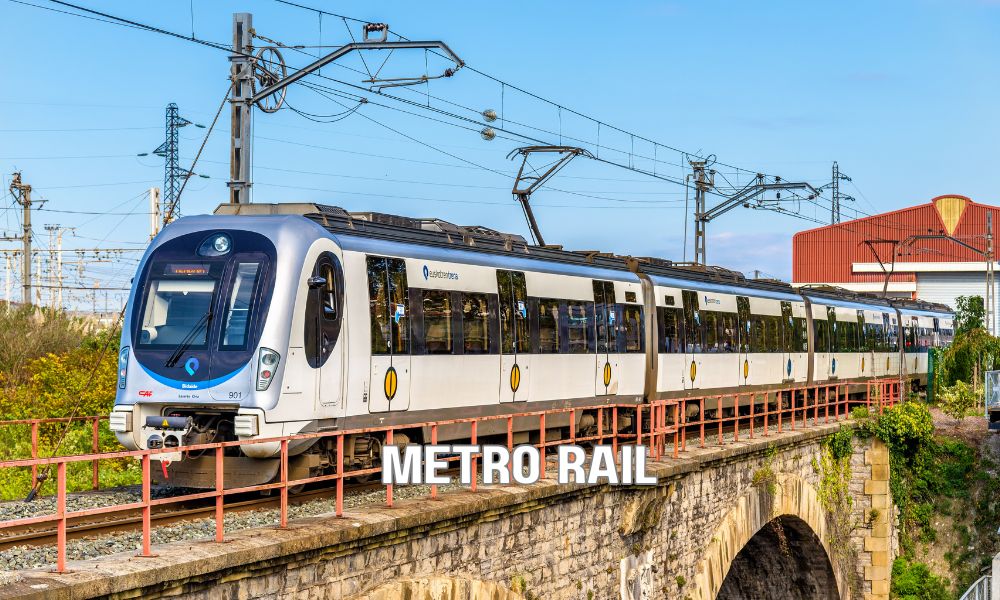
As Global Head of Research & Leadership Advisory at JRG Partners, I have prepared this guide for boards and investors conducting executive search in Rail, Transit & Infrastructure in 2026. This is a capital-intensive sector where public infrastructure investment, safety and reliability imperatives, and modernization are reshaping the leadership profile across freight rail, transit, and infrastructure. Leadership teams built for the previous era are being rebuilt for this one, and competition for proven operators is the most intense we have observed in the sector.
Key Takeaways: Rail, Transit & Infrastructure Leadership Hiring in 2026
- Historic public infrastructure investment is driving a capital and project-delivery cycle.
- The strongest candidates blend freight rail, transit, and infrastructure operators discipline with capabilities drawn from utilities and heavy infrastructure.
- For C-suite mandates, retained search is standard, since the credible candidates are passive and must be recruited individually.
- Compensation emphasizes cash with strong benefits and long-term incentives.
- Employers win by selling the mandate and the mission, not merely the title and the band.
The 2026 Rail, Transit & Infrastructure Landscape: Why Leadership Demand Is Surging
Three structural forces are driving executive demand across the sector. Historic public infrastructure investment is driving a capital and project-delivery cycle. Safety and reliability imperatives remain paramount and define operational leadership. Modernization, from digital signaling to electrification to asset analytics, demands technology-fluent infrastructure leadership. Each translates directly into hiring, and each rewards employers who adapt role design, compensation, and process to the new reality rather than running the previous decade’s playbook.
The Executive Roles in Highest Demand
Demand concentrates in a recognizable set of seats: Chief Operating Officer (rail or infrastructure operations and safety), VP of Capital Projects / Programs (major infrastructure delivery), Chief Safety Officer (safety and reliability leadership), Chief Engineering Officer (asset engineering and modernization), Chief Financial Officer (capital-intensive economics and public funding). Our companion analysis of the top 10 most in-demand executive roles in Rail, Transit & Infrastructure examines this demand picture role by role.
Where the Talent Comes From: Sourcing Pools That Work
The binding constraint is proven capability, and it lives in identifiable pools: freight rail, transit, and infrastructure operators (operations and engineering depth); construction and EPC firms (project-delivery leadership); engineering and industrial companies (technical leadership); utilities and heavy infrastructure (asset-operations expertise). The best searches map all of these deliberately rather than defaulting to the nearest competitor’s org chart.
What Employers Should Look For in Rail, Transit & Infrastructure Executives
Beyond the resume, the markers that distinguish leaders who succeed in this sector’s conditions are rail or infrastructure operations and safety command; major capital-project and program delivery; regulatory and public-sector stakeholder navigation; asset-management and reliability leadership; modernization fluency across signaling, electrification, and analytics. A capable search partner tests for these directly rather than accepting them as asserted.
Retained Search vs. Internal Recruiting for Senior Rail, Transit & Infrastructure Mandates
Internal talent teams handle volume and mid-level hiring well. Senior Rail, Transit & Infrastructure mandates are different: the candidates are employed, cautious, often retention-bound, and unresponsive to postings. The comparison below reflects typical practice for sector leadership roles.
| Dimension | Retained Executive Search | Internal Recruiting |
|---|---|---|
| Best suited for | C-suite, officer, and confidential or cross-sector mandates | Director-level and below; high-volume hiring |
| Access to passive candidates | Direct, research-driven approach across competitor and adjacent sectors | Limited; dependent on applicant flow |
| Typical fee | Roughly one-third of first-year cash compensation | Internal cost, plus vacancy and opportunity cost |
| Typical timeline | Approximately 90-130 days to signed offer | Highly variable for senior roles; frequently longer |
Compensation Dynamics in the 2026 Rail, Transit & Infrastructure Talent Market
Compensation emphasizes cash with strong benefits and long-term incentives; project-delivery, modernization, and safety leadership command premiums, and public, private, and infrastructure-fund ownership structures produce varied packages. For role-level benchmarks, see our CEO Salary Guide and CFO Salary Guide for 2026, then adjust for the sector’s ownership structures. Our Rail, Transit & Infrastructure executive compensation report develops the sector-specific benchmarks in detail.
Common Mistakes in Rail, Transit & Infrastructure Executive Hiring
The recurring failures are avoidable: over-indexing on same-sector pedigree and screening out the cross-sector capability the transition requires; running consensus-heavy processes with no decision owner; underestimating retention hooks that surface only in the final week; and neglecting succession until a single departure creates a crisis. We address the last of these in our guide to succession planning in Rail, Transit & Infrastructure.
Building the Leadership Bench Rail, Transit & Infrastructure Requires
The organizations compounding advantage treat leadership acquisition as part of strategy, not as a reactive transaction. They map their bench against a multi-year plan, identify the seats where external hiring is inevitable, and run those searches with the rigor they apply to capital decisions. In a market where every credible operator is already employed, that discipline is what separates leadership teams built for the future from those merely enduring the present.
Frequently Asked Questions
- Q: How much does an executive search cost in Rail, Transit & Infrastructure?
- A: Retained C-suite search typically runs 30-33% of first-year cash compensation, billed in milestones, with a twelve-month replacement guarantee as the credible standard.
- Q: How long does a senior Rail, Transit & Infrastructure search take?
- A: Well-run retained searches reach signed offers in roughly 90-130 days; notice periods and retention buyouts can extend start dates.
- Q: Should we hire from outside Rail, Transit & Infrastructure?
- A: Selectively, yes. The transition-era capabilities the sector needs, digital, commercial, and technology leadership, often sit outside the traditional bench, though core operational and regulatory seats still favor sector experience.
- Q: Which Rail, Transit & Infrastructure roles are hardest to fill in 2026?
- A: Chief Operating Officer and Chief Engineering Officer lead the list, alongside the technology and transition-specific seats the sector never previously needed.
- Q: What should we look for in Rail, Transit & Infrastructure executive candidates?
- A: Beyond functional competence: rail or infrastructure operations and safety command, and major capital-project and program delivery.
Related Rail, Transit & Infrastructure Leadership Resources
For employers building out their leadership strategy in this sector, see also Rail, Transit & Infrastructure top 10 in-demand roles, Rail, Transit & Infrastructure executive compensation report, Rail, Transit & Infrastructure CEO hiring guide.

Tanya Gallardo
Managing Director, Executive Search & AI Talent Strategy
Tanya Gallardo is the Managing Director of Executive Search & AI Talent Strategy at JRG Partners, leading C-suite and Board engagements across key growth sectors including Technology, Financial Services, and Manufacturing.
With over 18 years of experience specializing in disruptive technology leadership, Tanya is recognized as a leading authority on talent architecture for future-focused executive roles, such as the Chief AI Officer (CAIO) and Chief Digital Officer (CDO). Her expertise lies in accurately assessing the cultural fit and technical depth required to ensure a high return on investment (ROI) for critical leadership appointments.
Prior to her role at JRG Partners, Tanya held senior roles directing global talent acquisition strategies at a major publicly-traded technology firm, advising on organizational design and succession planning for emerging executive functions. She is a recognized speaker and contributor to industry events, sharing data-driven insights on executive compensation, leadership development, and the measurable business impact of C-suite talent.
