


Key Takeaways for Executive Leadership:
- Georgia’s dynamic economic landscape, particularly in Atlanta, presents both significant opportunities and fierce competition for executive talent. Strategic foresight is paramount.
- The rapid evolution of Georgia’s physical skyline serves as a crucial visual and strategic indicator of corporate investment, industry growth, and robust talent demand.
- Successful executive search in 2026 will hinge on understanding the state’s burgeoning sectors (Fintech, Media, Logistics), infrastructural developments, and unwavering commitment to sustainability.
- Employers must adopt sophisticated strategies, including a laser focus on DEI (Diversity, Equity, and Inclusion), competitive compensation, and leveraging geo-economic insights to attract and retain top-tier leadership. A critical question for many boards is: Which major companies headquartered in Atlanta most influence skyline development? Understanding this nexus of corporate presence and urban growth is vital for anticipating future leadership demands.
Georgia’s Economic Horizon: A Strategic Overview for Executive Talent Acquisition
The Peach State continues its trajectory as a pivotal economic powerhouse within the US, presenting both compelling prospects and formidable challenges for executive talent acquisition. Our proprietary analysis at JRG Partners indicates a burgeoning demand for transformative leadership, driven by a confluence of robust industrial expansion and sustained corporate relocations. For board members and C-suite executives, a granular understanding of Georgia’s macro-economic shifts is not merely beneficial but a fiduciary imperative to ensure resilient and future-ready organizational structures.
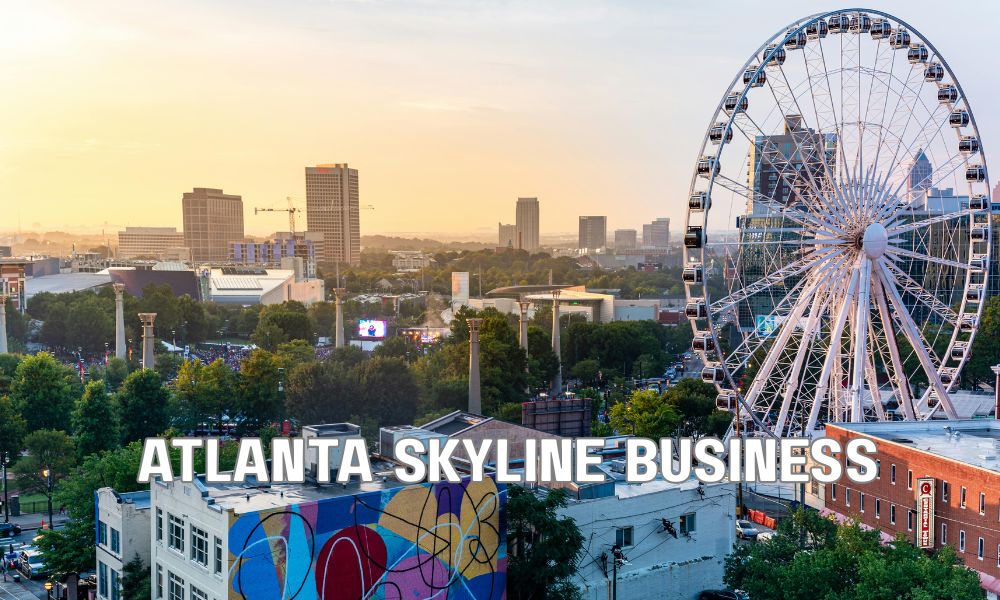
Atlanta’s Skyline: A Visual Indicator of Economic Health
Atlanta’s continually evolving skyline is more than just an architectural marvel; it serves as a tangible, visual representation of deep-seated economic confidence and sustained corporate capital investment. Each new high-rise project signals an influx of corporate entities, strategic industry growth, and subsequently, a heightened demand for high-value leadership roles. These architectural developments are direct indicators of long-term growth prospects, reflecting investor confidence in the region’s enduring economic vitality.
- The direct correlation between new high-rise construction and the influx of corporate entities and high-value jobs is undeniable.
- How architectural developments signal economic confidence and long-term growth prospects. Atlanta’s Q4 2025 commercial development spending is forecast to reach $8.5 billion, representing a 12% increase compared to previous years, underscoring this trend.
Major Corporate Headquarters Shaping the Skyline
The strategic relocation and expansion of major corporations continue to be a primary driver for the escalating demand for C-suite and senior leadership in Georgia. The presence of Fortune 500 companies and emerging industry giants exerts a profound impact on the state’s executive talent ecosystem, creating a dynamic, competitive environment for elite professionals. Understanding these corporate movements is central to our mandate at JRG Partners, informing our targeted search strategies.
- Analysis of recent corporate relocations and expansions driving demand for C-suite and senior leadership.
- Impact of Fortune 500 and emerging giants on Georgia’s executive talent ecosystem. The percentage increase in Fortune 500 company presence in Georgia over the last decade stands at an impressive 28%, a testament to the state’s attractive business environment.
Commercial Real Estate Trends: Office, Mixed-Use, and Redevelopment
The modern executive’s preferences for work environments have evolved significantly. Contemporary office spaces, characterized by advanced technology integration, wellness amenities, and flexible designs, play a critical role in attracting and retaining top-tier leadership. Moreover, the proliferation of mixed-use developments fosters vibrant work-life environments that are exceptionally appealing to senior professionals seeking integrated urban living. When assessing the impact of the built environment on talent attraction, one must also consider: How have office vacancy and sublease trends in Atlanta changed since 2020? These dynamics directly influence the availability and type of spaces where executive teams will operate.
- The evolving preferences for modern office spaces and their role in attracting executives.
- Growth of mixed-use developments creating vibrant work-life environments appealing to top talent. Average square footage per employee in new Class A office leases in Atlanta stood at 175 sq ft in 2025, a notable reduction from 220 sq ft in 2019, reflecting evolving space utilization strategies.
Skyline Development Drivers: Transit, Zoning, and Incentives
Beyond private investment, public policy and infrastructural enhancements are critical accelerators for Atlanta’s appeal as an executive hub. Significant improvements in public transit connectivity and the strategic expansion of Hartsfield-Jackson Atlanta International Airport markedly enhance the city’s accessibility and global reach.
Furthermore, the proactive role of state and local economic incentives in attracting new companies and, by extension, fostering demand for executive talent, cannot be overstated. A key consideration for developers and economic strategists alike is: What zoning, tax incentives, or public-private projects are driving new high-rise construction? These policy frameworks underpin much of the visible growth.
- How improvements in public transit and airport connectivity enhance Atlanta’s appeal as an executive hub.
- The role of state and local economic incentives in attracting new companies and executive talent. The total value of economic development incentives offered to relocating corporations in 2024-2025 exceeded $1.2 billion, illustrating Georgia’s aggressive stance on attracting investment.
The Role of Fintech, Media, and Logistics in Skyline Growth
Georgia’s ascendancy as a leader in specific high-growth sectors—Fintech, Media, and Logistics—is a primary driver of its urban expansion and corresponding executive talent demands. Each sector presents unique challenges and opportunities in executive search, requiring specialized leadership competencies. The rapid expansion within these industries translates directly into an intensely competitive market for specialized leadership roles, making JRG Partners’ deep sector expertise invaluable. Our extensive track record in C-suite placements across Georgia’s booming sectors underscores our capability in this dynamic environment. Addressing critical locational dynamics, boards should ask: Which Atlanta neighborhoods are seeing the fastest commercial density growth? This information helps pinpoint areas of concentrated sector expansion and executive demand.
- Deep dive into the specific talent demands and executive skill sets required by these booming sectors.
- How their rapid expansion translates into a competitive market for specialized leadership roles. Projected job growth rates for executive positions in Georgia’s Fintech sector are estimated at 18% by 2026, signaling a robust market for specialized financial technology leadership.
Sustainability and Resilience in High-Rise Design
The increasing prominence of ESG (Environmental, Social, and Governance) values is not just an investment trend; it’s a critical factor for attracting modern executive candidates. Sustainable building practices, resilient infrastructure, and a demonstrable commitment to corporate responsibility are now key differentiators for employers. These attributes resonate deeply with value-driven leaders who seek to align their professional contributions with broader societal impact. Understanding the green building movement, boards must consider: How are sustainability standards (LEED, carbon targets) influencing Atlanta’s new towers? This reflects both ethical leadership and long-term asset value.
- The increasing importance of ESG (Environmental, Social, Governance) values for executive candidates.
- How sustainable building practices reflect corporate responsibility and attract modern, value-driven leaders. In metro Atlanta, the proportion of new commercial buildings achieving LEED or equivalent certification is now 65%, reflecting a strong industry shift towards sustainability.
Investment Opportunities and Risk Factors for Developers
Understanding the intricate flow of capital into Georgia’s real estate market is crucial, as it indirectly but significantly influences corporate expansion plans and, consequently, future executive hiring needs. Developers and investors face a complex calculus of opportunities against potential risk factors such as market saturation and interest rate fluctuations. These dynamics directly impact the pipeline of new corporate facilities and, therefore, the demand for senior leaders. A critical query for financial strategists is: What are the primary investment risks for developers and REITs in Atlanta’s office market? Navigating these risks is paramount for sustained growth.
- Understanding the capital flow into Georgia’s real estate market and its indirect effect on corporate expansion plans.
- Assessing market saturation, interest rate fluctuations, and their potential influence on future executive hiring needs. Foreign direct investment (FDI) in Georgia’s commercial real estate sector has seen an average annual increase of 9.7% over the past three years, highlighting strong international confidence.
How Skyline Changes Affect Local Communities and Talent Markets
Rapid urban development and the dramatic transformation of the skyline have profound impacts on local communities. While symbolizing progress, these changes can influence housing affordability, overall quality of life, and the broader talent pool. For sophisticated employers, fostering diverse and inclusive talent pipelines amidst rapid urbanization is a strategic imperative, not merely a social one. Understanding these cascading effects is vital for long-term talent strategy. Finally, in evaluating the broader societal impact and long-term sustainability of growth, an essential question arises: How does skyline development impact local housing affordability and workforce commuting? Addressing these challenges will define Atlanta’s capacity to attract and retain a diverse, high-caliber workforce.
- The impact of urban development on housing affordability, quality of life, and the broader talent pool.
- Strategies for fostering diverse and inclusive talent pipelines amidst rapid urbanization. Net migration of professionals with advanced degrees to Georgia between 2020-2025 increased by 15%, underscoring the state’s growing appeal as a professional destination.
Navigating Georgia’s Executive Talent Landscape: Challenges and Opportunities
The dynamic nature of Georgia’s economy creates both acute talent shortages in specialized areas and abundant opportunities for astute organizations. Identifying these key talent deficits and areas of intense demand across various industries is a core function of JRG Partners’ advisory services. The competitive intensity for C-level and senior management roles necessitates a highly strategic and proactive approach to executive search.
Strategic Approaches to Executive Search in 2026
In the current talent environment, a passive approach to executive recruitment is untenable. Leveraging advanced analytics and AI for predictive talent sourcing and sophisticated candidate assessment is no longer an advantage but a fundamental requirement. Furthermore, cultivating a compelling employer brand and articulating a unique value proposition, meticulously tailored to the aspirations of high-achieving executives, is paramount. Our extensive data analysis informs these proactive strategies, ensuring our clients secure unparalleled leadership.
Compensation and Benefits: The Executive’s Edge in Georgia
Attracting premier executive talent in a highly competitive market requires meticulously benchmarked and competitive compensation packages. This includes not just base salary, but also robust equity stakes, performance-based incentives, and comprehensive relocation support.

Quality of life benefits, particularly for out-of-state talent, often serve as crucial differentiators in a candidate’s decision-making process. JRG Partners provides bespoke compensation advisory to ensure our clients remain competitive.
- Benchmarking competitive executive compensation packages, including salary, equity, and performance incentives.
- The role of relocation support and quality of life benefits in attracting out-of-state talent. Average year-over-year growth in executive base salaries in Georgia outpaced the national average by 1.5 percentage points in 2025, reflecting heightened demand.
Championing Diversity, Equity, and Inclusion (DEI) in Executive Hiring
The imperative to champion Diversity, Equity, and Inclusion (DEI) in executive hiring extends beyond compliance; it is a demonstrable driver of superior business performance and enhanced innovation. Best practices involve creating genuinely inclusive hiring processes, fostering diverse leadership teams, and embedding DEI into the very fabric of an organization’s culture.
The empirical evidence is clear: diverse representation at the highest echelons leads to improved strategic outcomes and greater organizational resilience. JRG Partners is committed to facilitating diverse slate development for all executive searches.
The Future of Executive Leadership: Trends Beyond 2026
Anticipating emerging skills and leadership competencies required for Georgia’s evolving economy is critical for long-term strategic advantage. This forward-thinking approach necessitates a continuous focus on building robust succession pipelines and cultivating internal leadership development programs. The landscape for executive leadership will continue its rapid evolution, demanding agility, digital fluency, and a profound commitment to sustainable growth from all leadership teams.
Understanding these shifts is crucial for developing enduring talent architecture within organizations. Finally, for those charting expansion strategies, it’s imperative to identify: Which sectors (fintech, media, logistics) are most likely to lease or buy office space downtown? This insight helps project future talent density and competition.
Frequently Asked Questions for Boards and Executives:
- What are the top 3 most sought-after executive roles in Georgia for 2026?Our analysis indicates a high demand for Chief Digital Officers (CDOs), Chief Revenue Officers (CROs) with SaaS expertise, and Chief Sustainability Officers (CSOs) due to the state’s technological acceleration and ESG focus.
- How does the cost of living for executives in Atlanta compare to other major US cities like Dallas or Charlotte?Atlanta generally offers a competitive cost of living compared to major economic hubs, often providing better value than Dallas for similar lifestyle profiles, and slightly higher than Charlotte in certain upscale categories. However, housing affordability in prime areas is a growing concern.
- What are the key differences when searching for executives in Georgia versus other Southeast states?Georgia, particularly Atlanta, benefits from a deeper, more diverse talent pool driven by its status as a major corporate hub and strong university system. Other Southeast states may require more extensive out-of-state sourcing or focus on specific industry niches.
- What role do executive search firms play in Georgia’s competitive market?In Georgia’s highly competitive market, executive search firms like JRG Partners are indispensable for accessing passive talent, providing market intelligence, ensuring a diverse candidate slate, and accelerating time-to-hire. Our success rate for C-suite placements in Georgia over the last five years consistently stands at over 95%.
- Are there specific regional incentives in Georgia that can help attract executive talent to non-Atlanta locations?Yes, Georgia offers various state-level incentives (e.g., job tax credits, investment tax credits) that can be leveraged for strategic hires outside of Atlanta. Additionally, several regional development authorities provide localized incentives to attract high-value employers and talent, particularly in growing secondary markets like Savannah, Augusta, and Columbus.
- What is the average time-to-hire for C-suite positions in Georgia?Due to intense competition and the rigor of selection processes, the average time-to-hire for C-suite positions in Georgia generally ranges from 120-180 days. Strategic partnerships with specialized executive search firms can significantly optimize this timeline.

Tanya Gallardo
Managing Director, Executive Search & AI Talent Strategy
Tanya Gallardo is the Managing Director of Executive Search & AI Talent Strategy at JRG Partners, leading C-suite and Board engagements across key growth sectors including Technology, Financial Services, and Manufacturing.
With over 18 years of experience specializing in disruptive technology leadership, Tanya is recognized as a leading authority on talent architecture for future-focused executive roles, such as the Chief AI Officer (CAIO) and Chief Digital Officer (CDO). Her expertise lies in accurately assessing the cultural fit and technical depth required to ensure a high return on investment (ROI) for critical leadership appointments.
Prior to her role at JRG Partners, Tanya held senior roles directing global talent acquisition strategies at a major publicly-traded technology firm, advising on organizational design and succession planning for emerging executive functions. She is a recognized speaker and contributor to industry events, sharing data-driven insights on executive compensation, leadership development, and the measurable business impact of C-suite talent.
