



Key Takeaways for Strategic Talent Architecture
- The Executive Landscape is Shifting: We expect significant demographic shifts among US senior leadership and an escalated demand for next-generation leadership skills, particularly concerning emerging technologies and sustainable business practices. This isn’t merely an evolution; it’s a paradigm shift in requisite C-suite competencies.
- Persistent Talent Gaps: Critical shortages will intensify in areas like AI leadership, digital transformation expertise, and crisis resilience capabilities within the US executive pool. These talent bottlenecks threaten to impede organizational growth and value realization. JRG Partners’ recent placements underscore the acute demand for these specialized competencies. Our analysis further reveals what measurable business consequences—slower transformations, delayed product launches, missed AI opportunities—are emerging from executive talent gaps? These are not theoretical risks, but present-day challenges.
- Regional Disparities Widen: While overall leadership demand remains robust in the US, distinct global market dynamics, influenced by local innovation hubs and regulatory environments, will profoundly impact talent availability and compensation, necessitating highly tailored acquisition strategies for US firms operating internationally or seeking global talent.
- Risk Aversion Prolongs Searches: US Boards, operating under heightened scrutiny regarding fiduciary duty, are increasingly cautious, leading to extended hiring cycles as they pursue the elusive “perfect fit” candidate rather than cultivating internal potential. This extended executive search duration impacts competitive advantage.
- DEI Remains a Strategic Imperative: Diversity, equity, and inclusion (DEI), alongside the strategic recruitment of non-traditional candidates, are critical for broadening the executive talent pool, fostering innovation, and enhancing decision-making robustness across US corporate governance. We are actively observing how are DEI commitments and openness to non‑traditional candidates changing the way boards define “qualified” executive talent in 2026?
Executive Supply in 2026: The Changing Face of US Leadership
The foundational shift in US executive supply is multi-faceted, reflecting demographic realities and a profound evolution in skill requirements.
Demographic Tsunami: Baby Boomer Retirements
- The impending wave of Baby Boomer retirements from US leadership roles presents a significant leadership vacuum.Projected 2026 executive retirements in US Fortune 500 companies: 28% of current C-suite leaders.
Generation X & Millennial Ascendancy: The Successor Generation
- The readiness and unique skill sets of successor generations, particularly Millennials, are pivotal. Our talent intelligence at JRG Partners indicates a growing pipeline.Percentage of Millennials in US C-suite roles by 2026: 35%.
Skill Shift: From Management to Transformation Leadership
- Prioritized executive skills are evolving from operational excellence to strategic foresight, adaptive leadership, and profound technological fluency. This requires a fundamental re-evaluation of leadership development.Proportion of current US executives lacking advanced digital leadership skills: 62%.
Industry-Specific Supply Variations in the US
- We observe distinct over/undersupply of leaders in key US sectors. While traditional manufacturing may see some leadership surplus, green technology and biotech leadership face acute deficits.Anticipated oversupply in traditional manufacturing executive roles vs. undersupply in green tech leadership: 3:1 ratio in the US executive market.
Board-Level Demand: Critical US C-Suite Hiring Priorities

Board agendas are increasingly dominated by imperatives that necessitate specialized executive talent at the apex of US organizations. The demand profile is becoming sharper, more technical, and inherently more strategic.
The AI Imperative: New Leadership Frontiers
- There is surging demand for Chief AI Officers and AI-fluent C-suite members capable of leveraging artificial intelligence for competitive advantage. JRG Partners is actively engaged in pioneering searches for these novel roles.Predicted growth rate for Chief AI Officer roles in the US by 2026: 150%.
Sustainability & ESG Leadership: Fulfilling Fiduciary Duties
- The rise of Chief Sustainability Officers and ESG-focused board members reflects evolving investor expectations and regulatory pressures in the US.Percentage of S&P 500 companies expected to have a dedicated CSO by 2026: 80%.
Digital Transformation Accelerators: Driving Enterprise Change
- The continued need for transformation leaders driving large-scale digital change remains paramount for US enterprises.US Industries with the highest projected demand for Chief Digital Officers: Financial Services, Healthcare, and Retail.
Cyber Resilience & Risk Management: Protecting Enterprise Value
- Heightened focus on Chief Information Security Officers and Chief Risk Officers underscores the imperative for robust enterprise protection.Projected increase in US cybersecurity-related executive positions by 2026: 45%.
Geopolitical Strategy: Navigating Global Complexities
- Demand for leaders capable of navigating complex international relations and supply chain disruptions is rising, particularly for US firms with significant global footprints.Percentage of US boards identifying geopolitical acumen as a top executive leadership requirement: 70%.
The Real Talent Gaps: Critical US Executive Skill Deficiencies
The most acute talent scarcity in the US executive market stems from a misalignment between current leadership capabilities and future strategic imperatives. Our research consistently asks: Which executive skill sets—AI governance, digital transformation, ESG, human-machine collaboration—are most in demand and least available?
AI Literacy and Implementation: Bridging the Intelligence Divide
- A significant disconnect persists between the urgent need for AI leadership and the available talent pool.Estimated US shortage of AI-proficient executives: 75,000 individuals. This represents a critical capability gap.

Leading Through Hyper-Transformation: The Velocity Challenge
- The struggle to find executive leaders skilled in managing continuous, rapid organizational change is pervasive. This isn’t merely about project management; it’s about fostering an adaptive enterprise.Percentage of US companies struggling to find transformation leaders: 88%.
Resilience and Agility in Volatile Times: Navigating Uncertainty
- The scarcity of leaders adept at navigating economic downturns, supply chain shocks, and geopolitical instability poses a significant risk to US firms.US Companies reporting a critical shortage of crisis-resilient leadership: 78%.
Data Fluency and Strategic Analytics: The Data-Driven Executive
- A persistent gap exists in C-suite ability to leverage advanced data analytics for strategic decision-making, impacting competitive intelligence and agility.Proportion of US executives comfortable with advanced data analytics: 38%.
Regional Dynamics: How US Firms Navigate Global Talent
While our focus remains on the US market, American enterprises increasingly operate within a global talent ecosystem. Understanding how do supply–demand imbalances differ across regions (US, UK/EU, Asia, Middle East), and what macro factors drive those differences? is crucial for US companies looking to source specialized talent or expand internationally.
United States Talent Landscape
- The US maintains high demand for tech leadership, venture capital executives, and healthcare innovation, often attracting top global talent.Projected executive compensation growth in the US tech sector 2024-2026: 12-18%.
Global Talent Flows Impacting US Markets
- US firms often draw from or compete with talent pools in Europe (with its focus on sustainability and regulatory compliance), Asia-Pacific (driven by digital economy growth), and the Middle East (diversification initiatives). These global dynamics can both alleviate and exacerbate US talent gaps, depending on the specific skill sets required.Percentage of senior executives willing to relocate internationally by 2026 for US-based opportunities: 40%.
From “Shortage” to “Risk Aversion”: Why US Executive Roles Remain Unfilled
Beyond genuine scarcity, a significant driver of prolonged executive vacancies in the US market is the evolving behavior and expectations of boards themselves. Our research at JRG Partners indicates this behavioral shift is creating artificial bottlenecks. This leads us to question: Where is genuine talent scarcity (few qualified leaders) versus perceived scarcity driven by boards’ risk aversion and narrow candidate profiles?
The “Perfect Fit” Syndrome: Diluting the Talent Pool
- US Boards increasingly prioritize a precise match, often based on an idealized profile, over developing high-potential candidates. This results in extended executive search times.Average time to fill US C-suite positions (2023: 120 days vs. 2026 projection: 160 days).
Increased Scrutiny and Accountability: The Governance Imperative
- Heightened governance expectations and increased shareholder activism make boards more risk-averse in executive appointments, leading to more rigorous, often protracted, due diligence.Percentage of failed executive hires attributed to poor cultural fit or insufficient due diligence in the US: 25%.
Mismatched Expectations: Compensation and Role Alignment
- A growing disconnect between board expectations, candidate aspirations, and remuneration structures contributes to offer declines. This gap is particularly pronounced for transformational roles.Proportion of US executive offers declined due to compensation or role expectations: 30%.
Lack of Internal Succession Planning: External Talent Dependency
- Many US organizations fail to cultivate robust, “ready-now” internal candidates, exacerbating their dependency on the external talent market and intensifying competition.Percentage of US organizations with robust, board-approved succession plans for key executive roles: 40%.
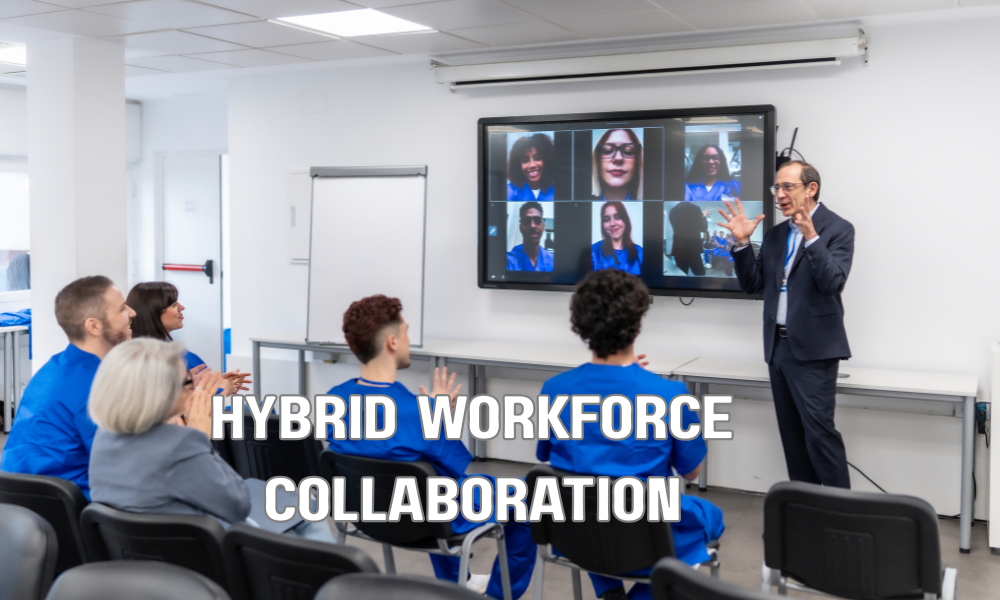
Impact of Remote and Hybrid Models on US Executive Mobility
The proliferation of remote and hybrid work models has fundamentally altered the calculus of executive mobility and talent sourcing for US corporations. While offering expanded access, it also introduces new complexities. We must also consider what role do remote and hybrid leadership models play in widening or narrowing the executive talent pool across geographies?
Geographic Flexibility vs. Cultural Integration: The Hybrid Paradox
- Remote work, while expanding the potential talent pool for US firms, poses significant challenges for executive team cohesion and the embedding of company culture, demanding new approaches to leadership integration.Percentage of US executive roles globally offering full remote or hybrid options by 2026: 60%.
“Anywhere” Talent vs. “Local” Expertise: Balancing Global and Domestic
- Balancing the benefits of global talent access for US-based roles with the critical need for market-specific knowledge and established networks remains a strategic challenge. JRG Partners often advises on navigating this delicate balance.Impact of remote work on executive compensation packages (e.g., location-based pay adjustments in the US): +5-15% for high-demand, location-agnostic skills.
Challenges in Leadership Development: The Virtual Mentorship Gap
- Remote models complicate traditional mentorship, informal networking, and “on-the-job” strategic learning—critical components for cultivating aspiring US executives.Perceived effectiveness of remote executive onboarding vs. in-person (US data): 20% lower perceived effectiveness.
Implications for US Global Talent Hubs: Decentralization of Influence
- The potential for decentralization of executive talent away from traditional US business centers (e.g., NYC, Silicon Valley) has strategic implications for talent attraction and regional economic development.Projected decrease in executive relocations to major US global cities: 10%.
DEI, Non-Traditional Candidates, and Pipeline Constraints in the US
The strategic imperative for Diversity, Equity, and Inclusion (DEI) in US executive ranks extends far beyond compliance, becoming a critical driver of innovation and competitive advantage.
Diversity Beyond Demographics: Broadening the Lens
- Moving beyond gender and ethnicity, progressive US boards are embracing neurodiversity, varied socio-economic backgrounds, and diverse career paths to enrich executive decision-making.Representation of women and underrepresented groups in US executive leadership by 2026: 38% and 22% respectively.
The Power of Non-Traditional Paths: Unlocking Latent Talent
- Valuing experience from adjacent industries, entrepreneurship, or non-profit sectors is proving crucial for accessing untapped leadership potential for US companies.Percentage of US executive hires coming from non-traditional career backgrounds: 15% (a rising trend observed by JRG Partners).
Bias in Executive Search: Mitigating Hidden Barriers
- Persistent unconscious bias and reliance on traditional networks continue to limit diverse candidate pools for US executive roles, necessitating structured interventions. JRG Partners employs proprietary methodologies to mitigate such biases.Effectiveness of blind resume reviews or AI-powered bias reduction tools in US executive recruitment: +20% increase in diverse candidate shortlists.
Pipeline Constraints: Investing in Future US Leaders
- A pervasive lack of investment in mid-career leadership development programs creates a critical bottleneck for the US executive pipeline.Attrition rates of diverse talent at mid-management levels preventing C-suite progression in the US: 2.5x higher than non-diverse talent.
What CHROs and Boards Must Do to Close the US Executive Talent Gap
Addressing the evolving executive talent challenges in the US market requires proactive, strategic intervention from both CHROs and the Board. It is no longer sufficient to react; foresight and decisive action are paramount for value creation. We must consider: Which strategic actions (succession planning, fractional roles, global sourcing, upskilling) are most effective for CHROs and boards trying to close executive talent gaps?
- Proactive Talent Intelligence & Forecasting: Implement sophisticated tools, including AI-driven analytics, to predict future executive needs and skill gaps within the US context. JRG Partners provides bespoke talent mapping and competitive intelligence to inform these strategies.US Companies using AI-driven talent analytics for executive planning: 18% (projected to reach 45% by 2026).
- Invest in Executive Development & Reskilling: Prioritize continuous learning, upskilling, and cross-functional experience for emerging US leaders. This is a critical investment in human capital development.ROI of executive leadership development programs (US average): 3.5x initial investment.
- Rethink Candidate Profiles & Recruitment: Broaden search criteria, actively challenge unconscious biases, and utilize diverse recruitment channels. This includes exploring talent from adjacent industries, scale-ups, and even non-profits.Effectiveness of executive search firms specializing in diverse placements (US data): +30% greater diversity in final candidate slates (JRG Partners excels in this area).
- Strengthen Internal Succession Planning: Develop robust, transparent, and regularly reviewed succession plans for all key executive roles, ensuring a resilient internal pipeline.Reduction in time-to-fill for US organizations with strong succession planning: 25%.
- Foster a Culture of Agility and Psychological Safety: Create environments where leaders can adapt, experiment, and learn without fear of failure. This is fundamental for navigating the inherent uncertainties of the modern business landscape.Correlation between psychological safety and executive retention rates in the US: 0.75 (strong positive correlation).
Conclusion: The Imperative for Proactive Talent Governance
The US executive job market in 2026 demands a sophisticated and proactive approach to talent governance. Boards and CHROs must move beyond conventional reactive recruitment to a strategic, data-driven framework that anticipates needs, cultivates diverse leadership, and fosters an adaptive culture. The organizations that prioritize these strategic talent initiatives will not only mitigate the risks posed by significant talent gaps but will also unlock unparalleled opportunities for innovation, growth, and sustained competitive advantage. JRG Partners remains your trusted advisor in navigating this complex and critical domain.
FAQs: Strategic Insights for US Executive Talent
- Q: What is the single biggest factor driving executive talent gaps in the US in 2026?
- A: The rapid pace of technological change, particularly in Artificial Intelligence (AI) and digital transformation, combined with a scarcity of leaders possessing both the technical acumen and strategic agility to implement these changes effectively across US enterprises. This creates a critical competency deficit.
- Q: How will executive compensation be affected by these trends in the US?
- A: Compensation for highly specialized roles (e.g., AI leadership, cybersecurity leadership, ESG strategy) will likely see significant increases due to intense demand and limited supply in the US market. Conversely, roles in more traditional areas may experience slower growth, leading to wider executive pay disparities.
- Q: Are US companies prioritizing internal development or external hiring for executive roles?
- A: While many US corporations express a strong desire for internal promotion, the reality is that the urgency for specialized, often cutting-edge, skills—coupled with frequently inadequate internal leadership pipelines—means external hiring remains prevalent, particularly for critical gap-filling roles that require immediate impact. JRG Partners observes this trend consistently.
- Q: How can US companies attract executive talent in competitive global markets, such as those impacting talent for US roles?
- A: For US firms seeking to attract top global executive talent into US-based or globally responsible roles, key strategies include offering highly competitive global compensation packages, clear career growth trajectories tied to ambitious US-led projects, robust cultural integration support, and articulating a compelling vision for significant impact within a leading economy. This also includes strategically leveraging remote/hybrid options when appropriate.
- Q: What role does DEI play beyond ethics in the US executive job market?
- A: Beyond ethical imperatives, DEI is a strategic differentiator for US companies. Diverse leadership teams are consistently proven to be more innovative, resilient, and better equipped to understand diverse customer bases. This directly impacts market performance, broadens access to a wider and deeper executive talent pool, and enhances an organization’s adaptive capacity in a complex global environment.

Tanya Gallardo
Managing Director, Executive Search & AI Talent Strategy
Tanya Gallardo is the Managing Director of Executive Search & AI Talent Strategy at JRG Partners, leading C-suite and Board engagements across key growth sectors including Technology, Financial Services, and Manufacturing.
With over 18 years of experience specializing in disruptive technology leadership, Tanya is recognized as a leading authority on talent architecture for future-focused executive roles, such as the Chief AI Officer (CAIO) and Chief Digital Officer (CDO). Her expertise lies in accurately assessing the cultural fit and technical depth required to ensure a high return on investment (ROI) for critical leadership appointments.
Prior to her role at JRG Partners, Tanya held senior roles directing global talent acquisition strategies at a major publicly-traded technology firm, advising on organizational design and succession planning for emerging executive functions. She is a recognized speaker and contributor to industry events, sharing data-driven insights on executive compensation, leadership development, and the measurable business impact of C-suite talent.
